

Whale, beluga, liver, raw (Alaska Native)
Whole food · American Indian/Alaska Native Foods

Photo: Wikipedia
Beluga whale liver is a dense, rich organ meat traditionally harvested by Alaska Native peoples, prized for its deep, iron-forward flavor and smooth, pâté-like texture. Nutritionally, it is a low-calorie, high-protein food with minimal fat and carbohydrates, making it a potent source of lean protein and essential nutrients. Its preparation often involves drying, freezing, or light cooking, preserving its unique, slightly sweet, and intensely savory profile.
Calorie split: 63% protein · 7% carbs · 30% fat
↓ Full nutrition💚 Why it's loved
It is loved for its deeply savory, umami-rich flavor and its role as a nutrient-dense staple in subsistence diets. Its versatility allows it to be enjoyed raw, dried, or cooked, often paired with traditional fats or berries.
⚠️ Watch-outs & how to enjoy it better
The strong, iron-heavy taste and organ-meat texture can be challenging for those unfamiliar with it. It may contain high levels of vitamin A, so excessive consumption should be avoided, and it should be sourced from trusted, sustainable harvests to ensure safety.
Key benefits
- High in complete protein for muscle maintenance
- Very low in carbohydrates and sugar
- Source of essential vitamins like B12 and A
- Provides iron and other trace minerals
- Traditional food with cultural significance
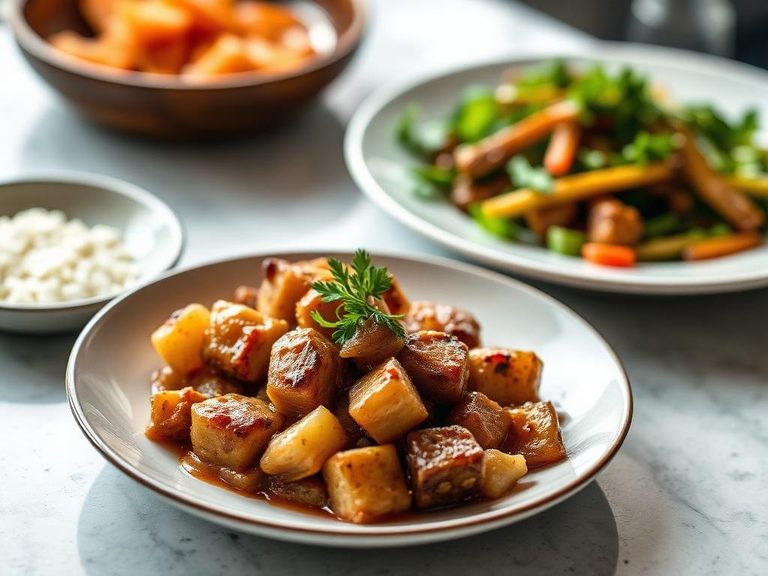
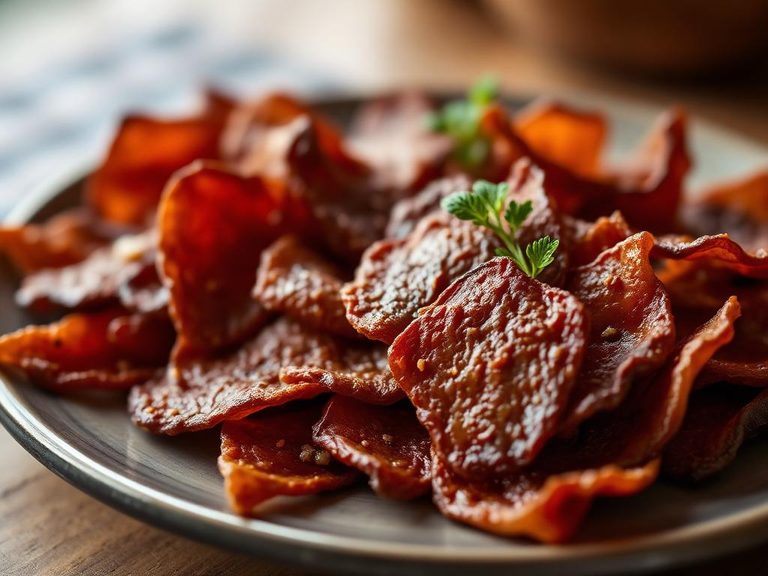
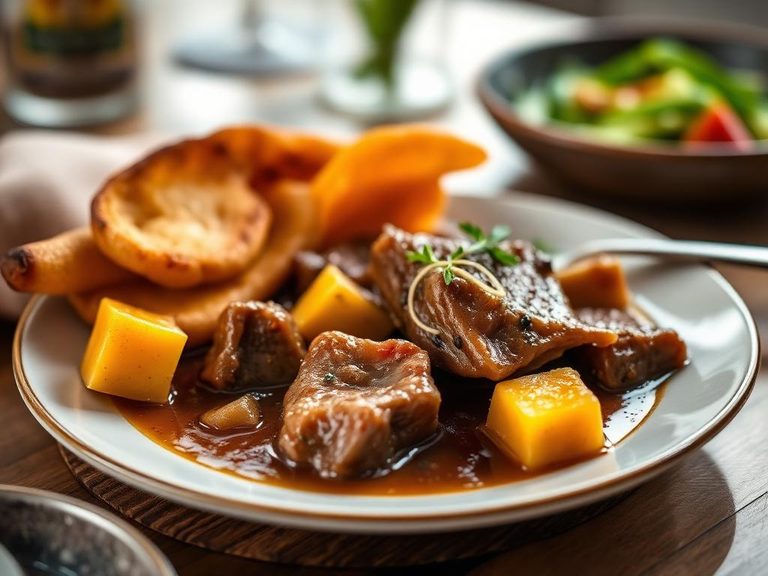
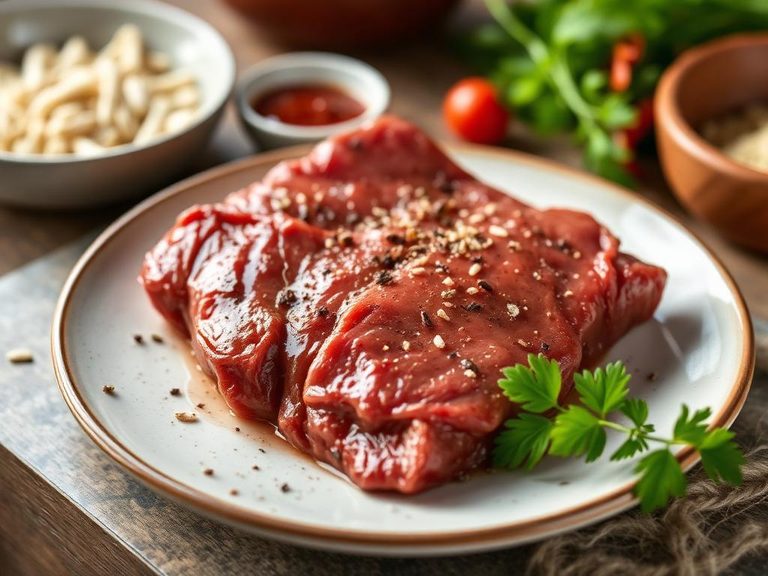
🍽️ Popular dishes
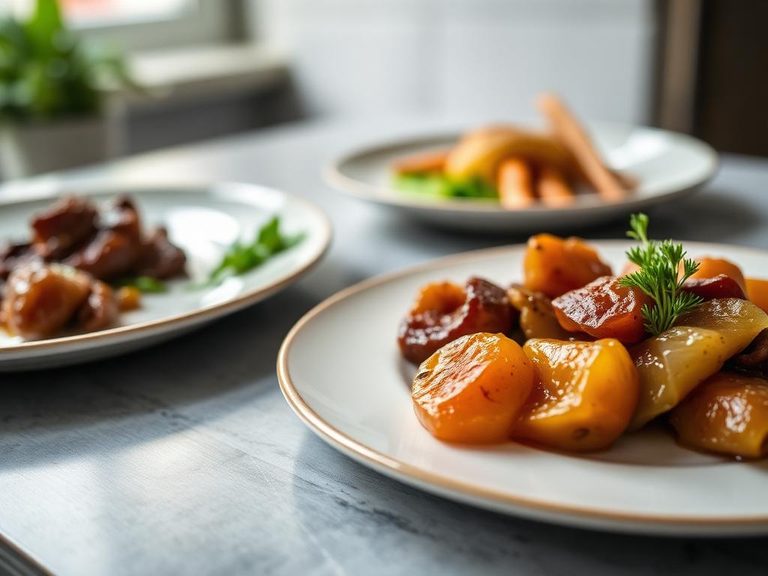
🌍 Where it's eaten
💡 Did you know?
Beluga whale liver can weigh up to 100 pounds, making it one of the largest livers in the animal kingdom.
Full nutrition (USDA data · scales with serving)
| Water | 74.6 g |
| Energy | 117 kcal |
| Energy | 488 kj |
| Protein | 18.4 g |
| Total lipid (fat) | 3.9 g |
| Ash | 1.1 g |
| Carbohydrate, by difference | 2.0 g |
| Calcium, Ca | 11.0 mg |
| Phosphorus, P | 230 mg |
| Vitamin A, IU | 22100 iu |
Fat & fatty acid profile (per 100g)
Estimated from Whale, beluga, meat, dried (Alaska Native) — USDA does not publish this profile for Whale.
| Fatty acids, total saturated | 1.2 g |
| SFA 8:0 | 0.00 g |
| SFA 10:0 | 0.00 g |
| SFA 12:0 | 0.01 g |
| SFA 14:0 | 0.25 g |
| SFA 15:0 | 0.03 g |
| SFA 16:0 | 0.70 g |
| SFA 17:0 | 0.03 g |
| SFA 18:0 | 0.20 g |
| SFA 20:0 | 0.00 g |
| SFA 22:0 | 0.00 g |
| SFA 24:0 | 0.00 g |
| Fatty acids, total monounsaturated | 3.3 g |
| MUFA 14:1 | 0.03 g |
| MUFA 15:1 | 0.01 g |
| MUFA 16:1 | 1.1 g |
| MUFA 17:1 | 0.00 g |
| MUFA 18:1 | 1.3 g |
| MUFA 20:1 | 0.64 g |
| MUFA 22:1 | 0.24 g |
| MUFA 24:1 c | 0.00 g |
| Fatty acids, total polyunsaturated | 0.32 g |
| PUFA 18:2 | 0.05 g |
| PUFA 18:3 | 0.03 g |
| PUFA 18:4 | 0.01 g |
| PUFA 20:2 n-6 c,c | 0.01 g |
| PUFA 20:3 | 0.00 g |
| PUFA 20:4 | 0.03 g |
| PUFA 20:5 n-3 (EPA) | 0.06 g |
| PUFA 21:5 | 0.00 g |
| PUFA 22:4 | 0.00 g |
| PUFA 22:5 n-3 (DPA) | 0.04 g |
| PUFA 22:6 n-3 (DHA) | 0.09 g |
| Cholesterol | 122 mg |
| Phytosterols | 0.00 mg |
Amino acid profile (per 100g)
Estimated from Whale, beluga, meat, dried (Alaska Native) — USDA does not publish this profile for Whale.
| Tryptophan | 0.80 g |
| Threonine | 2.7 g |
| Isoleucine | 2.7 g |
| Leucine | 5.8 g |
| Lysine | 6.3 g |
| Methionine | 1.4 g |
| Cystine | 0.42 g |
| Phenylalanine | 2.9 g |
| Tyrosine | 1.9 g |
| Valine | 2.8 g |
| Arginine | 3.8 g |
| Histidine | 3.0 g |
| Alanine | 4.3 g |
| Aspartic acid | 5.8 g |
| Glutamic acid | 9.6 g |
| Glycine | 4.1 g |
| Proline | 3.5 g |
| Serine | 2.4 g |
FAQ
What does beluga whale liver taste like?
It has a rich, iron-forward, and slightly sweet flavor with a smooth, pâté-like texture, often described as intensely savory.
Is it safe to eat raw?
In traditional Alaska Native practices, it is often consumed raw or lightly processed, but it should be sourced from trusted, sustainable harvests to ensure safety.
How is it typically prepared?
It can be eaten raw, dried, frozen, or cooked in stews, often paired with blubber or traditional seasonings.
What nutrients does it provide?
It is high in protein, low in fat and carbs, and rich in vitamins like B12 and A, as well as iron and other minerals.
Weight-loss friendliness (composite index)
Energy density 1.17 kcal/g · 63% calories from protein · 0.0 g fiber · 0.0 g sugar per 100 g.
Composite of energy density (Rolls et al., 1999), protein & fiber satiety, minus sugar. A calculated heuristic — ranks satiety-per-calorie, not a clinical measure.