

Veal, shoulder, whole (arm and blade), separable lean only, cooked, roasted
Whole food · Lamb, Veal, and Game Products

Photo: Wikipedia
This is the lean, roasted meat from a young cow's shoulder, offering a tender yet firm texture with a mild, subtly sweet beefy flavor. Its standout nutritional feature is its exceptionally high protein content (25.81g per 100g) paired with minimal fat (6.62g), making it a powerhouse for muscle maintenance. The complete absence of carbohydrates and sugars underscores its pure, whole-food protein profile.
Calorie split: 63% protein · 0% carbs · 37% fat
↓ Full nutrition💚 Why it's loved
People love it for its clean, delicate beef flavor that acts as a versatile canvas for rubs, marinades, and sauces. Its lean, tender slices are prized in both simple home roasts and elegant dishes, offering satisfying texture without excessive richness.
⚠️ Watch-outs & how to enjoy it better
As a red meat, it should be consumed in moderation by those managing heart health or cholesterol levels. Its lean nature can lead to dryness if overcooked, so careful preparation is key. Tip: Marinate before cooking to add moisture and flavor, and use a meat thermometer to avoid overcooking.
Key benefits
- Excellent source of complete, high-quality protein for muscle repair and growth.
- Very low in carbohydrates and sugars, suitable for low-carb and ketogenic diets.
- Rich in essential minerals like iron and zinc, supporting immune function and energy metabolism.
- Provides B vitamins, particularly B12, crucial for nerve function and red blood cell formation.
- Lean cut with a favorable protein-to-fat ratio for weight management.
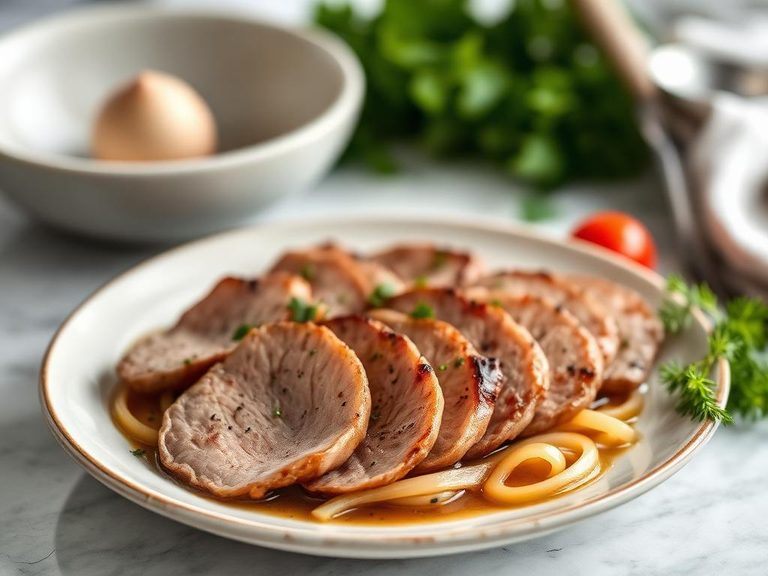
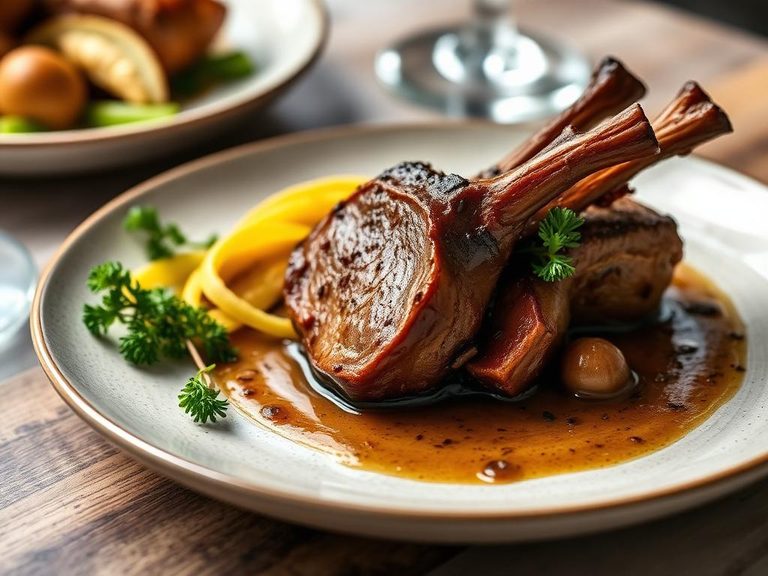
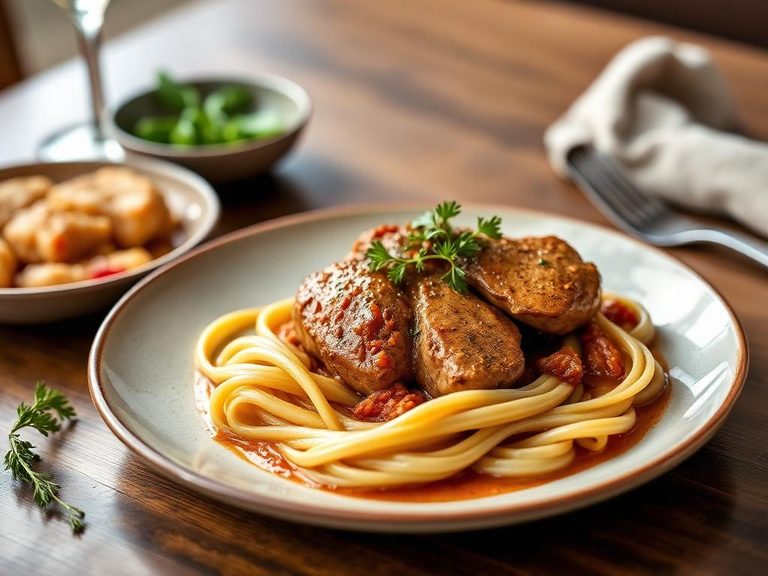
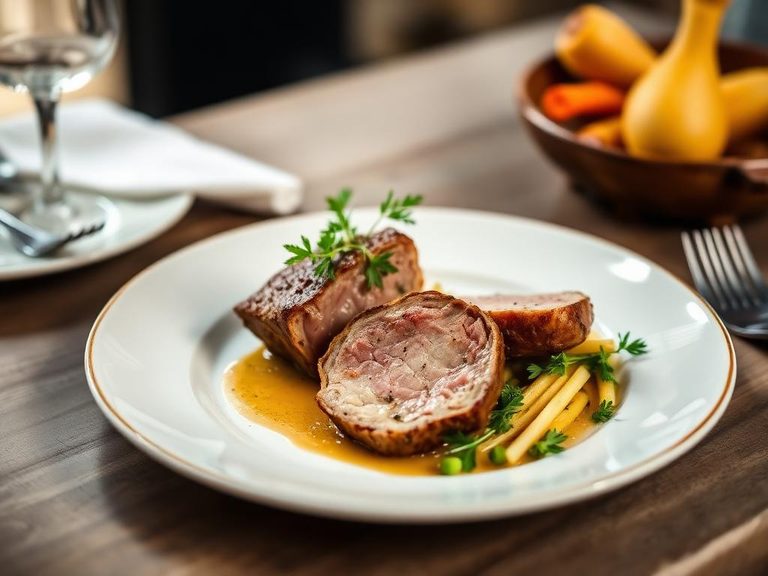
🍽️ Popular dishes
🌍 Where it's eaten
💡 Did you know?
Veal shoulder is a primal cut that includes the arm and blade bones; when roasted whole, the bone-in version is often called a 'shoulder clod' or 'arm roast' in butchery.
Full nutrition (USDA data · scales with serving)
| Water | 66.7 g |
| Energy | 170 kcal |
| Energy | 711 kj |
| Protein | 25.8 g |
| Total lipid (fat) | 6.6 g |
| Ash | 1.4 g |
| Carbohydrate, by difference | 0.00 g |
| Fiber, total dietary | 0.00 g |
| Calcium, Ca | 27.0 mg |
| Iron, Fe | 1.0 mg |
| Magnesium, Mg | 25.0 mg |
| Phosphorus, P | 218 mg |
| Potassium, K | 327 mg |
| Sodium, Na | 97.0 mg |
| Zinc, Zn | 5.3 mg |
| Copper, Cu | 0.14 mg |
| Manganese, Mn | 0.03 mg |
| Selenium, Se | 10.9 ug |
| Vitamin C, total ascorbic acid | 0.00 mg |
| Thiamin | 0.07 mg |
| Riboflavin | 0.34 mg |
| Niacin | 6.4 mg |
| Pantothenic acid | 1.3 mg |
| Vitamin B-6 | 0.26 mg |
| Folate, total | 13.0 ug |
| Folic acid | 0.00 ug |
| Folate, food | 13.0 ug |
| Folate, DFE | 13.0 ug |
| Vitamin B-12 | 1.9 ug |
| Vitamin A, RAE | 0.00 ug |
| Retinol | 0.00 ug |
| Vitamin A, IU | 0.00 iu |
| Vitamin E (alpha-tocopherol) | 0.50 mg |
Fat & fatty acid profile (per 100g)
| Fatty acids, total saturated | 2.5 g |
| SFA 10:0 | 0.00 g |
| SFA 12:0 | 0.02 g |
| SFA 14:0 | 0.21 g |
| SFA 16:0 | 1.4 g |
| SFA 18:0 | 0.84 g |
| Fatty acids, total monounsaturated | 2.4 g |
| MUFA 16:1 | 0.27 g |
| MUFA 18:1 | 2.1 g |
| Fatty acids, total polyunsaturated | 0.53 g |
| PUFA 18:2 | 0.39 g |
| PUFA 18:3 | 0.04 g |
| PUFA 20:4 | 0.10 g |
| Cholesterol | 114 mg |
Amino acid profile (per 100g)
| Tryptophan | 0.26 g |
| Threonine | 1.1 g |
| Isoleucine | 1.3 g |
| Leucine | 2.1 g |
| Lysine | 2.1 g |
| Methionine | 0.60 g |
| Cystine | 0.29 g |
| Phenylalanine | 1.0 g |
| Tyrosine | 0.82 g |
| Valine | 1.4 g |
| Arginine | 1.5 g |
| Histidine | 0.94 g |
| Alanine | 1.5 g |
| Aspartic acid | 2.2 g |
| Glutamic acid | 4.1 g |
| Glycine | 1.3 g |
| Proline | 1.1 g |
| Serine | 0.97 g |
FAQ
Is this cut the same as veal chuck?
Yes, the shoulder and chuck refer to the same primal section of the animal. 'Shoulder' is the more common term for the whole cut, while 'chuck' often refers to specific sub-cuts used for braising.
How does it differ from beef shoulder roast?
Veal comes from young cattle (under 20 weeks), resulting in lighter, more tender meat with a milder flavor and less marbling than mature beef shoulder, which is tougher and has a stronger taste.
What's the best way to keep it from drying out?
Since it's very lean, avoid high-heat dry roasting for too long. Consider braising, slow-roasting with a liquid, or searing then finishing with a brief rest. A marinade or basting liquid can also help retain moisture.
Nutrient density (calculated · NRF9.3)
Nutrient Rich Foods index: beneficial nutrients (protein, fiber, vitamins, minerals) minus saturated fat, added sugar & sodium, per 100 kcal.
NRF9.3 index — Fulgoni, Keast & Drewnowski, 2009. Computed from USDA nutrients.
Weight-loss friendliness (composite index)
Energy density 1.70 kcal/g · 61% calories from protein · 0.0 g fiber · 0.0 g sugar per 100 g.
Composite of energy density (Rolls et al., 1999), protein & fiber satiety, minus sugar. A calculated heuristic — ranks satiety-per-calorie, not a clinical measure.
Dietary load (calculated from USDA values)
Potential renal acid load. Positive = acid-forming, negative = alkaline-forming.
Sodium-to-potassium ratio: 0.30 (lower is better — aim for ≤ 1)
Sodium:potassium per WHO potassium guidance. Computed from USDA nutrients.