

Vanilla extract, imitation, no alcohol
Whole food · Spices and Herbs

Photo: Wikipedia
Imitation vanilla extract without alcohol is a synthetic flavoring solution, typically made from vanillin derived from wood pulp or petrochemicals, suspended in water or propylene glycol. It delivers a sweet, potent, and somewhat one-dimensional vanilla aroma without the complex, woody notes of pure extract. Nutritionally, it is essentially a source of empty calories, contributing 14.4g of sugar per 100g with negligible protein or fat.
Calorie split: 0% protein · 100% carbs · 0% fat
↓ Full nutrition💚 Why it's loved
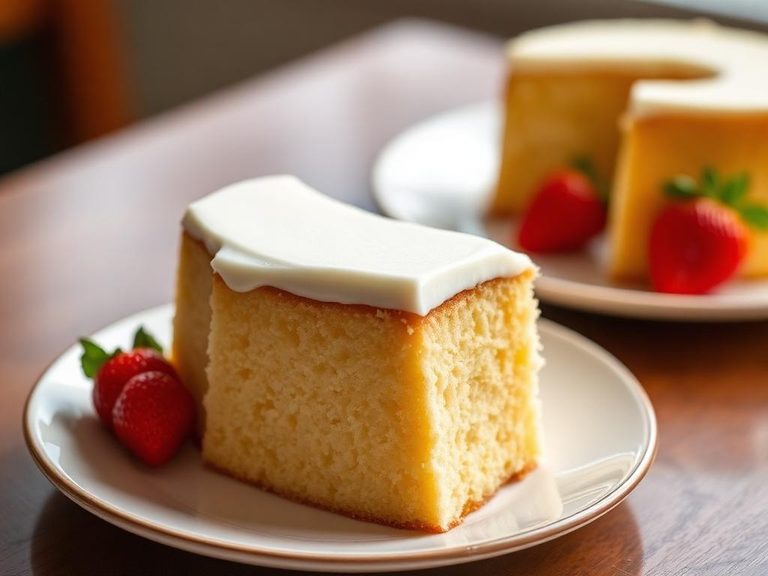
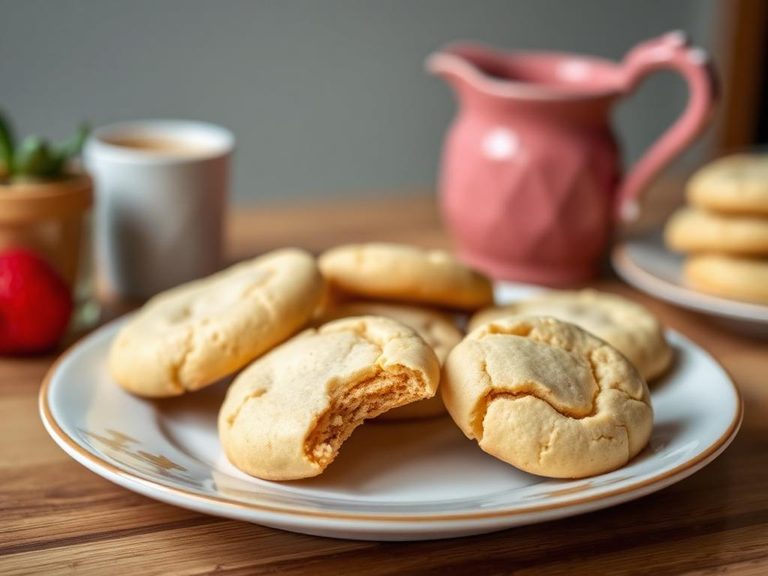
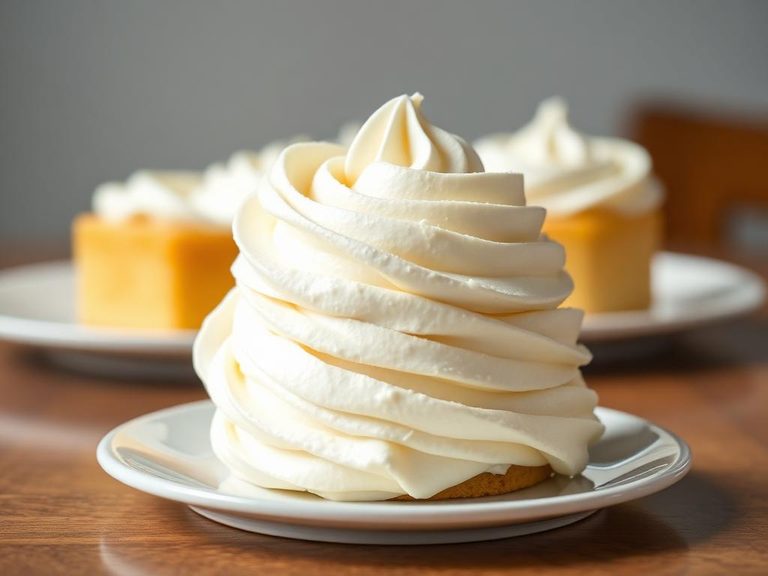
People love it for its intense, straightforward vanilla punch that reliably enhances baked goods and desserts. Its affordability and alcohol-free nature make it a go-to for families and those avoiding alcohol, allowing for generous use in recipes like cookies, cakes, and frostings.
⚠️ Watch-outs & how to enjoy it better
The high sugar content (14.4g per 100g) can contribute to blood-sugar spikes if used excessively, and its flavor can be perceived as artificial or lacking depth compared to pure extract. To counteract this, use it sparingly and pair it with recipes that include protein or fat (like nuts or dairy) to slow sugar absorption, and consider using it in cooked applications where the flavor can meld with other ingredients.
Key benefits
- Cost-effective alternative to pure vanilla extract
- Provides a strong, consistent vanilla flavor
- Alcohol-free formulation suitable for specific dietary restrictions
- Shelf-stable and widely available in most grocery stores
- Adds sweetness and aroma without significant fat or protein
🍽️ Popular dishes
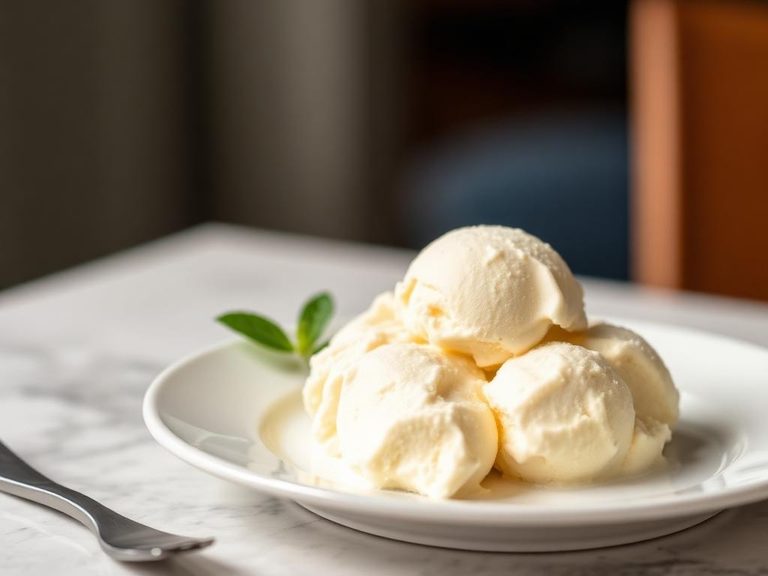
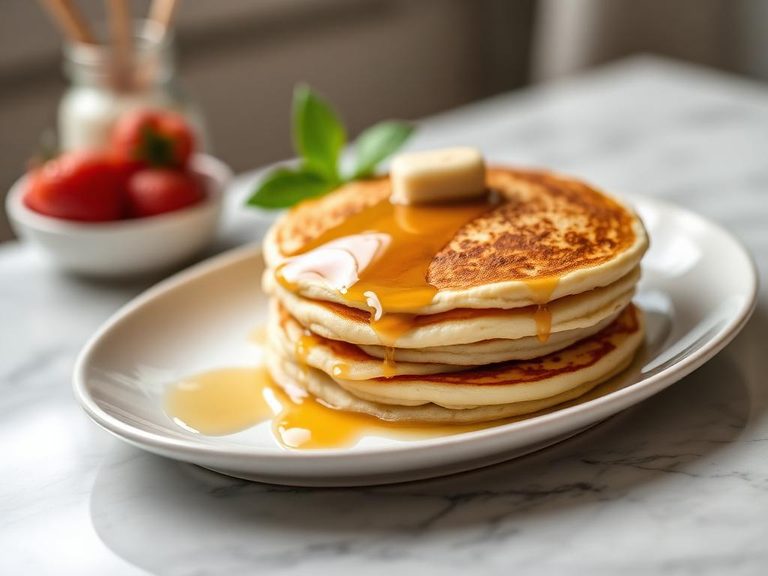
🌍 Where it's eaten
💡 Did you know?
The primary flavor compound in imitation vanilla, vanillin, was first synthesized in 1874 from the chemical compound coniferyl alcohol, which is found in pine bark, long before it was derived from wood pulp or petrochemicals.
Full nutrition (USDA data · scales with serving)
| Water | 85.6 g |
| Energy | 56.0 kcal |
| Energy | 234 kj |
| Protein | 0.03 g |
| Total lipid (fat) | 0.00 g |
| Ash | 0.01 g |
| Carbohydrate, by difference | 14.4 g |
| Fiber, total dietary | 0.00 g |
| Total Sugars | 14.4 g |
| Calcium, Ca | 3.0 mg |
| Iron, Fe | 0.05 mg |
| Magnesium, Mg | 1.0 mg |
| Phosphorus, P | 0.00 mg |
| Potassium, K | 0.00 mg |
| Sodium, Na | 3.0 mg |
| Zinc, Zn | 0.01 mg |
| Copper, Cu | 0.00 mg |
| Manganese, Mn | 0.00 mg |
| Selenium, Se | 0.00 ug |
| Vitamin C, total ascorbic acid | 0.00 mg |
| Thiamin | 0.00 mg |
| Riboflavin | 0.03 mg |
| Niacin | 0.13 mg |
| Pantothenic acid | 0.01 mg |
| Vitamin B-6 | 0.01 mg |
| Folate, total | 0.00 ug |
| Folic acid | 0.00 ug |
| Folate, food | 0.00 ug |
| Folate, DFE | 0.00 ug |
| Choline, total | 0.00 mg |
| Vitamin B-12 | 0.00 ug |
| Vitamin B-12, added | 0.00 ug |
| Vitamin A, RAE | 0.00 ug |
| Retinol | 0.00 ug |
| Carotene, beta | 0.00 ug |
| Carotene, alpha | 0.00 ug |
| Cryptoxanthin, beta | 0.00 ug |
| Vitamin A, IU | 0.00 iu |
| Lycopene | 0.00 ug |
| Lutein + zeaxanthin | 0.00 ug |
| Vitamin E (alpha-tocopherol) | 0.00 mg |
| Vitamin E, added | 0.00 mg |
| Vitamin D (D2 + D3), International Units | 0.00 iu |
| Vitamin D (D2 + D3) | 0.00 ug |
| Vitamin K (phylloquinone) | 0.00 ug |
| Alcohol, ethyl | 0.00 g |
| Caffeine | 0.00 mg |
| Theobromine | 0.00 mg |
Fat & fatty acid profile (per 100g)
| Fatty acids, total saturated | 0.00 g |
| SFA 4:0 | 0.00 g |
| SFA 6:0 | 0.00 g |
| SFA 8:0 | 0.00 g |
| SFA 10:0 | 0.00 g |
| SFA 12:0 | 0.00 g |
| SFA 14:0 | 0.00 g |
| SFA 16:0 | 0.00 g |
| SFA 18:0 | 0.00 g |
| Fatty acids, total monounsaturated | 0.00 g |
| MUFA 16:1 | 0.00 g |
| MUFA 18:1 | 0.00 g |
| MUFA 20:1 | 0.00 g |
| MUFA 22:1 | 0.00 g |
| Fatty acids, total polyunsaturated | 0.00 g |
| PUFA 18:2 | 0.00 g |
| PUFA 18:3 | 0.00 g |
| PUFA 18:4 | 0.00 g |
| PUFA 20:4 | 0.00 g |
| PUFA 20:5 n-3 (EPA) | 0.00 g |
| PUFA 22:5 n-3 (DPA) | 0.00 g |
| PUFA 22:6 n-3 (DHA) | 0.00 g |
| Fatty acids, total trans | 0.00 g |
| Cholesterol | 0.00 mg |
FAQ
What is the main difference between imitation and pure vanilla extract?
Imitation vanilla is made from synthetic vanillin (often from wood pulp or petrochemicals) and is alcohol-free, while pure vanilla extract contains real vanilla bean extractives dissolved in alcohol, offering a more complex flavor profile.
Can I substitute imitation vanilla for pure vanilla extract in recipes?
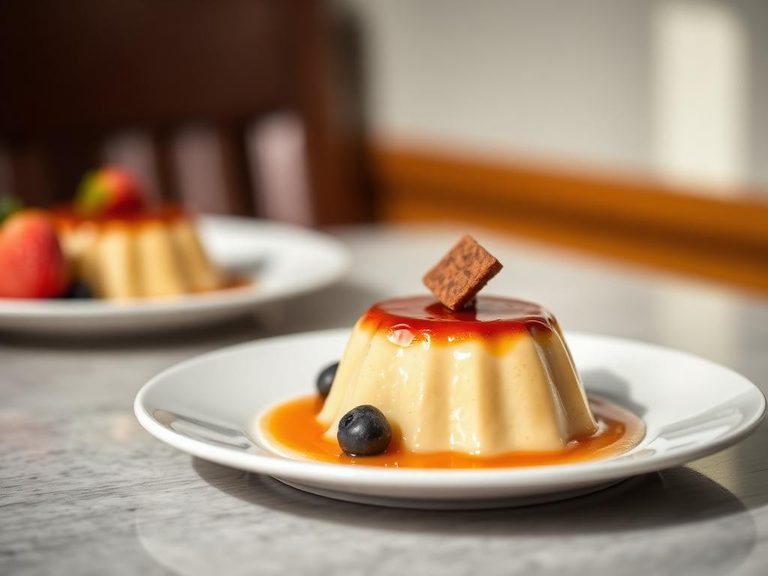
Yes, you can substitute them in a 1:1 ratio, but the flavor will be less nuanced. It works well in baked goods where other flavors dominate, but may be less ideal in recipes where vanilla is the star, like crème brûlée.
Is imitation vanilla extract safe for people with alcohol sensitivities?
Yes, alcohol-free imitation vanilla extract is specifically formulated without alcohol, making it suitable for those avoiding alcohol for health, religious, or personal reasons.
Nutrient density (calculated · NRF9.3)
Nutrient Rich Foods index: beneficial nutrients (protein, fiber, vitamins, minerals) minus saturated fat, added sugar & sodium, per 100 kcal.
NRF9.3 index — Fulgoni, Keast & Drewnowski, 2009. Computed from USDA nutrients.
Weight-loss friendliness (composite index)
Energy density 0.56 kcal/g · 0% calories from protein · 0.0 g fiber · 14.4 g sugar per 100 g.
Composite of energy density (Rolls et al., 1999), protein & fiber satiety, minus sugar. A calculated heuristic — ranks satiety-per-calorie, not a clinical measure.
Dietary load (calculated from USDA values)
Potential renal acid load. Positive = acid-forming, negative = alkaline-forming.
Sodium:potassium per WHO potassium guidance. Computed from USDA nutrients.