

Vanilla extract
Whole food · Spices and Herbs
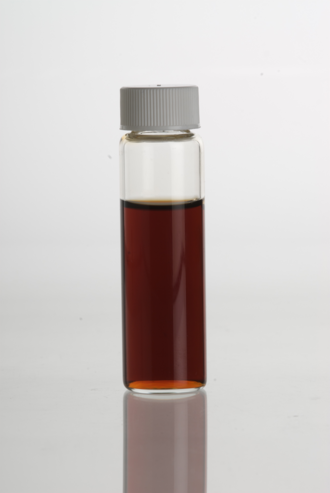
Photo: Wikipedia
Vanilla extract is a concentrated flavoring made by macerating vanilla beans in a solution of alcohol and water, yielding a dark, aromatic liquid. Its taste is intensely floral, sweet, and complex, with over 200 distinct flavor compounds. Nutritionally, it's almost entirely carbohydrate, specifically sugar, contributing 12.65g per 100g.
Calorie split: 0% protein · 98% carbs · 1% fat
↓ Full nutrition💚 Why it's loved
People love vanilla extract for its irreplaceable, warm, and creamy flavor profile that is foundational to countless desserts and drinks. Its versatility allows it to be a background note or a star ingredient in both sweet and savory applications.
⚠️ Watch-outs & how to enjoy it better
The primary concern is its high sugar content (12.65g per 100g), which can contribute to blood sugar spikes if used liberally. To counteract this, use it in measured teaspoons (about 5g) where its potent flavor allows, and pair sugary vanilla-based dishes with protein or healthy fats to slow sugar absorption.
Key benefits
- Adds profound flavor without adding fat or protein.
- Contains trace antioxidants from vanilla beans.
- Enhances perceived sweetness, potentially allowing less added sugar.
- A staple for baking and beverage flavoring worldwide.
🍽️ Popular dishes
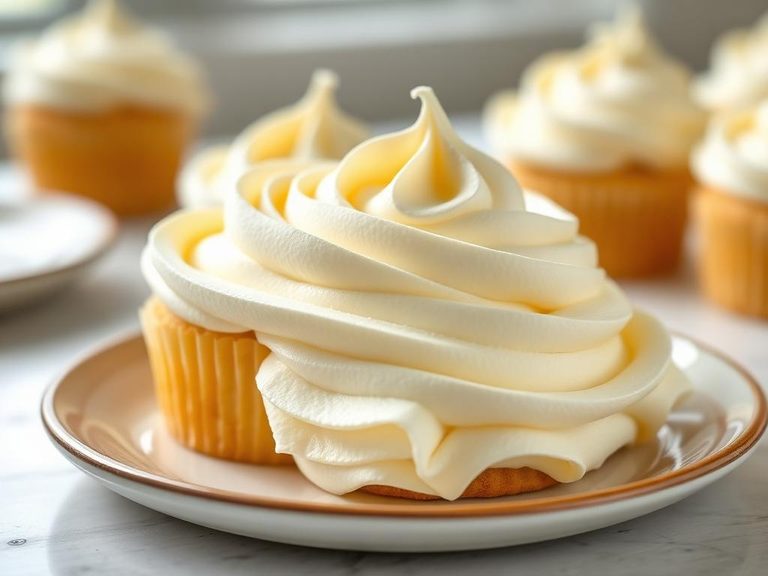
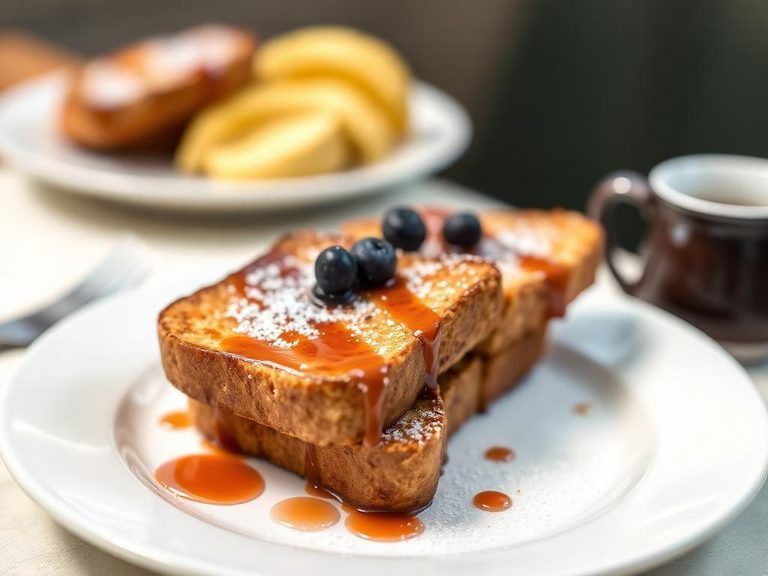
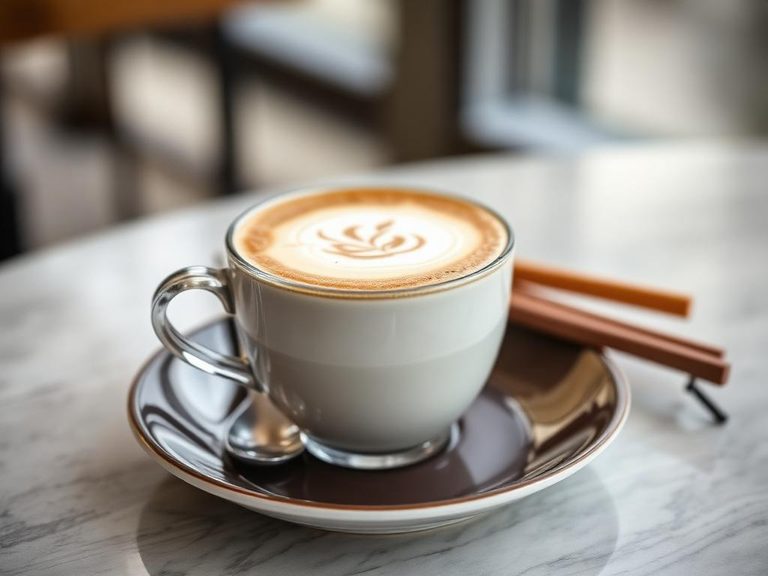
🌍 Where it's eaten
💡 Did you know?
It takes about 600 hand-pollinated vanilla orchid flowers to produce just one pound of cured vanilla beans, making it the second most expensive spice in the world after saffron.
Full nutrition (USDA data · scales with serving)
| Water | 52.6 g |
| Energy | 288 kcal |
| Energy | 1205 kj |
| Protein | 0.06 g |
| Total lipid (fat) | 0.06 g |
| Ash | 0.26 g |
| Carbohydrate, by difference | 12.7 g |
| Fiber, total dietary | 0.00 g |
| Total Sugars | 12.7 g |
| Calcium, Ca | 11.0 mg |
| Iron, Fe | 0.12 mg |
| Magnesium, Mg | 12.0 mg |
| Phosphorus, P | 6.0 mg |
| Potassium, K | 148 mg |
| Sodium, Na | 9.0 mg |
| Zinc, Zn | 0.11 mg |
| Copper, Cu | 0.07 mg |
| Manganese, Mn | 0.23 mg |
| Selenium, Se | 0.00 ug |
| Vitamin C, total ascorbic acid | 0.00 mg |
| Thiamin | 0.01 mg |
| Riboflavin | 0.10 mg |
| Niacin | 0.42 mg |
| Pantothenic acid | 0.04 mg |
| Vitamin B-6 | 0.03 mg |
| Folate, total | 0.00 ug |
| Folic acid | 0.00 ug |
| Folate, food | 0.00 ug |
| Folate, DFE | 0.00 ug |
| Vitamin B-12 | 0.00 ug |
| Vitamin B-12, added | 0.00 ug |
| Vitamin A, RAE | 0.00 ug |
| Retinol | 0.00 ug |
| Carotene, beta | 0.00 ug |
| Carotene, alpha | 0.00 ug |
| Cryptoxanthin, beta | 0.00 ug |
| Vitamin A, IU | 0.00 iu |
| Lycopene | 0.00 ug |
| Lutein + zeaxanthin | 0.00 ug |
| Vitamin E (alpha-tocopherol) | 0.00 mg |
| Vitamin E, added | 0.00 mg |
| Vitamin D (D2 + D3), International Units | 0.00 iu |
| Vitamin D (D2 + D3) | 0.00 ug |
| Vitamin K (phylloquinone) | 0.00 ug |
| Alcohol, ethyl | 34.4 g |
| Caffeine | 0.00 mg |
| Theobromine | 0.00 mg |
Fat & fatty acid profile (per 100g)
| Fatty acids, total saturated | 0.01 g |
| SFA 4:0 | 0.00 g |
| SFA 6:0 | 0.00 g |
| SFA 8:0 | 0.00 g |
| SFA 10:0 | 0.00 g |
| SFA 12:0 | 0.00 g |
| SFA 14:0 | 0.00 g |
| SFA 16:0 | 0.01 g |
| SFA 18:0 | 0.00 g |
| Fatty acids, total monounsaturated | 0.01 g |
| MUFA 16:1 | 0.00 g |
| MUFA 18:1 | 0.01 g |
| MUFA 20:1 | 0.00 g |
| MUFA 22:1 | 0.00 g |
| Fatty acids, total polyunsaturated | 0.00 g |
| PUFA 18:2 | 0.00 g |
| PUFA 18:3 | 0.00 g |
| PUFA 18:4 | 0.00 g |
| PUFA 20:4 | 0.00 g |
| PUFA 20:5 n-3 (EPA) | 0.00 g |
| PUFA 22:5 n-3 (DPA) | 0.00 g |
| PUFA 22:6 n-3 (DHA) | 0.00 g |
| Fatty acids, total trans | 0.00 g |
| Cholesterol | 0.00 mg |
FAQ
What's the difference between pure and imitation vanilla extract?
Pure vanilla extract is made from real vanilla beans and alcohol, offering a complex, rich flavor. Imitation vanilla (vanillin) is a synthetic flavoring derived from wood pulp or petrochemicals, with a simpler, often harsher taste.
Can vanilla extract be used in savory cooking?
Yes, in small amounts. It's a classic ingredient in Mexican mole sauces and can add a subtle, warm depth to some seafood, poultry, or vegetable glazes when balanced with other strong flavors.
Why does vanilla extract contain alcohol?
Alcohol is the most effective solvent for extracting and preserving the hundreds of volatile flavor compounds from vanilla beans. Most alcohol cooks off during baking or heating.
Nutrient density (calculated · NRF9.3)
Nutrient Rich Foods index: beneficial nutrients (protein, fiber, vitamins, minerals) minus saturated fat, added sugar & sodium, per 100 kcal.
NRF9.3 index — Fulgoni, Keast & Drewnowski, 2009. Computed from USDA nutrients.
Weight-loss friendliness (composite index)
Energy density 2.88 kcal/g · 0% calories from protein · 0.0 g fiber · 12.7 g sugar per 100 g.
Composite of energy density (Rolls et al., 1999), protein & fiber satiety, minus sugar. A calculated heuristic — ranks satiety-per-calorie, not a clinical measure.
Dietary load (calculated from USDA values)
Potential renal acid load. Positive = acid-forming, negative = alkaline-forming.
Sodium-to-potassium ratio: 0.06 (lower is better — aim for ≤ 1)
Sodium:potassium per WHO potassium guidance. Computed from USDA nutrients.