

Tomatoes, red, ripe, canned, with green chilies
Whole food · Vegetables and Vegetable Products

Photo: Wikipedia
This is a pantry staple of red, ripe tomatoes cooked down and paired with green chilies, creating a tangy, mildly spicy base with a soft, saucy texture. It delivers a modest 15 calories per 100g, with most of its energy coming from a small amount of carbohydrates, making it a light, flavor-forward addition to meals. The combination offers a convenient, pre-seasoned tomato product that balances sweetness, acidity, and a gentle heat.
Calorie split: 15% protein · 81% carbs · 4% fat
↓ Full nutrition💚 Why it's loved
People love it for its instant flavor boost and versatility, as it can be stirred into everything from chili to pasta sauce. The blend of sweet tomato and spicy green chili creates a comforting, familiar taste that’s a cornerstone of many home-cooked meals.
⚠️ Watch-outs & how to enjoy it better
The primary downside is often high sodium content from canning, which can be a concern for those monitoring blood pressure. To counteract this, rinse the tomatoes briefly before use, pair them with potassium-rich foods like beans or spinach, and use them in dishes where you control the added salt.
Key benefits
- Low-calorie base for sauces and soups
- Provides vitamin C and lycopene from tomatoes
- Adds flavor without significant fat
- Convenient, pre-seasoned ingredient
- Mild heat from green chilies
🍽️ Popular dishes

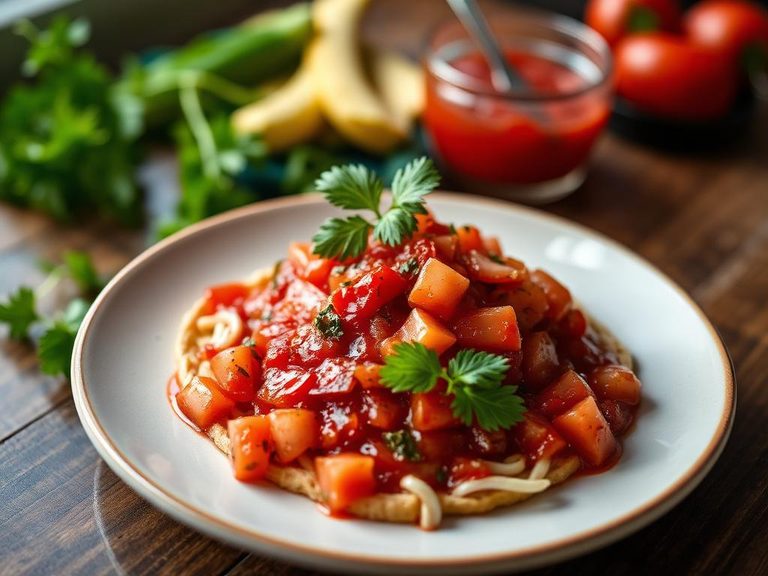
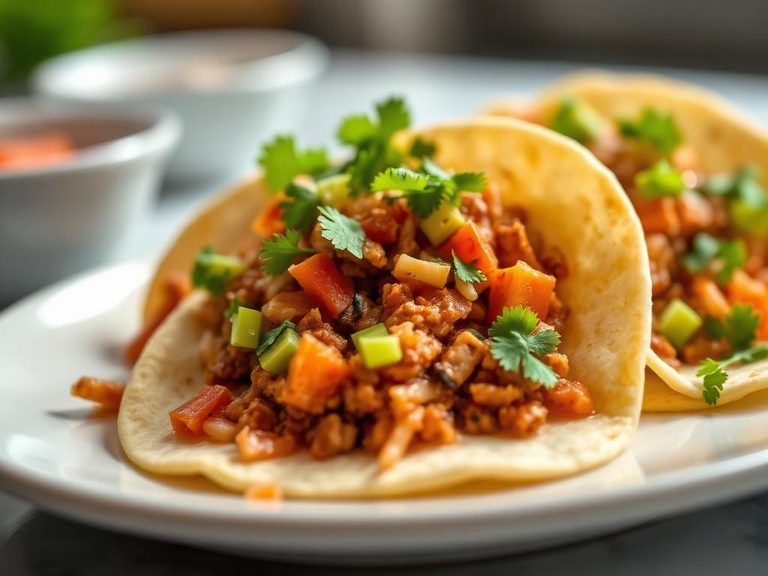
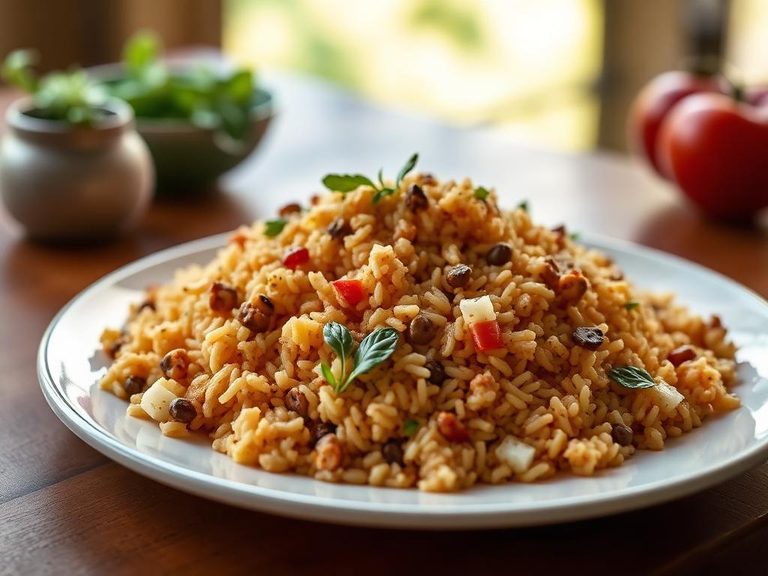


🌍 Where it's eaten
💡 Did you know?
The green chilies used are often a mild variety like Anaheim or New Mexico chile, which add a subtle heat without overwhelming the tomato's sweetness.
Full nutrition (USDA data · scales with serving)
| Water | 94.2 g |
| Energy | 15.0 kcal |
| Energy | 63.0 kj |
| Protein | 0.69 g |
| Total lipid (fat) | 0.08 g |
| Ash | 1.4 g |
| Carbohydrate, by difference | 3.6 g |
| Calcium, Ca | 20.0 mg |
| Iron, Fe | 0.26 mg |
| Magnesium, Mg | 11.0 mg |
| Phosphorus, P | 14.0 mg |
| Potassium, K | 107 mg |
| Sodium, Na | 401 mg |
| Zinc, Zn | 0.13 mg |
| Copper, Cu | 0.09 mg |
| Manganese, Mn | 0.13 mg |
| Selenium, Se | 0.40 ug |
| Vitamin C, total ascorbic acid | 6.2 mg |
| Thiamin | 0.03 mg |
| Riboflavin | 0.02 mg |
| Niacin | 0.64 mg |
| Pantothenic acid | 0.15 mg |
| Vitamin B-6 | 0.10 mg |
| Folate, total | 9.0 ug |
| Folic acid | 0.00 ug |
| Folate, food | 9.0 ug |
| Folate, DFE | 9.0 ug |
| Vitamin B-12 | 0.00 ug |
| Vitamin A, RAE | 20.0 ug |
| Retinol | 0.00 ug |
| Vitamin A, IU | 390 iu |
| Vitamin D (D2 + D3), International Units | 0.00 iu |
| Vitamin D (D2 + D3) | 0.00 ug |
Fat & fatty acid profile (per 100g)
| Fatty acids, total saturated | 0.01 g |
| SFA 14:0 | 0.00 g |
| SFA 16:0 | 0.01 g |
| SFA 18:0 | 0.00 g |
| Fatty acids, total monounsaturated | 0.01 g |
| MUFA 16:1 | 0.00 g |
| MUFA 18:1 | 0.01 g |
| MUFA 20:1 | 0.00 g |
| Fatty acids, total polyunsaturated | 0.03 g |
| PUFA 18:2 | 0.03 g |
| PUFA 18:3 | 0.00 g |
| Fatty acids, total trans | 0.00 g |
| Cholesterol | 0.00 mg |
Amino acid profile (per 100g)
Estimated from Tomatoes, sun-dried, packed in oil, drained — USDA does not publish this profile for Tomatoes.
| Tryptophan | 0.04 g |
| Threonine | 0.13 g |
| Isoleucine | 0.12 g |
| Leucine | 0.18 g |
| Lysine | 0.19 g |
| Methionine | 0.04 g |
| Cystine | 0.07 g |
| Phenylalanine | 0.13 g |
| Tyrosine | 0.09 g |
| Valine | 0.13 g |
| Arginine | 0.12 g |
| Histidine | 0.08 g |
| Alanine | 0.14 g |
| Aspartic acid | 0.70 g |
| Glutamic acid | 1.9 g |
| Glycine | 0.13 g |
| Proline | 0.10 g |
| Serine | 0.13 g |
FAQ
Are canned tomatoes with green chilies spicy?
They are typically mild to moderately spicy, depending on the brand and type of green chili used. The heat level is usually gentle enough for most palates, but you can always adjust by adding fresh chilies or hot sauce.
Can I use this in place of fresh tomatoes?
Yes, it works well as a substitute in cooked dishes like soups, stews, and sauces. However, it has a more concentrated flavor and softer texture, so you may need to adjust the liquid content in your recipe.
Is it high in sugar?
No, it contains 0g of added sugar per 100g. The natural sugars from the tomatoes are minimal, making it a low-sugar option for those watching their intake.
Nutrient density (calculated · NRF9.3)
Nutrient Rich Foods index: beneficial nutrients (protein, fiber, vitamins, minerals) minus saturated fat, added sugar & sodium, per 100 kcal.
NRF9.3 index — Fulgoni, Keast & Drewnowski, 2009. Computed from USDA nutrients.
Weight-loss friendliness (composite index)
Energy density 0.15 kcal/g · 18% calories from protein · 0.0 g fiber · 0.0 g sugar per 100 g.
Composite of energy density (Rolls et al., 1999), protein & fiber satiety, minus sugar. A calculated heuristic — ranks satiety-per-calorie, not a clinical measure.
Dietary load (calculated from USDA values)
Potential renal acid load. Positive = acid-forming, negative = alkaline-forming.
Sodium-to-potassium ratio: 3.75 (lower is better — aim for ≤ 1)
Sodium:potassium per WHO potassium guidance. Computed from USDA nutrients.