

Sugars, maple
Whole food · Sweets

Photo: Wikipedia
Pure maple sugar is a granulated sweetener made by boiling down maple syrup until all moisture evaporates, leaving behind a fine, amber-colored crystalline powder. It has a distinct, rich caramel-buttery flavor with a hint of woodsy sweetness, far more complex than plain white sugar. Nutritionally, it is essentially 100% carbohydrate, providing a quick energy source but offering minimal other nutrients.
Calorie split: 0% protein · 99% carbs · 0% fat
↓ Full nutrition💚 Why it's loved
People adore maple sugar for its signature, deep caramelized maple flavor that instantly elevates coffee, oatmeal, or baked goods. Its versatility as a topping, sweetener, or baking ingredient makes it a beloved staple in North American pantries.
⚠️ Watch-outs & how to enjoy it better
Its high sugar content (84.87g per 100g) can cause rapid blood-sugar spikes, making it unsuitable for those managing diabetes or insulin resistance. To counteract this, use it sparingly and always pair it with protein (like nuts or yogurt) or healthy fats to slow absorption. It is also calorie-dense, so mindful portion control is key.
Key benefits
- Provides quick energy from natural carbohydrates.
- Contains trace minerals like manganese and zinc from the maple sap.
- Offers a unique, complex flavor that can enhance recipes.
- Is a natural, less-refined alternative to white table sugar.
- Dissolves easily in beverages and batters.
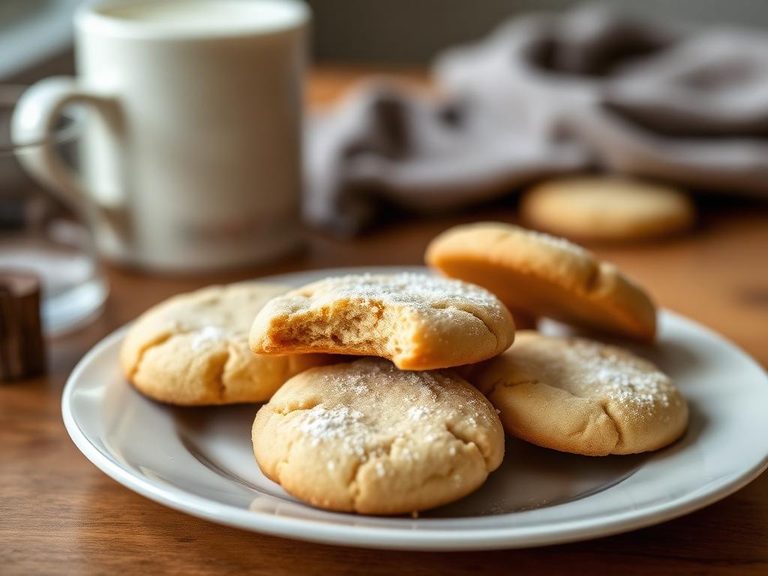
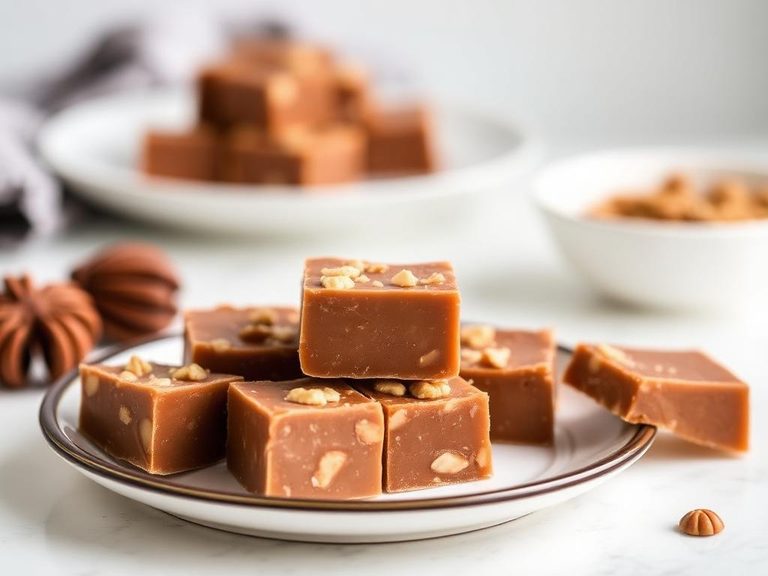
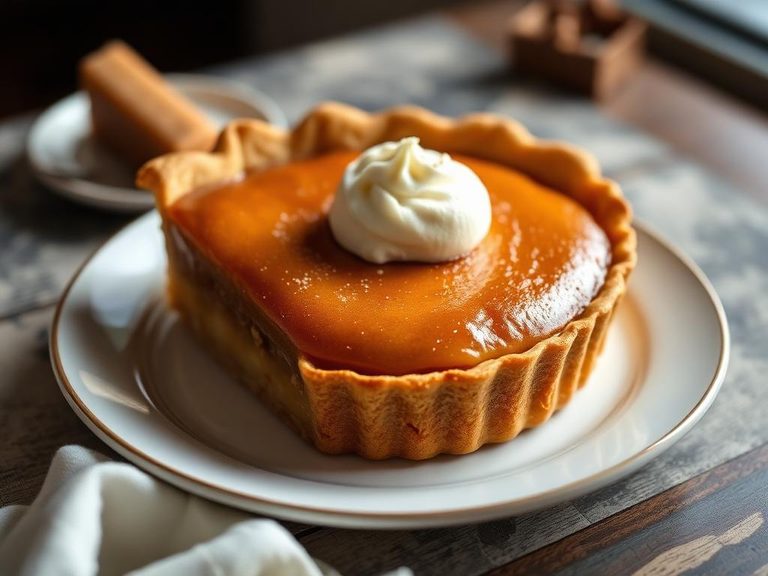
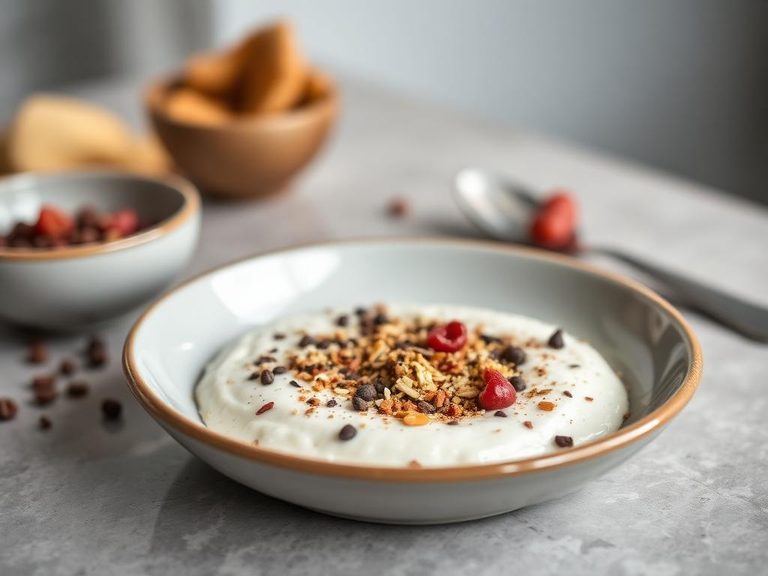
🍽️ Popular dishes
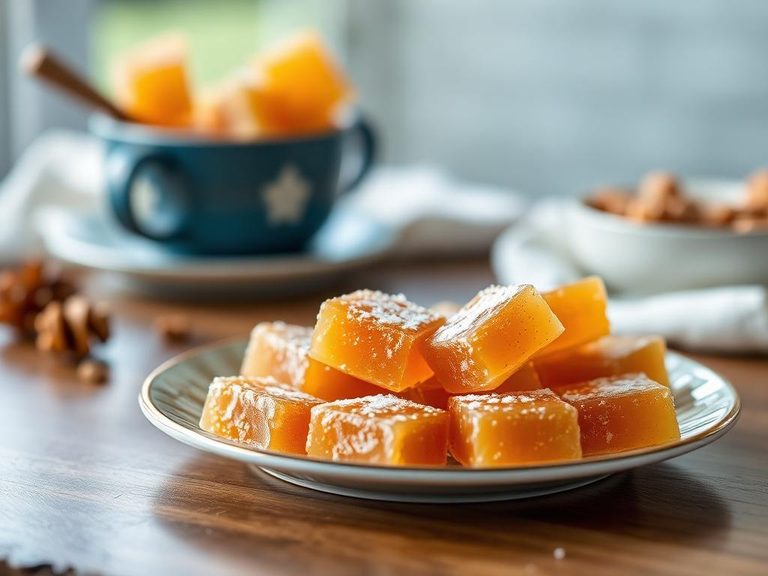
🌍 Where it's eaten
💡 Did you know?
It takes approximately 40 liters (about 10 gallons) of maple sap to produce just 1 liter (about 0.26 gallons) of maple syrup, which is then further reduced to make maple sugar, making it a highly concentrated and precious product.
Full nutrition (USDA data · scales with serving)
| Water | 8.0 g |
| Energy | 354 kcal |
| Energy | 1481 kj |
| Protein | 0.10 g |
| Total lipid (fat) | 0.20 g |
| Ash | 0.80 g |
| Carbohydrate, by difference | 90.9 g |
| Fiber, total dietary | 0.00 g |
| Total Sugars | 84.9 g |
| Calcium, Ca | 90.0 mg |
| Iron, Fe | 1.6 mg |
| Magnesium, Mg | 19.0 mg |
| Phosphorus, P | 3.0 mg |
| Potassium, K | 274 mg |
| Sodium, Na | 11.0 mg |
| Zinc, Zn | 6.1 mg |
| Copper, Cu | 0.10 mg |
| Manganese, Mn | 4.4 mg |
| Selenium, Se | 0.80 ug |
| Vitamin C, total ascorbic acid | 0.00 mg |
| Thiamin | 0.01 mg |
| Riboflavin | 0.01 mg |
| Niacin | 0.04 mg |
| Pantothenic acid | 0.05 mg |
| Vitamin B-6 | 0.00 mg |
| Folate, total | 0.00 ug |
| Folic acid | 0.00 ug |
| Folate, food | 0.00 ug |
| Folate, DFE | 0.00 ug |
| Choline, total | 2.1 mg |
| Vitamin B-12 | 0.00 ug |
| Vitamin B-12, added | 0.00 ug |
| Vitamin A, RAE | 0.00 ug |
| Retinol | 0.00 ug |
| Carotene, beta | 0.00 ug |
| Carotene, alpha | 0.00 ug |
| Cryptoxanthin, beta | 0.00 ug |
| Vitamin A, IU | 0.00 iu |
| Lycopene | 0.00 ug |
| Lutein + zeaxanthin | 0.00 ug |
| Vitamin E (alpha-tocopherol) | 0.00 mg |
| Vitamin E, added | 0.00 mg |
| Vitamin D (D2 + D3), International Units | 0.00 iu |
| Vitamin D (D2 + D3) | 0.00 ug |
| Vitamin K (phylloquinone) | 0.00 ug |
| Alcohol, ethyl | 0.00 g |
| Caffeine | 0.00 mg |
| Theobromine | 0.00 mg |
Fat & fatty acid profile (per 100g)
| Fatty acids, total saturated | 0.04 g |
| SFA 4:0 | 0.00 g |
| SFA 6:0 | 0.00 g |
| SFA 8:0 | 0.00 g |
| SFA 10:0 | 0.00 g |
| SFA 12:0 | 0.00 g |
| SFA 14:0 | 0.00 g |
| SFA 16:0 | 0.04 g |
| SFA 18:0 | 0.00 g |
| Fatty acids, total monounsaturated | 0.06 g |
| MUFA 16:1 | 0.00 g |
| MUFA 18:1 | 0.06 g |
| MUFA 20:1 | 0.00 g |
| MUFA 22:1 | 0.00 g |
| Fatty acids, total polyunsaturated | 0.10 g |
| PUFA 18:2 | 0.10 g |
| PUFA 18:3 | 0.00 g |
| PUFA 18:4 | 0.00 g |
| PUFA 20:4 | 0.00 g |
| PUFA 20:5 n-3 (EPA) | 0.00 g |
| PUFA 22:5 n-3 (DPA) | 0.00 g |
| PUFA 22:6 n-3 (DHA) | 0.00 g |
| Cholesterol | 0.00 mg |
FAQ
How is maple sugar different from maple syrup?
Maple syrup is the boiled, liquid sap of the maple tree. Maple sugar is made by continuing to boil the syrup until all the water evaporates, leaving behind solid sugar crystals.
Can I use maple sugar as a 1:1 replacement for white sugar in baking?
Yes, you can generally substitute it 1:1 by weight, but its stronger flavor will be noticeable. It may also produce a slightly denser, more crumbly texture in some baked goods.
Is maple sugar vegan?
Yes, pure maple sugar is 100% plant-based, derived solely from the sap of maple trees.
Nutrient density (calculated · NRF9.3)
Nutrient Rich Foods index: beneficial nutrients (protein, fiber, vitamins, minerals) minus saturated fat, added sugar & sodium, per 100 kcal.
NRF9.3 index — Fulgoni, Keast & Drewnowski, 2009. Computed from USDA nutrients.
Weight-loss friendliness (composite index)
Energy density 3.54 kcal/g · 0% calories from protein · 0.0 g fiber · 84.9 g sugar per 100 g.
Composite of energy density (Rolls et al., 1999), protein & fiber satiety, minus sugar. A calculated heuristic — ranks satiety-per-calorie, not a clinical measure.
Dietary load (calculated from USDA values)
Potential renal acid load. Positive = acid-forming, negative = alkaline-forming.
Sodium-to-potassium ratio: 0.04 (lower is better — aim for ≤ 1)
Sodium:potassium per WHO potassium guidance. Computed from USDA nutrients.