Maple Sugar Candies
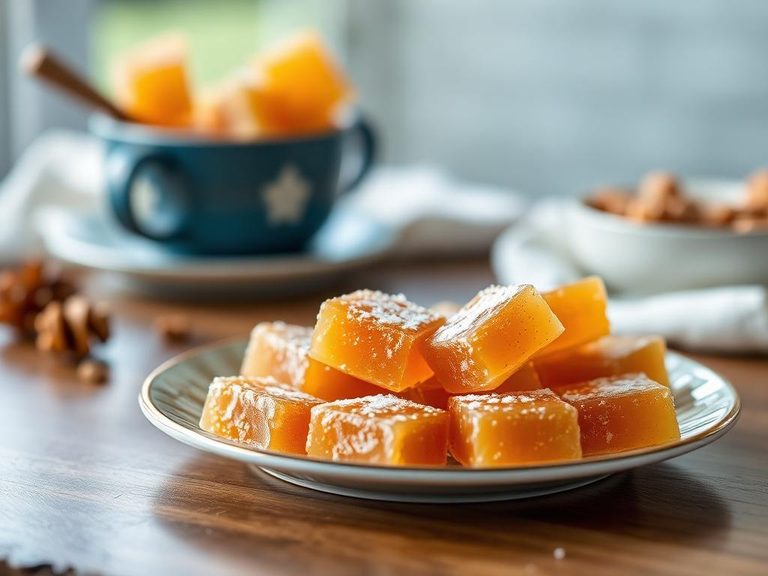
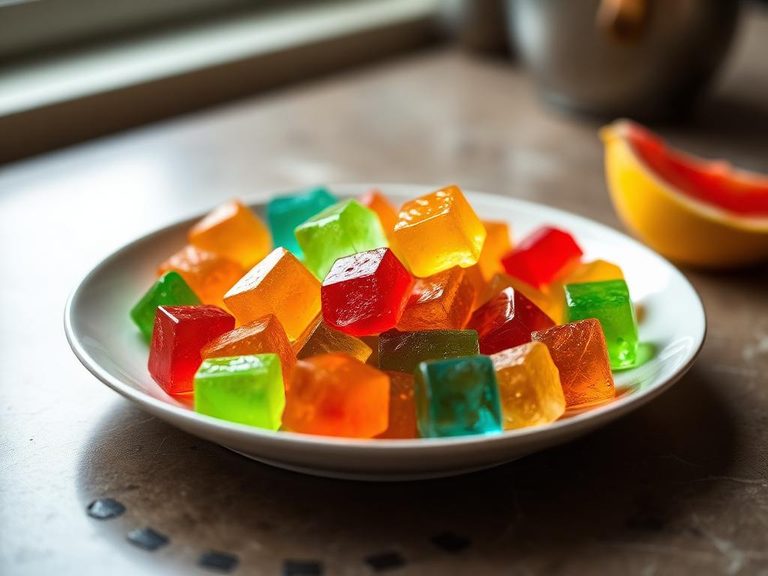
Maple sugar candies are a traditional North American confection made by boiling maple sap until it crystallizes into a sweet, granular, or solid treat. The primary ingredient is pure maple syrup, often poured into decorative molds to create shapes like leaves or animals. This delicacy is especially popular in the northeastern United States and eastern Canada, particularly in regions like Vermont and Quebec.
🍽️ Nutrition at a glance
These candies are almost entirely composed of carbohydrates in the form of natural sugars from maple syrup, providing a quick source of energy with minimal fat or protein. A typical piece (about 15-20 grams) contains roughly 60-80 calories and offers trace minerals like manganese and zinc.
Nutrition breakdown
| Calories | 55 kcal |
| Protein | 0 g |
| Carbs | 14 g |
| Fat | 0 g |
| Fiber | 0 g |
| Sugar | 13 g |
| Sodium | 5 mg |
| Calcium | 2 mg |
| Iron | 0.1 mg |
| Potassium | 5 mg |
| Magnesium | 1 mg |
| Manganese | 1.5 mg |
| Zinc | 0.1 mg |
| Copper | 0.02 mg |
| Riboflavin | 0.001 mg |
Per 1 piece (15 g) · estimated, varies by recipe
💡 What's interesting
What makes maple sugar candies unique is their direct connection to Indigenous North American traditions of harvesting maple sap, a practice that predates European colonization. Nutritionally, they are a pure, unrefined sweetener that retains the distinctive, complex flavor profile of maple, setting them apart from processed sugar candies.