

Squash, zucchini, baby, raw
Whole food · Vegetables and Vegetable Products

Photo: Wikipedia
Baby zucchini are miniature, tender summer squashes with a delicate, slightly sweet flavor and a crisp, seedless texture. They are exceptionally low in calories, providing a mere 21 kcal per 100g, while offering a good source of vitamin C and potassium. Their mild taste and firm bite make them a versatile, nutrient-dense addition to raw salads or lightly cooked dishes.
Calorie split: 40% protein · 46% carbs · 13% fat
↓ Full nutrition💚 Why it's loved
People love baby zucchini for its mild, slightly sweet flavor that complements rather than dominates a dish, and its satisfying crisp texture when raw. It's prized for its versatility, easily fitting into salads, stir-fries, or as a simple, healthy snack.
⚠️ Watch-outs & how to enjoy it better
While generally well-tolerated, raw zucchini contains oxalates which may be a concern for individuals prone to kidney stones. To mitigate this, you can lightly cook the zucchini, which reduces oxalate content, or ensure adequate hydration and calcium intake alongside it.
Key benefits
- Very low in calories and carbohydrates
- Good source of vitamin C and potassium
- Contains fiber for digestive health
- High water content aids hydration
- Naturally low in fat and sugar
🍽️ Popular dishes
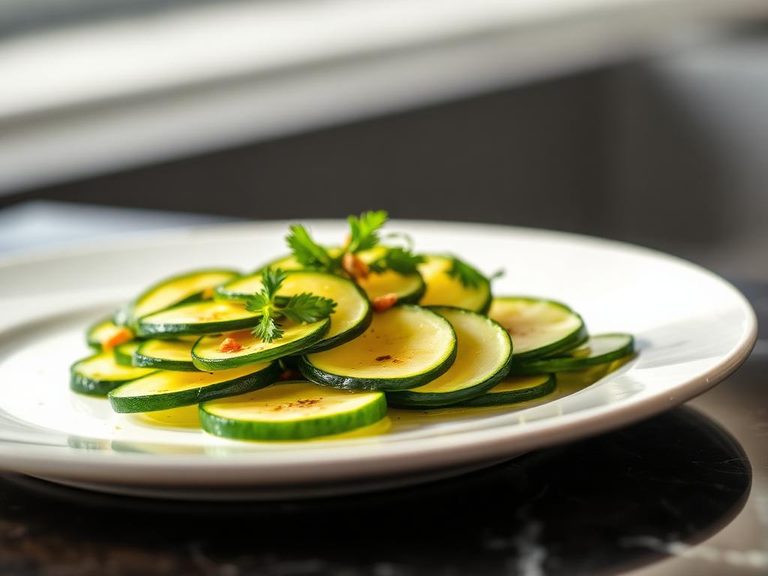
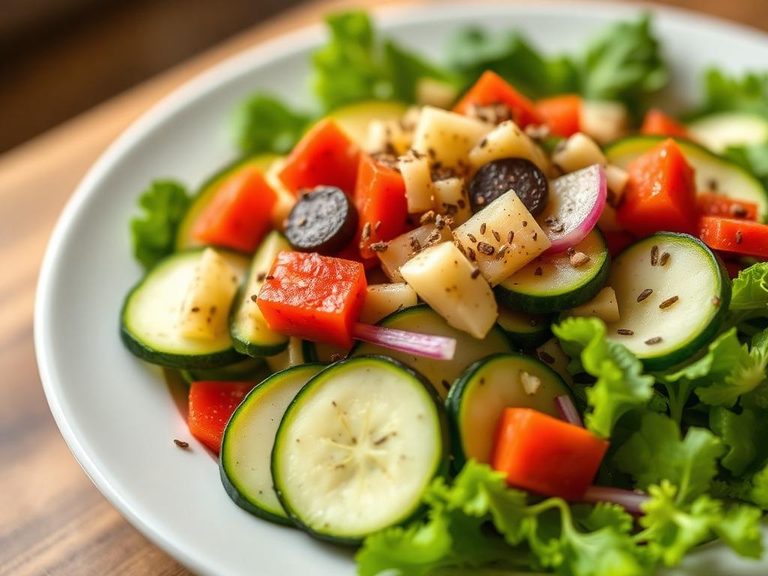
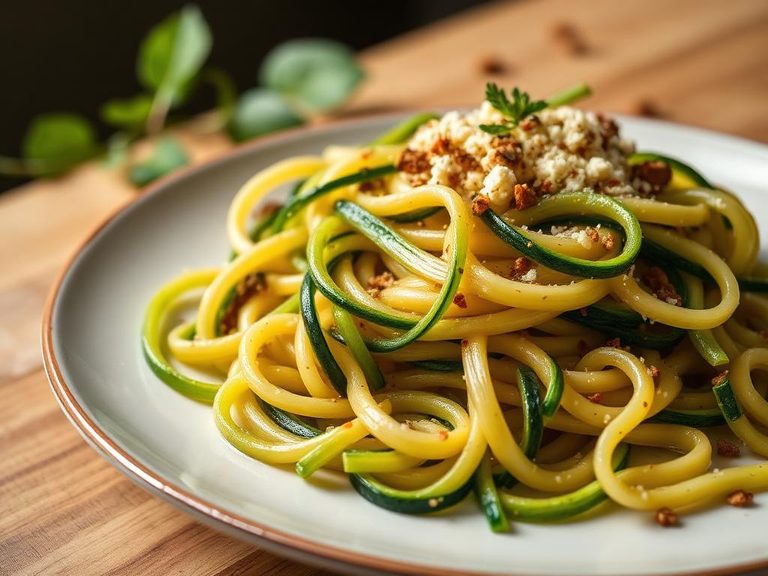
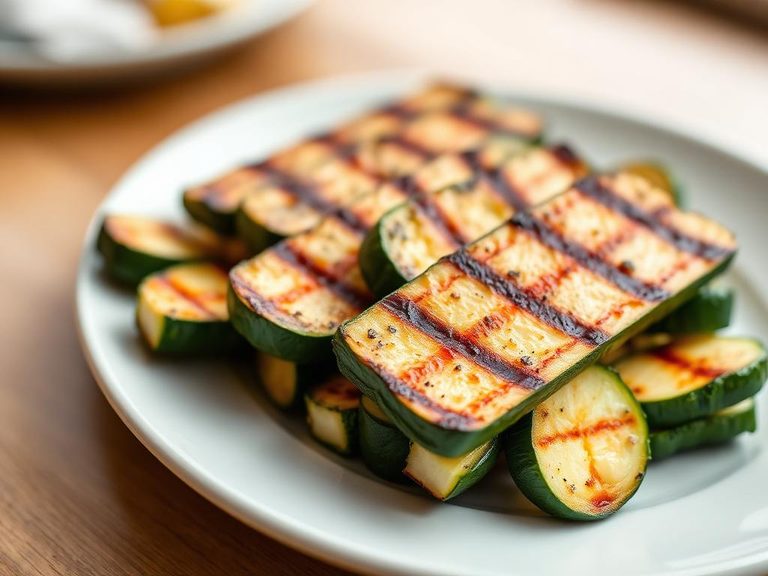
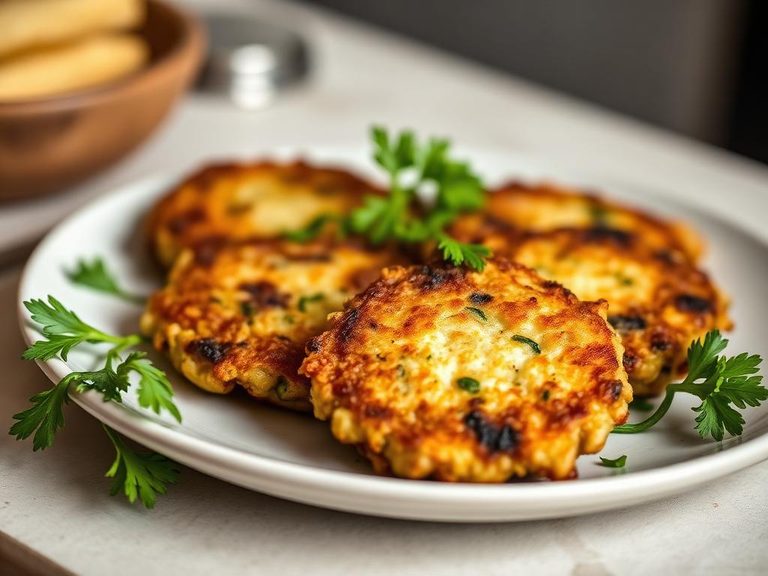
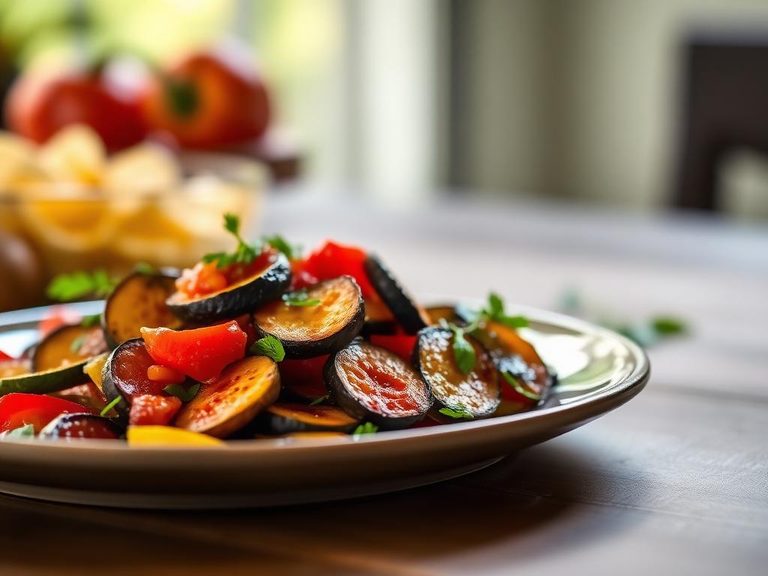
🌍 Where it's eaten
💡 Did you know?
Despite its name, zucchini is botanically classified as a fruit, specifically a berry, though it's treated as a vegetable in culinary contexts.
Full nutrition (USDA data · scales with serving)
| Water | 92.7 g |
| Energy | 21.0 kcal |
| Energy | 88.0 kj |
| Protein | 2.7 g |
| Total lipid (fat) | 0.40 g |
| Ash | 1.1 g |
| Carbohydrate, by difference | 3.1 g |
| Fiber, total dietary | 1.1 g |
| Calcium, Ca | 21.0 mg |
| Iron, Fe | 0.79 mg |
| Magnesium, Mg | 33.0 mg |
| Phosphorus, P | 93.0 mg |
| Potassium, K | 459 mg |
| Sodium, Na | 3.0 mg |
| Zinc, Zn | 0.83 mg |
| Copper, Cu | 0.10 mg |
| Manganese, Mn | 0.20 mg |
| Selenium, Se | 0.30 ug |
| Vitamin C, total ascorbic acid | 34.1 mg |
| Thiamin | 0.04 mg |
| Riboflavin | 0.04 mg |
| Niacin | 0.70 mg |
| Pantothenic acid | 0.37 mg |
| Vitamin B-6 | 0.14 mg |
| Folate, total | 20.0 ug |
| Folic acid | 0.00 ug |
| Folate, food | 20.0 ug |
| Folate, DFE | 20.0 ug |
| Vitamin B-12 | 0.00 ug |
| Vitamin A, RAE | 25.0 ug |
| Retinol | 0.00 ug |
| Vitamin A, IU | 490 iu |
| Vitamin D (D2 + D3), International Units | 0.00 iu |
| Vitamin D (D2 + D3) | 0.00 ug |
Fat & fatty acid profile (per 100g)
| Fatty acids, total saturated | 0.08 g |
| SFA 12:0 | 0.00 g |
| SFA 16:0 | 0.07 g |
| SFA 18:0 | 0.01 g |
| Fatty acids, total monounsaturated | 0.03 g |
| MUFA 16:1 | 0.00 g |
| MUFA 18:1 | 0.03 g |
| Fatty acids, total polyunsaturated | 0.17 g |
| PUFA 18:2 | 0.06 g |
| PUFA 18:3 | 0.11 g |
| Fatty acids, total trans | 0.00 g |
| Cholesterol | 0.00 mg |
Amino acid profile (per 100g)
| Tryptophan | 0.02 g |
| Threonine | 0.07 g |
| Isoleucine | 0.10 g |
| Leucine | 0.16 g |
| Lysine | 0.15 g |
| Methionine | 0.04 g |
| Cystine | 0.03 g |
| Phenylalanine | 0.10 g |
| Tyrosine | 0.07 g |
| Valine | 0.12 g |
| Arginine | 0.12 g |
| Histidine | 0.06 g |
| Alanine | 0.14 g |
| Aspartic acid | 0.33 g |
| Glutamic acid | 0.29 g |
| Glycine | 0.10 g |
| Proline | 0.09 g |
| Serine | 0.11 g |
FAQ
Is raw zucchini safe to eat?
Yes, raw zucchini is perfectly safe and commonly eaten in salads and slaws. It's tender, mild, and nutritious when fresh.
How does baby zucchini differ from regular zucchini?
Baby zucchini are harvested young, resulting in smaller size, thinner skin, fewer seeds, and a more tender texture with a slightly sweeter flavor.
Can I eat the skin of baby zucchini?
Absolutely. The skin of baby zucchini is thin, edible, and contains fiber and nutrients. Simply wash it well before use.
Nutrient density (calculated · NRF9.3)
Nutrient Rich Foods index: beneficial nutrients (protein, fiber, vitamins, minerals) minus saturated fat, added sugar & sodium, per 100 kcal.
NRF9.3 index — Fulgoni, Keast & Drewnowski, 2009. Computed from USDA nutrients.
Weight-loss friendliness (composite index)
Energy density 0.21 kcal/g · 52% calories from protein · 1.1 g fiber · 0.0 g sugar per 100 g.
Composite of energy density (Rolls et al., 1999), protein & fiber satiety, minus sugar. A calculated heuristic — ranks satiety-per-calorie, not a clinical measure.
Dietary load (calculated from USDA values)
Potential renal acid load. Positive = acid-forming, negative = alkaline-forming.
Sodium-to-potassium ratio: 0.01 (lower is better — aim for ≤ 1)
Sodium:potassium per WHO potassium guidance. Computed from USDA nutrients.