

Spearmint, dried
Whole food · Spices and Herbs
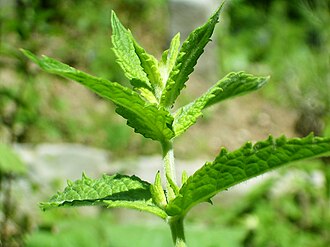
Photo: Wikipedia
Dried spearmint is a potent, aromatic herb with a sweet, cool, and slightly woody flavor profile, far more intense than its fresh counterpart. Its crumbly, flaky texture releases a burst of mentholated fragrance, making it a powerful flavoring agent. Nutritionally, it is exceptionally high in fiber and protein for an herb, while being virtually sugar-free.
Calorie split: 23% protein · 61% carbs · 16% fat
↓ Full nutrition💚 Why it's loved
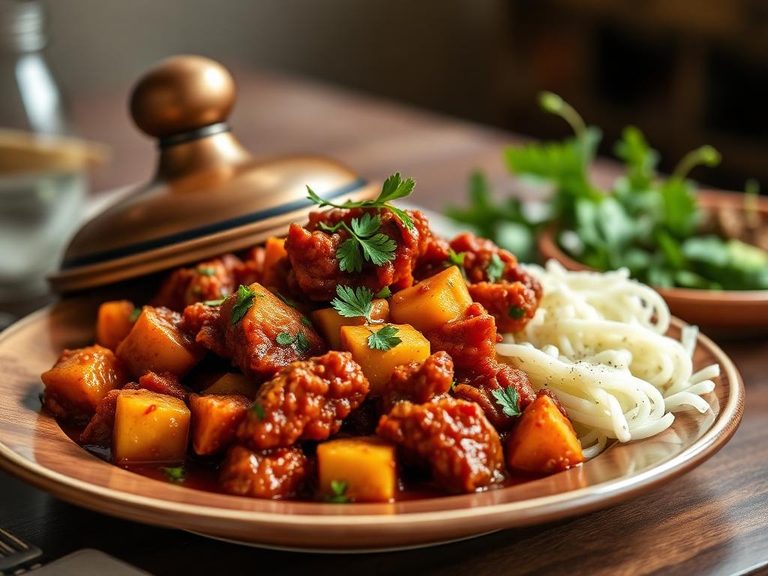
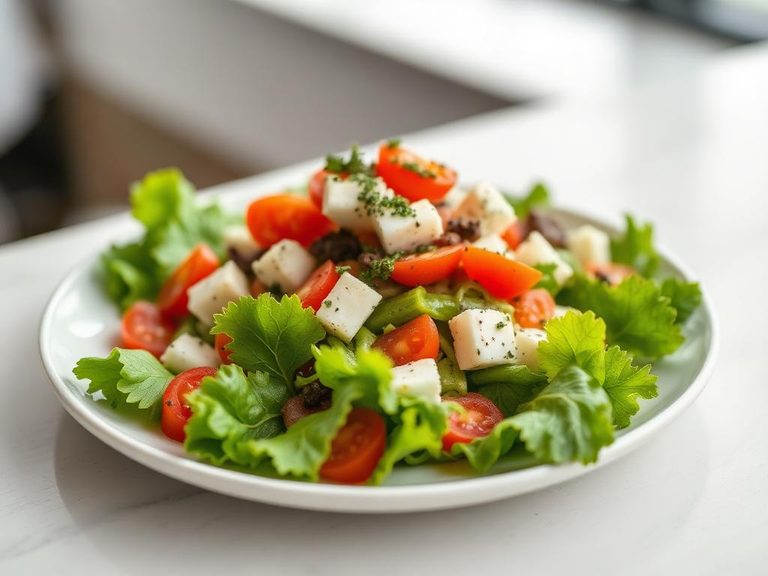
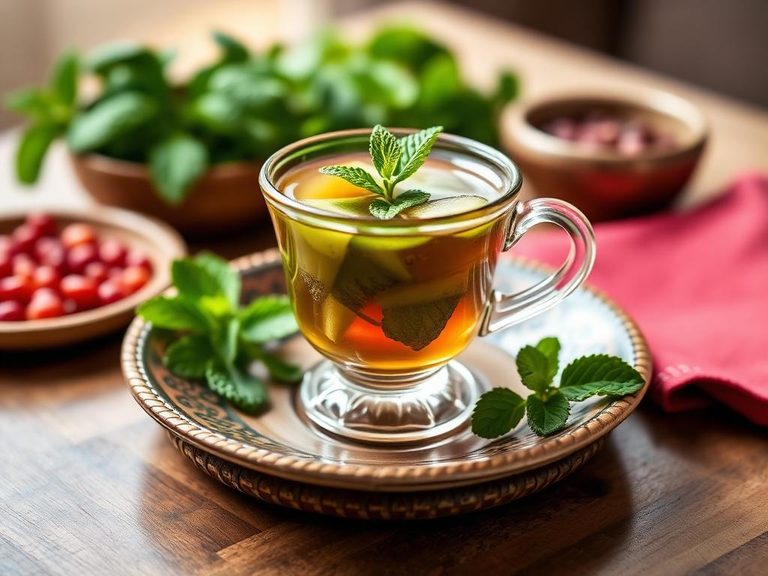
People love dried spearmint for its ability to add a refreshing, complex sweetness to both sweet and savory dishes without any sugar. Its versatility makes it a staple in global cuisines, from Moroccan tagines to Greek salads and herbal teas.
⚠️ Watch-outs & how to enjoy it better
The intense menthol flavor can be overpowering if used excessively, potentially causing a cooling sensation that some find unpleasant. For those with acid reflux or GERD, the menthol may relax the esophageal sphincter and worsen symptoms. **Tip:** Use it sparingly as a finishing herb, and pair it with fatty or starchy foods (like lamb or rice) to balance its sharpness.
Key benefits
- High in dietary fiber (29.8g per 100g) for digestive health.
- Good source of plant-based protein (19.93g per 100g).
- Contains antioxidants like rosmarinic acid.
- Low in fat and contains no sugar.
- Rich in vitamins A and C, as well as iron and calcium.
🍽️ Popular dishes
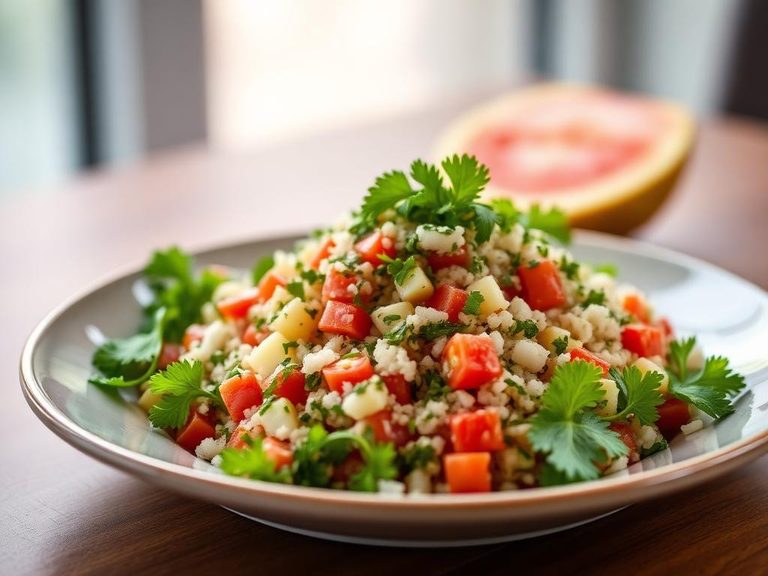
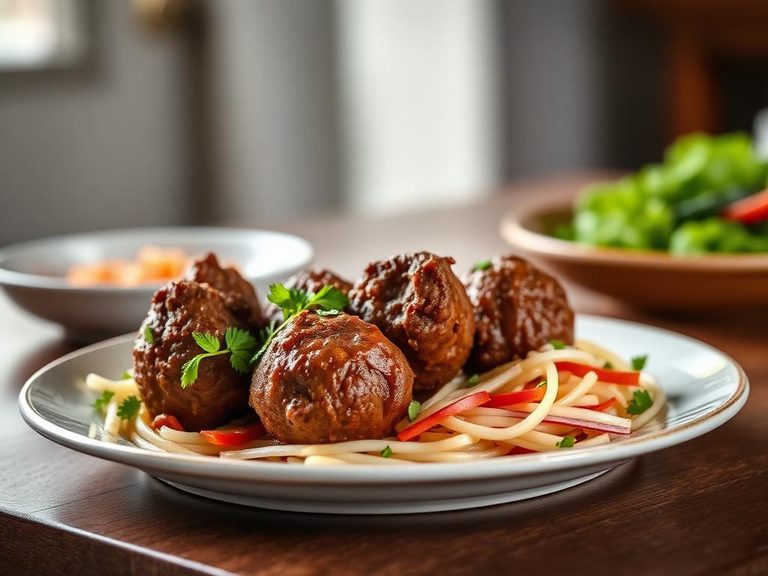
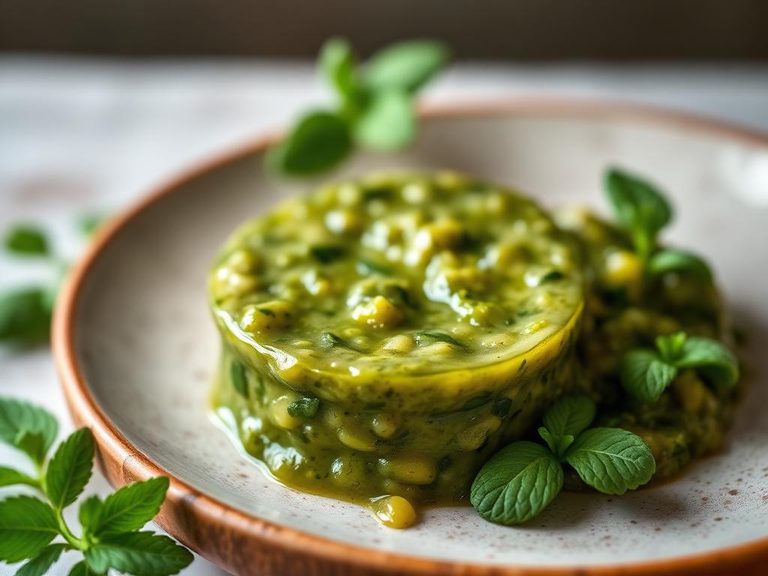
🌍 Where it's eaten
💡 Did you know?
Dried spearmint retains its essential oils so effectively that a single teaspoon of the dried herb can provide the flavor equivalent of a large handful of fresh leaves, making it a highly efficient pantry staple.
Full nutrition (USDA data · scales with serving)
| Water | 11.3 g |
| Energy | 285 kcal |
| Energy | 1192 kj |
| Protein | 19.9 g |
| Total lipid (fat) | 6.0 g |
| Ash | 10.7 g |
| Carbohydrate, by difference | 52.0 g |
| Fiber, total dietary | 29.8 g |
| Calcium, Ca | 1488 mg |
| Iron, Fe | 87.5 mg |
| Magnesium, Mg | 602 mg |
| Phosphorus, P | 276 mg |
| Potassium, K | 1924 mg |
| Sodium, Na | 344 mg |
| Zinc, Zn | 2.4 mg |
| Copper, Cu | 1.5 mg |
| Manganese, Mn | 11.5 mg |
| Vitamin C, total ascorbic acid | 0.00 mg |
| Thiamin | 0.29 mg |
| Riboflavin | 1.4 mg |
| Niacin | 6.6 mg |
| Pantothenic acid | 1.4 mg |
| Vitamin B-6 | 2.6 mg |
| Folate, total | 530 ug |
| Folic acid | 0.00 ug |
| Folate, food | 530 ug |
| Folate, DFE | 530 ug |
| Vitamin B-12 | 0.00 ug |
| Vitamin A, RAE | 529 ug |
| Retinol | 0.00 ug |
| Vitamin A, IU | 10579 iu |
| Vitamin D (D2 + D3), International Units | 0.00 iu |
| Vitamin D (D2 + D3) | 0.00 ug |
Fat & fatty acid profile (per 100g)
| Fatty acids, total saturated | 1.6 g |
| SFA 14:0 | 0.04 g |
| SFA 16:0 | 1.1 g |
| SFA 18:0 | 0.16 g |
| Fatty acids, total monounsaturated | 0.21 g |
| MUFA 16:1 | 0.02 g |
| MUFA 18:1 | 0.18 g |
| Fatty acids, total polyunsaturated | 3.3 g |
| PUFA 18:2 | 0.45 g |
| PUFA 18:3 | 2.8 g |
| Fatty acids, total trans | 0.00 g |
| Cholesterol | 0.00 mg |
| Phytosterols | 82.0 mg |
Amino acid profile (per 100g)
| Tryptophan | 0.31 g |
| Threonine | 0.82 g |
| Isoleucine | 0.82 g |
| Leucine | 1.5 g |
| Lysine | 0.86 g |
| Methionine | 0.28 g |
| Cystine | 0.22 g |
| Phenylalanine | 1.0 g |
| Tyrosine | 0.60 g |
| Valine | 0.99 g |
| Arginine | 0.92 g |
| Histidine | 0.40 g |
| Alanine | 1.0 g |
| Aspartic acid | 2.4 g |
| Glutamic acid | 2.2 g |
| Glycine | 0.96 g |
| Proline | 0.82 g |
| Serine | 0.78 g |
FAQ
Is dried spearmint as nutritious as fresh?
Drying concentrates the fiber, protein, and mineral content per gram, but some heat-sensitive vitamins like vitamin C may be reduced. The essential oils, however, are largely preserved.
How should I store dried spearmint?
Keep it in an airtight container in a cool, dark place. It will retain its potency for up to a year. Avoid storing it near strong spices, as it can absorb their odors.
Can I use dried spearmint in baking?
Yes, it's excellent in shortbread, cookies, and cakes. Its concentrated flavor means you can use less than fresh mint, and it won't add excess moisture to your batter.
Nutrient density (calculated · NRF9.3)
Nutrient Rich Foods index: beneficial nutrients (protein, fiber, vitamins, minerals) minus saturated fat, added sugar & sodium, per 100 kcal.
NRF9.3 index — Fulgoni, Keast & Drewnowski, 2009. Computed from USDA nutrients.
Weight-loss friendliness (composite index)
Energy density 2.85 kcal/g · 28% calories from protein · 29.8 g fiber · 0.0 g sugar per 100 g.
Composite of energy density (Rolls et al., 1999), protein & fiber satiety, minus sugar. A calculated heuristic — ranks satiety-per-calorie, not a clinical measure.
Dietary load (calculated from USDA values)
Potential renal acid load. Positive = acid-forming, negative = alkaline-forming.
Sodium-to-potassium ratio: 0.18 (lower is better — aim for ≤ 1)
Sodium:potassium per WHO potassium guidance. Computed from USDA nutrients.