

Seeds, sesame flour, low-fat
Whole food · Nut and Seed Products
Sesame flour is a fine, nutty powder made from defatted sesame seeds, resulting in a remarkably high-protein, low-fat ingredient with a dense, slightly gritty texture. Its flavor is intensely toasty and savory, far more concentrated than whole sesame seeds. Nutritionally, it's a powerhouse, packing over 50 grams of protein per 100g with minimal fat.
Calorie split: 56% protein · 40% carbs · 4% fat
↓ Full nutrition💚 Why it's loved
People love it for its powerful, toasty sesame essence that can transform batters, doughs, and sauces. It's a versatile staple in many cuisines, valued for boosting protein content and adding a rich, umami depth.
⚠️ Watch-outs & how to enjoy it better
Its intense flavor can be overpowering if used excessively, and its low-fat, high-fiber nature can make baked goods dry without careful recipe adjustment. As a sesame product, it is a common allergen; those with sesame allergies must avoid it entirely. To counteract dryness, pair it with moisture-rich ingredients like applesauce, yogurt, or eggs, and consider blending it with other flours.
Key benefits
- Exceptionally high in plant-based protein
- Very low in fat, especially saturated fat
- Good source of minerals like calcium, iron, and magnesium
- Provides a concentrated, nutty flavor without added oils
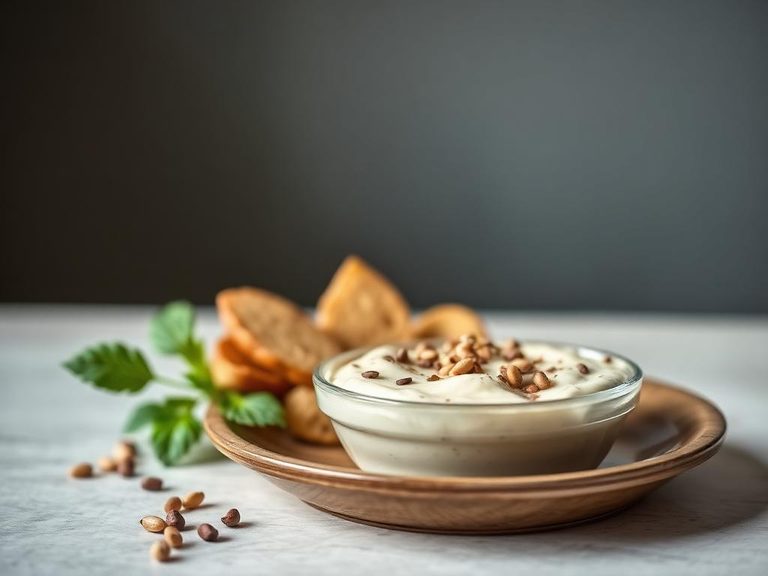
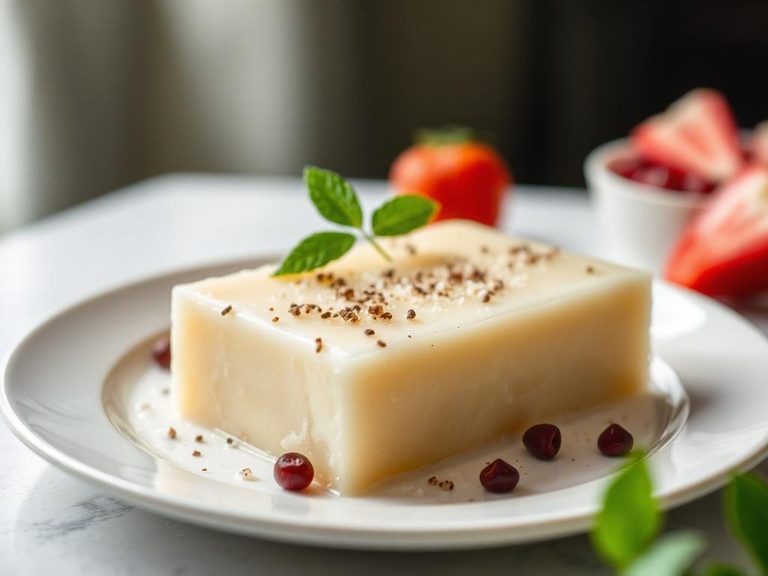
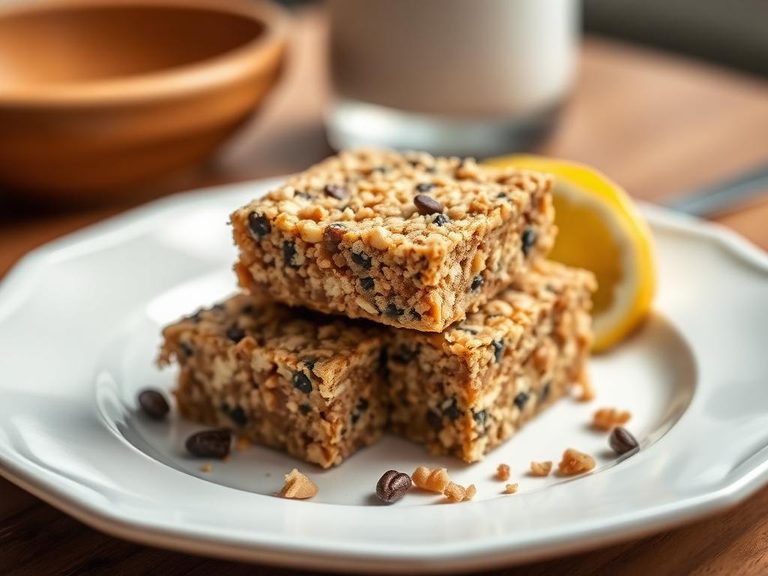
🍽️ Popular dishes



🌍 Where it's eaten
💡 Did you know?
The process of making sesame flour involves pressing the oil out of sesame seeds, a technique so ancient that sesame oil residue has been found in archaeological sites dating back to 3000 BCE.
Full nutrition (USDA data · scales with serving)
| Water | 7.1 g |
| Energy | 333 kcal |
| Energy | 1393 kj |
| Protein | 50.1 g |
| Total lipid (fat) | 1.8 g |
| Ash | 5.5 g |
| Carbohydrate, by difference | 35.5 g |
| Calcium, Ca | 149 mg |
| Iron, Fe | 14.2 mg |
| Magnesium, Mg | 338 mg |
| Phosphorus, P | 757 mg |
| Potassium, K | 397 mg |
| Sodium, Na | 39.0 mg |
| Zinc, Zn | 10.0 mg |
| Copper, Cu | 1.4 mg |
| Manganese, Mn | 1.4 mg |
| Vitamin C, total ascorbic acid | 0.00 mg |
| Thiamin | 2.5 mg |
| Riboflavin | 0.27 mg |
| Niacin | 12.5 mg |
| Pantothenic acid | 2.7 mg |
| Vitamin B-6 | 0.14 mg |
| Folate, total | 29.0 ug |
| Folic acid | 0.00 ug |
| Folate, food | 29.0 ug |
| Folate, DFE | 29.0 ug |
| Vitamin B-12 | 0.00 ug |
| Vitamin A, RAE | 3.0 ug |
| Retinol | 0.00 ug |
| Vitamin A, IU | 64.0 iu |
| Vitamin D (D2 + D3), International Units | 0.00 iu |
| Vitamin D (D2 + D3) | 0.00 ug |
Fat & fatty acid profile (per 100g)
| Fatty acids, total saturated | 0.20 g |
| SFA 14:0 | 0.00 g |
| SFA 16:0 | 0.13 g |
| SFA 18:0 | 0.06 g |
| Fatty acids, total monounsaturated | 0.54 g |
| MUFA 16:1 | 0.00 g |
| MUFA 18:1 | 0.54 g |
| MUFA 20:1 | 0.00 g |
| Fatty acids, total polyunsaturated | 0.63 g |
| PUFA 18:2 | 0.62 g |
| PUFA 18:3 | 0.01 g |
| Cholesterol | 0.00 mg |
Amino acid profile (per 100g)
| Tryptophan | 1.1 g |
| Threonine | 2.1 g |
| Isoleucine | 2.2 g |
| Leucine | 3.8 g |
| Lysine | 1.6 g |
| Methionine | 1.7 g |
| Cystine | 1.0 g |
| Phenylalanine | 2.7 g |
| Tyrosine | 2.1 g |
| Valine | 2.8 g |
| Arginine | 7.4 g |
| Histidine | 1.5 g |
| Alanine | 2.6 g |
| Aspartic acid | 4.7 g |
| Glutamic acid | 11.2 g |
| Glycine | 3.4 g |
| Proline | 2.3 g |
| Serine | 2.7 g |
FAQ
How is sesame flour different from tahini?
Sesame flour is the dry, defatted solids left after pressing sesame seeds for oil. Tahini is a paste made from the whole, ground seeds (including the oil). They have opposite textures and fat contents.
Can I use it as a 1:1 replacement for wheat flour?
No. Due to its high protein and lack of gluten, it cannot be used alone. It's best used as a nutritional booster, typically replacing 10-25% of the flour in a recipe to avoid a dense, crumbly result.
Is it suitable for a keto diet?
While very low in fat, its carbohydrate content (35g per 100g) is moderate. It's not a primary keto flour but can be used in small amounts for its protein and flavor within a low-carb framework.
Nutrient density (calculated · NRF9.3)
Nutrient Rich Foods index: beneficial nutrients (protein, fiber, vitamins, minerals) minus saturated fat, added sugar & sodium, per 100 kcal.
NRF9.3 index — Fulgoni, Keast & Drewnowski, 2009. Computed from USDA nutrients.
Weight-loss friendliness (composite index)
Energy density 3.33 kcal/g · 60% calories from protein · 0.0 g fiber · 0.0 g sugar per 100 g.
Composite of energy density (Rolls et al., 1999), protein & fiber satiety, minus sugar. A calculated heuristic — ranks satiety-per-calorie, not a clinical measure.
Dietary load (calculated from USDA values)
Potential renal acid load. Positive = acid-forming, negative = alkaline-forming.
Sodium-to-potassium ratio: 0.10 (lower is better — aim for ≤ 1)
Sodium:potassium per WHO potassium guidance. Computed from USDA nutrients.