

Pork, fresh, shoulder, whole, separable lean only, raw
Whole food · Pork Products

Photo: Wikipedia
This is a lean, raw cut from the pork shoulder, known for its robust, meaty flavor and a texture that transforms beautifully with slow cooking. Nutritionally, it's a powerhouse of high-quality protein with minimal fat, making it a staple for building muscle and maintaining a healthy diet. Its deep pink hue and fine marbling promise tenderness and rich taste once prepared.
Calorie split: 55% protein · 0% carbs · 45% fat
↓ Full nutrition💚 Why it's loved
People love it for its deep, savory pork flavor that acts as a perfect canvas for marinades and spices. Its versatility shines in everything from quick stir-fries to melt-in-your-mouth braises, making it a beloved choice in home cooking and diverse cuisines.
⚠️ Watch-outs & how to enjoy it better
As a raw cut, it requires proper handling to avoid foodborne illness and can be tough if overcooked or cooked too quickly. To counteract toughness, use slow, moist cooking methods like braising or stewing, and always ensure it's cooked to a safe internal temperature of 145°F (63°C).
Key benefits
- Excellent source of complete protein for muscle repair
- Very low in carbohydrates, suitable for keto and low-carb diets
- Rich in B vitamins, especially thiamine (B1) for energy metabolism
- Provides essential minerals like zinc and selenium
🍽️ Popular dishes

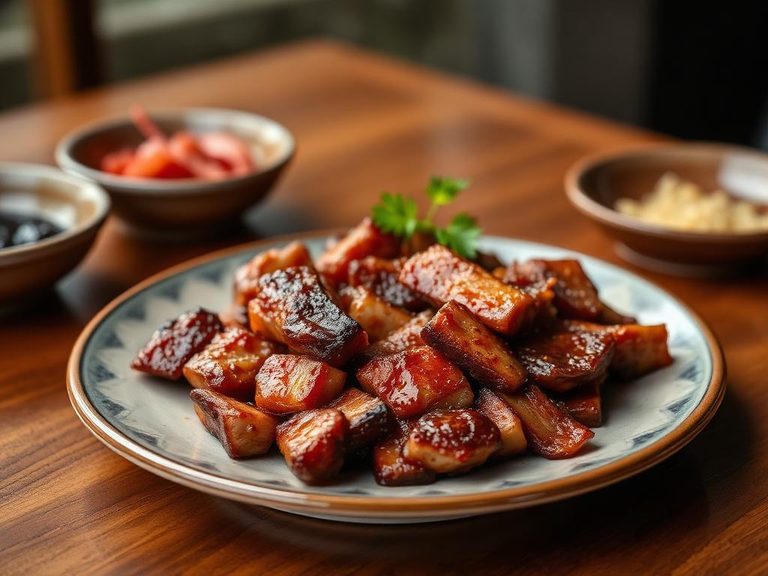
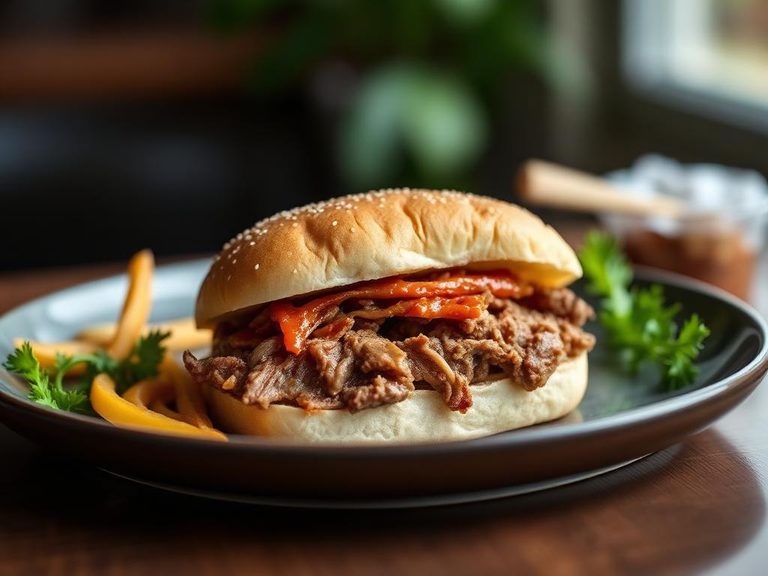
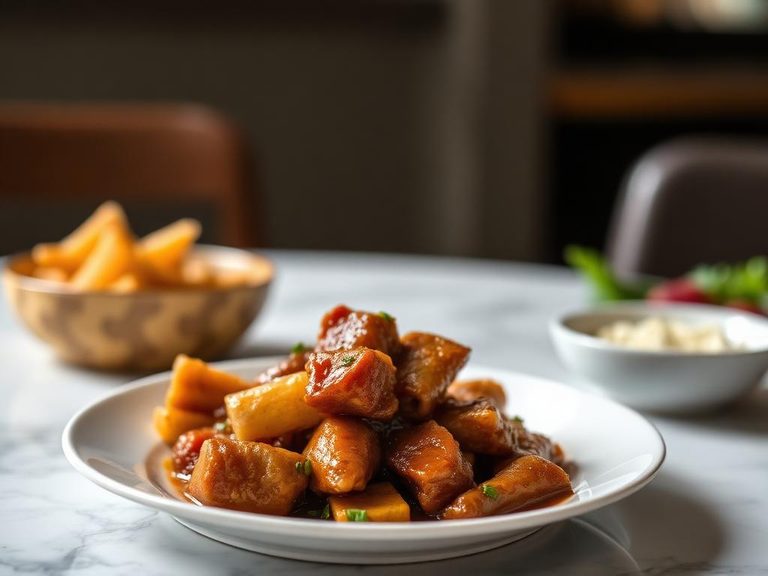
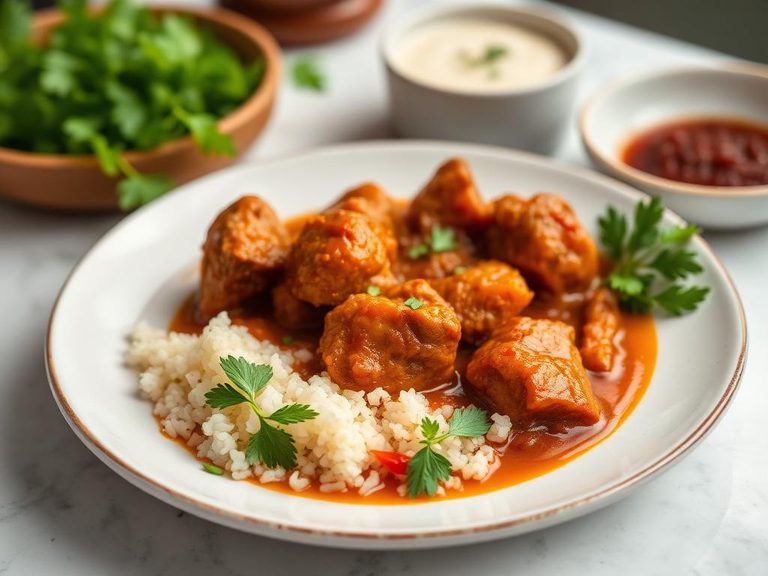
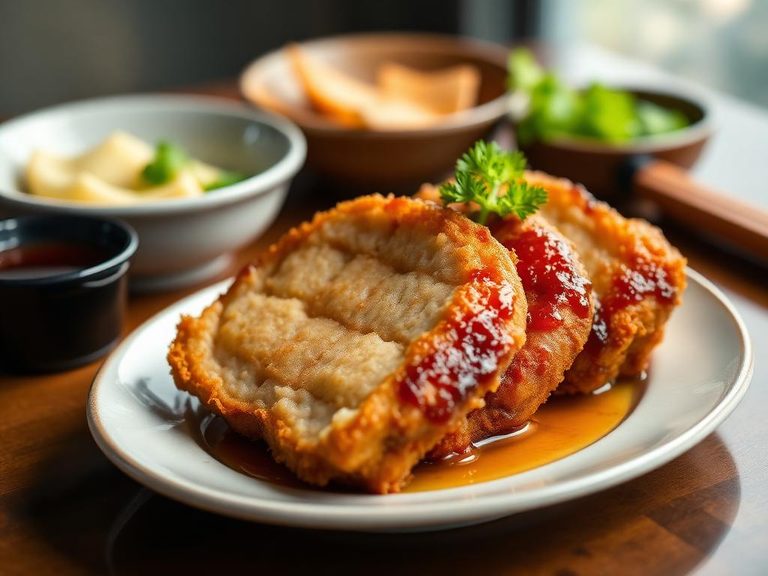
🌍 Where it's eaten
💡 Did you know?
The pork shoulder is anatomically divided into two main muscles: the 'picnic shoulder' (lower) and the 'Boston butt' (upper), which is the preferred cut for making authentic American pulled pork.
Full nutrition (USDA data · scales with serving)
| Water | 72.6 g |
| Energy | 148 kcal |
| Energy | 619 kj |
| Protein | 19.6 g |
| Total lipid (fat) | 7.1 g |
| Ash | 1.0 g |
| Carbohydrate, by difference | 0.00 g |
| Fiber, total dietary | 0.00 g |
| Calcium, Ca | 14.0 mg |
| Iron, Fe | 1.2 mg |
| Magnesium, Mg | 21.0 mg |
| Phosphorus, P | 202 mg |
| Potassium, K | 341 mg |
| Sodium, Na | 76.0 mg |
| Zinc, Zn | 3.1 mg |
| Copper, Cu | 0.10 mg |
| Manganese, Mn | 0.01 mg |
| Selenium, Se | 29.5 ug |
| Vitamin C, total ascorbic acid | 0.80 mg |
| Thiamin | 0.88 mg |
| Riboflavin | 0.31 mg |
| Niacin | 4.3 mg |
| Pantothenic acid | 0.82 mg |
| Vitamin B-6 | 0.41 mg |
| Folate, total | 5.0 ug |
| Folic acid | 0.00 ug |
| Folate, food | 5.0 ug |
| Folate, DFE | 5.0 ug |
| Vitamin B-12 | 0.84 ug |
| Vitamin A, RAE | 2.0 ug |
| Retinol | 2.0 ug |
| Vitamin A, IU | 6.0 iu |
Fat & fatty acid profile (per 100g)
| Fatty acids, total saturated | 2.5 g |
| SFA 10:0 | 0.01 g |
| SFA 12:0 | 0.01 g |
| SFA 14:0 | 0.09 g |
| SFA 16:0 | 1.6 g |
| SFA 18:0 | 0.77 g |
| Fatty acids, total monounsaturated | 3.2 g |
| MUFA 16:1 | 0.23 g |
| MUFA 18:1 | 2.9 g |
| MUFA 20:1 | 0.05 g |
| Fatty acids, total polyunsaturated | 0.77 g |
| PUFA 18:2 | 0.62 g |
| PUFA 18:3 | 0.03 g |
| PUFA 20:4 | 0.09 g |
| Cholesterol | 67.0 mg |
Amino acid profile (per 100g)
| Tryptophan | 0.25 g |
| Threonine | 0.89 g |
| Isoleucine | 0.92 g |
| Leucine | 1.6 g |
| Lysine | 1.8 g |
| Methionine | 0.52 g |
| Cystine | 0.25 g |
| Phenylalanine | 0.78 g |
| Tyrosine | 0.68 g |
| Valine | 1.1 g |
| Arginine | 1.2 g |
| Histidine | 0.78 g |
| Alanine | 1.1 g |
| Aspartic acid | 1.8 g |
| Glutamic acid | 3.1 g |
| Glycine | 0.93 g |
| Proline | 0.79 g |
| Serine | 0.81 g |
FAQ
What's the difference between pork shoulder and pork loin?
Pork shoulder (from the front leg) has more connective tissue and fat, making it ideal for slow cooking. Pork loin (from the back) is a very lean, tender cut best for quick cooking like roasting or grilling.
How can I tenderize this cut before cooking?
Marinating in acidic ingredients (like citrus or vinegar) or using a enzymatic tenderizer can help. For cooking, low-and-slow methods (braising, stewing) are key to breaking down collagen into gelatin for tenderness.
Is this a good cut for grilling?
It can be, but it's not the most forgiving. It's best when sliced into steaks, marinated well, and grilled quickly over high heat. Overcooking will make it tough. For a more foolproof grilled option, consider a tenderloin or loin chop.
Nutrient density (calculated · NRF9.3)
Nutrient Rich Foods index: beneficial nutrients (protein, fiber, vitamins, minerals) minus saturated fat, added sugar & sodium, per 100 kcal.
NRF9.3 index — Fulgoni, Keast & Drewnowski, 2009. Computed from USDA nutrients.
Weight-loss friendliness (composite index)
Energy density 1.48 kcal/g · 53% calories from protein · 0.0 g fiber · 0.0 g sugar per 100 g.
Composite of energy density (Rolls et al., 1999), protein & fiber satiety, minus sugar. A calculated heuristic — ranks satiety-per-calorie, not a clinical measure.
Dietary load (calculated from USDA values)
Potential renal acid load. Positive = acid-forming, negative = alkaline-forming.
Sodium-to-potassium ratio: 0.22 (lower is better — aim for ≤ 1)
Sodium:potassium per WHO potassium guidance. Computed from USDA nutrients.