

Peanuts, virginia, oil-roasted, with salt
Whole food · Legumes and Legume Products
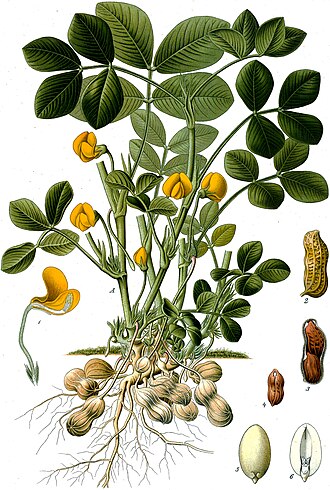
Photo: Wikipedia
These are whole Virginia peanuts, roasted in oil until golden and lightly salted, delivering a satisfying crunch and a rich, nutty, slightly sweet flavor. Nutritionally dense, they are a powerhouse of plant-based protein and heart-healthy monounsaturated fats, providing sustained energy. Their high calorie density makes them a potent snack in small portions.
Calorie split: 17% protein · 13% carbs · 71% fat
↓ Full nutrition💚 Why it's loved
People adore them for their addictive combination of savory salt, roasted depth, and satisfying crunch, making them a go-to snack for everything from movie nights to sports games. Their versatility allows them to be enjoyed straight from the bag, crushed as a topping, or incorporated into both sweet and savory dishes worldwide.
⚠️ Watch-outs & how to enjoy it better
The primary downsides are their high calorie density, which can lead to overconsumption, and the added sodium from salt, which may be a concern for those monitoring blood pressure. As a major common allergen, they are strictly avoided by individuals with peanut allergies. To mitigate, practice strict portion control (e.g., a single handful), choose unsalted versions when possible, and always check labels for allergen warnings.
Key benefits
- Excellent source of plant-based protein (25.87g per 100g)
- Rich in heart-healthy monounsaturated fats
- Provides dietary fiber (8.9g per 100g) for digestive health
- Good source of essential minerals like magnesium and potassium
- Offers a quick, energy-dense snack for active lifestyles
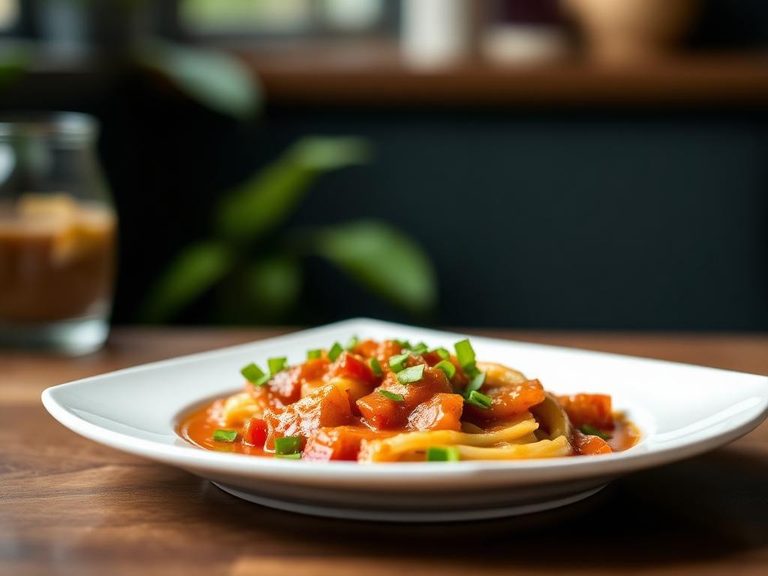
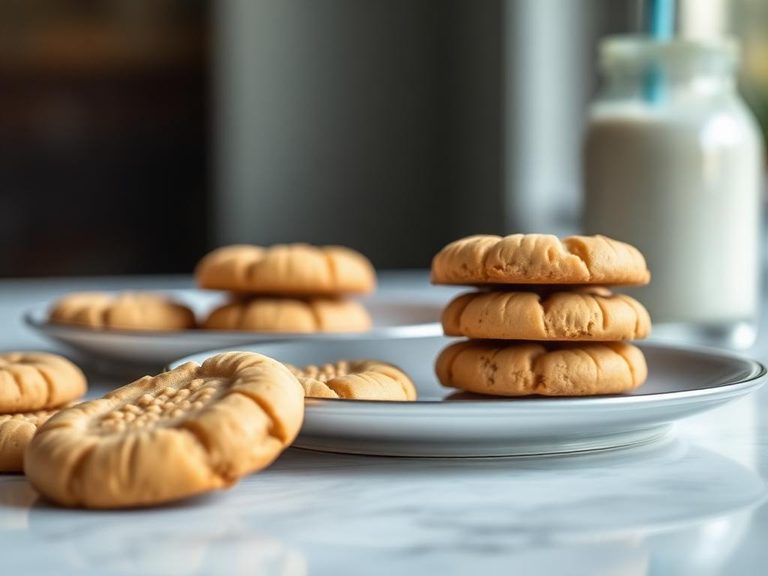
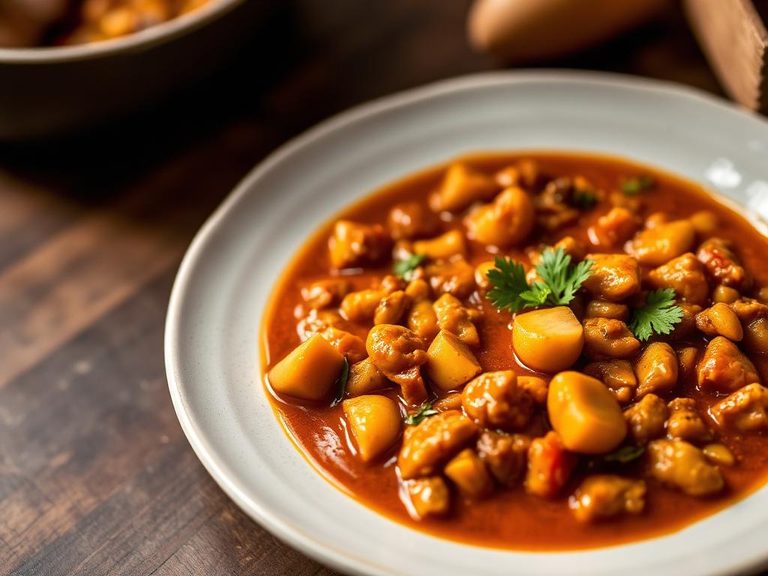
🍽️ Popular dishes
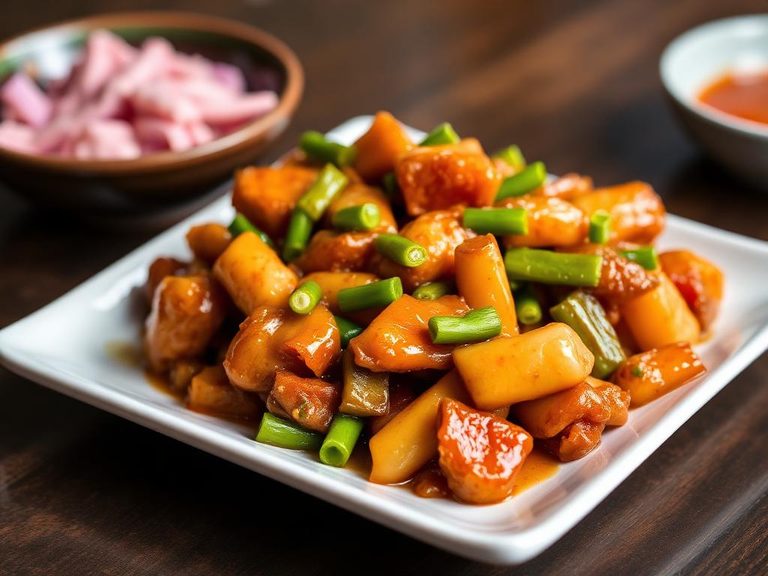
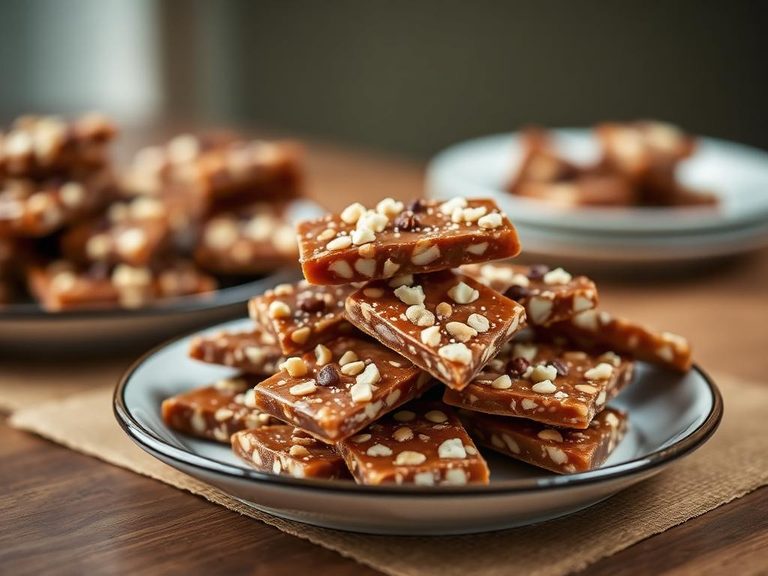
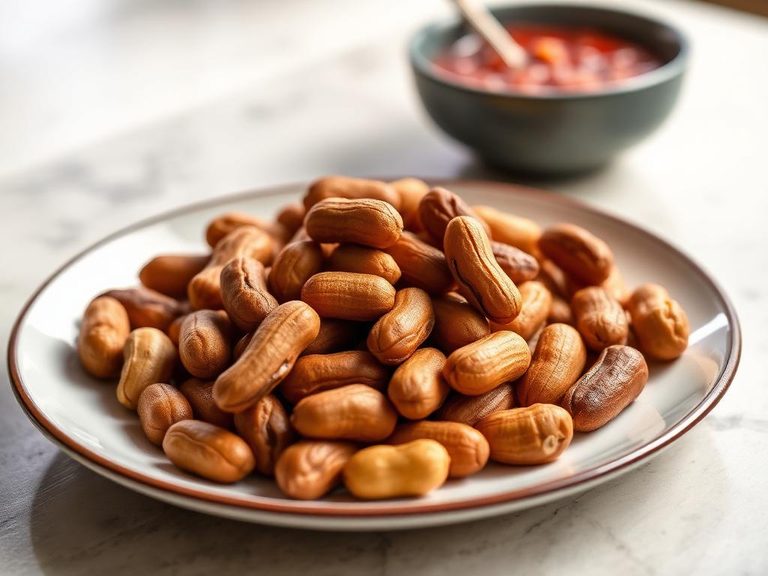
🌍 Where it's eaten
💡 Did you know?
The Virginia peanut, also known as the 'ballpark peanut,' is the largest of the four main peanut types and is prized for its uniform size and shape, making it ideal for roasting in the shell.
Full nutrition (USDA data · scales with serving)
| Water | 2.2 g |
| Energy | 578 kcal |
| Energy | 2418 kj |
| Protein | 25.9 g |
| Total lipid (fat) | 48.6 g |
| Ash | 3.5 g |
| Carbohydrate, by difference | 19.9 g |
| Fiber, total dietary | 8.9 g |
| Calcium, Ca | 86.0 mg |
| Iron, Fe | 1.7 mg |
| Magnesium, Mg | 188 mg |
| Phosphorus, P | 506 mg |
| Potassium, K | 652 mg |
| Sodium, Na | 433 mg |
| Zinc, Zn | 6.6 mg |
| Copper, Cu | 1.3 mg |
| Manganese, Mn | 2.0 mg |
| Selenium, Se | 7.5 ug |
| Vitamin C, total ascorbic acid | 0.00 mg |
| Thiamin | 0.28 mg |
| Riboflavin | 0.11 mg |
| Niacin | 14.7 mg |
| Pantothenic acid | 1.4 mg |
| Vitamin B-6 | 0.25 mg |
| Folate, total | 125 ug |
| Folic acid | 0.00 ug |
| Folate, food | 125 ug |
| Folate, DFE | 125 ug |
| Vitamin B-12 | 0.00 ug |
| Vitamin A, RAE | 0.00 ug |
| Retinol | 0.00 ug |
| Vitamin A, IU | 0.00 iu |
| Vitamin D (D2 + D3), International Units | 0.00 iu |
| Vitamin D (D2 + D3) | 0.00 ug |
Fat & fatty acid profile (per 100g)
| Fatty acids, total saturated | 6.3 g |
| SFA 14:0 | 0.01 g |
| SFA 16:0 | 4.5 g |
| SFA 18:0 | 1.1 g |
| Fatty acids, total monounsaturated | 25.2 g |
| MUFA 16:1 | 0.05 g |
| MUFA 18:1 | 24.6 g |
| MUFA 20:1 | 0.54 g |
| Fatty acids, total polyunsaturated | 14.7 g |
| PUFA 18:2 | 14.6 g |
| PUFA 18:3 | 0.02 g |
| Cholesterol | 0.00 mg |
Amino acid profile (per 100g)
| Tryptophan | 0.25 g |
| Threonine | 0.89 g |
| Isoleucine | 0.91 g |
| Leucine | 1.7 g |
| Lysine | 0.93 g |
| Methionine | 0.32 g |
| Cystine | 0.33 g |
| Phenylalanine | 1.3 g |
| Tyrosine | 1.1 g |
| Valine | 1.1 g |
| Arginine | 3.1 g |
| Histidine | 0.65 g |
| Alanine | 1.0 g |
| Aspartic acid | 3.2 g |
| Glutamic acid | 5.4 g |
| Glycine | 1.6 g |
| Proline | 1.1 g |
| Serine | 1.3 g |
FAQ
Are oil-roasted peanuts healthier than dry-roasted?
The difference is minimal. Oil-roasting adds a small amount of fat (and calories) but can enhance texture and flavor. Dry-roasting uses no added oil. Both are nutritious; the choice often comes down to taste preference and specific brand formulations.
Why are Virginia peanuts good for snacking?
Their large size makes them easy to handle, and their high protein and fat content promotes satiety, helping to curb hunger between meals. The satisfying crunch and savory flavor also make them a psychologically rewarding snack.
How should I store them to maintain freshness?
Store in an airtight container in a cool, dark place like a pantry for up to a month. For longer storage (up to 6 months), refrigerate or freeze them. This prevents the natural oils from going rancid.
Nutrient density (calculated · NRF9.3)
Nutrient Rich Foods index: beneficial nutrients (protein, fiber, vitamins, minerals) minus saturated fat, added sugar & sodium, per 100 kcal.
NRF9.3 index — Fulgoni, Keast & Drewnowski, 2009. Computed from USDA nutrients.
Weight-loss friendliness (composite index)
Energy density 5.78 kcal/g · 18% calories from protein · 8.9 g fiber · 0.0 g sugar per 100 g.
Composite of energy density (Rolls et al., 1999), protein & fiber satiety, minus sugar. A calculated heuristic — ranks satiety-per-calorie, not a clinical measure.
Dietary load (calculated from USDA values)
Potential renal acid load. Positive = acid-forming, negative = alkaline-forming.
Sodium-to-potassium ratio: 0.66 (lower is better — aim for ≤ 1)
Sodium:potassium per WHO potassium guidance. Computed from USDA nutrients.