

Oranges, raw, California, valencias
Whole food · Fruits and Fruit Juices

Photo: Wikipedia
The California Valencia orange is the quintessential juicing orange, prized for its vibrant, deep-orange flesh and perfectly balanced sweet-tart flavor. Unlike its navel cousin, its thin, smooth skin and minimal internal membranes yield a supremely juicy, seed-filled interior. Nutritionally, it's a standout source of vitamin C and provides a good dose of fiber with a relatively low calorie count.
Calorie split: 8% protein · 87% carbs · 5% fat
↓ Full nutrition💚 Why it's loved
People adore Valencias for their unmatched juiciness and bright, complex citrus flavor that's neither too sweet nor too sour. Their versatility makes them a kitchen staple—perfect for fresh-squeezed juice, zesty marinades, and vibrant desserts.
⚠️ Watch-outs & how to enjoy it better
Valencia oranges are high in natural sugars, which can cause blood sugar spikes if consumed in large quantities, especially for those with insulin sensitivity. To mitigate this, pair them with a source of protein or healthy fat (like nuts or yogurt) and practice portion control. Their acidity can also erode tooth enamel; rinsing your mouth with water after eating can help.
Key benefits
- Excellent source of immune-supporting vitamin C
- Provides dietary fiber for digestive health
- Low in fat and a good source of potassium
- Contains beneficial plant compounds like flavonoids
- Hydrating due to high water content
🍽️ Popular dishes

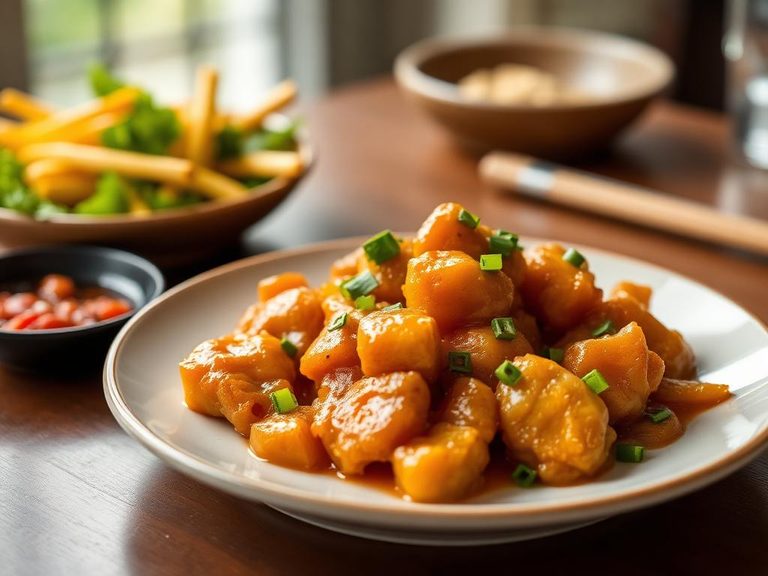
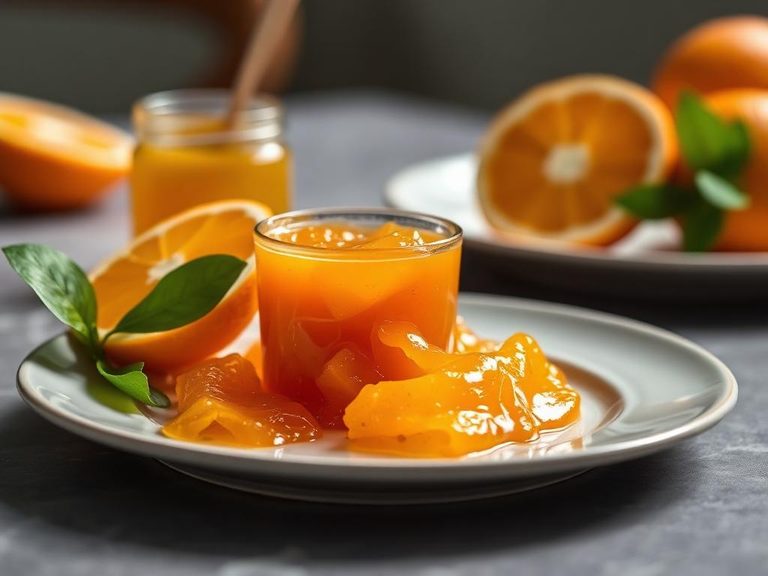
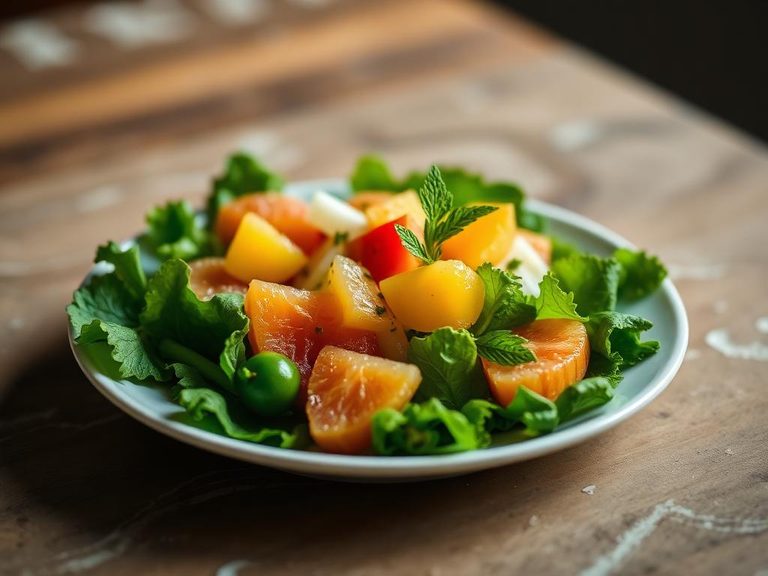

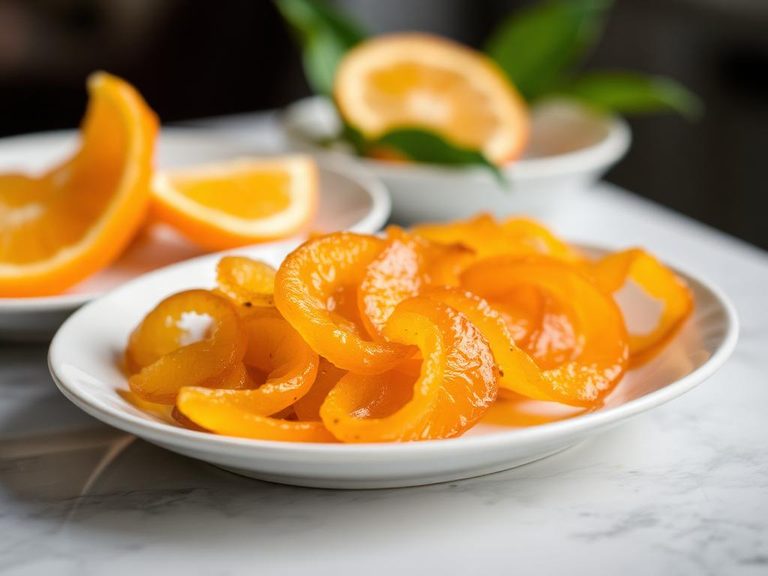
🌍 Where it's eaten
💡 Did you know?
The 'Valencia' orange is named after Valencia, Spain, but it was actually developed in California in the 1880s and became the state's signature juicing orange.
Full nutrition (USDA data · scales with serving)
| Water | 86.3 g |
| Energy | 49.0 kcal |
| Energy | 205 kj |
| Protein | 1.0 g |
| Total lipid (fat) | 0.30 g |
| Ash | 0.42 g |
| Carbohydrate, by difference | 11.9 g |
| Fiber, total dietary | 2.5 g |
| Calcium, Ca | 40.0 mg |
| Iron, Fe | 0.09 mg |
| Magnesium, Mg | 10.0 mg |
| Phosphorus, P | 17.0 mg |
| Potassium, K | 179 mg |
| Sodium, Na | 0.00 mg |
| Zinc, Zn | 0.06 mg |
| Copper, Cu | 0.04 mg |
| Manganese, Mn | 0.02 mg |
| Vitamin C, total ascorbic acid | 48.5 mg |
| Thiamin | 0.09 mg |
| Riboflavin | 0.04 mg |
| Niacin | 0.27 mg |
| Pantothenic acid | 0.25 mg |
| Vitamin B-6 | 0.06 mg |
| Folate, total | 39.0 ug |
| Folic acid | 0.00 ug |
| Folate, food | 39.0 ug |
| Folate, DFE | 39.0 ug |
| Vitamin B-12 | 0.00 ug |
| Vitamin A, RAE | 12.0 ug |
| Retinol | 0.00 ug |
| Vitamin A, IU | 230 iu |
| Vitamin D (D2 + D3), International Units | 0.00 iu |
| Vitamin D (D2 + D3) | 0.00 ug |
Fat & fatty acid profile (per 100g)
| Fatty acids, total saturated | 0.04 g |
| SFA 12:0 | 0.00 g |
| SFA 14:0 | 0.00 g |
| SFA 16:0 | 0.03 g |
| SFA 18:0 | 0.00 g |
| Fatty acids, total monounsaturated | 0.06 g |
| MUFA 16:1 | 0.01 g |
| MUFA 18:1 | 0.05 g |
| Fatty acids, total polyunsaturated | 0.06 g |
| PUFA 18:2 | 0.04 g |
| PUFA 18:3 | 0.02 g |
| Fatty acids, total trans | 0.00 g |
| Cholesterol | 0.00 mg |
Amino acid profile (per 100g)
| Tryptophan | 0.01 g |
| Threonine | 0.02 g |
| Isoleucine | 0.03 g |
| Leucine | 0.03 g |
| Lysine | 0.05 g |
| Methionine | 0.02 g |
| Cystine | 0.01 g |
| Phenylalanine | 0.03 g |
| Tyrosine | 0.02 g |
| Valine | 0.04 g |
| Arginine | 0.07 g |
| Histidine | 0.02 g |
| Alanine | 0.06 g |
| Aspartic acid | 0.13 g |
| Glutamic acid | 0.10 g |
| Glycine | 0.10 g |
| Proline | 0.05 g |
| Serine | 0.04 g |
FAQ
What's the difference between a Valencia and a Navel orange?
Valencias are thinner-skinned, juicier, and contain seeds, making them ideal for juicing. Navels are thicker-skinned, easier to peel, seedless, and have a secondary fruit at the blossom end, making them better for eating out of hand.
Why do some Valencia oranges turn green?
This is called 'regreening.' In warm climates like California, mature oranges can reabsorb chlorophyll from the tree if left unharvested, turning the peel green again without affecting the ripe, sweet flavor inside.
How should I store Valencia oranges?
For short-term use (a week), store them at room temperature away from direct sunlight. For longer storage (up to 3 weeks), keep them in the crisper drawer of your refrigerator to maintain freshness and juiciness.
Nutrient density (calculated · NRF9.3)
Nutrient Rich Foods index: beneficial nutrients (protein, fiber, vitamins, minerals) minus saturated fat, added sugar & sodium, per 100 kcal.
NRF9.3 index — Fulgoni, Keast & Drewnowski, 2009. Computed from USDA nutrients.
Weight-loss friendliness (composite index)
Energy density 0.49 kcal/g · 8% calories from protein · 2.5 g fiber · 0.0 g sugar per 100 g.
Composite of energy density (Rolls et al., 1999), protein & fiber satiety, minus sugar. A calculated heuristic — ranks satiety-per-calorie, not a clinical measure.
Dietary load (calculated from USDA values)
Potential renal acid load. Positive = acid-forming, negative = alkaline-forming.
Sodium-to-potassium ratio: 0.00 (lower is better — aim for ≤ 1)
Sodium:potassium per WHO potassium guidance. Computed from USDA nutrients.