

Moose, meat, raw (Alaska Native)
Whole food · American Indian/Alaska Native Foods

Photo: Wikipedia
Moose meat is a lean, deep-red game meat with a rich, slightly sweet flavor and a dense, fine-grained texture similar to venison but often milder. It's exceptionally high in protein while being very low in fat, making it a powerhouse for muscle maintenance and a staple for subsistence cultures in the far north.
Calorie split: 87% protein · 0% carbs · 13% fat
↓ Full nutrition💚 Why it's loved
People cherish moose meat for its clean, robust flavor that tastes of the boreal forest, and its incredible versatility in everything from slow-cooked stews to seared steaks. It holds deep cultural significance for Alaska Native and First Nations communities as a vital source of sustenance and tradition.
⚠️ Watch-outs & how to enjoy it better
Its extreme leanness means it can become tough and dry if overcooked, requiring careful preparation. Those not accustomed to game meats may find its flavor stronger than commercial beef. To counteract dryness, use moist-heat cooking methods like braising or stews, or marinate and cook to a medium-rare doneness.
Key benefits
- Exceptionally high in protein for muscle repair and sativery.
- Very low in fat, particularly saturated fat.
- Rich in iron, zinc, and B vitamins like B12 and niacin.
- A sustainable, wild-harvested protein source.
- Naturally free from antibiotics and added hormones.
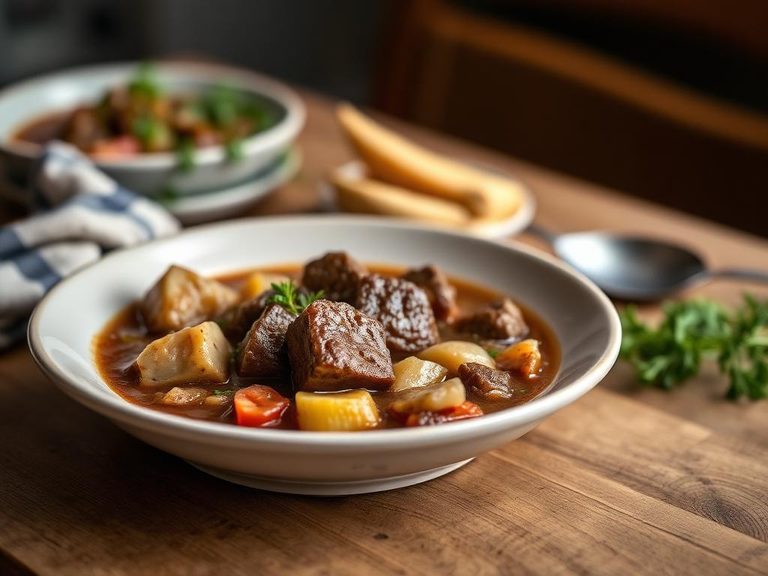
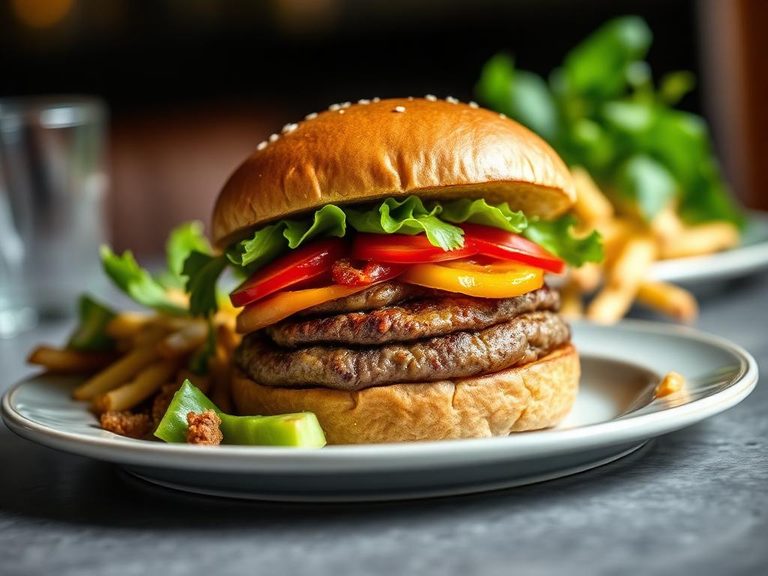
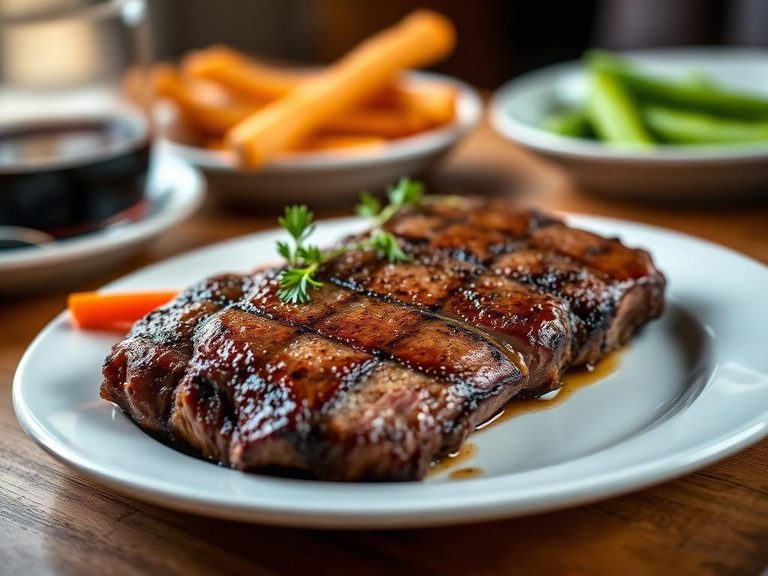
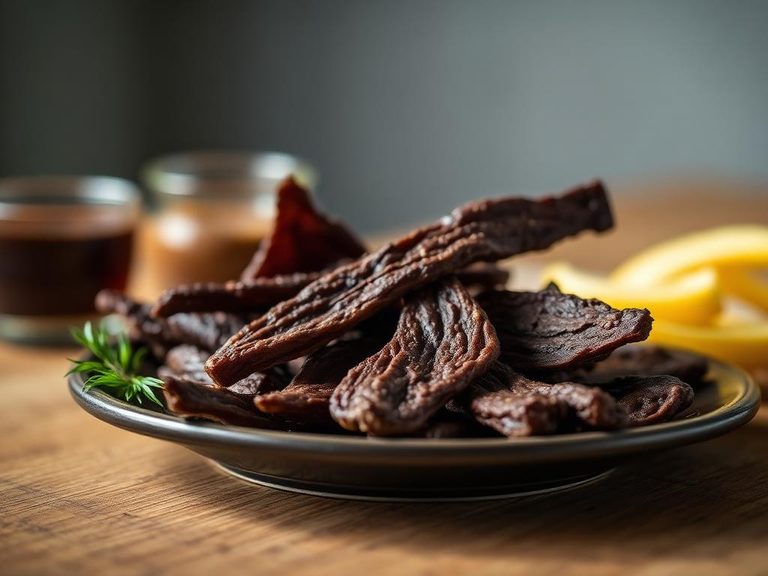
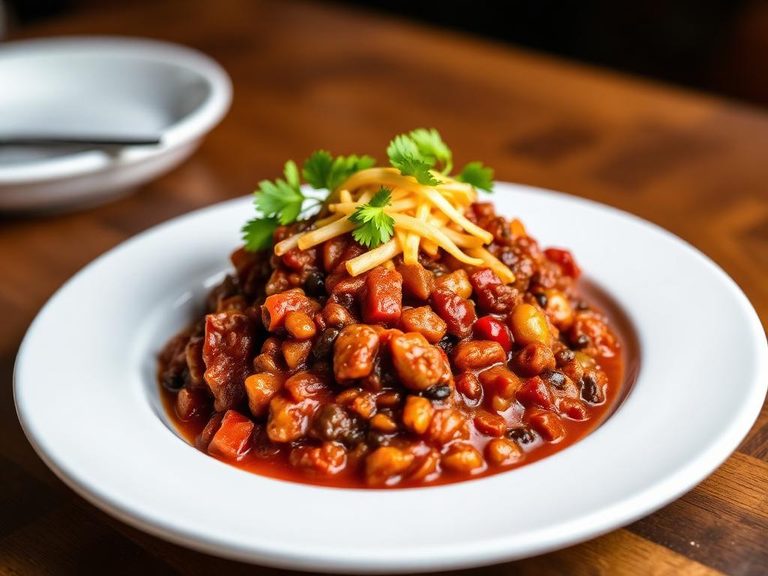
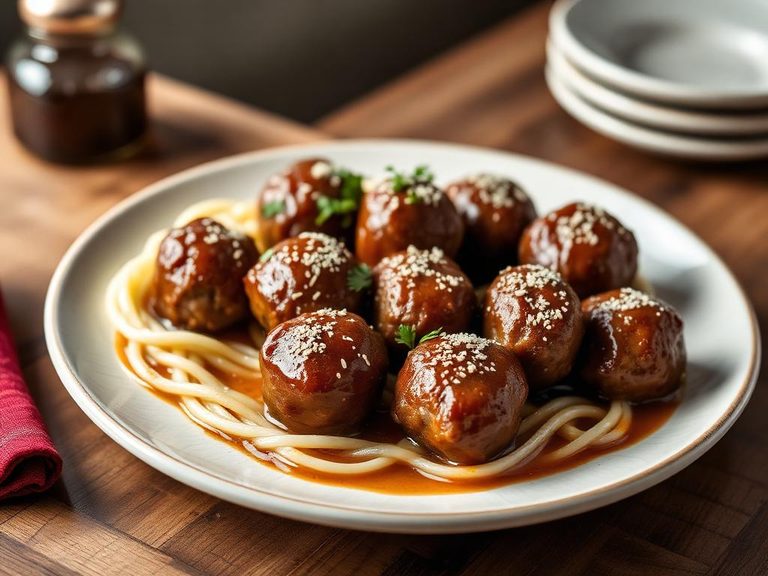
🍽️ Popular dishes
🌍 Where it's eaten
💡 Did you know?
A single adult bull moose can yield over 300 pounds of boneless meat, enough to feed a family for a year.
Full nutrition (USDA data · scales with serving)
| Water | 74.8 g |
| Energy | 103 kcal |
| Energy | 430 kj |
| Protein | 22.3 g |
| Total lipid (fat) | 1.5 g |
| Ash | 1.4 g |
| Carbohydrate, by difference | 0.00 g |
| Fiber, total dietary | 0.00 g |
| Total Sugars | 0.00 g |
| Sucrose | 0.00 g |
| Glucose | 0.00 g |
| Fructose | 0.00 g |
| Lactose | 0.00 g |
| Maltose | 0.00 g |
| Galactose | 0.00 g |
| Starch | 0.00 g |
| Calcium, Ca | 5.0 mg |
| Iron, Fe | 3.3 mg |
| Magnesium, Mg | 23.0 mg |
| Phosphorus, P | 165 mg |
| Potassium, K | 317 mg |
| Sodium, Na | 65.0 mg |
| Zinc, Zn | 2.8 mg |
| Copper, Cu | 0.07 mg |
| Manganese, Mn | 0.01 mg |
| Vitamin C, total ascorbic acid | 4.0 mg |
| Thiamin | 0.07 mg |
| Riboflavin | 0.24 mg |
| Niacin | 5.0 mg |
| Vitamin A, RAE | 0.00 ug |
| Retinol | 0.00 ug |
| Carotene, beta | 0.00 ug |
| Carotene, alpha | 0.00 ug |
| Cryptoxanthin, beta | 0.00 ug |
| Vitamin A, IU | 0.00 iu |
| Lycopene | 0.00 ug |
| Lutein + zeaxanthin | 0.00 ug |
| Alcohol, ethyl | 0.00 g |
| Caffeine | 0.00 mg |
| Theobromine | 0.00 mg |
Fat & fatty acid profile (per 100g)
| Fatty acids, total saturated | 0.22 g |
| Fatty acids, total monounsaturated | 0.15 g |
| Fatty acids, total polyunsaturated | 1.2 g |
| PUFA 18:2 | 0.40 g |
| PUFA 18:3 | 0.80 g |
| Cholesterol | 54.0 mg |
Amino acid profile (per 100g)
Estimated from Game meat, moose, raw — USDA does not publish this profile for Moose.
| Threonine | 1.0 g |
| Isoleucine | 1.1 g |
| Leucine | 2.0 g |
| Lysine | 2.0 g |
| Methionine | 0.57 g |
| Phenylalanine | 0.96 g |
| Tyrosine | 0.82 g |
| Valine | 1.2 g |
| Arginine | 1.4 g |
| Histidine | 0.75 g |
| Alanine | 1.3 g |
| Aspartic acid | 2.1 g |
| Glutamic acid | 3.6 g |
| Glycine | 0.97 g |
| Proline | 0.90 g |
| Serine | 0.80 g |
FAQ
How does moose meat taste compared to beef?
Moose meat is leaner and has a richer, slightly sweeter, and more complex 'gamey' flavor than beef, often described as tasting of the herbs and plants the animal foraged.
What's the best way to cook moose to keep it tender?
Due to its low fat content, it's best cooked quickly to medium-rare for steaks, or low and slow in liquid for tougher cuts like those used in stews and roasts.
Is moose meat safe to eat?
Yes, when properly handled and cooked to a safe internal temperature of 160°F (71°C) to eliminate any potential pathogens, as with all wild game.
Nutrient density (calculated · NRF9.3)
Nutrient Rich Foods index: beneficial nutrients (protein, fiber, vitamins, minerals) minus saturated fat, added sugar & sodium, per 100 kcal.
NRF9.3 index — Fulgoni, Keast & Drewnowski, 2009. Computed from USDA nutrients.
Weight-loss friendliness (composite index)
Energy density 1.03 kcal/g · 87% calories from protein · 0.0 g fiber · 0.0 g sugar per 100 g.
Composite of energy density (Rolls et al., 1999), protein & fiber satiety, minus sugar. A calculated heuristic — ranks satiety-per-calorie, not a clinical measure.
Dietary load (calculated from USDA values)
Potential renal acid load. Positive = acid-forming, negative = alkaline-forming.
Sodium-to-potassium ratio: 0.21 (lower is better — aim for ≤ 1)
Sodium:potassium per WHO potassium guidance. Computed from USDA nutrients.