

Milk, dry, nonfat, calcium reduced
Whole food · Dairy and Egg Products

Photo: Wikipedia
Milk, dry, nonfat, calcium reduced is a highly concentrated, shelf-stable powder made by removing water and some calcium from skim milk. It has a fine, free-flowing texture and a mild, slightly sweet dairy flavor that intensifies when reconstituted. Nutritionally, it is a protein powerhouse with minimal fat.
Calorie split: 40% protein · 59% carbs · 1% fat
↓ Full nutrition💚 Why it's loved
People love its incredible convenience and long shelf life, making it a reliable staple for baking, smoothies, and emergency food supplies. Its concentrated protein content is prized by athletes and those looking to add a nutritional boost without extra fat.
⚠️ Watch-outs & how to enjoy it better
The 'calcium reduced' aspect means it's not ideal for those specifically seeking high-calcium foods. It can have a slightly chalky or cooked flavor if not mixed well. As a milk product, it contains lactose and milk proteins, which are common allergens. To counteract the chalkiness, blend it thoroughly with liquid in a blender or shaker bottle. For those monitoring blood sugar, be aware it is a concentrated source of carbohydrates; pair it with healthy fats or fiber when used in meals.
Key benefits
- Extremely high in protein per calorie.
- Excellent source of calcium and phosphorus for bone health.
- Long shelf life without refrigeration.
- Low in fat and lactose compared to whole milk powder.
- Versatile ingredient for boosting nutrition in foods.
🍽️ Popular dishes
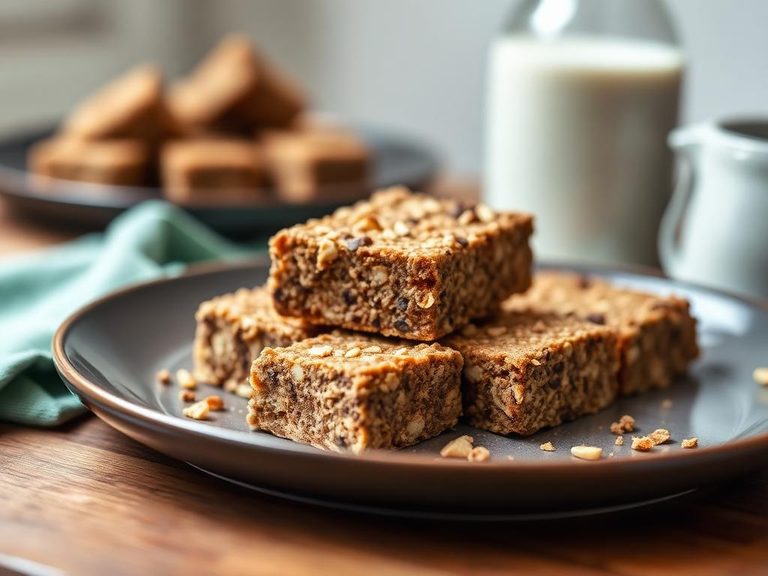


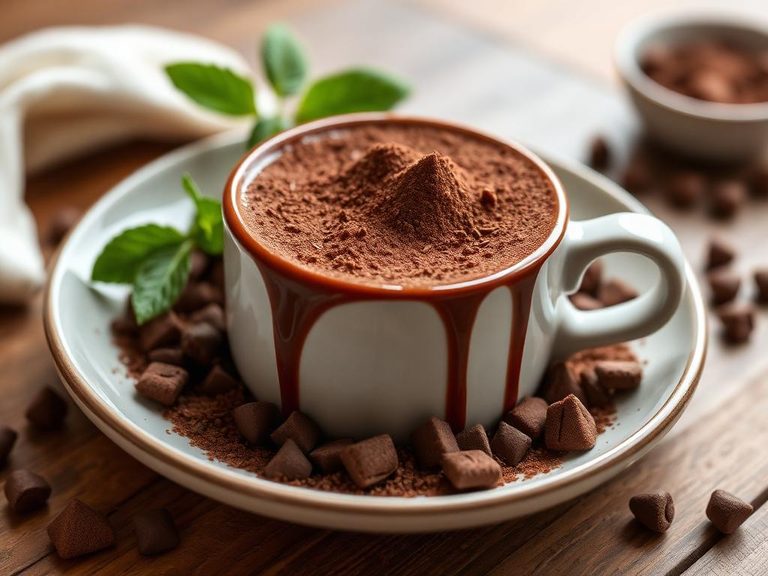

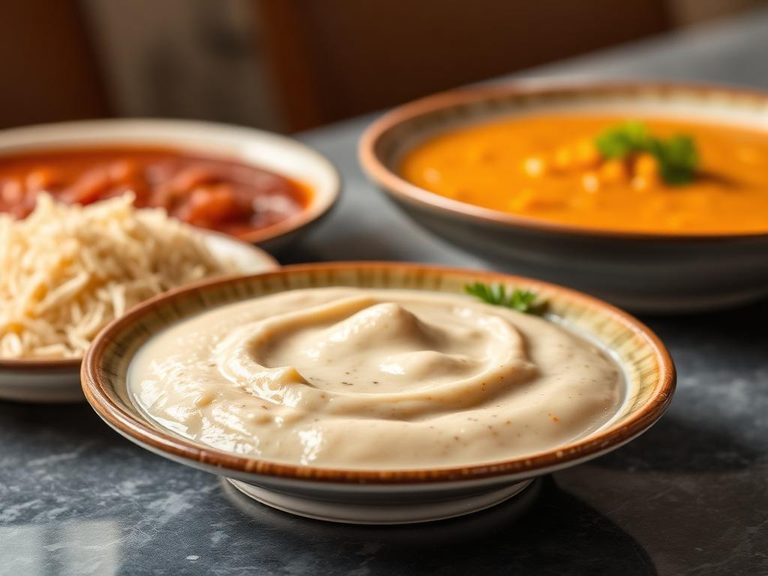
🌍 Where it's eaten
💡 Did you know?
The process of reducing calcium in nonfat dry milk often involves using ion-exchange resins, which allows manufacturers to create a product with specific mineral profiles for different food applications.
Full nutrition (USDA data · scales with serving)
| Water | 4.9 g |
| Energy | 354 kcal |
| Energy | 1480 kj |
| Protein | 35.5 g |
| Total lipid (fat) | 0.20 g |
| Ash | 7.6 g |
| Carbohydrate, by difference | 51.8 g |
| Fiber, total dietary | 0.00 g |
| Calcium, Ca | 280 mg |
| Iron, Fe | 0.32 mg |
| Magnesium, Mg | 60.0 mg |
| Phosphorus, P | 1011 mg |
| Potassium, K | 680 mg |
| Sodium, Na | 2280 mg |
| Zinc, Zn | 4.0 mg |
| Copper, Cu | 0.02 mg |
| Manganese, Mn | 0.01 mg |
| Selenium, Se | 27.3 ug |
| Vitamin C, total ascorbic acid | 6.7 mg |
| Thiamin | 0.16 mg |
| Riboflavin | 1.6 mg |
| Niacin | 0.67 mg |
| Pantothenic acid | 3.3 mg |
| Vitamin B-6 | 0.30 mg |
| Folate, total | 50.0 ug |
| Folic acid | 0.00 ug |
| Folate, food | 50.0 ug |
| Folate, DFE | 50.0 ug |
| Vitamin B-12 | 4.0 ug |
| Vitamin A, RAE | 2.0 ug |
| Retinol | 1.0 ug |
| Vitamin A, IU | 8.0 iu |
| Alcohol, ethyl | 0.00 g |
Fat & fatty acid profile (per 100g)
| Fatty acids, total saturated | 0.12 g |
| SFA 4:0 | 0.01 g |
| SFA 6:0 | 0.00 g |
| SFA 8:0 | 0.00 g |
| SFA 10:0 | 0.01 g |
| SFA 12:0 | 0.01 g |
| SFA 14:0 | 0.02 g |
| SFA 16:0 | 0.05 g |
| SFA 18:0 | 0.02 g |
| Fatty acids, total monounsaturated | 0.06 g |
| MUFA 16:1 | 0.00 g |
| MUFA 18:1 | 0.05 g |
| Fatty acids, total polyunsaturated | 0.01 g |
| PUFA 18:2 | 0.01 g |
| PUFA 18:3 | 0.00 g |
| PUFA 20:4 | 0.00 g |
| Cholesterol | 2.0 mg |
Amino acid profile (per 100g)
| Tryptophan | 0.50 g |
| Threonine | 1.6 g |
| Isoleucine | 2.1 g |
| Leucine | 3.5 g |
| Lysine | 2.8 g |
| Methionine | 0.89 g |
| Cystine | 0.33 g |
| Phenylalanine | 1.7 g |
| Tyrosine | 1.7 g |
| Valine | 2.4 g |
| Arginine | 1.3 g |
| Histidine | 0.96 g |
| Alanine | 1.2 g |
| Aspartic acid | 2.7 g |
| Glutamic acid | 7.4 g |
| Glycine | 0.75 g |
| Proline | 3.4 g |
| Serine | 1.9 g |
FAQ
How do I reconstitute it?
A common ratio is 1 part powder to 3-4 parts water by volume. For example, mix 1/4 cup powder with 3/4 to 1 cup cold water and shake or blend vigorously until smooth.
Can I use it in place of fresh milk in recipes?
Yes, but you need to reconstitute it first. Use the reconstituted milk as a 1:1 substitute for fresh milk in most baking and cooking recipes.
Why is it 'calcium reduced'?
The calcium content is intentionally lowered during processing, often for use in specific food products where high calcium could cause texture issues, like in certain cheeses or infant formulas.
Nutrient density (calculated · NRF9.3)
Nutrient Rich Foods index: beneficial nutrients (protein, fiber, vitamins, minerals) minus saturated fat, added sugar & sodium, per 100 kcal.
NRF9.3 index — Fulgoni, Keast & Drewnowski, 2009. Computed from USDA nutrients.
Weight-loss friendliness (composite index)
Energy density 3.54 kcal/g · 40% calories from protein · 0.0 g fiber · 0.0 g sugar per 100 g.
Composite of energy density (Rolls et al., 1999), protein & fiber satiety, minus sugar. A calculated heuristic — ranks satiety-per-calorie, not a clinical measure.
Dietary load (calculated from USDA values)
Potential renal acid load. Positive = acid-forming, negative = alkaline-forming.
Sodium-to-potassium ratio: 3.35 (lower is better — aim for ≤ 1)
Sodium:potassium per WHO potassium guidance. Computed from USDA nutrients.