

Lamb, shoulder, whole (arm and blade), separable lean only, trimmed to 1/4" fat, choice, cooked, braised
Whole food · Lamb, Veal, and Game Products
This is a cut of lamb shoulder, slow-cooked until tender, offering a rich, deeply savory flavor with a melt-in-your-mouth texture. The braising process renders the fat, resulting in a succulent, moist meat that is a powerhouse of protein. Nutritionally, it delivers a substantial 32.81g of protein per 100g with zero carbohydrates, making it ideal for high-protein, low-carb diets.
Calorie split: 48% protein · 0% carbs · 52% fat
↓ Full nutrition💚 Why it's loved
People cherish this cut for its profound, meaty flavor that develops beautifully through slow cooking, transforming tough connective tissue into gelatinous tenderness. Its versatility in hearty, comforting dishes—from stews to roasts—makes it a centerpiece of family meals and cultural traditions.
⚠️ Watch-outs & how to enjoy it better
The primary caution is its relatively high fat content (15.89g per 100g), which can be a concern for those monitoring saturated fat intake. To mitigate this, trim visible fat meticulously before cooking, and consider pairing it with fiber-rich vegetables or legumes to balance the meal. Those on sodium-restricted diets should be mindful of added salt in braising liquids or seasonings.
Key benefits
- Excellent source of high-quality protein for muscle maintenance and repair.
- Rich in bioavailable iron, supporting oxygen transport in the blood.
- Provides essential B vitamins, particularly B12, crucial for nerve function.
- Contains zinc, which is important for immune system health.
- Offers conjugated linoleic acid (CLA), a naturally occurring fatty acid.
🍽️ Popular dishes
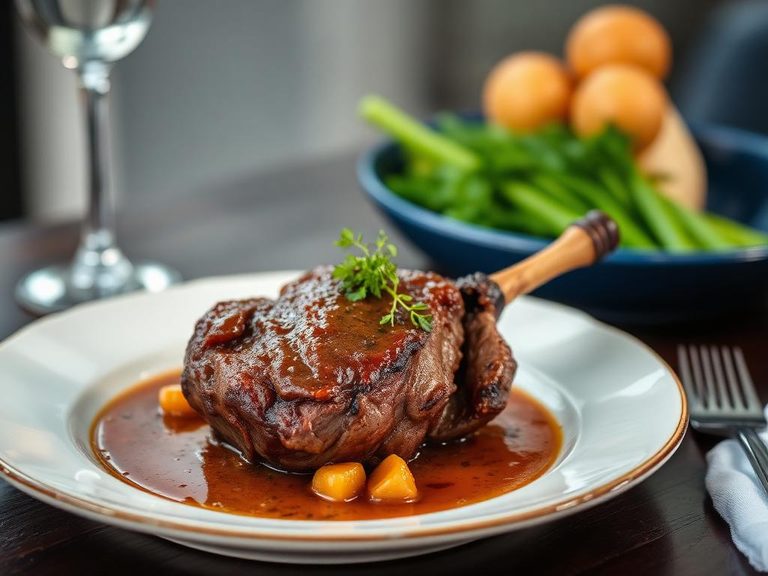
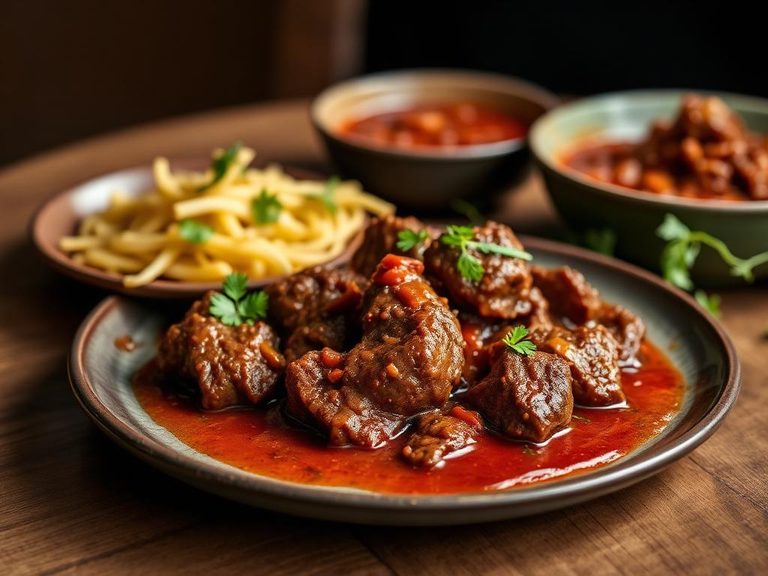
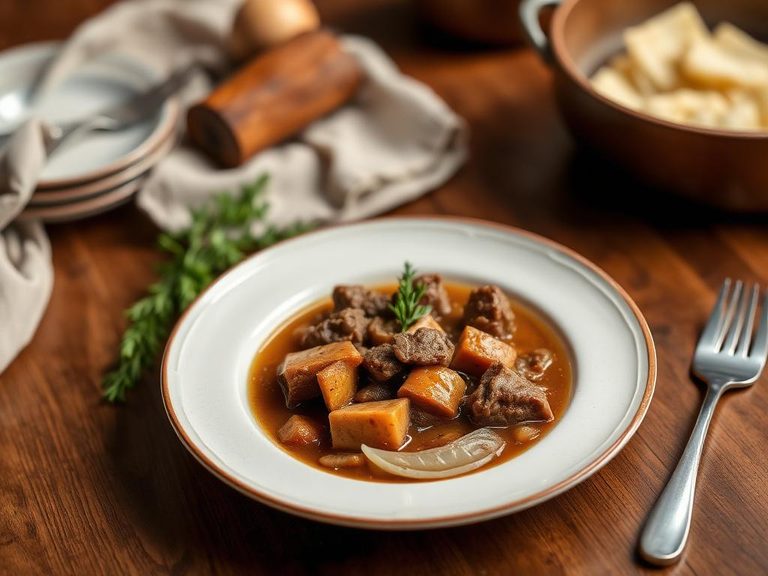
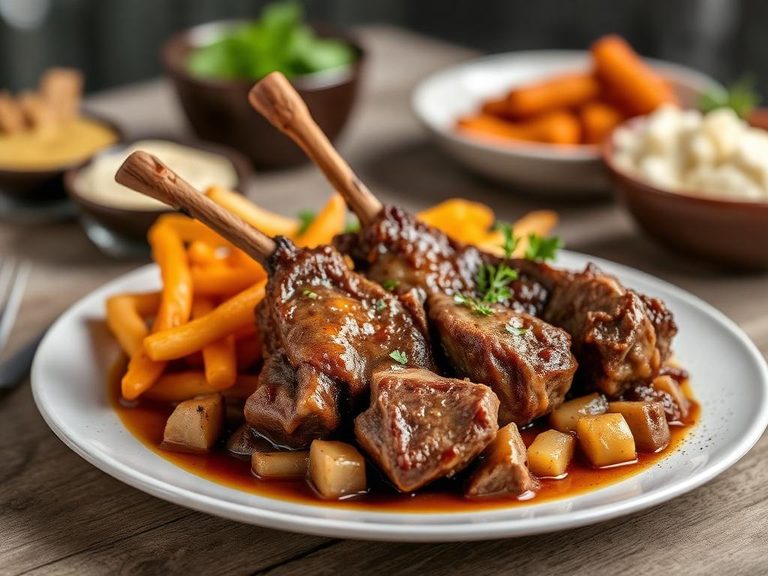
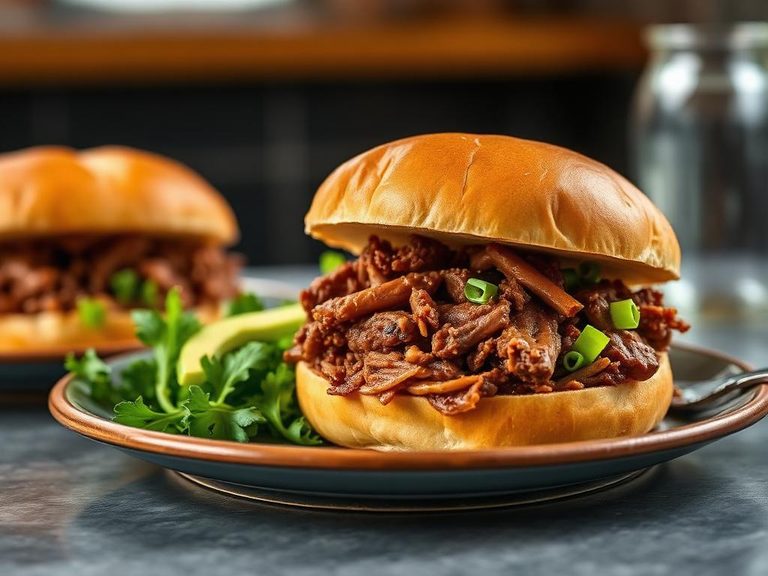
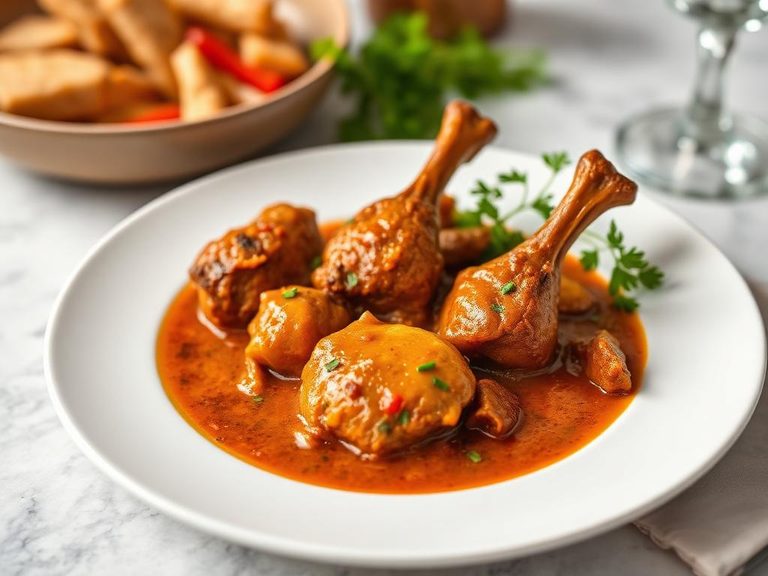
🌍 Where it's eaten
💡 Did you know?
The term 'choice' in its name is a USDA quality grade indicating the cut has moderate marbling and comes from younger animals, ensuring a more tender and flavorful result after braising.
Full nutrition (USDA data · scales with serving)
| Water | 50.0 g |
| Energy | 283 kcal |
| Energy | 1184 kj |
| Protein | 32.8 g |
| Total lipid (fat) | 15.9 g |
| Ash | 1.8 g |
| Carbohydrate, by difference | 0.00 g |
| Fiber, total dietary | 0.00 g |
| Calcium, Ca | 26.0 mg |
| Iron, Fe | 2.7 mg |
| Magnesium, Mg | 27.0 mg |
| Phosphorus, P | 204 mg |
| Potassium, K | 261 mg |
| Sodium, Na | 79.0 mg |
| Zinc, Zn | 7.5 mg |
| Copper, Cu | 0.13 mg |
| Manganese, Mn | 0.03 mg |
| Selenium, Se | 37.0 ug |
| Vitamin C, total ascorbic acid | 0.00 mg |
| Thiamin | 0.06 mg |
| Riboflavin | 0.23 mg |
| Niacin | 6.0 mg |
| Pantothenic acid | 0.62 mg |
| Vitamin B-6 | 0.12 mg |
| Folate, total | 21.0 ug |
| Folic acid | 0.00 ug |
| Folate, food | 21.0 ug |
| Folate, DFE | 21.0 ug |
| Vitamin B-12 | 2.9 ug |
| Vitamin A, RAE | 0.00 ug |
| Retinol | 0.00 ug |
| Vitamin A, IU | 0.00 iu |
| Vitamin E (alpha-tocopherol) | 0.20 mg |
Fat & fatty acid profile (per 100g)
| Fatty acids, total saturated | 6.2 g |
| SFA 10:0 | 0.03 g |
| SFA 12:0 | 0.05 g |
| SFA 14:0 | 0.50 g |
| SFA 16:0 | 3.2 g |
| SFA 18:0 | 2.0 g |
| Fatty acids, total monounsaturated | 6.5 g |
| MUFA 16:1 | 0.47 g |
| MUFA 18:1 | 5.8 g |
| Fatty acids, total polyunsaturated | 1.4 g |
| PUFA 18:2 | 1.0 g |
| PUFA 18:3 | 0.24 g |
| PUFA 20:4 | 0.11 g |
| Cholesterol | 117 mg |
Amino acid profile (per 100g)
| Tryptophan | 0.38 g |
| Threonine | 1.4 g |
| Isoleucine | 1.6 g |
| Leucine | 2.6 g |
| Lysine | 2.9 g |
| Methionine | 0.84 g |
| Cystine | 0.39 g |
| Phenylalanine | 1.3 g |
| Tyrosine | 1.1 g |
| Valine | 1.8 g |
| Arginine | 1.9 g |
| Histidine | 1.0 g |
| Alanine | 2.0 g |
| Aspartic acid | 2.9 g |
| Glutamic acid | 4.8 g |
| Glycine | 1.6 g |
| Proline | 1.4 g |
| Serine | 1.2 g |
FAQ
How is this different from lamb leg?
Lamb shoulder (arm and blade) has more connective tissue and fat, making it ideal for slow, moist cooking methods like braising to become tender. Lamb leg is leaner and more uniform, suitable for quicker roasting or grilling.
Why does it have 0g carbs and sugar?
Pure, unprocessed meat like this braised lamb shoulder contains no carbohydrates or sugars. Any carbs in a finished dish would come from added ingredients like vegetables, sauces, or marinades.
Is the fat content a problem?
The fat contributes significantly to flavor and moisture. While it's higher in calories, you can control intake by trimming excess fat before cooking, skimming fat from braising liquids, and enjoying it as part of a balanced diet with plenty of vegetables.
Nutrient density (calculated · NRF9.3)
Nutrient Rich Foods index: beneficial nutrients (protein, fiber, vitamins, minerals) minus saturated fat, added sugar & sodium, per 100 kcal.
NRF9.3 index — Fulgoni, Keast & Drewnowski, 2009. Computed from USDA nutrients.
Weight-loss friendliness (composite index)
Energy density 2.83 kcal/g · 46% calories from protein · 0.0 g fiber · 0.0 g sugar per 100 g.
Composite of energy density (Rolls et al., 1999), protein & fiber satiety, minus sugar. A calculated heuristic — ranks satiety-per-calorie, not a clinical measure.
Dietary load (calculated from USDA values)
Potential renal acid load. Positive = acid-forming, negative = alkaline-forming.
Sodium-to-potassium ratio: 0.30 (lower is better — aim for ≤ 1)
Sodium:potassium per WHO potassium guidance. Computed from USDA nutrients.