

Lamb, shoulder, arm, separable lean only, trimmed to 1/4" fat, choice, cooked, braised
Whole food · Lamb, Veal, and Game Products

Photo: Wikipedia
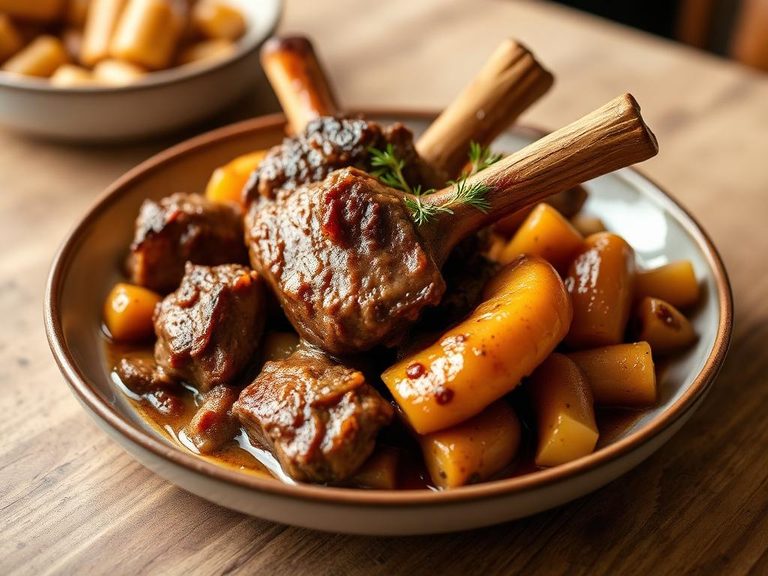
This is a cut of lamb from the shoulder, specifically the arm portion, trimmed of excess fat and slow-cooked in liquid until tender. The braising process yields a rich, succulent texture with a deep, savory, and slightly gamey flavor that is quintessentially lamb. It is a powerhouse of protein, providing over 35 grams per 100g serving, with a substantial but not excessive fat content.
Calorie split: 53% protein · 0% carbs · 47% fat
↓ Full nutrition💚 Why it's loved
People love it for its deeply satisfying, melt-in-the-mouth texture and robust, savory flavor that develops beautifully during slow cooking. It is a versatile centerpiece for comforting, communal meals across many cultures, from a Sunday roast to a hearty stew.
⚠️ Watch-outs & how to enjoy it better
The high fat content, even when trimmed, can be a concern for those monitoring saturated fat intake or calories. To mitigate this, pair it with fiber-rich vegetables like roasted carrots or steamed greens, and practice portion control by serving it as part of a balanced plate rather than the sole main. The braising liquid can also be high in sodium, so using low-sodium broth or reducing the sauce can help manage intake.
Key benefits
- Excellent source of high-quality complete protein for muscle maintenance.
- Rich in essential B vitamins, particularly B12, crucial for nerve function and red blood cell formation.
- Provides significant heme iron, which is more readily absorbed than plant-based iron.
- Contains zinc, which supports immune health and wound healing.
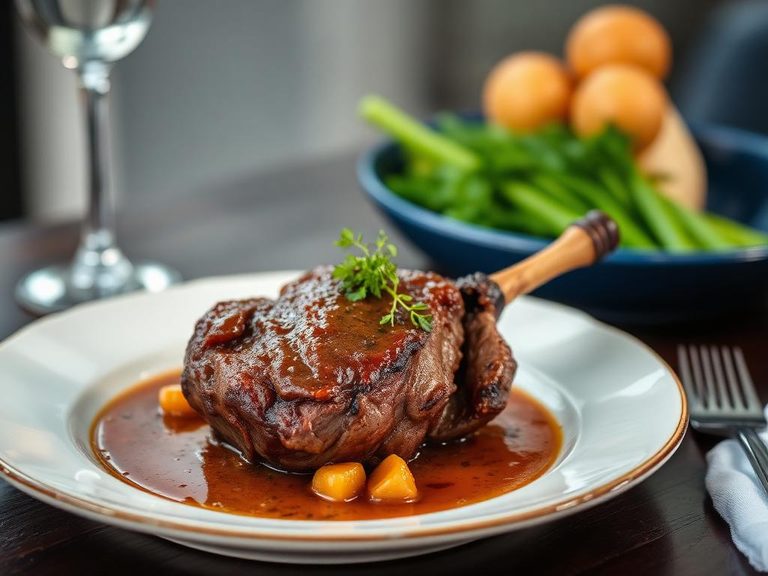
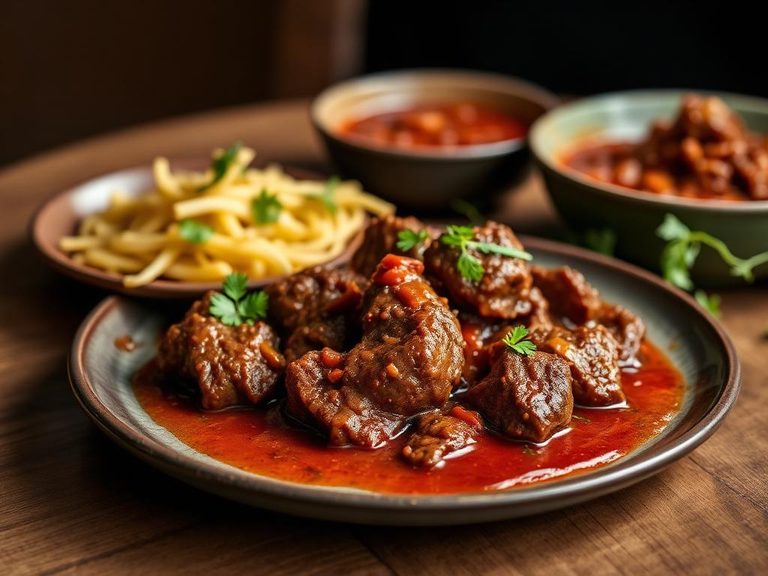
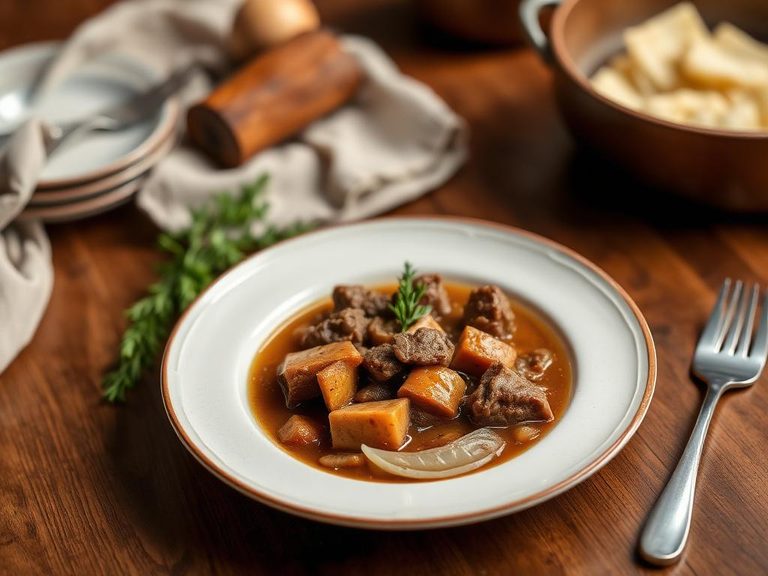
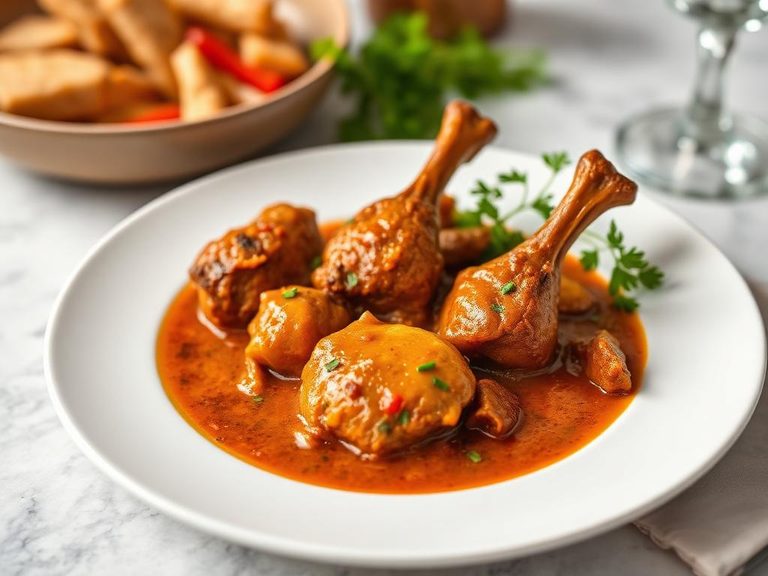
🍽️ Popular dishes
🌍 Where it's eaten
💡 Did you know?
The shoulder is one of the most exercised muscles on the lamb, containing more connective tissue (collagen) than leaner cuts; this collagen breaks down into gelatin during braising, which is what gives the meat its characteristic silky, rich mouthfeel and makes the cooking liquid so flavorful.
Full nutrition (USDA data · scales with serving)
| Water | 49.3 g |
| Energy | 279 kcal |
| Energy | 1167 kj |
| Protein | 35.5 g |
| Total lipid (fat) | 14.1 g |
| Ash | 1.2 g |
| Carbohydrate, by difference | 0.00 g |
| Fiber, total dietary | 0.00 g |
| Calcium, Ca | 26.0 mg |
| Iron, Fe | 2.7 mg |
| Magnesium, Mg | 29.0 mg |
| Phosphorus, P | 232 mg |
| Potassium, K | 338 mg |
| Sodium, Na | 76.0 mg |
| Zinc, Zn | 7.3 mg |
| Copper, Cu | 0.15 mg |
| Manganese, Mn | 0.03 mg |
| Selenium, Se | 37.8 ug |
| Vitamin C, total ascorbic acid | 0.00 mg |
| Thiamin | 0.07 mg |
| Riboflavin | 0.27 mg |
| Niacin | 6.3 mg |
| Pantothenic acid | 0.62 mg |
| Vitamin B-6 | 0.13 mg |
| Folate, total | 22.0 ug |
| Folic acid | 0.00 ug |
| Folate, food | 22.0 ug |
| Folate, DFE | 22.0 ug |
| Vitamin B-12 | 2.6 ug |
| Vitamin A, RAE | 0.00 ug |
| Retinol | 0.00 ug |
| Vitamin A, IU | 0.00 iu |
| Vitamin E (alpha-tocopherol) | 0.18 mg |
Fat & fatty acid profile (per 100g)
| Fatty acids, total saturated | 5.0 g |
| SFA 10:0 | 0.03 g |
| SFA 12:0 | 0.04 g |
| SFA 14:0 | 0.44 g |
| SFA 16:0 | 2.7 g |
| SFA 18:0 | 1.7 g |
| Fatty acids, total monounsaturated | 6.2 g |
| MUFA 16:1 | 0.42 g |
| MUFA 18:1 | 5.7 g |
| Fatty acids, total polyunsaturated | 0.92 g |
| PUFA 18:2 | 0.75 g |
| PUFA 18:3 | 0.08 g |
| PUFA 20:4 | 0.09 g |
| Cholesterol | 121 mg |
Amino acid profile (per 100g)
| Tryptophan | 0.41 g |
| Threonine | 1.5 g |
| Isoleucine | 1.7 g |
| Leucine | 2.8 g |
| Lysine | 3.1 g |
| Methionine | 0.91 g |
| Cystine | 0.42 g |
| Phenylalanine | 1.4 g |
| Tyrosine | 1.2 g |
| Valine | 1.9 g |
| Arginine | 2.1 g |
| Histidine | 1.1 g |
| Alanine | 2.1 g |
| Aspartic acid | 3.1 g |
| Glutamic acid | 5.2 g |
| Glycine | 1.7 g |
| Proline | 1.5 g |
| Serine | 1.3 g |
FAQ
How does braising differ from roasting for this cut?
Braising involves slow-cooking the meat submerged in liquid (like broth or wine) at a low temperature, which breaks down tough connective tissue into gelatin, making the meat incredibly tender and moist. Roasting uses dry heat in an oven, which can yield a crispier exterior but may result in a tougher texture if not cooked for a very long time.
Is this cut suitable for a low-fat diet?
While trimmed to 1/4 inch fat, the braised shoulder still contains about 14g of fat per 100g, with a portion of that being saturated fat. It can be included in a balanced diet in moderation, but those strictly limiting fat should opt for leaner cuts like leg of lamb or loin.
What is the best way to store leftovers?
Allow the braised lamb to cool to room temperature, then store it in an airtight container in the refrigerator for up to 3-4 days. For longer storage, freeze it in a freezer-safe container or bag for up to 3 months. Reheat gently in the braising liquid to retain moisture.
Nutrient density (calculated · NRF9.3)
Nutrient Rich Foods index: beneficial nutrients (protein, fiber, vitamins, minerals) minus saturated fat, added sugar & sodium, per 100 kcal.
NRF9.3 index — Fulgoni, Keast & Drewnowski, 2009. Computed from USDA nutrients.
Weight-loss friendliness (composite index)
Energy density 2.79 kcal/g · 51% calories from protein · 0.0 g fiber · 0.0 g sugar per 100 g.
Composite of energy density (Rolls et al., 1999), protein & fiber satiety, minus sugar. A calculated heuristic — ranks satiety-per-calorie, not a clinical measure.
Dietary load (calculated from USDA values)
Potential renal acid load. Positive = acid-forming, negative = alkaline-forming.
Sodium-to-potassium ratio: 0.22 (lower is better — aim for ≤ 1)
Sodium:potassium per WHO potassium guidance. Computed from USDA nutrients.