

Lamb, leg, shank half, separable lean only, trimmed to 1/4" fat, choice, cooked, roasted
Whole food · Lamb, Veal, and Game Products

Photo: Wikipedia
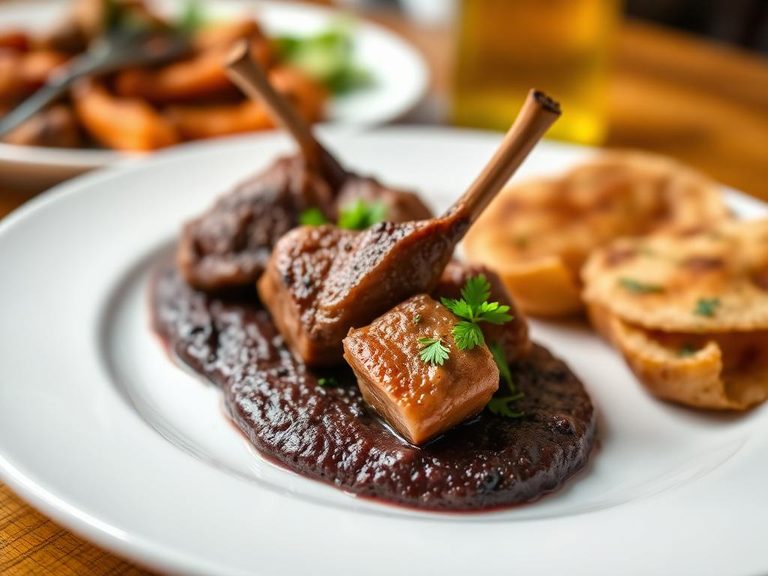
This is the lower leg of lamb, specifically the shank half, with nearly all external fat trimmed away before slow-roasting to a deep, savory brown. The result is a remarkably lean cut with a dense, fibrous texture that yields to a tender, pull-apart consistency when cooked properly. With nearly 28 grams of protein and under 7 grams of fat per 100g, it's a powerhouse of lean muscle-building nutrition.
Calorie split: 65% protein · 0% carbs · 35% fat
↓ Full nutrition💚 Why it's loved
People love it for its deep, robust, and slightly gamey flavor that intensifies with slow cooking, and for the satisfying, melt-in-your-mouth texture of the tender meat. It's a centerpiece of comfort food traditions, from Mediterranean braises to hearty pub roasts, offering a sense of rustic, nourishing indulgence.
⚠️ Watch-outs & how to enjoy it better
The primary downside is its naturally tough, connective tissue, which requires long, slow cooking methods like braising or roasting to become tender; otherwise, it can be chewy and difficult to eat. Those watching sodium intake should be cautious, as it's often seasoned with salt or used in savory broths, and pairing it with a high-fiber vegetable side can help balance the meal's overall digestibility.
Key benefits
- Exceptionally high in complete protein for muscle repair and satiety.
- Low in fat and carbohydrates, making it ideal for high-protein, low-carb diets.
- Rich in essential minerals like iron, zinc, and B vitamins (especially B12).
- Provides a dense, satisfying meal without excessive calorie load.
🍽️ Popular dishes
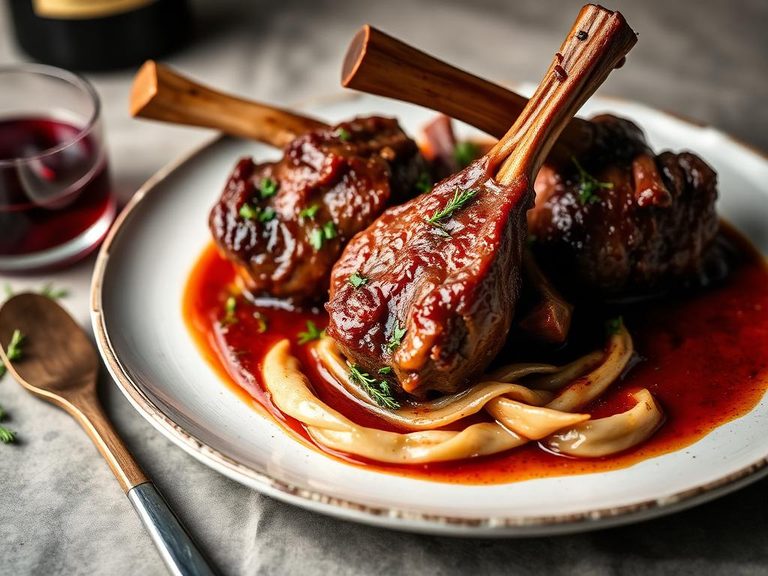
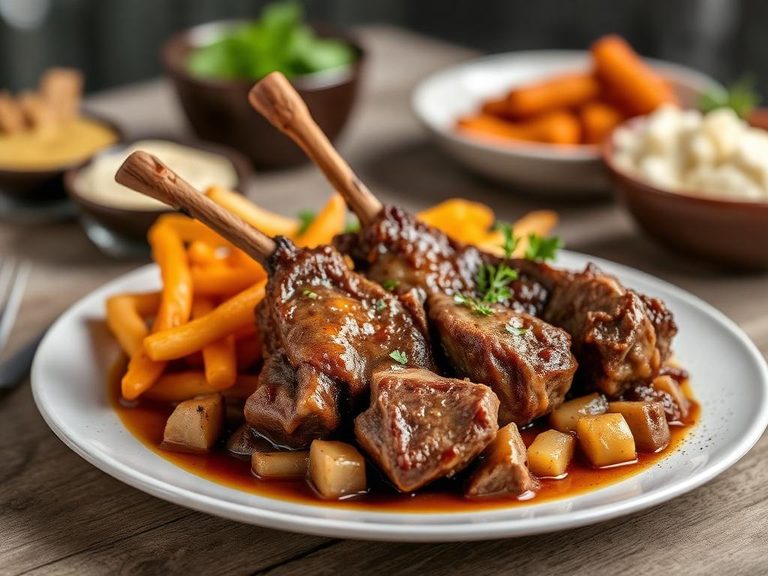
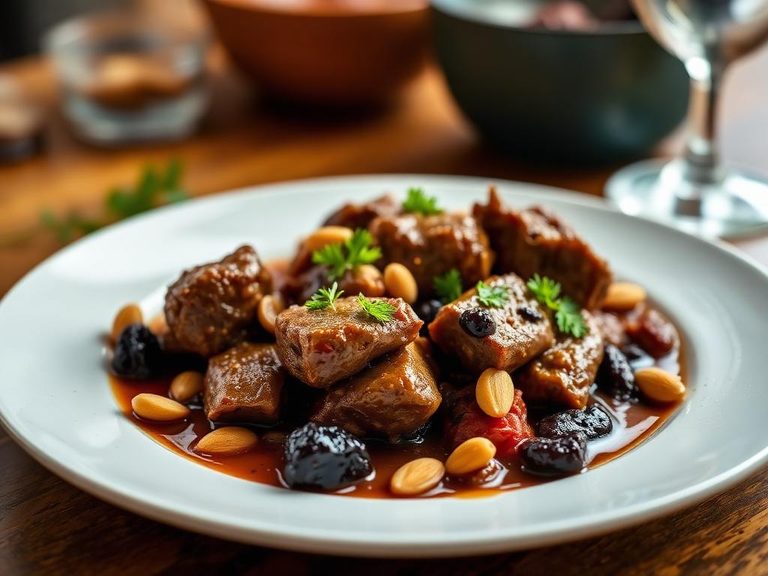
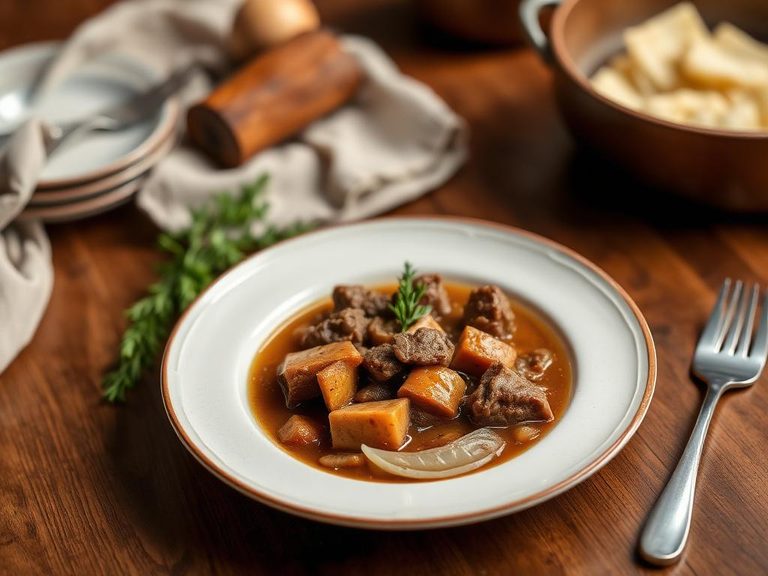
🌍 Where it's eaten
💡 Did you know?
Lamb shanks were historically considered a humble, inexpensive cut, but they've become a gourmet restaurant staple due to the culinary trend of slow-cooking tough cuts to reveal their rich, collagen-rich flavor.
Full nutrition (USDA data · scales with serving)
| Water | 64.9 g |
| Energy | 180 kcal |
| Energy | 753 kj |
| Protein | 28.2 g |
| Total lipid (fat) | 6.7 g |
| Ash | 1.1 g |
| Carbohydrate, by difference | 0.00 g |
| Fiber, total dietary | 0.00 g |
| Calcium, Ca | 8.0 mg |
| Iron, Fe | 2.1 mg |
| Magnesium, Mg | 26.0 mg |
| Phosphorus, P | 208 mg |
| Potassium, K | 342 mg |
| Sodium, Na | 66.0 mg |
| Zinc, Zn | 5.0 mg |
| Copper, Cu | 0.12 mg |
| Manganese, Mn | 0.03 mg |
| Selenium, Se | 31.7 ug |
| Vitamin C, total ascorbic acid | 0.00 mg |
| Thiamin | 0.11 mg |
| Riboflavin | 0.28 mg |
| Niacin | 6.4 mg |
| Pantothenic acid | 0.71 mg |
| Vitamin B-6 | 0.17 mg |
| Folate, total | 24.0 ug |
| Folic acid | 0.00 ug |
| Folate, food | 24.0 ug |
| Folate, DFE | 24.0 ug |
| Vitamin B-12 | 2.7 ug |
| Vitamin A, RAE | 0.00 ug |
| Retinol | 0.00 ug |
| Vitamin A, IU | 0.00 iu |
| Vitamin E (alpha-tocopherol) | 0.18 mg |
Fat & fatty acid profile (per 100g)
| Fatty acids, total saturated | 2.4 g |
| SFA 10:0 | 0.01 g |
| SFA 12:0 | 0.02 g |
| SFA 14:0 | 0.21 g |
| SFA 16:0 | 1.3 g |
| SFA 18:0 | 0.82 g |
| Fatty acids, total monounsaturated | 2.9 g |
| MUFA 16:1 | 0.20 g |
| MUFA 18:1 | 2.7 g |
| Fatty acids, total polyunsaturated | 0.44 g |
| PUFA 18:2 | 0.36 g |
| PUFA 18:3 | 0.04 g |
| PUFA 20:4 | 0.04 g |
| Cholesterol | 87.0 mg |
Amino acid profile (per 100g)
| Tryptophan | 0.33 g |
| Threonine | 1.2 g |
| Isoleucine | 1.4 g |
| Leucine | 2.2 g |
| Lysine | 2.5 g |
| Methionine | 0.72 g |
| Cystine | 0.34 g |
| Phenylalanine | 1.1 g |
| Tyrosine | 0.95 g |
| Valine | 1.5 g |
| Arginine | 1.7 g |
| Histidine | 0.89 g |
| Alanine | 1.7 g |
| Aspartic acid | 2.5 g |
| Glutamic acid | 4.1 g |
| Glycine | 1.4 g |
| Proline | 1.2 g |
| Serine | 1.0 g |
FAQ
How do I make lamb shanks tender?
The key is low-and-slow cooking. Braise them in liquid (like broth, wine, or tomato sauce) at a low temperature (around 300°F/150°C) for 2-3 hours, or until the meat easily pulls away from the bone.
Is this cut healthy for weight loss?
Yes, it's an excellent choice. It's very high in protein (which promotes fullness) and relatively low in fat and calories, especially when trimmed of visible fat as described.
What's the difference between a lamb shank and a leg roast?
The shank is the lower leg, which is tougher and more flavorful due to more connective tissue. The leg is a larger, more tender cut that's often roasted whole or sliced.
Nutrient density (calculated · NRF9.3)
Nutrient Rich Foods index: beneficial nutrients (protein, fiber, vitamins, minerals) minus saturated fat, added sugar & sodium, per 100 kcal.
NRF9.3 index — Fulgoni, Keast & Drewnowski, 2009. Computed from USDA nutrients.
Weight-loss friendliness (composite index)
Energy density 1.80 kcal/g · 63% calories from protein · 0.0 g fiber · 0.0 g sugar per 100 g.
Composite of energy density (Rolls et al., 1999), protein & fiber satiety, minus sugar. A calculated heuristic — ranks satiety-per-calorie, not a clinical measure.
Dietary load (calculated from USDA values)
Potential renal acid load. Positive = acid-forming, negative = alkaline-forming.
Sodium-to-potassium ratio: 0.19 (lower is better — aim for ≤ 1)
Sodium:potassium per WHO potassium guidance. Computed from USDA nutrients.