

Lamb, leg, shank half, separable lean and fat, trimmed to 1/8" fat, choice, cooked, roasted
Whole food · Lamb, Veal, and Game Products

Photo: Wikipedia
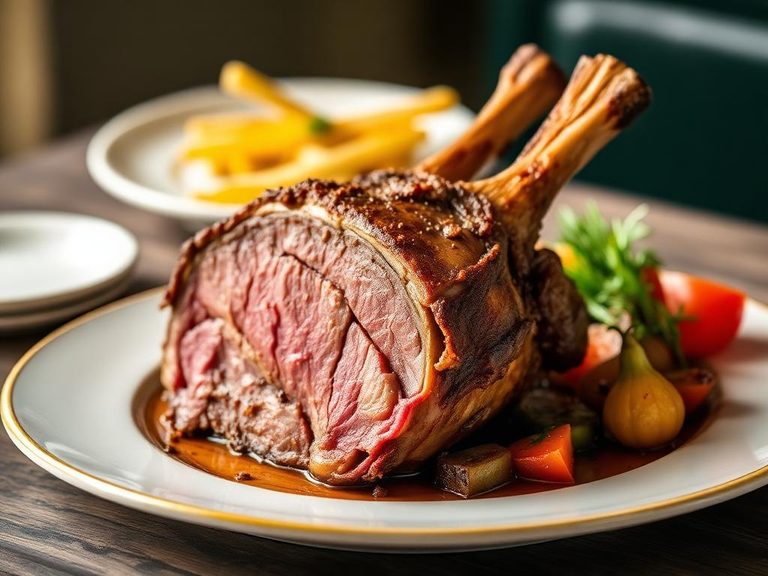
This is a lean, meaty cut from the lower part of the lamb leg, roasted to a tender, succulent finish with a deep, savory flavor. The meat is fine-grained and moist, offering a satisfying chew without excessive fat. It's a protein powerhouse, delivering over 26 grams of high-quality protein per 100 grams with virtually no carbohydrates.
Calorie split: 51% protein · 0% carbs · 49% fat
↓ Full nutrition💚 Why it's loved
People adore it for its rich, distinctly savory lamb flavor that intensifies beautifully with roasting, and its versatility—it can be the star of a rustic family roast or sliced thin for elegant salads. It holds a special place in culinary traditions from Sunday roasts to festive celebrations.
⚠️ Watch-outs & how to enjoy it better
The primary caution is its high purine content, which can be a concern for individuals managing gout or certain kidney conditions. To mitigate this, ensure adequate hydration and consider balancing it with low-purine vegetables like leafy greens or asparagus. As with any red meat, mindful portion control is recommended for those monitoring saturated fat intake.
Key benefits
- Excellent source of complete protein for muscle maintenance
- Rich in essential minerals like iron, zinc, and selenium
- Naturally low in carbohydrates and sugars
- Provides B vitamins, especially B12 and niacin
- Contains conjugated linoleic acid (CLA), a beneficial fatty acid
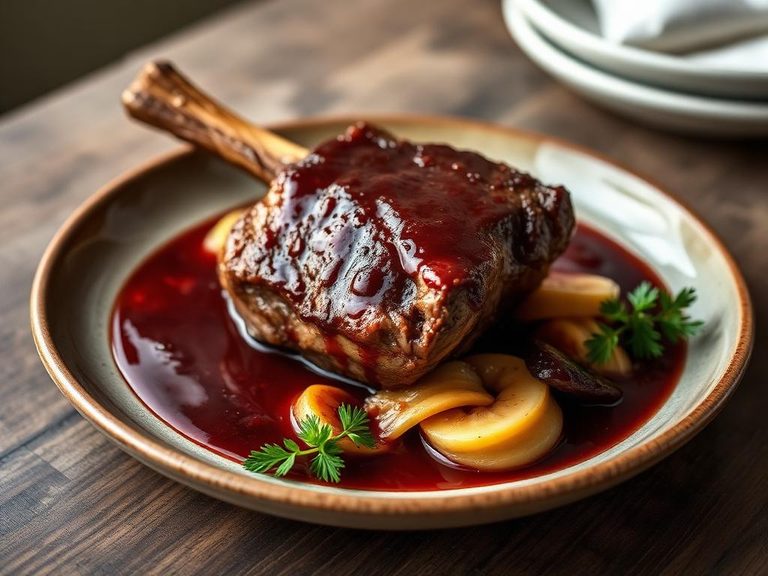
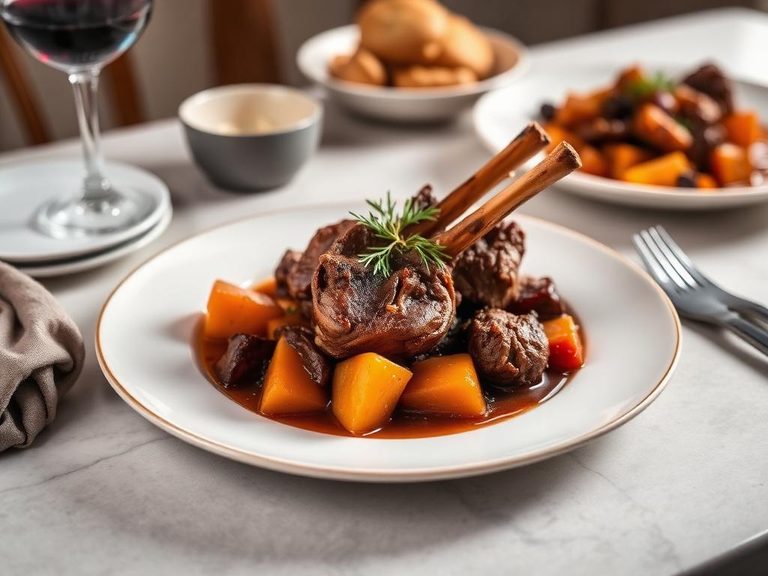
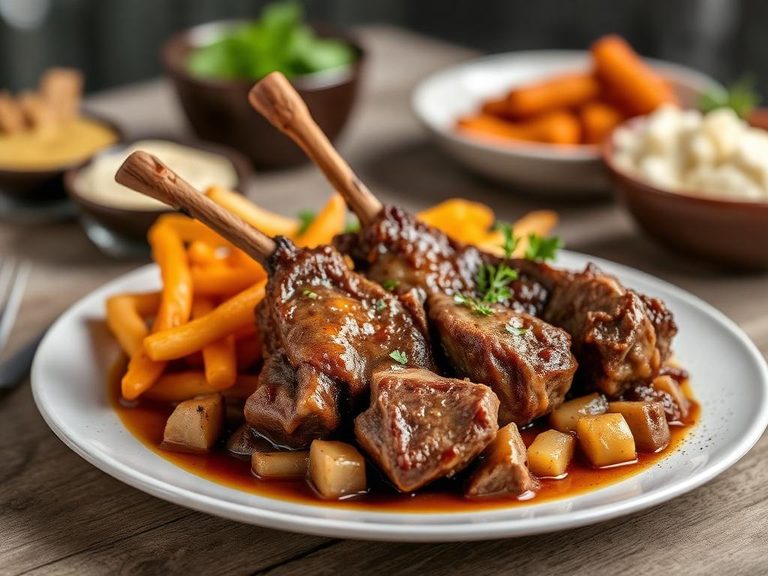
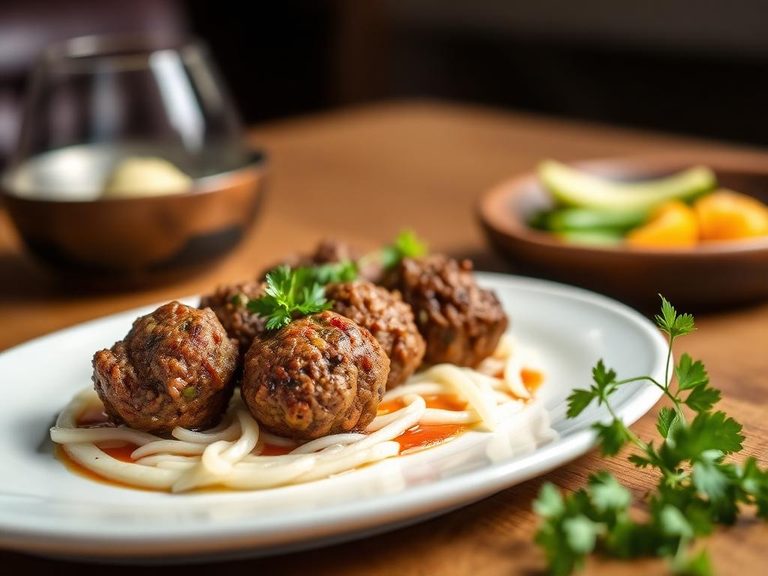
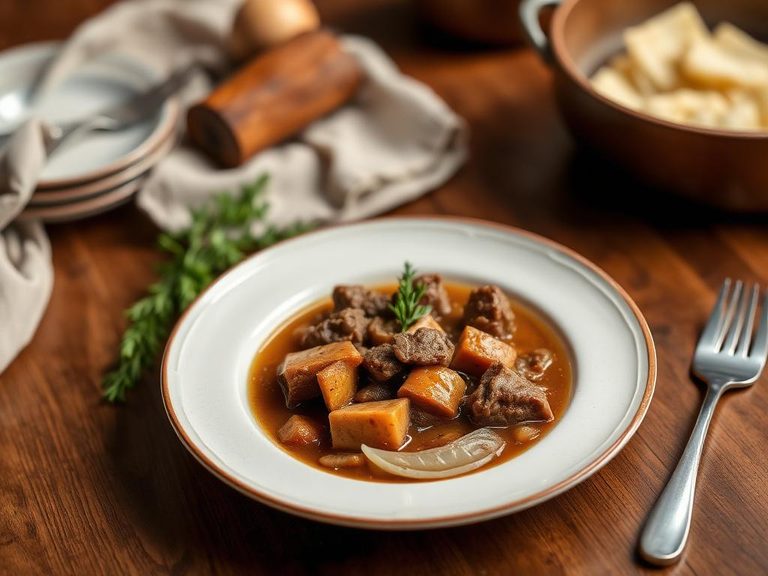
🍽️ Popular dishes
🌍 Where it's eaten
💡 Did you know?
The term 'choice' in its description refers to a USDA meat grading that indicates above-average quality in marbling and tenderness, sitting just below 'prime.'
Full nutrition (USDA data · scales with serving)
| Water | 61.4 g |
| Energy | 217 kcal |
| Energy | 908 kj |
| Protein | 26.7 g |
| Total lipid (fat) | 11.4 g |
| Ash | 1.1 g |
| Carbohydrate, by difference | 0.00 g |
| Fiber, total dietary | 0.00 g |
| Calcium, Ca | 9.0 mg |
| Iron, Fe | 2.0 mg |
| Magnesium, Mg | 25.0 mg |
| Phosphorus, P | 200 mg |
| Potassium, K | 329 mg |
| Sodium, Na | 65.0 mg |
| Zinc, Zn | 4.7 mg |
| Copper, Cu | 0.12 mg |
| Manganese, Mn | 0.03 mg |
| Selenium, Se | 29.7 ug |
| Vitamin C, total ascorbic acid | 0.00 mg |
| Thiamin | 0.10 mg |
| Riboflavin | 0.27 mg |
| Niacin | 6.5 mg |
| Pantothenic acid | 0.70 mg |
| Vitamin B-6 | 0.16 mg |
| Folate, total | 23.0 ug |
| Folic acid | 0.00 ug |
| Folate, food | 23.0 ug |
| Folate, DFE | 23.0 ug |
| Vitamin B-12 | 2.7 ug |
| Vitamin A, RAE | 0.00 ug |
| Retinol | 0.00 ug |
| Vitamin A, IU | 0.00 iu |
Fat & fatty acid profile (per 100g)
| Fatty acids, total saturated | 4.6 g |
| SFA 10:0 | 0.03 g |
| SFA 12:0 | 0.04 g |
| SFA 14:0 | 0.42 g |
| SFA 16:0 | 2.4 g |
| SFA 18:0 | 1.5 g |
| Fatty acids, total monounsaturated | 4.9 g |
| MUFA 16:1 | 0.33 g |
| MUFA 18:1 | 4.4 g |
| MUFA 20:1 | 0.00 g |
| Fatty acids, total polyunsaturated | 0.80 g |
| PUFA 18:2 | 0.62 g |
| PUFA 18:3 | 0.14 g |
| PUFA 20:4 | 0.05 g |
| Cholesterol | 90.0 mg |
Amino acid profile (per 100g)
| Tryptophan | 0.31 g |
| Threonine | 1.1 g |
| Isoleucine | 1.3 g |
| Leucine | 2.1 g |
| Lysine | 2.4 g |
| Methionine | 0.69 g |
| Cystine | 0.32 g |
| Phenylalanine | 1.1 g |
| Tyrosine | 0.90 g |
| Valine | 1.4 g |
| Arginine | 1.6 g |
| Histidine | 0.85 g |
| Alanine | 1.6 g |
| Aspartic acid | 2.4 g |
| Glutamic acid | 3.9 g |
| Glycine | 1.3 g |
| Proline | 1.1 g |
| Serine | 0.99 g |
FAQ
Is roasted lamb leg shank a fatty cut of meat?
When trimmed to 1/8" fat as specified, it becomes a relatively lean cut. The nutrition data shows 11.4g of fat per 100g, with a significant portion being monounsaturated fat. The roasting process renders much of the fat, leaving behind a moist but not greasy texture.
How does the nutrition compare to other lamb cuts?
Compared to fattier cuts like lamb shoulder or rib chops, this trimmed and roasted leg shank is notably leaner in fat and calories while maintaining a very high protein density. It's one of the leanest ways to enjoy the rich flavor of lamb.
What's the best way to cook it to keep it tender?
While it can be roasted directly, this cut benefits greatly from slow, moist cooking methods like braising or pot-roasting. Cooking it low and slow in a flavorful liquid breaks down connective tissue, resulting in exceptionally tender, fall-off-the-bone meat.
Nutrient density (calculated · NRF9.3)
Nutrient Rich Foods index: beneficial nutrients (protein, fiber, vitamins, minerals) minus saturated fat, added sugar & sodium, per 100 kcal.
NRF9.3 index — Fulgoni, Keast & Drewnowski, 2009. Computed from USDA nutrients.
Weight-loss friendliness (composite index)
Energy density 2.17 kcal/g · 49% calories from protein · 0.0 g fiber · 0.0 g sugar per 100 g.
Composite of energy density (Rolls et al., 1999), protein & fiber satiety, minus sugar. A calculated heuristic — ranks satiety-per-calorie, not a clinical measure.
Dietary load (calculated from USDA values)
Potential renal acid load. Positive = acid-forming, negative = alkaline-forming.
Sodium-to-potassium ratio: 0.20 (lower is better — aim for ≤ 1)
Sodium:potassium per WHO potassium guidance. Computed from USDA nutrients.