

Juice, pomegranate, from concentrate, shelf-stable
Whole food · Fruits and Fruit Juices
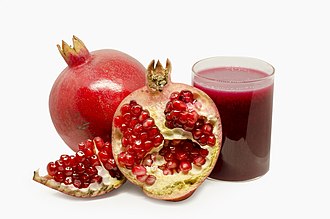
Photo: Wikipedia
This is a shelf-stable, reconstituted pomegranate juice, delivering the fruit's signature deep ruby color and bold, tart-sweet flavor without the seeds. Its taste is a complex balance of bright acidity and rich, tannic undertones, often with a slightly astringent finish. Nutritionally, it is a potent source of antioxidants, particularly punicalagins and anthocyanins, known for their vibrant hue and health-supporting properties.
💚 Why it's loved
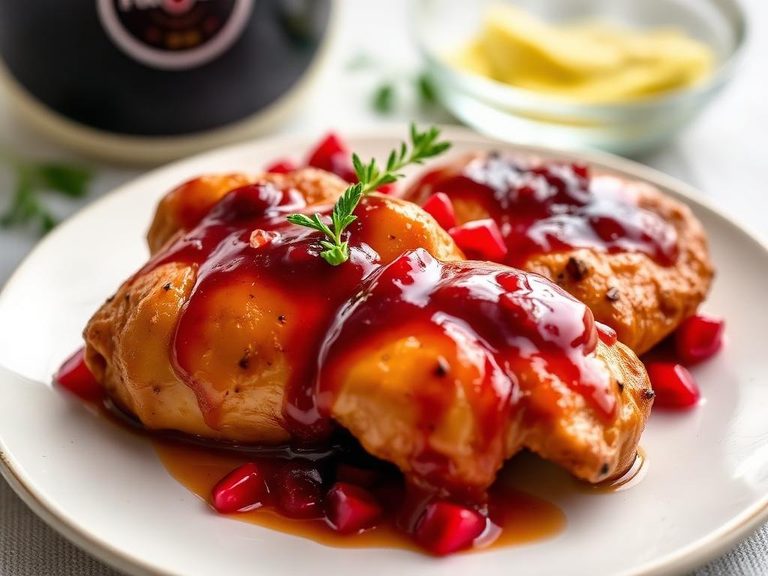
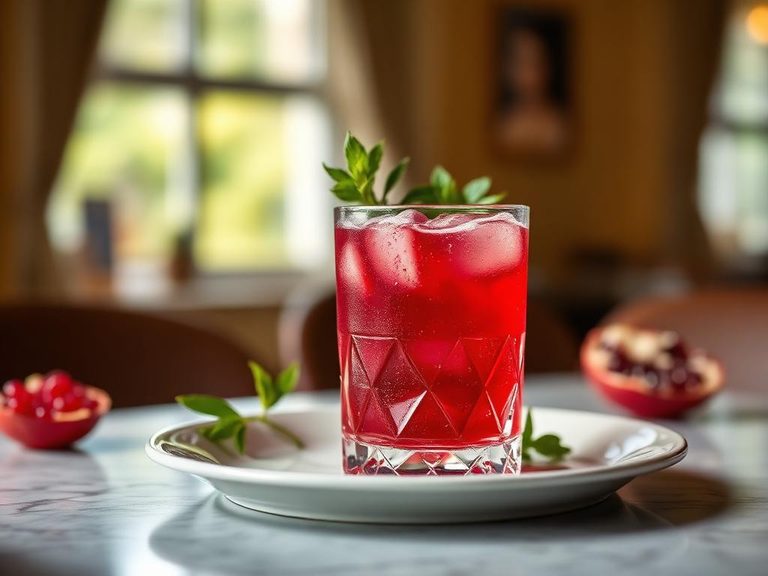
People love its intensely vibrant, jewel-toned color and the sophisticated balance of sweet and tart flavors that feel both refreshing and luxurious. It's cherished for its versatility, easily enjoyed straight, mixed into cocktails, or used as a glaze for savory dishes.
⚠️ Watch-outs & how to enjoy it better
The high natural sugar content, even in unsweetened varieties, can cause blood sugar spikes, making portion control essential for those managing diabetes. Its strong, tart flavor can be overwhelming for some palates, and it may interact with certain medications like blood thinners; consulting a doctor is advised for those on specific drugs.
Key benefits
- Rich in potent antioxidants like punicalagins and anthocyanins.
- May support heart health by helping to maintain healthy blood pressure and cholesterol levels.
- Contains anti-inflammatory compounds that can help reduce oxidative stress.
- Provides a good source of vitamin C and potassium.
- May aid in exercise recovery and reduce muscle soreness.
🍽️ Popular dishes
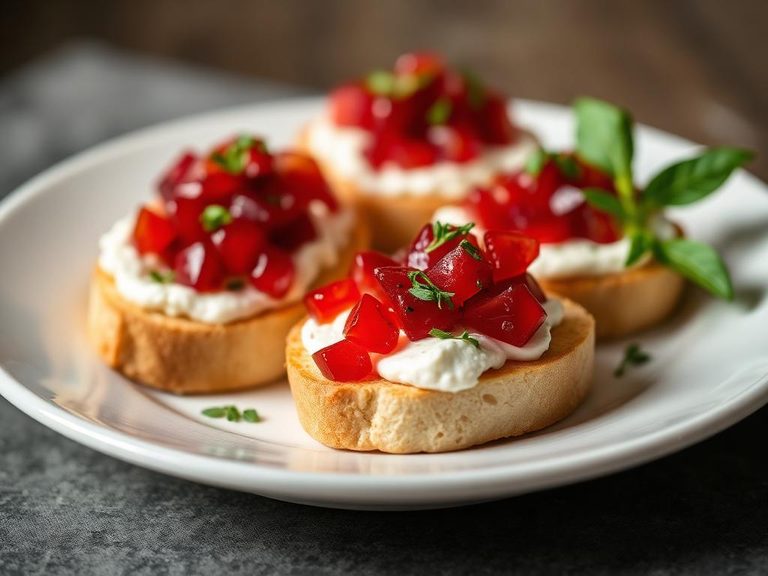
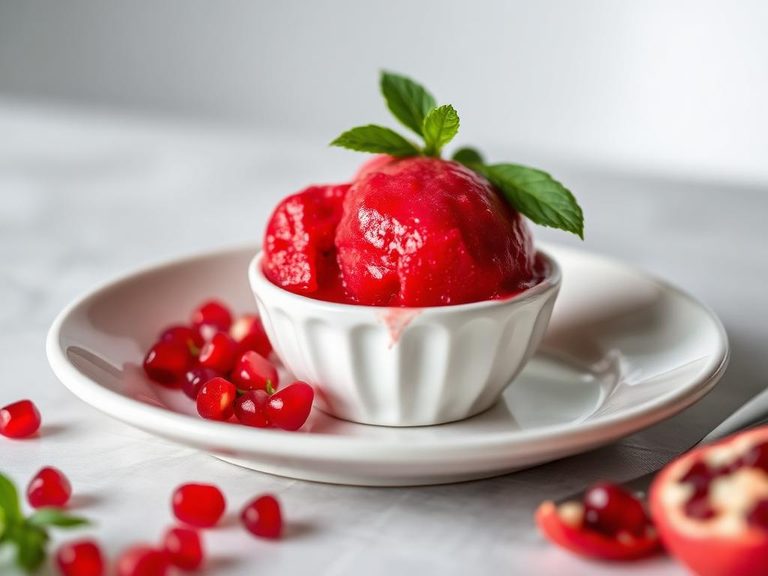
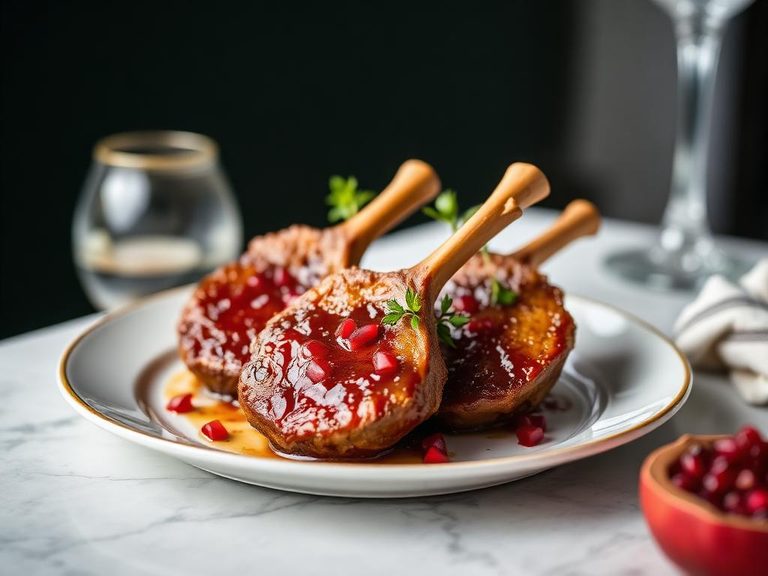
🌍 Where it's eaten
💡 Did you know?
Pomegranate juice is often called 'liquid ruby' and its deep red dye was historically used to color fabrics and even leather.
Full nutrition (USDA data · scales with serving)
| Water | 84.1 g |
| Nitrogen | 0.00 g |
| Protein | 0.00 g |
| Ash | 0.40 g |
| Sugars, Total | 13.3 g |
| Sucrose | 0.03 g |
| Glucose | 6.8 g |
| Fructose | 6.4 g |
| Lactose | 0.03 g |
| Maltose | 0.03 g |
| Calcium, Ca | 11.0 mg |
| Iron, Fe | 0.03 mg |
| Magnesium, Mg | 6.9 mg |
| Phosphorus, P | 8.9 mg |
| Potassium, K | 166 mg |
| Sodium, Na | 4.0 mg |
| Zinc, Zn | 0.08 mg |
| Copper, Cu | 0.01 mg |
| Manganese, Mn | 0.05 mg |
| Vitamin C, total ascorbic acid | 0.00 mg |
| Folate, total | 5.9 ug |
Fat & fatty acid profile (per 100g)
Estimated from Orange juice, chilled, includes from concentrate, with added calcium and vitamins A, D, E — USDA does not publish this profile for Juice.
| Fatty acids, total saturated | 0.01 g |
| SFA 4:0 | 0.00 g |
| SFA 6:0 | 0.00 g |
| SFA 8:0 | 0.00 g |
| SFA 10:0 | 0.00 g |
| SFA 12:0 | 0.00 g |
| SFA 14:0 | 0.00 g |
| SFA 16:0 | 0.01 g |
| SFA 18:0 | 0.00 g |
| Fatty acids, total monounsaturated | 0.02 g |
| MUFA 16:1 | 0.00 g |
| MUFA 18:1 | 0.02 g |
| MUFA 20:1 | 0.00 g |
| MUFA 22:1 | 0.00 g |
| Fatty acids, total polyunsaturated | 0.03 g |
| PUFA 18:2 | 0.02 g |
| PUFA 18:3 | 0.01 g |
| PUFA 18:4 | 0.00 g |
| PUFA 20:4 | 0.00 g |
| PUFA 20:5 n-3 (EPA) | 0.00 g |
| PUFA 22:5 n-3 (DPA) | 0.00 g |
| PUFA 22:6 n-3 (DHA) | 0.00 g |
| Fatty acids, total trans | 0.00 g |
| Cholesterol | 0.00 mg |
Amino acid profile (per 100g)
Estimated from Orange juice, chilled, includes from concentrate, with added calcium and vitamins A, D, E — USDA does not publish this profile for Juice.
| Tryptophan | 0.00 g |
| Threonine | 0.01 g |
| Isoleucine | 0.00 g |
| Leucine | 0.01 g |
| Lysine | 0.02 g |
| Methionine | 0.00 g |
| Cystine | 0.00 g |
| Phenylalanine | 0.01 g |
| Tyrosine | 0.00 g |
| Valine | 0.01 g |
| Arginine | 0.08 g |
| Histidine | 0.00 g |
| Alanine | 0.02 g |
| Aspartic acid | 0.11 g |
| Glutamic acid | 0.04 g |
| Glycine | 0.01 g |
| Proline | 0.08 g |
| Serine | 0.02 g |
FAQ
Is pomegranate juice from concentrate as healthy as fresh?
Yes, juice from concentrate retains most of the beneficial antioxidants and nutrients. The concentration process removes water, and it's added back before packaging, but the core health compounds remain largely intact.
Why is pomegranate juice so tart?
Its tartness comes from natural organic acids, primarily citric and malic acid, along with tannins (punicalagins) which also contribute to its astringent, mouth-drying sensation.
Can I use pomegranate juice in cooking?
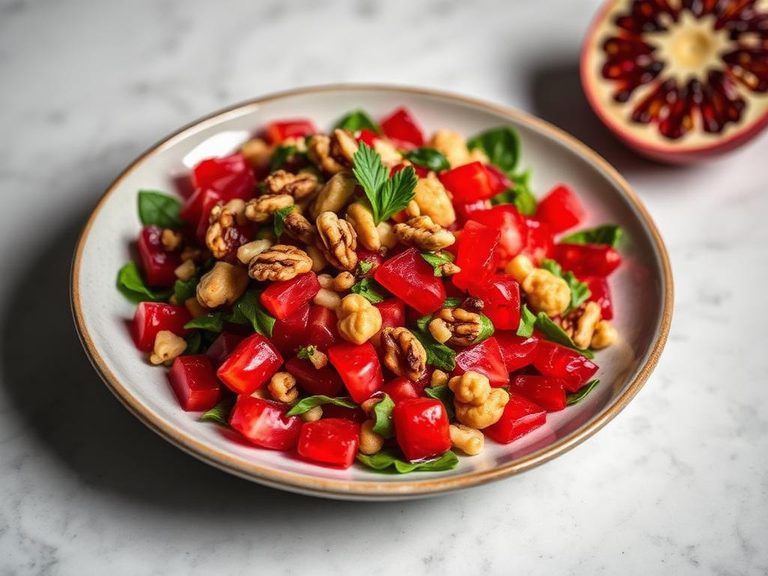
Absolutely. It's excellent for making glazes, reductions, and marinades for meats like chicken or lamb, and it adds a vibrant, tangy depth to sauces, dressings, and even desserts.
How should I store opened pomegranate juice?
Once opened, store it in a sealed container in the refrigerator. It will typically stay fresh for 7-10 days, though its flavor and color may begin to fade slightly over time.
Dietary load (calculated from USDA values)
Potential renal acid load. Positive = acid-forming, negative = alkaline-forming.
Sodium-to-potassium ratio: 0.02 (lower is better — aim for ≤ 1)
Sodium:potassium per WHO potassium guidance. Computed from USDA nutrients.