

Hyacinth-beans, immature seeds, cooked, boiled, drained, without salt
Whole food · Vegetables and Vegetable Products

Photo: Wikipedia
Hyacinth beans, when cooked, transform into tender, slightly nutty morsels with a subtle, earthy flavor and a pleasant, creamy texture. They are a low-calorie, protein-rich staple, offering a satisfying bite without heaviness. Nutritionally, they are a lean source of plant-based protein and complex carbohydrates, making them a smart choice for balanced meals.
Calorie split: 23% protein · 72% carbs · 5% fat
↓ Full nutrition💚 Why it's loved
People love hyacinth beans for their versatile, mild flavor that readily absorbs spices and seasonings, making them a perfect canvas for diverse culinary traditions. They are cherished in many cultures as a hearty, comforting, and economical source of protein that can be prepared in countless ways.
⚠️ Watch-outs & how to enjoy it better
Some may find the texture slightly mealy if overcooked, and like many legumes, they can cause digestive discomfort if not properly prepared. To counteract this, ensure they are cooked until tender and consider soaking dried beans beforehand; pairing with digestive aids like ginger or asafoetida in cooking can also help.
Key benefits
- Excellent plant-based protein source for muscle maintenance.
- Very low in fat and calories, supporting weight management.
- Provides complex carbohydrates for sustained energy.
- Naturally gluten-free and suitable for various dietary needs.
- Rich in essential minerals like iron and folate.
🍽️ Popular dishes
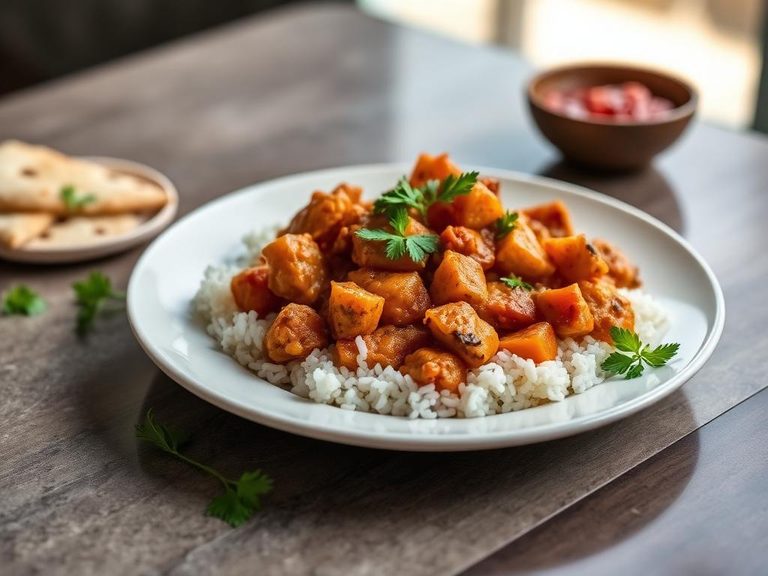
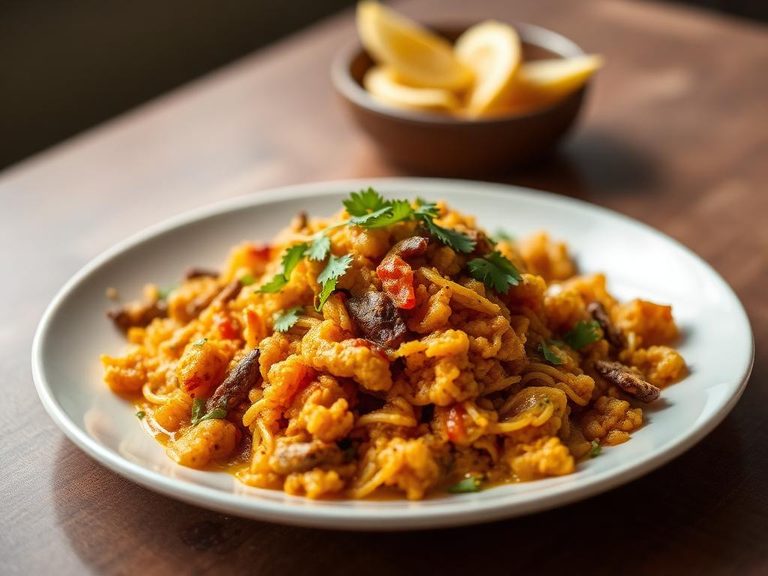
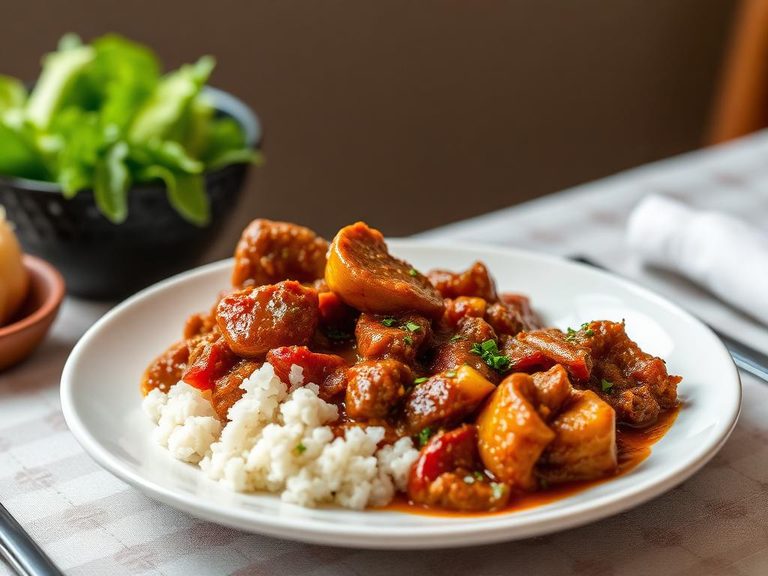

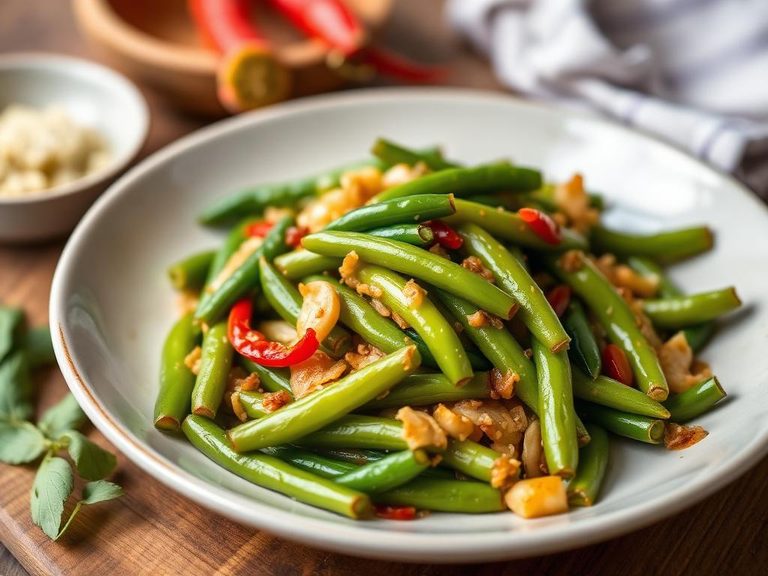
🌍 Where it's eaten
💡 Did you know?
Despite their name, hyacinth beans are not related to the hyacinth flower but are a member of the legume family, *Lablab purpureus*, and are sometimes called 'Indian beans' or 'dolichos beans'.
Full nutrition (USDA data · scales with serving)
| Water | 86.9 g |
| Energy | 50.0 kcal |
| Energy | 209 kj |
| Protein | 3.0 g |
| Total lipid (fat) | 0.27 g |
| Ash | 0.68 g |
| Carbohydrate, by difference | 9.2 g |
| Calcium, Ca | 41.0 mg |
| Iron, Fe | 0.76 mg |
| Magnesium, Mg | 42.0 mg |
| Phosphorus, P | 49.0 mg |
| Potassium, K | 262 mg |
| Sodium, Na | 2.0 mg |
| Zinc, Zn | 0.38 mg |
| Copper, Cu | 0.05 mg |
| Manganese, Mn | 0.21 mg |
| Selenium, Se | 1.6 ug |
| Vitamin C, total ascorbic acid | 5.1 mg |
| Thiamin | 0.06 mg |
| Riboflavin | 0.09 mg |
| Niacin | 0.48 mg |
| Pantothenic acid | 0.05 mg |
| Vitamin B-6 | 0.02 mg |
| Folate, total | 47.0 ug |
| Folic acid | 0.00 ug |
| Folate, food | 47.0 ug |
| Folate, DFE | 47.0 ug |
| Vitamin B-12 | 0.00 ug |
| Vitamin A, RAE | 7.0 ug |
| Retinol | 0.00 ug |
| Vitamin A, IU | 142 iu |
| Vitamin D (D2 + D3), International Units | 0.00 iu |
| Vitamin D (D2 + D3) | 0.00 ug |
Fat & fatty acid profile (per 100g)
| Fatty acids, total saturated | 0.12 g |
| SFA 12:0 | 0.00 g |
| SFA 14:0 | 0.00 g |
| SFA 16:0 | 0.08 g |
| SFA 18:0 | 0.01 g |
| Fatty acids, total monounsaturated | 0.13 g |
| MUFA 16:1 | 0.00 g |
| MUFA 18:1 | 0.13 g |
| Fatty acids, total polyunsaturated | 0.01 g |
| PUFA 18:2 | 0.00 g |
| PUFA 18:3 | 0.01 g |
| Fatty acids, total trans | 0.00 g |
| Cholesterol | 0.00 mg |
Amino acid profile (per 100g)
| Threonine | 0.12 g |
| Isoleucine | 0.20 g |
| Leucine | 0.31 g |
| Lysine | 0.20 g |
| Methionine | 0.03 g |
| Cystine | 0.02 g |
| Phenylalanine | 0.07 g |
| Tyrosine | 0.05 g |
| Valine | 0.22 g |
| Arginine | 0.20 g |
| Histidine | 0.12 g |
| Alanine | 0.15 g |
| Aspartic acid | 0.06 g |
| Glutamic acid | 0.36 g |
| Glycine | 0.24 g |
| Serine | 0.15 g |
FAQ
What do hyacinth beans taste like?
They have a mild, slightly nutty and earthy flavor with a creamy texture when cooked, similar to a lima bean or a firm edamame.
Are hyacinth beans the same as black-eyed peas?
No, they are different legumes, though they can be used in similar dishes. Hyacinth beans (Lablab purpureus) are typically flatter and have a distinct, milder taste compared to the creamier black-eyed pea (Vigna unguiculata).
How do I cook dried hyacinth beans?
Soak dried beans in water for 8-12 hours, then drain. Boil in fresh water until tender, which may take 45-60 minutes, before adding them to your recipe. This improves digestibility and texture.
Nutrient density (calculated · NRF9.3)
Nutrient Rich Foods index: beneficial nutrients (protein, fiber, vitamins, minerals) minus saturated fat, added sugar & sodium, per 100 kcal.
NRF9.3 index — Fulgoni, Keast & Drewnowski, 2009. Computed from USDA nutrients.
Weight-loss friendliness (composite index)
Energy density 0.50 kcal/g · 24% calories from protein · 0.0 g fiber · 0.0 g sugar per 100 g.
Composite of energy density (Rolls et al., 1999), protein & fiber satiety, minus sugar. A calculated heuristic — ranks satiety-per-calorie, not a clinical measure.
Dietary load (calculated from USDA values)
Potential renal acid load. Positive = acid-forming, negative = alkaline-forming.
Sodium-to-potassium ratio: 0.01 (lower is better — aim for ≤ 1)
Sodium:potassium per WHO potassium guidance. Computed from USDA nutrients.