

Headcheese, pork
Whole food · Sausages and Luncheon Meats

Photo: Wikipedia
Headcheese is a traditional charcuterie terrine made from the head of a pig (or calf, sheep, or cow) simmered until the meat falls off the bone, then set in its own natural gelatin. It has a rich, savory, and slightly tangy flavor with a unique texture that is both tender and firm, often studded with bits of cartilage and skin. Nutritionally, it is a high-protein, zero-carb food, providing 13.83g of protein per 100g with 10.9g of fat, making it a dense, satisfying option for low-carb or ketogenic diets.
Calorie split: 36% protein · 0% carbs · 64% fat
↓ Full nutrition💚 Why it's loved
People love headcheese for its complex, deeply savory flavor and its satisfying, rustic texture that is unlike any other deli meat. It is cherished in many cultures as a versatile, ready-to-eat delicacy that can be sliced thin for sandwiches or served as part of a charcuterie board, often evoking a sense of heritage and tradition.
⚠️ Watch-outs & how to enjoy it better
Some find the texture unappealing due to the presence of cartilage and gelatinous parts, and the high sodium content can be a concern for those monitoring blood pressure. To counteract sodium, pair it with low-sodium sides like fresh vegetables or unsalted crackers, and practice portion control by limiting servings to 100-150g. Those with high cholesterol should also be mindful of the saturated fat content and balance it with leaner protein sources.
Key benefits
- High in protein, supporting muscle maintenance and satiety.
- Zero carbohydrates and sugar, ideal for ketogenic and low-carb diets.
- Rich in collagen and gelatin from the natural cooking process, which can support joint and gut health.
- Provides essential minerals like iron and zinc from the pork.
- A traditional, nose-to-tail food that reduces food waste.
🍽️ Popular dishes
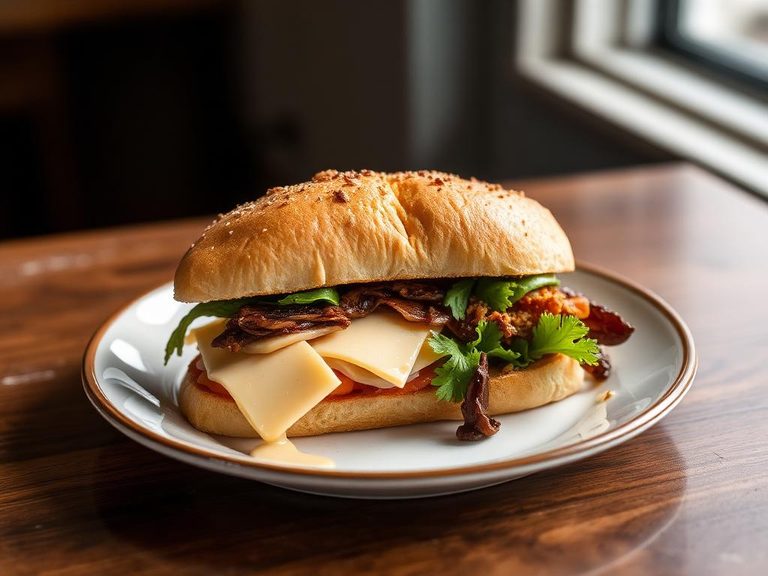

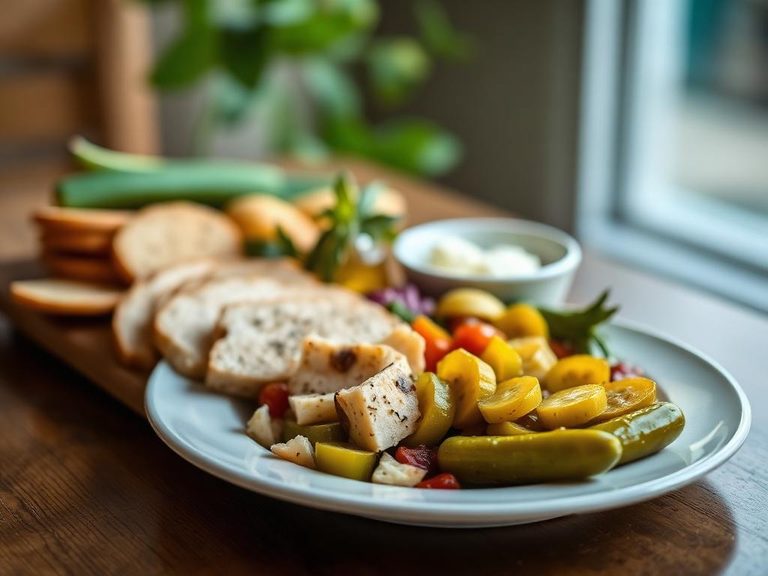
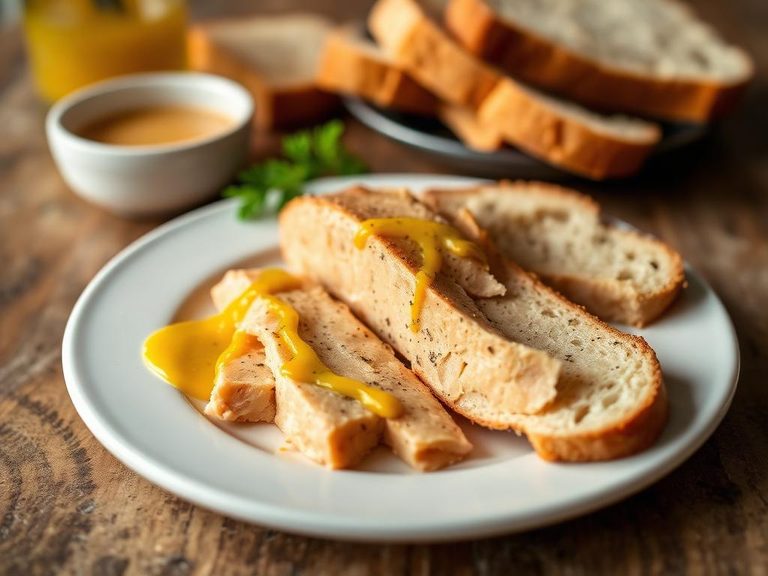
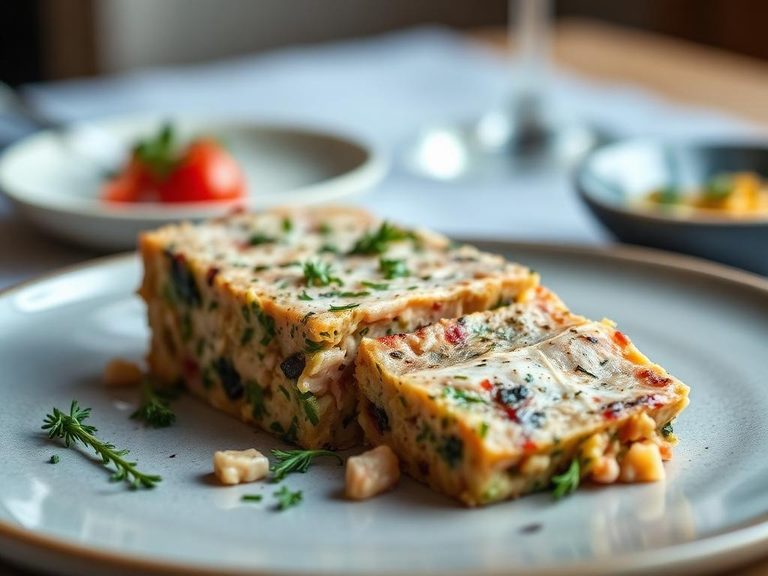
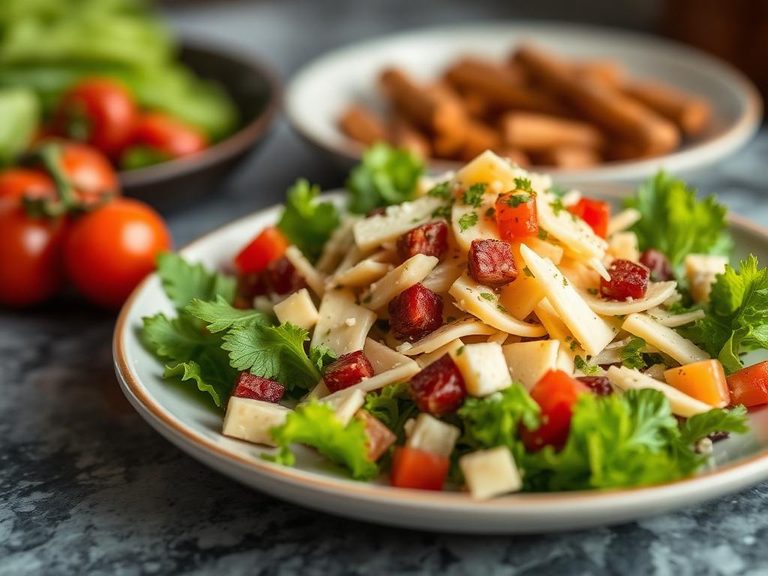
🌍 Where it's eaten
💡 Did you know?
Despite its name, headcheese contains no cheese at all; the term 'cheese' historically referred to the curd-like texture of the gelatin-set meat mixture.
Full nutrition (USDA data · scales with serving)
| Water | 73.8 g |
| Energy | 157 kcal |
| Energy | 658 kj |
| Protein | 13.8 g |
| Total lipid (fat) | 10.9 g |
| Ash | 2.1 g |
| Carbohydrate, by difference | 0.00 g |
| Fiber, total dietary | 0.00 g |
| Total Sugars | 0.00 g |
| Calcium, Ca | 16.0 mg |
| Iron, Fe | 1.5 mg |
| Magnesium, Mg | 9.0 mg |
| Phosphorus, P | 56.0 mg |
| Potassium, K | 31.0 mg |
| Sodium, Na | 941 mg |
| Zinc, Zn | 0.97 mg |
| Copper, Cu | 0.12 mg |
| Selenium, Se | 0.10 ug |
| Vitamin C, total ascorbic acid | 0.00 mg |
| Thiamin | 0.02 mg |
| Riboflavin | 0.12 mg |
| Niacin | 0.44 mg |
| Vitamin B-6 | 0.19 mg |
| Folate, total | 2.0 ug |
| Folic acid | 0.00 ug |
| Folate, food | 2.0 ug |
| Folate, DFE | 2.0 ug |
| Choline, total | 104 mg |
| Betaine | 2.7 mg |
| Vitamin B-12 | 1.1 ug |
| Vitamin B-12, added | 0.00 ug |
| Vitamin A, RAE | 0.00 ug |
| Retinol | 0.00 ug |
| Carotene, beta | 0.00 ug |
| Carotene, alpha | 0.00 ug |
| Cryptoxanthin, beta | 0.00 ug |
| Vitamin A, IU | 0.00 iu |
| Lycopene | 0.00 ug |
| Lutein + zeaxanthin | 0.00 ug |
| Vitamin E (alpha-tocopherol) | 0.25 mg |
| Vitamin E, added | 0.00 mg |
| Vitamin D (D2 + D3), International Units | 37.0 iu |
| Vitamin D (D2 + D3) | 0.90 ug |
| Vitamin D3 (cholecalciferol) | 0.90 ug |
| Vitamin K (phylloquinone) | 3.4 ug |
| Alcohol, ethyl | 0.00 g |
| Caffeine | 0.00 mg |
| Theobromine | 0.00 mg |
Fat & fatty acid profile (per 100g)
| Fatty acids, total saturated | 3.4 g |
| SFA 4:0 | 0.00 g |
| SFA 6:0 | 0.00 g |
| SFA 8:0 | 0.00 g |
| SFA 10:0 | 0.02 g |
| SFA 12:0 | 0.01 g |
| SFA 14:0 | 0.19 g |
| SFA 16:0 | 2.1 g |
| SFA 18:0 | 1.1 g |
| Fatty acids, total monounsaturated | 5.6 g |
| MUFA 16:1 | 0.57 g |
| MUFA 18:1 | 5.0 g |
| MUFA 20:1 | 0.00 g |
| MUFA 22:1 | 0.00 g |
| Fatty acids, total polyunsaturated | 1.1 g |
| PUFA 18:2 | 1.0 g |
| PUFA 18:3 | 0.13 g |
| PUFA 18:4 | 0.00 g |
| PUFA 20:4 | 0.00 g |
| PUFA 20:5 n-3 (EPA) | 0.00 g |
| PUFA 22:5 n-3 (DPA) | 0.00 g |
| PUFA 22:6 n-3 (DHA) | 0.00 g |
| Cholesterol | 69.0 mg |
FAQ
Is headcheese actually cheese?
No, headcheese is not cheese. It is a type of meat terrine or aspic made from the head of a pig (or other animal) that is cooked until the meat is tender and set in its own natural gelatin. The name 'cheese' comes from the old term for a pressed curd or mold, not from dairy.
Is headcheese healthy?
Headcheese can be a nutritious food in moderation. It is high in protein and low in carbohydrates, making it suitable for low-carb diets. However, it is also high in sodium and saturated fat, so it should be consumed in moderation, especially by those with high blood pressure or cholesterol concerns.
How do you eat headcheese?
Headcheese is typically served cold, sliced thin, and eaten on its own, on sandwiches, or as part of a charcuterie board. It pairs well with mustard, pickles, rye bread, and other tangy or acidic condiments that balance its rich flavor.
Nutrient density (calculated · NRF9.3)
Nutrient Rich Foods index: beneficial nutrients (protein, fiber, vitamins, minerals) minus saturated fat, added sugar & sodium, per 100 kcal.
NRF9.3 index — Fulgoni, Keast & Drewnowski, 2009. Computed from USDA nutrients.
Weight-loss friendliness (composite index)
Energy density 1.57 kcal/g · 35% calories from protein · 0.0 g fiber · 0.0 g sugar per 100 g.
Composite of energy density (Rolls et al., 1999), protein & fiber satiety, minus sugar. A calculated heuristic — ranks satiety-per-calorie, not a clinical measure.
Dietary load (calculated from USDA values)
Potential renal acid load. Positive = acid-forming, negative = alkaline-forming.
Sodium-to-potassium ratio: 30.35 (lower is better — aim for ≤ 1)
Sodium:potassium per WHO potassium guidance. Computed from USDA nutrients.