

Fish, mullet, striped, cooked, dry heat
Whole food · Finfish and Shellfish Products

Photo: Wikipedia
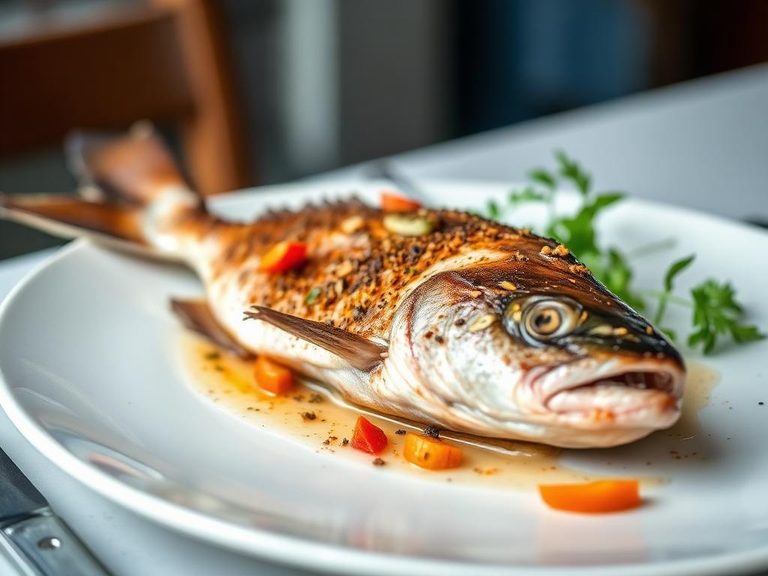
Striped mullet, cooked via dry heat, is a lean, firm-fleshed white fish with a clean, mildly sweet flavor and a satisfying, flaky texture. Its standout nutritional feature is its exceptional protein density—nearly 25 grams per 100 calories—with virtually no carbohydrates or sugars. This makes it a powerhouse for muscle maintenance and satiety without any glycemic impact.
Calorie split: 69% protein · 0% carbs · 31% fat
↓ Full nutrition💚 Why it's loved
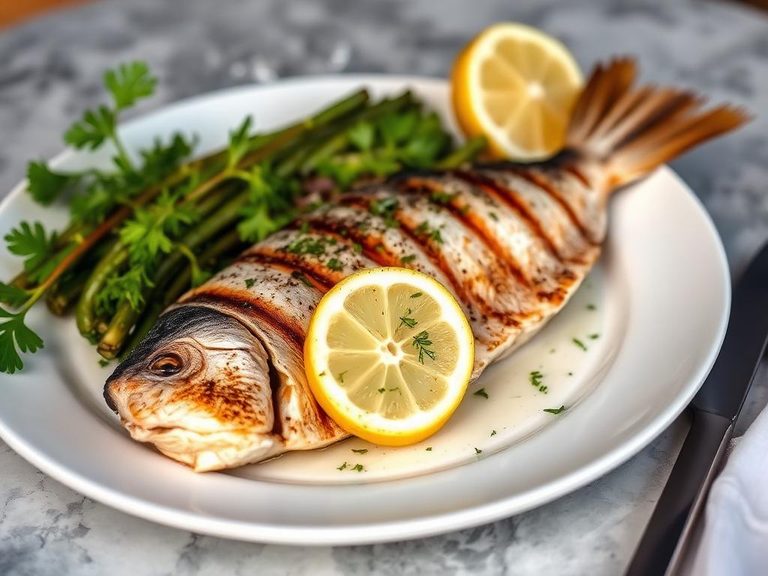
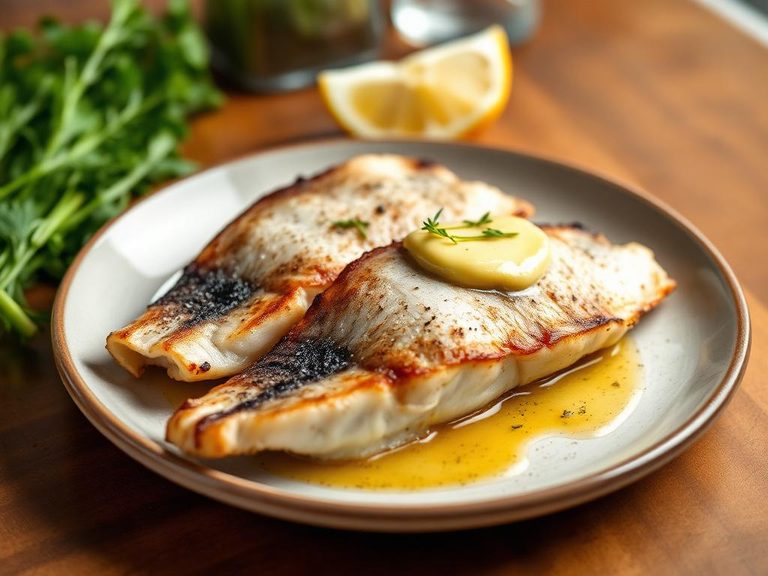
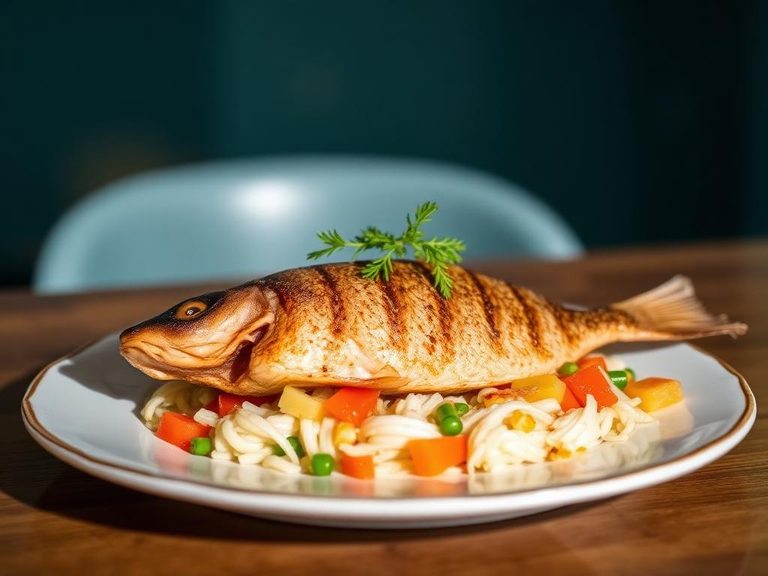
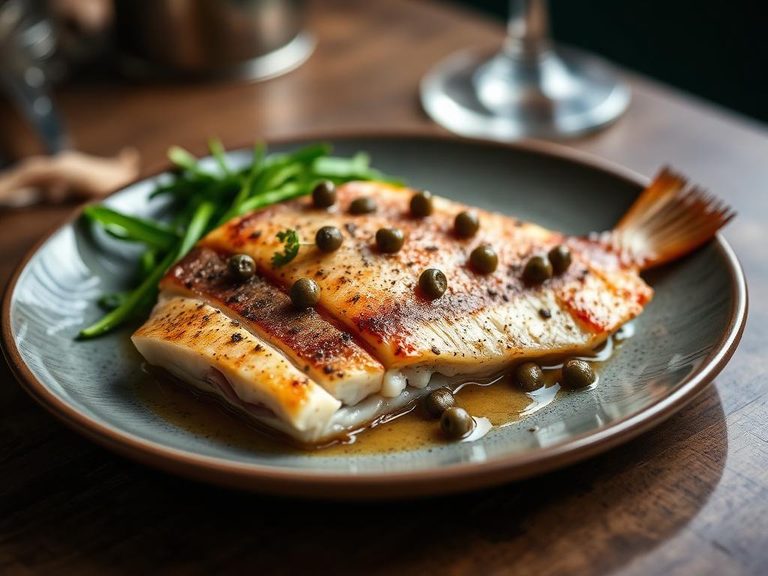
People cherish striped mullet for its versatile, mild flavor that readily absorbs marinades and seasonings, making it a blank canvas for global cuisines. Its firm texture holds up beautifully to grilling, broiling, or pan-searing, delivering a satisfying meal without a 'fishy' aftertaste.
⚠️ Watch-outs & how to enjoy it better
As with many fish, it can be a common allergen for those with seafood sensitivities. To mitigate any potential dryness from its lean profile, marinate briefly in an acidic component like lemon juice or vinegar, or cook using a quick, high-heat method like grilling or broiling while basting with a small amount of oil or butter. Always ensure proper cooking to a safe internal temperature.
Key benefits
- Excellent source of high-quality, complete protein
- Very low in calories for the protein provided
- Zero carbohydrates, sugars, or fiber
- Naturally low in fat, providing essential fatty acids
- Good source of B vitamins like niacin and B12
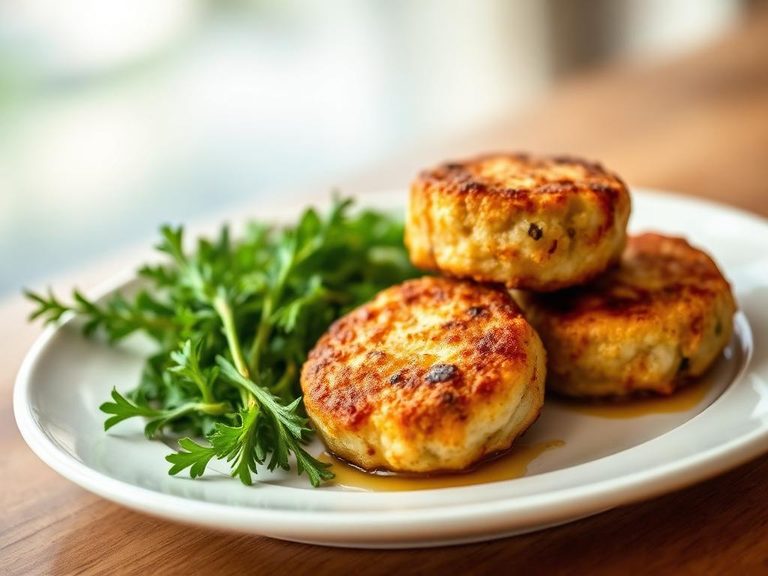
🍽️ Popular dishes
🌍 Where it's eaten
💡 Did you know?
Striped mullet are famous for their 'leaping' behavior, often jumping several feet out of the water, which is thought to be a way to dislodge parasites or navigate during their spawning migrations.
Full nutrition (USDA data · scales with serving)
| Water | 70.5 g |
| Energy | 150 kcal |
| Energy | 628 kj |
| Protein | 24.8 g |
| Total lipid (fat) | 4.9 g |
| Ash | 1.3 g |
| Carbohydrate, by difference | 0.00 g |
| Fiber, total dietary | 0.00 g |
| Calcium, Ca | 31.0 mg |
| Iron, Fe | 1.4 mg |
| Magnesium, Mg | 33.0 mg |
| Phosphorus, P | 244 mg |
| Potassium, K | 458 mg |
| Sodium, Na | 71.0 mg |
| Zinc, Zn | 0.88 mg |
| Copper, Cu | 0.14 mg |
| Manganese, Mn | 0.02 mg |
| Selenium, Se | 46.8 ug |
| Vitamin C, total ascorbic acid | 1.2 mg |
| Thiamin | 0.10 mg |
| Riboflavin | 0.10 mg |
| Niacin | 6.3 mg |
| Pantothenic acid | 0.88 mg |
| Vitamin B-6 | 0.49 mg |
| Folate, total | 10.0 ug |
| Folic acid | 0.00 ug |
| Folate, food | 10.0 ug |
| Folate, DFE | 10.0 ug |
| Vitamin B-12 | 0.25 ug |
| Vitamin A, RAE | 42.0 ug |
| Retinol | 42.0 ug |
| Vitamin A, IU | 141 iu |
Fat & fatty acid profile (per 100g)
| Fatty acids, total saturated | 1.4 g |
| SFA 14:0 | 0.06 g |
| SFA 16:0 | 0.29 g |
| SFA 18:0 | 0.10 g |
| Fatty acids, total monounsaturated | 1.4 g |
| MUFA 16:1 | 0.18 g |
| MUFA 18:1 | 0.20 g |
| Fatty acids, total polyunsaturated | 0.92 g |
| PUFA 18:2 | 0.09 g |
| PUFA 20:4 | 0.10 g |
| PUFA 20:5 n-3 (EPA) | 0.18 g |
| PUFA 22:5 n-3 (DPA) | 0.09 g |
| PUFA 22:6 n-3 (DHA) | 0.15 g |
| Cholesterol | 63.0 mg |
Amino acid profile (per 100g)
| Tryptophan | 0.28 g |
| Threonine | 1.1 g |
| Isoleucine | 1.1 g |
| Leucine | 2.0 g |
| Lysine | 2.3 g |
| Methionine | 0.73 g |
| Cystine | 0.27 g |
| Phenylalanine | 0.97 g |
| Tyrosine | 0.84 g |
| Valine | 1.3 g |
| Arginine | 1.5 g |
| Histidine | 0.73 g |
| Alanine | 1.5 g |
| Aspartic acid | 2.5 g |
| Glutamic acid | 3.7 g |
| Glycine | 1.2 g |
| Proline | 0.88 g |
| Serine | 1.0 g |
FAQ
How does striped mullet compare to other white fish like tilapia or cod?
Striped mullet has a slightly firmer texture and a more distinct, sweet flavor than mild tilapia. Compared to cod, it is less flaky and has a higher fat content, which can make it more moist when cooked properly. Nutritionally, it is very similar to cod in protein but may have slightly more fat.
What's the best way to cook it to keep it moist?
Because it's lean, quick, high-heat methods are ideal. Grilling, broiling, or pan-searing over medium-high heat for just a few minutes per side works best. Marinating for 15-30 minutes beforehand or brushing with oil/butter during cooking helps lock in moisture.
Is it safe to eat the skin?
Yes, the skin is edible and becomes crispy when grilled or broiled, adding texture and flavor. Simply scale the fish thoroughly before cooking. If you prefer not to eat it, it's easy to remove after cooking.
Nutrient density (calculated · NRF9.3)
Nutrient Rich Foods index: beneficial nutrients (protein, fiber, vitamins, minerals) minus saturated fat, added sugar & sodium, per 100 kcal.
NRF9.3 index — Fulgoni, Keast & Drewnowski, 2009. Computed from USDA nutrients.
Weight-loss friendliness (composite index)
Energy density 1.50 kcal/g · 66% calories from protein · 0.0 g fiber · 0.0 g sugar per 100 g.
Composite of energy density (Rolls et al., 1999), protein & fiber satiety, minus sugar. A calculated heuristic — ranks satiety-per-calorie, not a clinical measure.
Dietary load (calculated from USDA values)
Potential renal acid load. Positive = acid-forming, negative = alkaline-forming.
Sodium-to-potassium ratio: 0.16 (lower is better — aim for ≤ 1)
Sodium:potassium per WHO potassium guidance. Computed from USDA nutrients.