

Dill weed, fresh
Whole food · Spices and Herbs

Photo: Wikipedia
Fresh dill weed is a feathery, bright green herb with a delicate, grassy aroma and a complex flavor that is simultaneously grassy, slightly anise-like, and subtly citrusy. Its tender leaves provide a vibrant, fresh finish to dishes without adding significant calories, contributing only 43 kcal per 100g. It is a notable source of vitamin C and manganese, offering more nutritional punch than its light calorie count suggests.
Calorie split: 27% protein · 54% carbs · 19% fat
↓ Full nutrition💚 Why it's loved
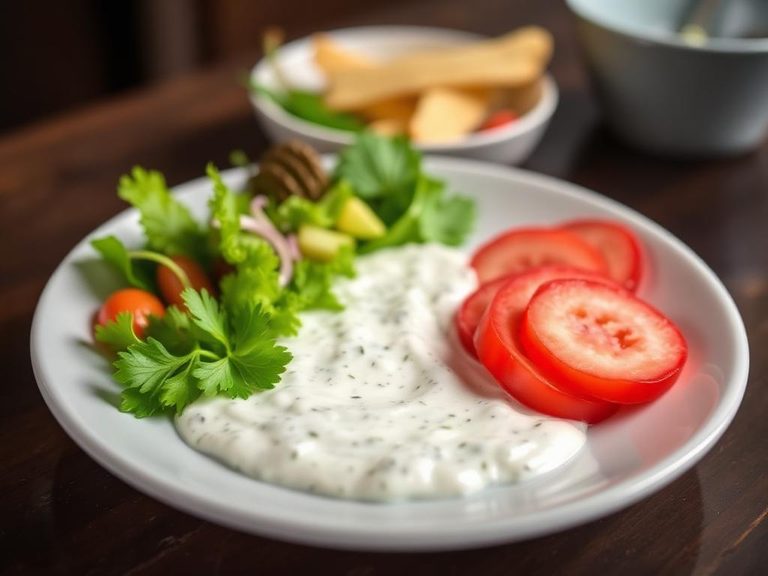
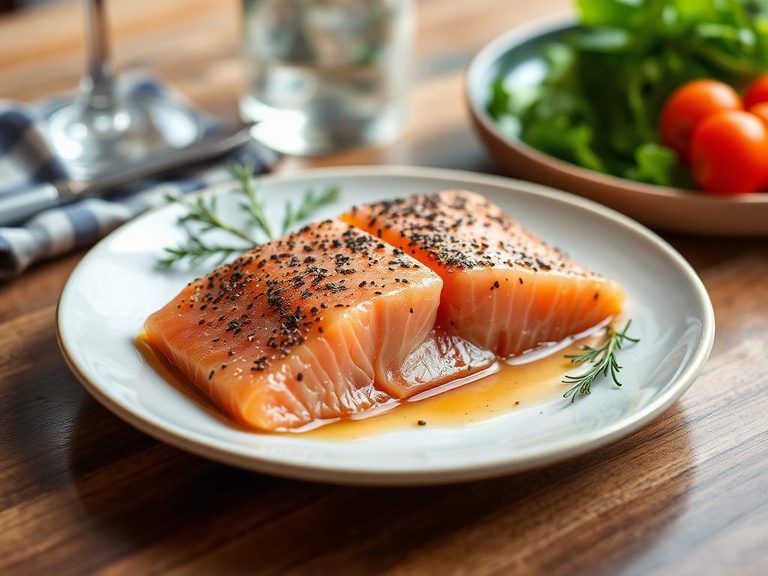
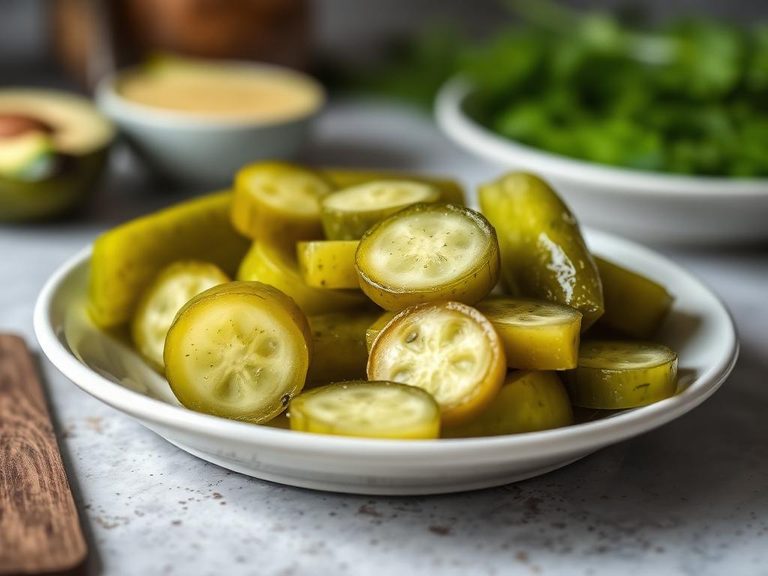
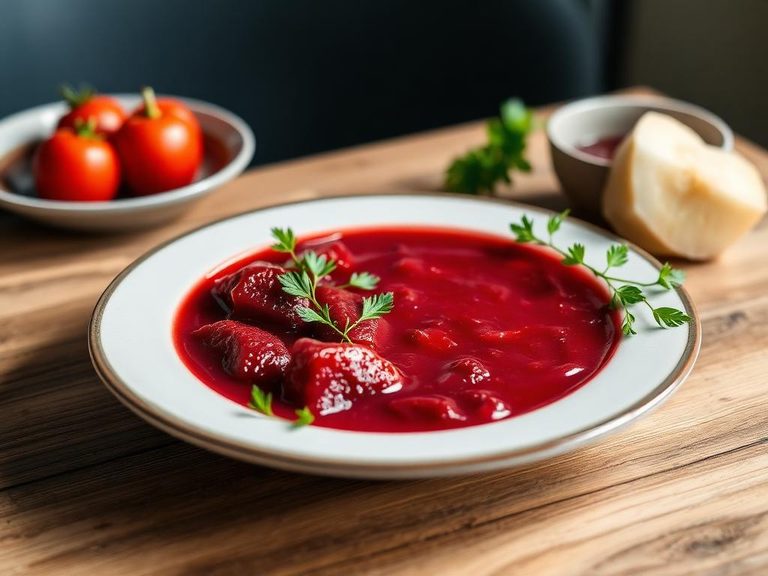
People love dill for its unique, bright flavor that cuts through richness and complements creamy, fish, and egg dishes perfectly. Its versatility spans from a finishing touch on soups to a key component in pickling brines, making it a staple in many kitchens.
⚠️ Watch-outs & how to enjoy it better
While generally safe, dill contains compounds called oxalates, which in very large amounts could contribute to kidney stone formation in susceptible individuals. To mitigate this, ensure adequate water intake and balance dill-rich meals with calcium-rich foods, which can bind oxalates in the gut.
Key benefits
- Rich in antioxidants like flavonoids and monoterpenes.
- Good source of vitamin C, supporting immune function.
- Provides manganese, essential for bone health and metabolism.
- Contains dietary fiber, aiding digestive health.
- Adds flavor without sodium or added sugars.
🍽️ Popular dishes
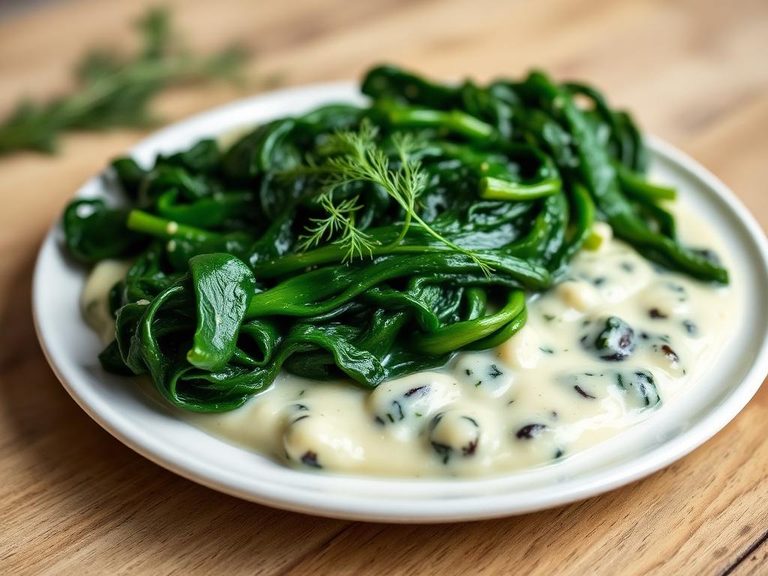
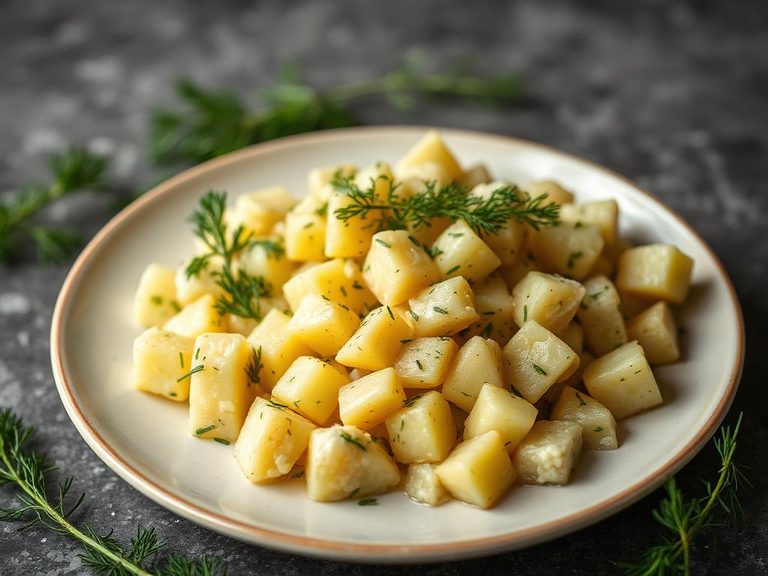
🌍 Where it's eaten
💡 Did you know?
The name 'dill' comes from the Old Norse word 'dilla,' meaning 'to soothe or calm,' reflecting its historical use as a digestive aid and to calm colicky infants.
Full nutrition (USDA data · scales with serving)
| Water | 86.0 g |
| Energy | 43.0 kcal |
| Energy | 180 kj |
| Protein | 3.5 g |
| Total lipid (fat) | 1.1 g |
| Ash | 2.5 g |
| Carbohydrate, by difference | 7.0 g |
| Fiber, total dietary | 2.1 g |
| Calcium, Ca | 208 mg |
| Iron, Fe | 6.6 mg |
| Magnesium, Mg | 55.0 mg |
| Phosphorus, P | 66.0 mg |
| Potassium, K | 738 mg |
| Sodium, Na | 61.0 mg |
| Zinc, Zn | 0.91 mg |
| Copper, Cu | 0.15 mg |
| Manganese, Mn | 1.3 mg |
| Vitamin C, total ascorbic acid | 85.0 mg |
| Thiamin | 0.06 mg |
| Riboflavin | 0.30 mg |
| Niacin | 1.6 mg |
| Pantothenic acid | 0.40 mg |
| Vitamin B-6 | 0.18 mg |
| Folate, total | 150 ug |
| Folic acid | 0.00 ug |
| Folate, food | 150 ug |
| Folate, DFE | 150 ug |
| Vitamin B-12 | 0.00 ug |
| Vitamin A, RAE | 386 ug |
| Retinol | 0.00 ug |
| Vitamin A, IU | 7718 iu |
| Vitamin D (D2 + D3), International Units | 0.00 iu |
| Vitamin D (D2 + D3) | 0.00 ug |
Fat & fatty acid profile (per 100g)
| Fatty acids, total saturated | 0.06 g |
| SFA 12:0 | 0.00 g |
| SFA 14:0 | 0.00 g |
| SFA 16:0 | 0.05 g |
| SFA 18:0 | 0.01 g |
| Fatty acids, total monounsaturated | 0.80 g |
| MUFA 16:1 | 0.00 g |
| MUFA 18:1 | 0.80 g |
| Fatty acids, total polyunsaturated | 0.10 g |
| PUFA 18:2 | 0.08 g |
| PUFA 18:3 | 0.01 g |
| Fatty acids, total trans | 0.00 g |
| Cholesterol | 0.00 mg |
Amino acid profile (per 100g)
| Tryptophan | 0.01 g |
| Threonine | 0.07 g |
| Isoleucine | 0.20 g |
| Leucine | 0.16 g |
| Lysine | 0.25 g |
| Methionine | 0.01 g |
| Cystine | 0.02 g |
| Phenylalanine | 0.07 g |
| Tyrosine | 0.10 g |
| Valine | 0.15 g |
| Arginine | 0.14 g |
| Histidine | 0.07 g |
| Alanine | 0.23 g |
| Aspartic acid | 0.34 g |
| Glutamic acid | 0.29 g |
| Glycine | 0.17 g |
| Proline | 0.25 g |
| Serine | 0.16 g |
FAQ
What's the difference between dill weed and dill seed?
Dill weed refers to the fresh or dried leaves and stems, used for its bright, grassy flavor. Dill seed is the dried fruit of the plant, with a more potent, slightly bitter, and caraway-like flavor, often used in pickling and spice blends.
How should I store fresh dill?
Treat it like a bouquet of flowers: trim the stems, place in a jar with an inch of water, cover loosely with a plastic bag, and refrigerate. Alternatively, wrap in a damp paper towel and store in a container. It should last 1-2 weeks.
Can I substitute dried dill for fresh?
Yes, but use about one-third the amount, as dried dill is more concentrated. The flavor will be less vibrant and fresh. Add dried dill earlier in cooking to rehydrate and meld its flavor, while fresh dill is best added at the end.
Nutrient density (calculated · NRF9.3)
Nutrient Rich Foods index: beneficial nutrients (protein, fiber, vitamins, minerals) minus saturated fat, added sugar & sodium, per 100 kcal.
NRF9.3 index — Fulgoni, Keast & Drewnowski, 2009. Computed from USDA nutrients.
Weight-loss friendliness (composite index)
Energy density 0.43 kcal/g · 32% calories from protein · 2.1 g fiber · 0.0 g sugar per 100 g.
Composite of energy density (Rolls et al., 1999), protein & fiber satiety, minus sugar. A calculated heuristic — ranks satiety-per-calorie, not a clinical measure.
Dietary load (calculated from USDA values)
Potential renal acid load. Positive = acid-forming, negative = alkaline-forming.
Sodium-to-potassium ratio: 0.08 (lower is better — aim for ≤ 1)
Sodium:potassium per WHO potassium guidance. Computed from USDA nutrients.