

Dates, medjool
Whole food · Fruits and Fruit Juices

Photo: Wikipedia
The Medjool date is the 'king of dates,' prized for its large size, soft, caramel-like flesh, and rich, honeyed sweetness. A natural energy powerhouse, it delivers a substantial 74.97g of carbohydrates per 100g, primarily as sugars, making it a potent source of quick fuel. Its luxurious texture and complex flavor profile set it apart from other varieties, often described as having notes of toffee and cinnamon.
Calorie split: 2% protein · 97% carbs · 0% fat
↓ Full nutrition💚 Why it's loved
People adore Medjool dates for their incredibly rich, caramel-like flavor and satisfyingly chewy, almost fudgy texture. Their natural sweetness makes them a beloved, versatile ingredient in both sweet and savory dishes, from energy balls to gourmet salads, and they hold deep cultural significance in Middle Eastern and North African cuisines as a symbol of hospitality and celebration.
⚠️ Watch-outs & how to enjoy it better
Their extremely high sugar content (66.47g per 100g) can cause rapid blood sugar spikes, making them a concern for individuals with diabetes or insulin resistance. To mitigate this, pair them with a source of protein or healthy fat (like nuts or yogurt) to slow sugar absorption, practice strict portion control (1-2 dates), and avoid consuming them on an empty stomach. They are also calorie-dense, so overindulgence can hinder weight management goals.
Key benefits
- High in natural sugars for rapid energy
- Good source of dietary fiber (6.7g per 100g)
- Contains essential minerals like potassium and magnesium
- Naturally fat-free and cholesterol-free
- Can serve as a healthy, whole-food sweetener
🍽️ Popular dishes
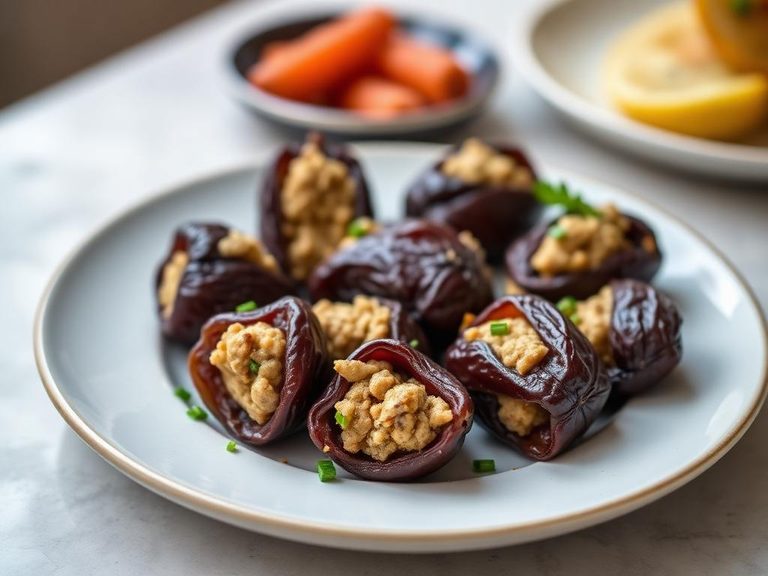
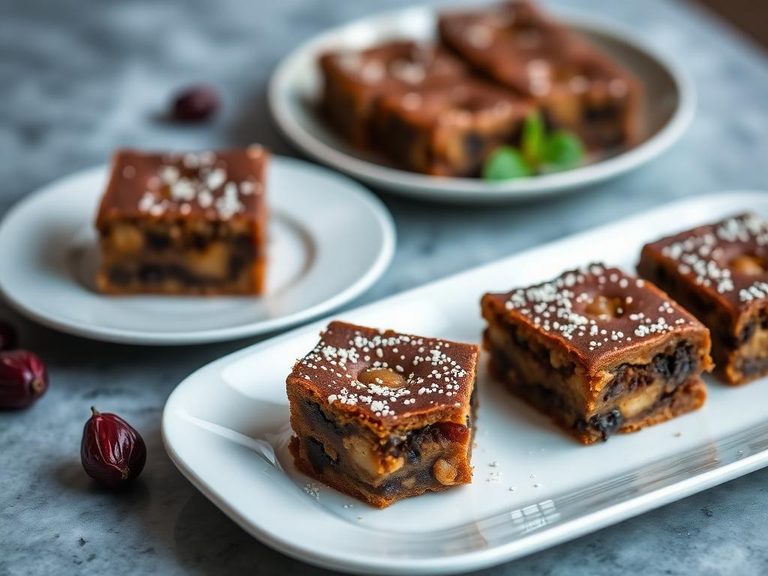
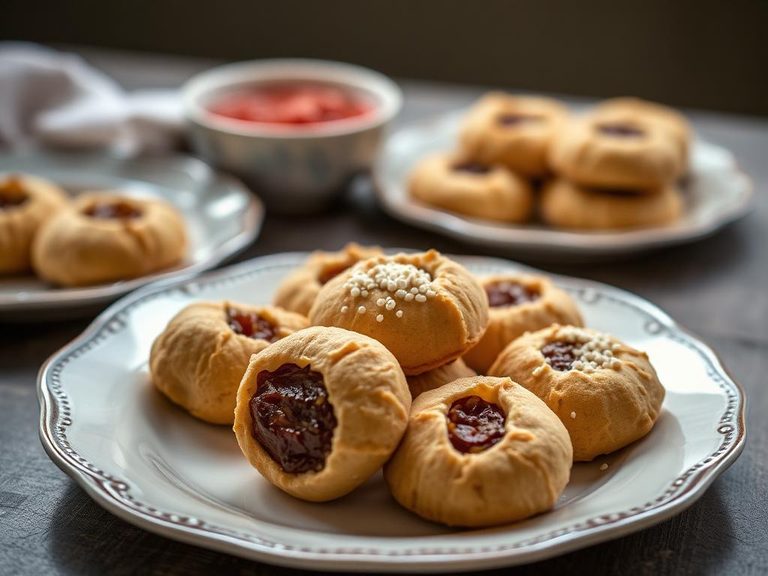
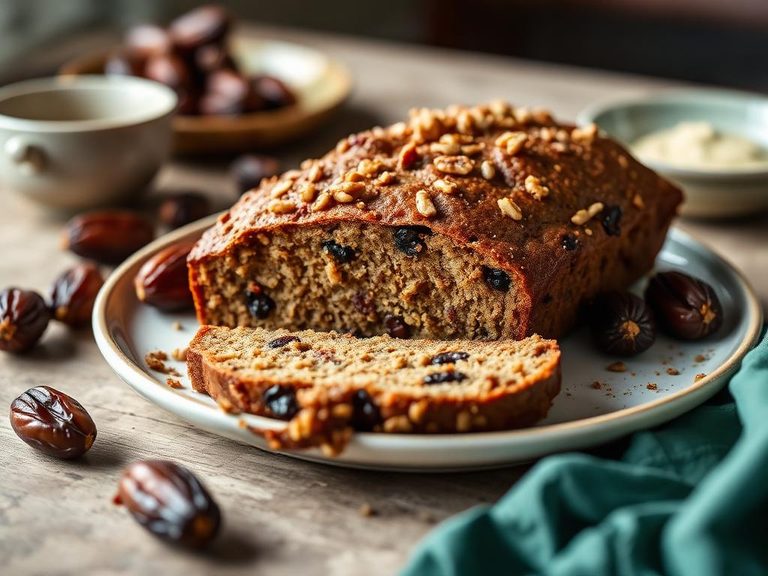
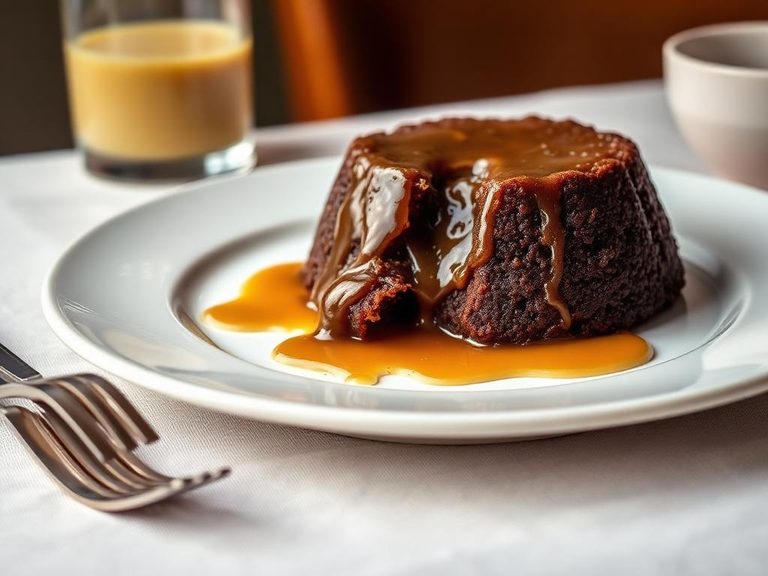
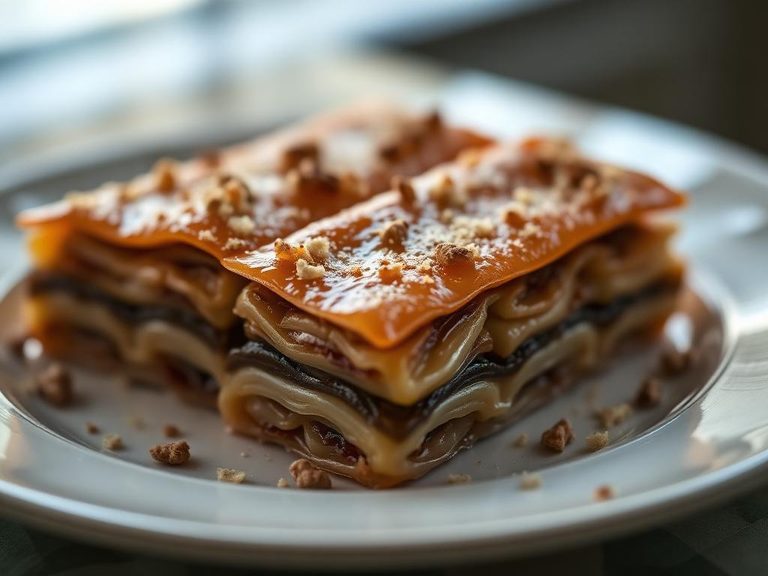
🌍 Where it's eaten
💡 Did you know?
Medjool dates were once considered 'the food of kings' and were so rare and prized that they were reserved exclusively for Moroccan royalty before being introduced to the US in the 1920s.
Full nutrition (USDA data · scales with serving)
| Water | 21.3 g |
| Energy | 277 kcal |
| Energy | 1160 kj |
| Protein | 1.8 g |
| Total lipid (fat) | 0.15 g |
| Ash | 1.7 g |
| Carbohydrate, by difference | 75.0 g |
| Fiber, total dietary | 6.7 g |
| Total Sugars | 66.5 g |
| Sucrose | 0.53 g |
| Glucose | 33.7 g |
| Fructose | 31.9 g |
| Lactose | 0.00 g |
| Maltose | 0.30 g |
| Galactose | 0.00 g |
| Calcium, Ca | 64.0 mg |
| Iron, Fe | 0.90 mg |
| Magnesium, Mg | 54.0 mg |
| Phosphorus, P | 62.0 mg |
| Potassium, K | 696 mg |
| Sodium, Na | 1.0 mg |
| Zinc, Zn | 0.44 mg |
| Copper, Cu | 0.36 mg |
| Manganese, Mn | 0.30 mg |
| Vitamin C, total ascorbic acid | 0.00 mg |
| Thiamin | 0.05 mg |
| Riboflavin | 0.06 mg |
| Niacin | 1.6 mg |
| Pantothenic acid | 0.81 mg |
| Vitamin B-6 | 0.25 mg |
| Folate, total | 15.0 ug |
| Folic acid | 0.00 ug |
| Folate, food | 15.0 ug |
| Folate, DFE | 15.0 ug |
| Choline, total | 9.9 mg |
| Betaine | 0.40 mg |
| Vitamin A, RAE | 7.0 ug |
| Carotene, beta | 89.0 ug |
| Carotene, alpha | 0.00 ug |
| Cryptoxanthin, beta | 0.00 ug |
| Vitamin A, IU | 149 iu |
| Lycopene | 0.00 ug |
| Lutein + zeaxanthin | 23.0 ug |
| Vitamin D (D2 + D3), International Units | 0.00 iu |
| Vitamin D (D2 + D3) | 0.00 ug |
| Vitamin K (phylloquinone) | 2.7 ug |
| Vitamin K (Dihydrophylloquinone) | 0.00 ug |
Fat & fatty acid profile (per 100g)
| Fatty acids, total trans | 0.00 g |
Amino acid profile (per 100g)
| Tryptophan | 0.01 g |
| Threonine | 0.04 g |
| Isoleucine | 0.04 g |
| Leucine | 0.08 g |
| Lysine | 0.05 g |
| Methionine | 0.02 g |
| Cystine | 0.05 g |
| Phenylalanine | 0.05 g |
| Tyrosine | 0.02 g |
| Valine | 0.07 g |
| Arginine | 0.06 g |
| Histidine | 0.03 g |
| Alanine | 0.08 g |
| Aspartic acid | 0.22 g |
| Glutamic acid | 0.27 g |
| Glycine | 0.09 g |
| Proline | 0.11 g |
| Serine | 0.06 g |
FAQ
Are Medjool dates the same as regular dates?
No. Medjool dates are a specific variety known for their large size, soft texture, and rich, caramel-like flavor. They are often more expensive and are considered a 'premium' date compared to varieties like Deglet Noor, which are firmer and less sweet.
How should I store Medjool dates?
Store them in an airtight container at room temperature for up to 6 months, or in the refrigerator for up to a year to maintain their softness and prevent drying out. They can also be frozen for long-term storage.
Can Medjool dates be used as a sugar substitute in baking?
Yes, they are an excellent natural sweetener. To use them, soak them in warm water to soften, then blend into a paste. This paste can replace refined sugar in many recipes, though it will add moisture and a distinct caramel flavor.
Nutrient density (calculated · NRF9.3)
Nutrient Rich Foods index: beneficial nutrients (protein, fiber, vitamins, minerals) minus saturated fat, added sugar & sodium, per 100 kcal.
NRF9.3 index — Fulgoni, Keast & Drewnowski, 2009. Computed from USDA nutrients.
Weight-loss friendliness (composite index)
Energy density 2.77 kcal/g · 3% calories from protein · 6.7 g fiber · 66.5 g sugar per 100 g.
Composite of energy density (Rolls et al., 1999), protein & fiber satiety, minus sugar. A calculated heuristic — ranks satiety-per-calorie, not a clinical measure.
Dietary load (calculated from USDA values)
Potential renal acid load. Positive = acid-forming, negative = alkaline-forming.
Sodium-to-potassium ratio: 0.00 (lower is better — aim for ≤ 1)
Sodium:potassium per WHO potassium guidance. Computed from USDA nutrients.