

Classic mixed vegetables, canned, reduced sodium, cooked, no added fat
Common food
A convenient medley of tender carrots, green beans, corn, and peas, this canned mix offers a mild, slightly sweet, and earthy flavor with a soft, uniform texture. It's a low-calorie, high-fiber staple that provides a quick source of complex carbohydrates and essential vitamins like A and C.
Calorie split: 16% protein · 76% carbs · 8% fat
↓ Full nutrition💚 Why it's loved
People love it for its nostalgic, comforting taste and incredible versatility—it's a blank canvas that can be quickly added to soups, stews, casseroles, or sautéed as a simple side dish, embodying practical home cooking.
⚠️ Watch-outs & how to enjoy it better
The soft, uniform texture can be unappealing to some, and the canning process can mute fresh flavors. Those monitoring blood sugar should be mindful of its carbohydrate content, and even reduced-sodium versions contain some salt. Tip: Pair it with a lean protein like chicken or fish and a healthy fat like olive oil to create a more balanced, satisfying meal that moderates blood sugar response.
Key benefits
- Very low in calories and fat, supporting weight management.
- Good source of dietary fiber for digestive health.
- Provides essential vitamins and minerals, including Vitamin A and potassium.
- Reduced sodium version helps manage salt intake.
- Long shelf life and ready to eat, offering ultimate convenience.
🍽️ Popular dishes
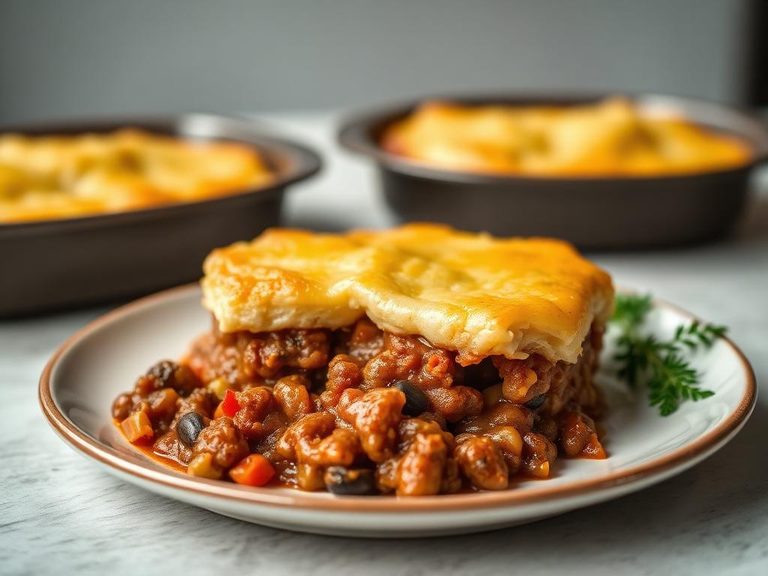
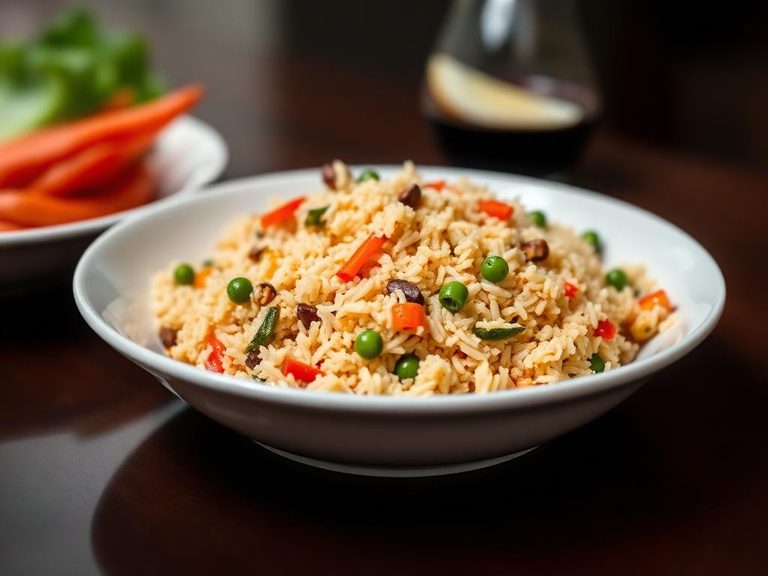

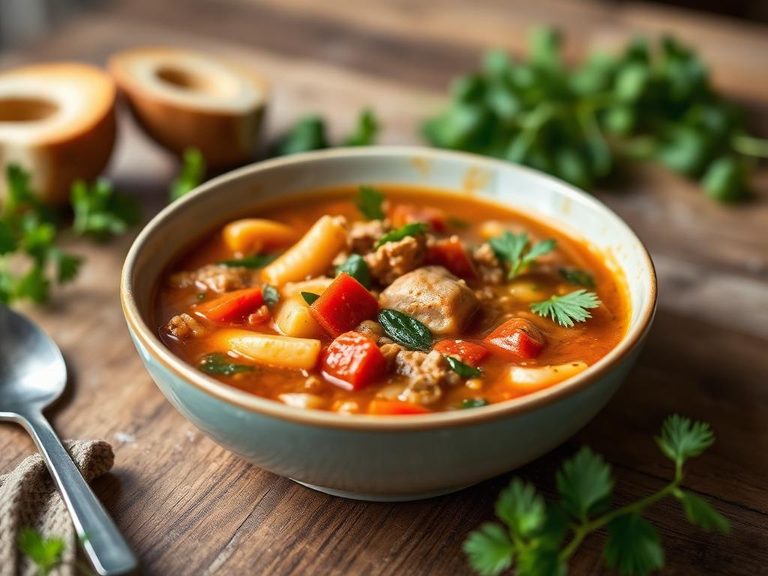

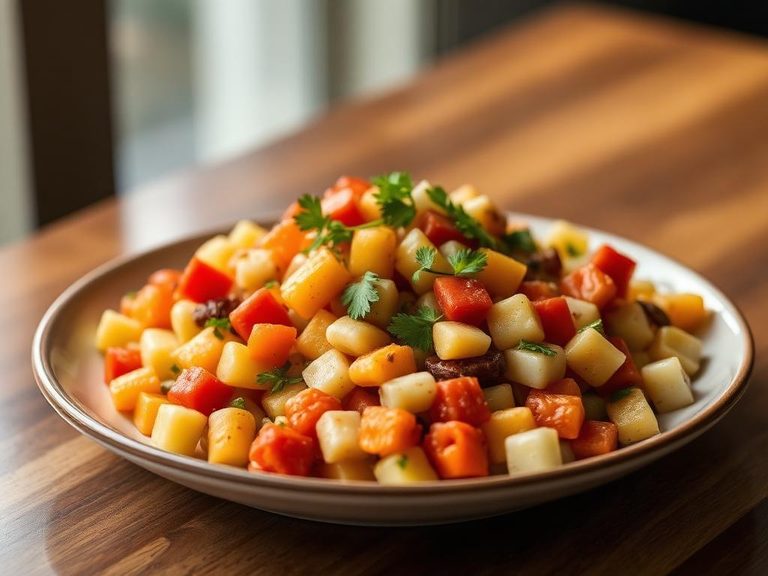
🌍 Where it's eaten
💡 Did you know?
The specific blend of carrots, corn, green beans, and peas is so iconic in the U.S. that it's often simply labeled 'Mixed Vegetables' by the USDA, with a standardized proportion for nutritional labeling.
Full nutrition (USDA data · scales with serving)
| Water | 87.5 g |
| Energy | 44.0 kcal |
| Protein | 1.9 g |
| Total lipid (fat) | 0.45 g |
| Carbohydrate, by difference | 9.2 g |
| Fiber, total dietary | 2.4 g |
| Total Sugars | 2.9 g |
| Calcium, Ca | 24.0 mg |
| Iron, Fe | 0.81 mg |
| Magnesium, Mg | 15.0 mg |
| Phosphorus, P | 39.0 mg |
| Potassium, K | 131 mg |
| Sodium, Na | 15.0 mg |
| Zinc, Zn | 0.45 mg |
| Copper, Cu | 0.08 mg |
| Selenium, Se | 0.70 ug |
| Vitamin C, total ascorbic acid | 4.5 mg |
| Thiamin | 0.04 mg |
| Riboflavin | 0.04 mg |
| Niacin | 0.66 mg |
| Vitamin B-6 | 0.07 mg |
| Folate, total | 27.0 ug |
| Folic acid | 0.00 ug |
| Folate, food | 27.0 ug |
| Folate, DFE | 27.0 ug |
| Choline, total | 15.6 mg |
| Vitamin B-12 | 0.00 ug |
| Vitamin B-12, added | 0.00 ug |
| Vitamin A, RAE | 167 ug |
| Retinol | 0.00 ug |
| Carotene, beta | 1634 ug |
| Carotene, alpha | 732 ug |
| Cryptoxanthin, beta | 10.0 ug |
| Lycopene | 0.00 ug |
| Lutein + zeaxanthin | 803 ug |
| Vitamin E (alpha-tocopherol) | 0.20 mg |
| Vitamin E, added | 0.00 mg |
| Vitamin D (D2 + D3) | 0.00 ug |
| Vitamin K (phylloquinone) | 17.3 ug |
| Alcohol, ethyl | 0.00 g |
| Caffeine | 0.00 mg |
| Theobromine | 0.00 mg |
Fat & fatty acid profile (per 100g)
| Fatty acids, total saturated | 0.07 g |
| SFA 4:0 | 0.00 g |
| SFA 6:0 | 0.00 g |
| SFA 8:0 | 0.00 g |
| SFA 10:0 | 0.00 g |
| SFA 12:0 | 0.00 g |
| SFA 14:0 | 0.00 g |
| SFA 16:0 | 0.06 g |
| SFA 18:0 | 0.01 g |
| Fatty acids, total monounsaturated | 0.05 g |
| MUFA 16:1 | 0.00 g |
| MUFA 18:1 | 0.05 g |
| MUFA 20:1 | 0.00 g |
| MUFA 22:1 | 0.00 g |
| Fatty acids, total polyunsaturated | 0.18 g |
| PUFA 18:2 | 0.13 g |
| PUFA 18:3 | 0.05 g |
| PUFA 18:4 | 0.00 g |
| PUFA 20:4 | 0.00 g |
| PUFA 20:5 n-3 (EPA) | 0.00 g |
| PUFA 22:5 n-3 (DPA) | 0.00 g |
| PUFA 22:6 n-3 (DHA) | 0.00 g |
| Cholesterol | 0.00 mg |
FAQ
Is canned mixed vegetable as nutritious as fresh?
Canned vegetables are picked at peak ripeness and quickly preserved, often retaining most of their vitamins and minerals. The main differences are texture and sodium content (choose low-sodium) and the loss of some heat-sensitive vitamins like Vitamin C.
How can I improve the texture and flavor?
For better texture, drain well and sauté in a little oil or butter to caramelize slightly. To boost flavor, add herbs like thyme or rosemary, a pinch of black pepper, or a splash of vinegar or lemon juice.
What does 'reduced sodium' actually mean?
It means the product contains at least 25% less sodium than the standard version. It's a healthier choice, but it still contains some sodium, so it's not sodium-free.
Nutrient density (calculated · NRF9.3)
Nutrient Rich Foods index: beneficial nutrients (protein, fiber, vitamins, minerals) minus saturated fat, added sugar & sodium, per 100 kcal.
NRF9.3 index — Fulgoni, Keast & Drewnowski, 2009. Computed from USDA nutrients.
Weight-loss friendliness (composite index)
Energy density 0.44 kcal/g · 18% calories from protein · 2.4 g fiber · 2.9 g sugar per 100 g.
Composite of energy density (Rolls et al., 1999), protein & fiber satiety, minus sugar. A calculated heuristic — ranks satiety-per-calorie, not a clinical measure.
Dietary load (calculated from USDA values)
Potential renal acid load. Positive = acid-forming, negative = alkaline-forming.
Sodium-to-potassium ratio: 0.11 (lower is better — aim for ≤ 1)
Sodium:potassium per WHO potassium guidance. Computed from USDA nutrients.