

Cereals ready-to-eat, POST, Shredded Wheat, lightly frosted, spoon-size
Whole food · Breakfast Cereals

Photo: Wikipedia
Shredded Wheat, lightly frosted, spoon-size is a breakfast cereal made from whole wheat shredded into small, pillow-like biscuits with a delicate sugar coating. It offers a satisfyingly crisp yet tender texture, with a subtle sweetness that balances the nutty, wholesome wheat flavor. Nutritionally, it stands out for its high fiber content and substantial protein, making it a more filling and nutrient-dense option than many sweetened cereals.
Calorie split: 8% protein · 87% carbs · 4% fat
↓ Full nutrition💚 Why it's loved
People love it for its classic, comforting taste and the satisfying crunch that softens perfectly in milk. Its versatility makes it a go-to for quick breakfasts, healthy snacks, or a crunchy topping for yogurt and fruit.
⚠️ Watch-outs & how to enjoy it better
The 22.3g of sugar per 100g can cause blood-sugar spikes if eaten alone, especially for those sensitive to refined sugars. To counteract this, pair it with a source of protein (like Greek yogurt or nuts) and healthy fat (like chia seeds or a drizzle of nut butter) to slow digestion and stabilize energy levels.
Key benefits
- Excellent source of dietary fiber (9.6g per 100g) for digestive health.
- Provides a solid protein boost (7.8g per 100g) for sustained energy.
- Made from whole grain wheat, offering complex carbohydrates.
- Low in fat (1.9g per 100g), supporting a balanced diet.
- Lightly frosted for a touch of sweetness without excessive sugar.
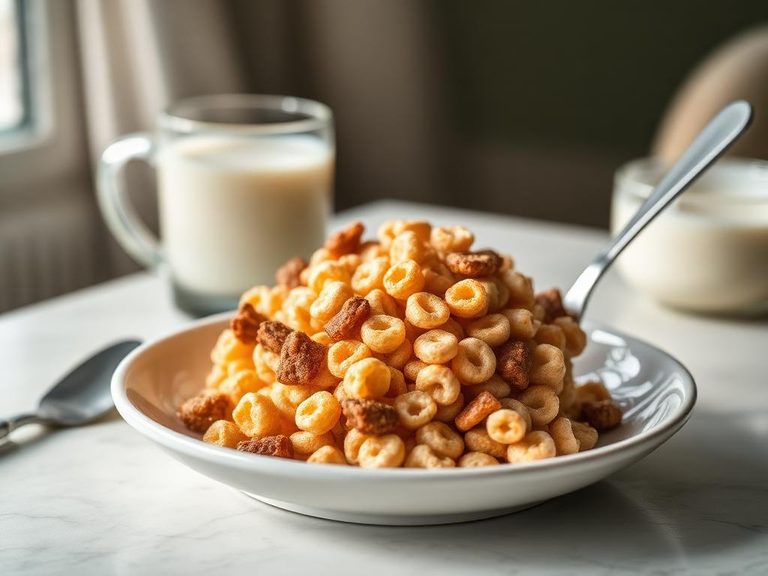
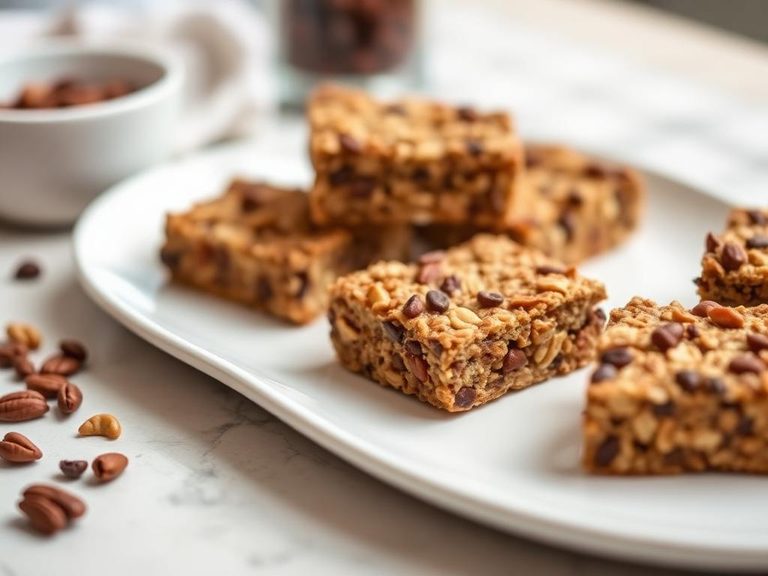
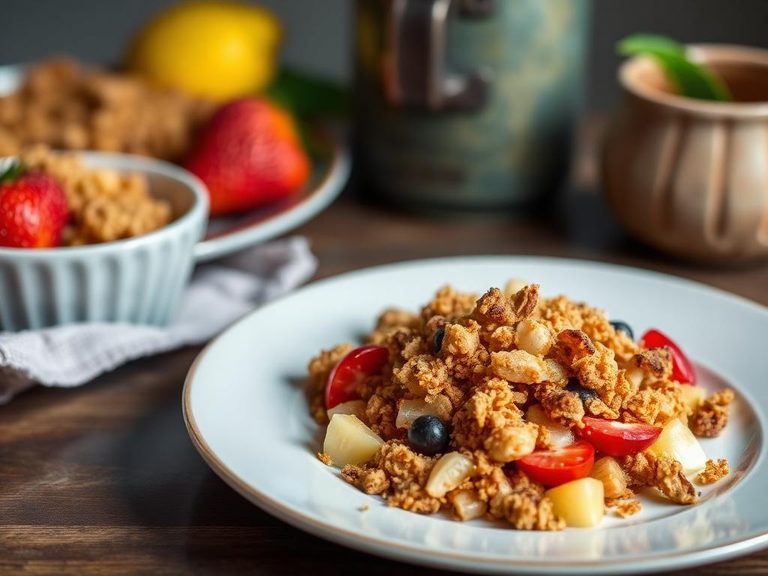
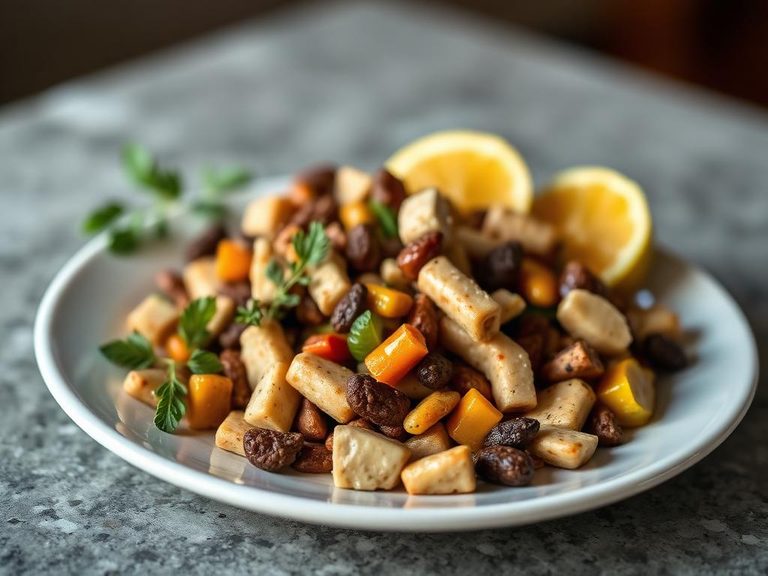
🍽️ Popular dishes
🌍 Where it's eaten
💡 Did you know?
Shredded Wheat was first patented in 1892 by Henry Perky, who was inspired by the idea of making a cereal that was both nutritious and easy to digest, leading to a product that became a staple in American breakfast culture.
Full nutrition (USDA data · scales with serving)
| Water | 6.0 g |
| Energy | 352 kcal |
| Energy | 1473 kj |
| Protein | 7.8 g |
| Total lipid (fat) | 1.9 g |
| Ash | 0.80 g |
| Carbohydrate, by difference | 83.8 g |
| Fiber, total dietary | 9.6 g |
| Total Sugars | 22.3 g |
| Calcium, Ca | 13.0 mg |
| Iron, Fe | 3.5 mg |
| Magnesium, Mg | 93.0 mg |
| Phosphorus, P | 276 mg |
| Potassium, K | 327 mg |
| Sodium, Na | 19.0 mg |
| Zinc, Zn | 2.9 mg |
| Copper, Cu | 0.17 mg |
| Manganese, Mn | 4.2 mg |
| Selenium, Se | 4.1 ug |
| Vitamin C, total ascorbic acid | 0.00 mg |
| Thiamin | 0.72 mg |
| Riboflavin | 0.82 mg |
| Niacin | 9.6 mg |
| Pantothenic acid | 0.88 mg |
| Vitamin B-6 | 0.96 mg |
| Folate, total | 192 ug |
| Folic acid | 173 ug |
| Folate, food | 19.0 ug |
| Folate, DFE | 313 ug |
| Choline, total | 20.0 mg |
| Vitamin B-12 | 2.9 ug |
| Vitamin B-12, added | 2.9 ug |
| Vitamin A, RAE | 0.00 ug |
| Retinol | 0.00 ug |
| Carotene, beta | 0.00 ug |
| Carotene, alpha | 0.00 ug |
| Cryptoxanthin, beta | 0.00 ug |
| Vitamin A, IU | 0.00 iu |
| Lycopene | 0.00 ug |
| Lutein + zeaxanthin | 0.00 ug |
| Vitamin E (alpha-tocopherol) | 0.32 mg |
| Vitamin E, added | 0.00 mg |
| Vitamin D (D2 + D3), International Units | 0.00 iu |
| Vitamin D (D2 + D3) | 0.00 ug |
| Vitamin K (phylloquinone) | 1.0 ug |
| Alcohol, ethyl | 0.00 g |
| Caffeine | 0.00 mg |
| Theobromine | 0.00 mg |
Fat & fatty acid profile (per 100g)
| Fatty acids, total saturated | 0.30 g |
| SFA 4:0 | 0.00 g |
| SFA 6:0 | 0.00 g |
| SFA 8:0 | 0.01 g |
| SFA 10:0 | 0.00 g |
| SFA 12:0 | 0.00 g |
| SFA 14:0 | 0.00 g |
| SFA 16:0 | 0.26 g |
| SFA 18:0 | 0.02 g |
| Fatty acids, total monounsaturated | 0.27 g |
| MUFA 16:1 | 0.01 g |
| MUFA 18:1 | 0.26 g |
| MUFA 20:1 | 0.00 g |
| MUFA 22:1 | 0.00 g |
| Fatty acids, total polyunsaturated | 0.93 g |
| PUFA 18:2 | 0.86 g |
| PUFA 18:3 | 0.06 g |
| PUFA 18:4 | 0.00 g |
| PUFA 20:4 | 0.00 g |
| PUFA 20:5 n-3 (EPA) | 0.00 g |
| PUFA 22:5 n-3 (DPA) | 0.00 g |
| PUFA 22:6 n-3 (DHA) | 0.00 g |
| Cholesterol | 0.00 mg |
FAQ
Is Shredded Wheat a healthy cereal?
Yes, it is generally considered a healthy choice due to its high fiber and protein content, low fat, and whole grain base. However, the lightly frosted version contains added sugar, so moderation is key.
How does Shredded Wheat compare to other cereals?
Compared to many sweetened cereals, Shredded Wheat is higher in fiber and protein and lower in fat. It typically has less sugar than heavily frosted or flavored cereals, making it a more nutritious option.
Can I eat Shredded Wheat if I have gluten sensitivity?
No, Shredded Wheat is made from whole wheat and contains gluten, so it is not suitable for individuals with celiac disease or gluten sensitivity.
Nutrient density (calculated · NRF9.3)
Nutrient Rich Foods index: beneficial nutrients (protein, fiber, vitamins, minerals) minus saturated fat, added sugar & sodium, per 100 kcal.
NRF9.3 index — Fulgoni, Keast & Drewnowski, 2009. Computed from USDA nutrients.
Weight-loss friendliness (composite index)
Energy density 3.52 kcal/g · 9% calories from protein · 9.6 g fiber · 22.3 g sugar per 100 g.
Composite of energy density (Rolls et al., 1999), protein & fiber satiety, minus sugar. A calculated heuristic — ranks satiety-per-calorie, not a clinical measure.
Dietary load (calculated from USDA values)
Potential renal acid load. Positive = acid-forming, negative = alkaline-forming.
Sodium-to-potassium ratio: 0.06 (lower is better — aim for ≤ 1)
Sodium:potassium per WHO potassium guidance. Computed from USDA nutrients.