

Beans, french, mature seeds, cooked, boiled, without salt
Whole food · Legumes and Legume Products

Photo: Wikipedia
Mature green beans, boiled until tender, offer a pleasantly firm, slightly chewy texture with a mild, earthy, and subtly nutty flavor. They are a low-calorie, high-fiber legume, packing over 9 grams of dietary fiber per 100 grams while providing a solid 7 grams of plant-based protein.
Calorie split: 22% protein · 73% carbs · 5% fat
↓ Full nutrition💚 Why it's loved
People love them for their satisfying, hearty texture and ability to absorb flavors in stews and salads. They are a versatile staple in countless cuisines, from Southern U.S. succotash to French cassoulet.
⚠️ Watch-outs & how to enjoy it better
As a legume, they can cause gas or bloating in some individuals, especially if not accustomed to high-fiber foods. To mitigate this, introduce them gradually into your diet and ensure they are cooked thoroughly. Their high fiber content can also affect blood sugar absorption for some, so pairing with a source of protein or healthy fat can help create a more balanced meal.
Key benefits
- Excellent source of dietary fiber for digestive health
- Good plant-based protein source
- Very low in fat
- Rich in folate and manganese
- Naturally low in sodium when cooked without salt
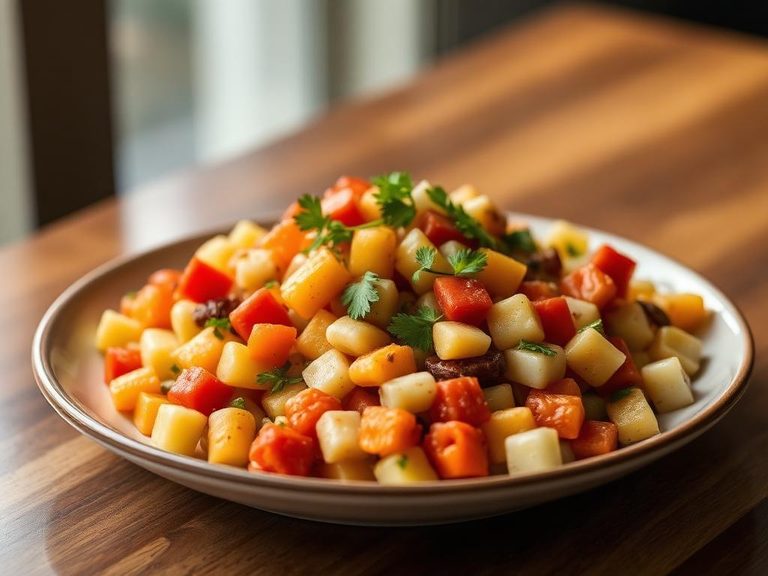
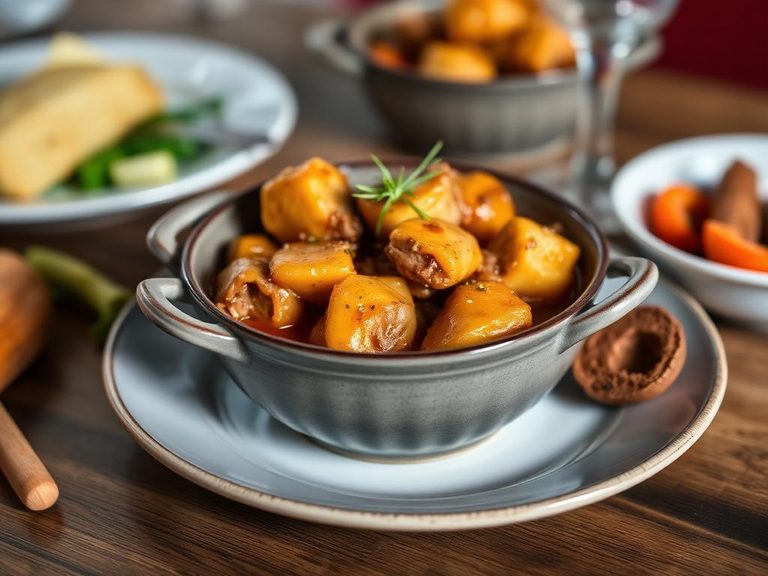
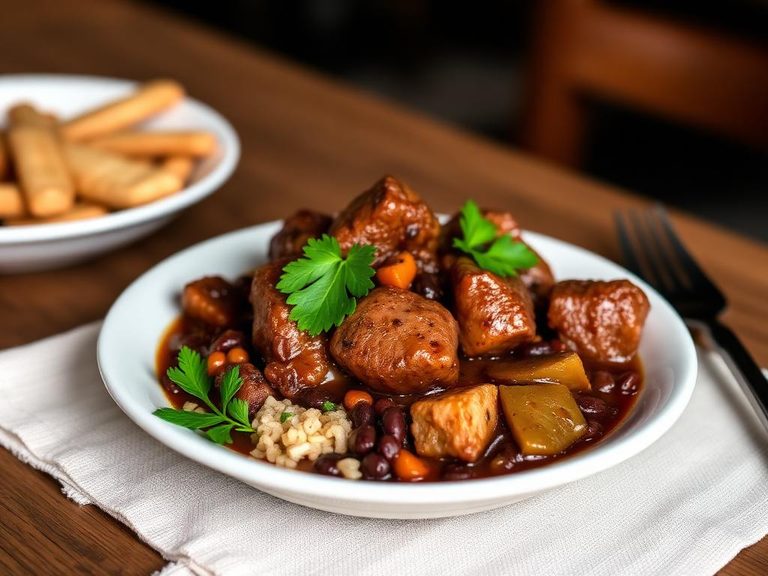
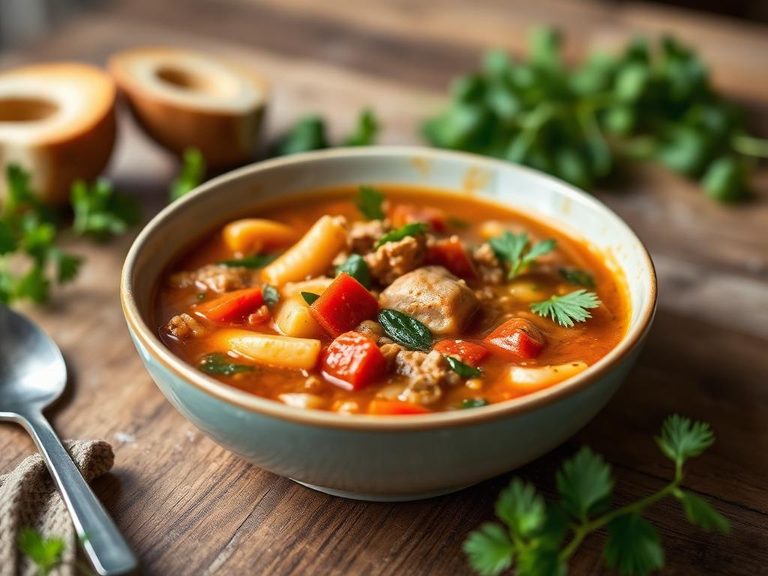
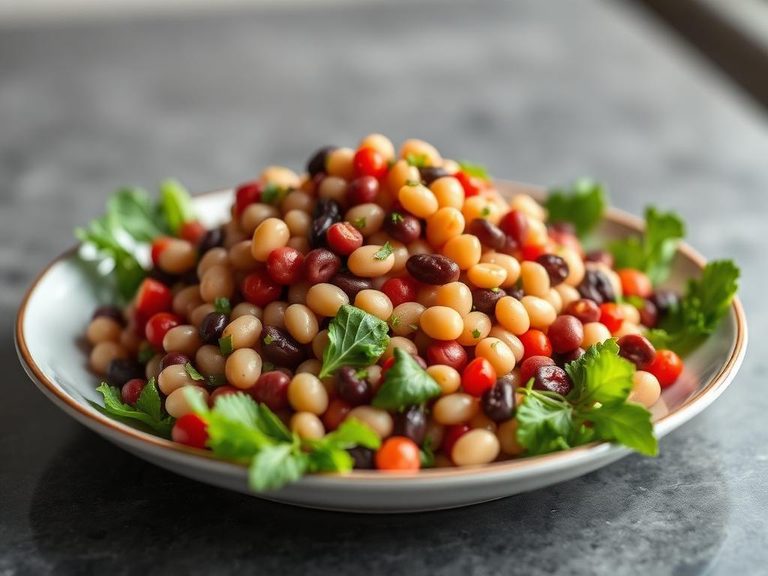
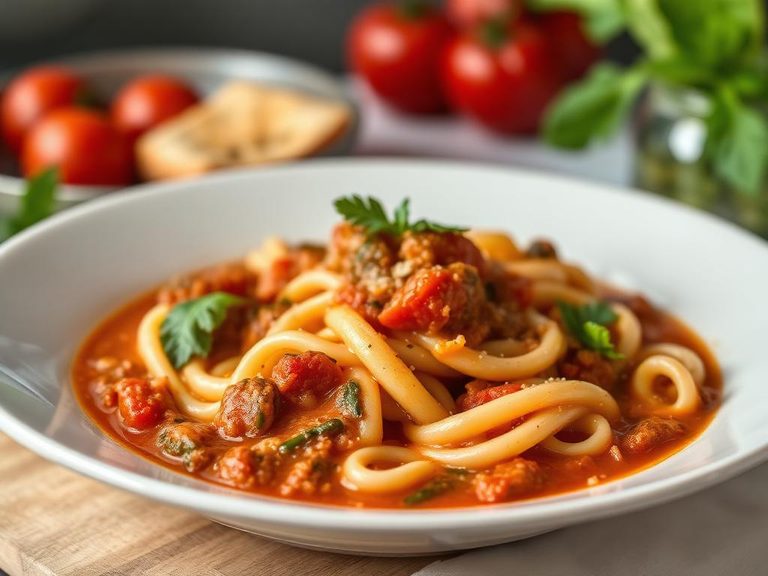
🍽️ Popular dishes
🌍 Where it's eaten
💡 Did you know?
The common green bean (Phaseolus vulgaris) is actually a member of the same species as kidney beans and black beans; they are all just different cultivars of the same plant.
Full nutrition (USDA data · scales with serving)
| Water | 66.6 g |
| Energy | 129 kcal |
| Energy | 540 kj |
| Protein | 7.0 g |
| Total lipid (fat) | 0.76 g |
| Ash | 1.6 g |
| Carbohydrate, by difference | 24.0 g |
| Fiber, total dietary | 9.4 g |
| Calcium, Ca | 63.0 mg |
| Iron, Fe | 1.1 mg |
| Magnesium, Mg | 56.0 mg |
| Phosphorus, P | 102 mg |
| Potassium, K | 370 mg |
| Sodium, Na | 6.0 mg |
| Zinc, Zn | 0.64 mg |
| Copper, Cu | 0.12 mg |
| Manganese, Mn | 0.38 mg |
| Selenium, Se | 1.2 ug |
| Vitamin C, total ascorbic acid | 1.2 mg |
| Thiamin | 0.13 mg |
| Riboflavin | 0.06 mg |
| Niacin | 0.55 mg |
| Pantothenic acid | 0.22 mg |
| Vitamin B-6 | 0.10 mg |
| Folate, total | 75.0 ug |
| Folic acid | 0.00 ug |
| Folate, food | 75.0 ug |
| Folate, DFE | 75.0 ug |
| Vitamin B-12 | 0.00 ug |
| Vitamin A, RAE | 0.00 ug |
| Retinol | 0.00 ug |
| Vitamin A, IU | 3.0 iu |
| Vitamin D (D2 + D3), International Units | 0.00 iu |
| Vitamin D (D2 + D3) | 0.00 ug |
Fat & fatty acid profile (per 100g)
| Fatty acids, total saturated | 0.08 g |
| SFA 14:0 | 0.00 g |
| SFA 16:0 | 0.07 g |
| SFA 18:0 | 0.01 g |
| Fatty acids, total monounsaturated | 0.05 g |
| MUFA 16:1 | 0.00 g |
| MUFA 18:1 | 0.05 g |
| Fatty acids, total polyunsaturated | 0.45 g |
| PUFA 18:2 | 0.17 g |
| PUFA 18:3 | 0.29 g |
| Fatty acids, total trans | 0.00 g |
| Cholesterol | 0.00 mg |
Amino acid profile (per 100g)
| Tryptophan | 0.08 g |
| Threonine | 0.30 g |
| Isoleucine | 0.31 g |
| Leucine | 0.56 g |
| Lysine | 0.48 g |
| Methionine | 0.11 g |
| Cystine | 0.08 g |
| Phenylalanine | 0.38 g |
| Tyrosine | 0.20 g |
| Valine | 0.37 g |
| Arginine | 0.44 g |
| Histidine | 0.20 g |
| Alanine | 0.30 g |
| Aspartic acid | 0.85 g |
| Glutamic acid | 1.1 g |
| Glycine | 0.28 g |
| Proline | 0.30 g |
| Serine | 0.38 g |
FAQ
What's the difference between green beans and French beans?
The terms are often used interchangeably. 'French beans' typically refers to the slender, tender variety (haricots verts), while 'green beans' can be a broader term for the common snap bean.
Are mature seeds different from regular green beans?
Yes. Mature seeds are the fully developed, dried beans inside the pod, which are then rehydrated by boiling. They are denser and chewier than fresh green beans.
How can I reduce the gassiness from eating beans?
Soaking dried beans before cooking and discarding the soak water can help. Also, start with small portions and increase your intake gradually to let your digestive system adjust.
Nutrient density (calculated · NRF9.3)
Nutrient Rich Foods index: beneficial nutrients (protein, fiber, vitamins, minerals) minus saturated fat, added sugar & sodium, per 100 kcal.
NRF9.3 index — Fulgoni, Keast & Drewnowski, 2009. Computed from USDA nutrients.
Weight-loss friendliness (composite index)
Energy density 1.29 kcal/g · 22% calories from protein · 9.4 g fiber · 0.0 g sugar per 100 g.
Composite of energy density (Rolls et al., 1999), protein & fiber satiety, minus sugar. A calculated heuristic — ranks satiety-per-calorie, not a clinical measure.
Dietary load (calculated from USDA values)
Potential renal acid load. Positive = acid-forming, negative = alkaline-forming.
Sodium-to-potassium ratio: 0.02 (lower is better — aim for ≤ 1)
Sodium:potassium per WHO potassium guidance. Computed from USDA nutrients.