

Arrowroot, raw
Whole food · Vegetables and Vegetable Products

Photo: Wikipedia
Arrowroot is a starchy, underground tuber with a mild, slightly sweet flavor and a uniquely smooth, delicate texture when cooked. Its pure white powder is prized for creating a clear, glossy, and silky-thickened sauce or jelly without altering the taste. Nutritionally, it's a low-calorie, virtually fat-free source of easily digestible carbohydrates.
Calorie split: 23% protein · 74% carbs · 2% fat
↓ Full nutrition💚 Why it's loved
Cooks love it for its neutral flavor and ability to produce a perfectly smooth, lump-free, and glossy thickening without the cloudiness of flour or cornstarch. It's a cultural staple in many tropical cuisines, valued for its versatility in both sweet and savory dishes.
⚠️ Watch-outs & how to enjoy it better
Arrowroot is almost pure starch, so consuming it in large amounts can cause a rapid blood-sugar spike. It offers minimal protein or fat to slow digestion. To counteract this, use it in small quantities as a thickener rather than a main ingredient, and pair the finished dish with protein (like chicken or tofu) and healthy fats (like avocado or nuts).
Key benefits
- Excellent thickener for clear sauces and glazes
- Highly digestible and gentle on the stomach
- Naturally gluten-free, suitable for celiac diets
- Provides resistant starch, which may support gut health
- Creates a glossy, non-gelling finish in cooking
🍽️ Popular dishes
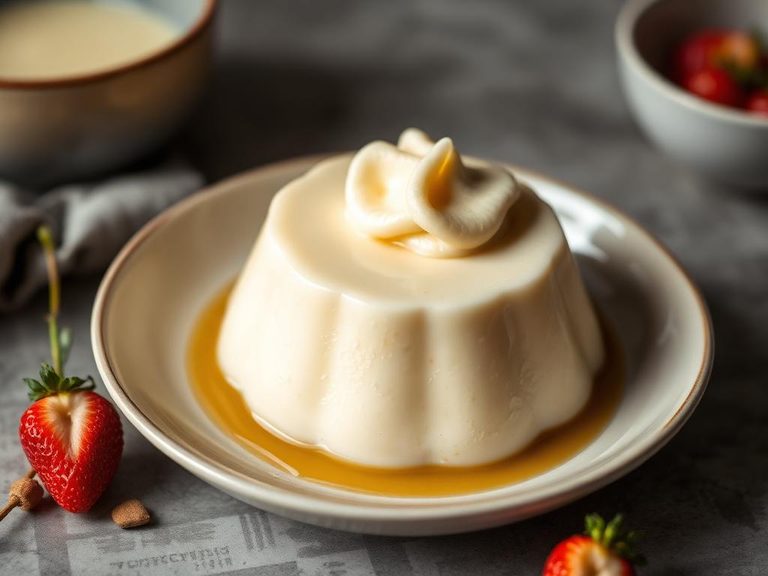
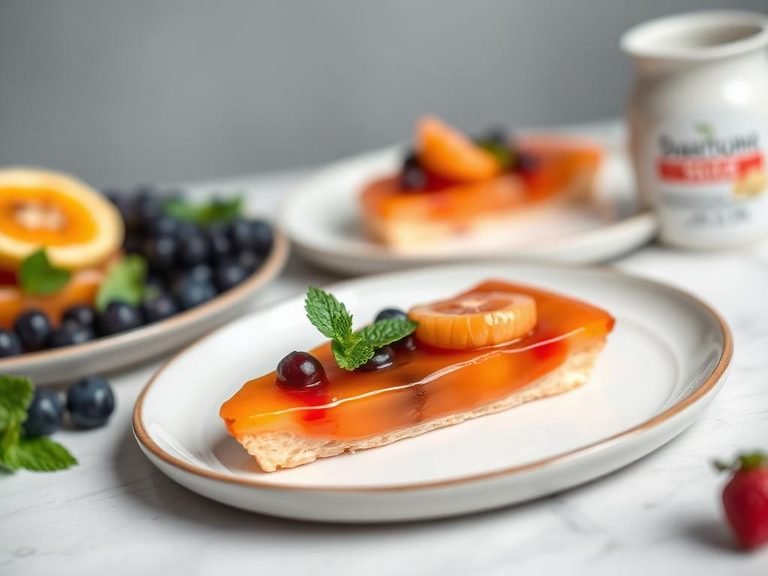
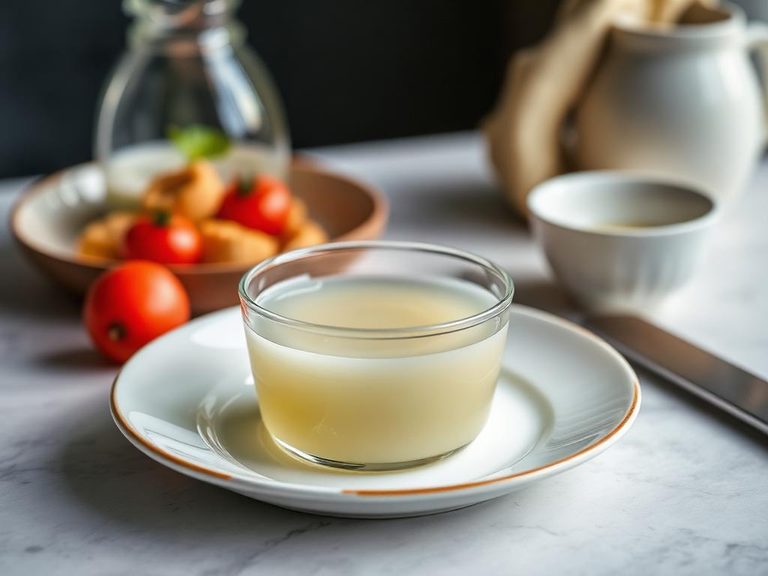
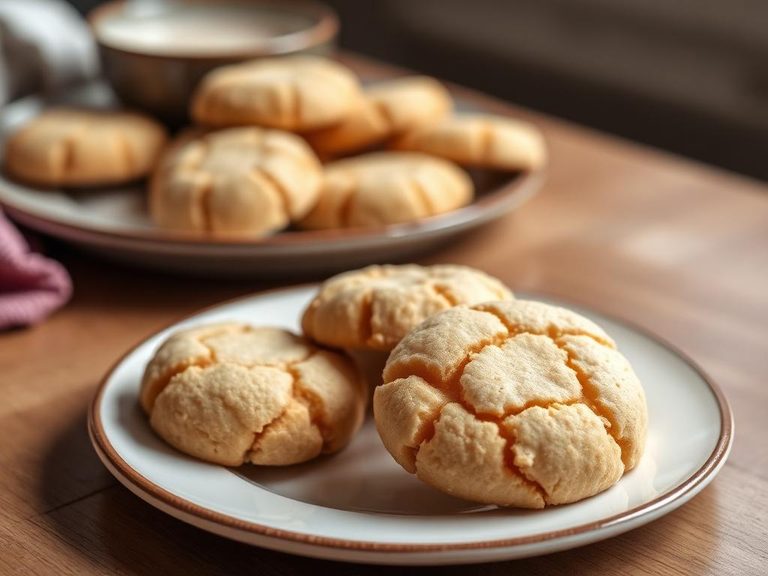
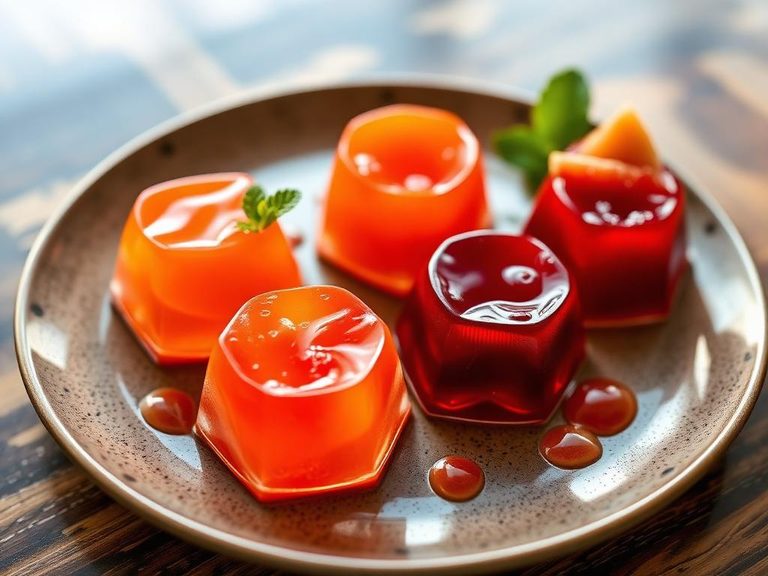
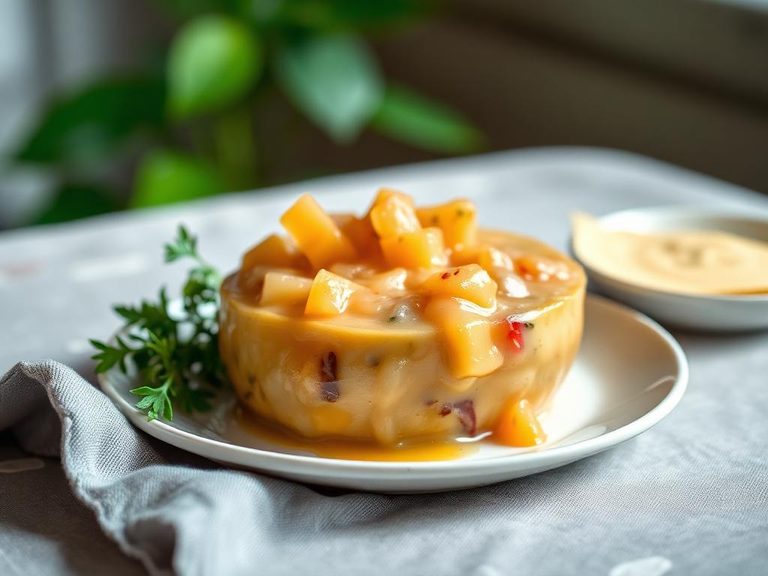
🌍 Where it's eaten
💡 Did you know?
During World War II, when cornstarch was scarce, arrowroot became a crucial substitute for thickening military rations and hospital foods due to its purity and digestibility.
Full nutrition (USDA data · scales with serving)
| Water | 80.8 g |
| Energy | 65.0 kcal |
| Energy | 271 kj |
| Protein | 4.2 g |
| Total lipid (fat) | 0.20 g |
| Ash | 1.4 g |
| Carbohydrate, by difference | 13.4 g |
| Fiber, total dietary | 1.3 g |
| Calcium, Ca | 6.0 mg |
| Iron, Fe | 2.2 mg |
| Magnesium, Mg | 25.0 mg |
| Phosphorus, P | 98.0 mg |
| Potassium, K | 454 mg |
| Sodium, Na | 26.0 mg |
| Zinc, Zn | 0.63 mg |
| Copper, Cu | 0.12 mg |
| Manganese, Mn | 0.17 mg |
| Selenium, Se | 0.70 ug |
| Vitamin C, total ascorbic acid | 1.9 mg |
| Thiamin | 0.14 mg |
| Riboflavin | 0.06 mg |
| Niacin | 1.7 mg |
| Pantothenic acid | 0.29 mg |
| Vitamin B-6 | 0.27 mg |
| Folate, total | 338 ug |
| Folic acid | 0.00 ug |
| Folate, food | 338 ug |
| Folate, DFE | 338 ug |
| Vitamin B-12 | 0.00 ug |
| Vitamin A, RAE | 1.0 ug |
| Retinol | 0.00 ug |
| Carotene, beta | 11.0 ug |
| Carotene, alpha | 0.00 ug |
| Cryptoxanthin, beta | 0.00 ug |
| Vitamin A, IU | 19.0 iu |
| Vitamin D (D2 + D3), International Units | 0.00 iu |
| Vitamin D (D2 + D3) | 0.00 ug |
Fat & fatty acid profile (per 100g)
| Fatty acids, total saturated | 0.04 g |
| SFA 14:0 | 0.00 g |
| SFA 16:0 | 0.04 g |
| SFA 18:0 | 0.00 g |
| Fatty acids, total monounsaturated | 0.00 g |
| MUFA 16:1 | 0.00 g |
| MUFA 18:1 | 0.00 g |
| Fatty acids, total polyunsaturated | 0.09 g |
| PUFA 18:2 | 0.07 g |
| PUFA 18:3 | 0.02 g |
| Fatty acids, total trans | 0.00 g |
| Cholesterol | 0.00 mg |
Amino acid profile (per 100g)
Estimated from Cookies, animal crackers (includes arrowroot, tea biscuits) — USDA does not publish this profile for Arrowroot.
| Tryptophan | 0.10 g |
| Threonine | 0.19 g |
| Isoleucine | 0.26 g |
| Leucine | 0.47 g |
| Lysine | 0.24 g |
| Methionine | 0.12 g |
| Cystine | 0.15 g |
| Phenylalanine | 0.32 g |
| Tyrosine | 0.20 g |
| Valine | 0.30 g |
| Arginine | 0.26 g |
| Histidine | 0.14 g |
| Alanine | 0.21 g |
| Aspartic acid | 0.29 g |
| Glutamic acid | 2.3 g |
| Glycine | 0.23 g |
| Proline | 0.76 g |
| Serine | 0.36 g |
FAQ
What's the difference between arrowroot powder and cornstarch?
Arrowroot is more neutral in flavor, sets to a clearer, glossier finish, and is more tolerant of acidic ingredients. It also thickens at a lower temperature and doesn't require boiling. Cornstarch is more common and cheaper but can become cloudy and has a slight taste.
Can I use arrowroot for baking bread?
No, arrowroot lacks gluten and cannot provide the structure needed for bread. It's a pure starch used for thickening or as a gluten-free flour blend component (typically 1-2 tablespoons per cup of other flours) for tenderizing cakes or cookies.
How do I prevent arrowroot from clumping?
Always make a slurry first. Mix the arrowroot powder with a few tablespoons of a cool liquid (water, broth, or juice) until smooth before slowly whisking it into the hot liquid you want to thicken. Never add dry powder directly to a hot pot.
Nutrient density (calculated · NRF9.3)
Nutrient Rich Foods index: beneficial nutrients (protein, fiber, vitamins, minerals) minus saturated fat, added sugar & sodium, per 100 kcal.
NRF9.3 index — Fulgoni, Keast & Drewnowski, 2009. Computed from USDA nutrients.
Weight-loss friendliness (composite index)
Energy density 0.65 kcal/g · 26% calories from protein · 1.3 g fiber · 0.0 g sugar per 100 g.
Composite of energy density (Rolls et al., 1999), protein & fiber satiety, minus sugar. A calculated heuristic — ranks satiety-per-calorie, not a clinical measure.
Dietary load (calculated from USDA values)
Potential renal acid load. Positive = acid-forming, negative = alkaline-forming.
Sodium-to-potassium ratio: 0.06 (lower is better — aim for ≤ 1)
Sodium:potassium per WHO potassium guidance. Computed from USDA nutrients.