Jellies and fruit gels in tropical cuisine
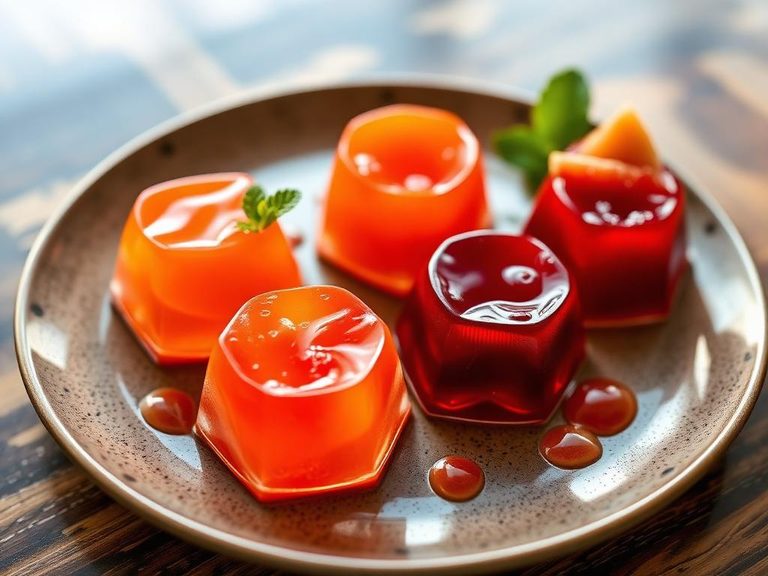
Jellies and fruit gels in tropical cuisine are vibrant, refreshing desserts or snacks made by setting fruit juices or purees with natural gelling agents like agar-agar or gelatin. They are popular across Southeast Asia, Latin America, and the Caribbean, often incorporating tropical fruits such as mango, passion fruit, coconut, and guava.
🍽️ Nutrition at a glance
These treats are typically high in carbohydrates from natural fruit sugars and provide minimal fat or protein. They offer quick energy and can be a source of vitamins like vitamin C and minerals like potassium, depending on the fruit used.
Nutrition breakdown
| Calories | 150 kcal |
| Protein | 0.5 g |
| Carbs | 38 g |
| Fat | 0.2 g |
| Fiber | 1.5 g |
| Sugar | 35 g |
| Sodium | 10 mg |
| Vitamin C | 30 mg |
| Potassium | 200 mg |
| Manganese | 0.3 mg |
| Vitamin A | 50 mcg |
| Folate | 20 mcg |
| Magnesium | 15 mg |
Per 1 cup (240 g) · estimated, varies by recipe
💡 What's interesting
Culturally, these jellies often feature in festive occasions and street food, showcasing local fruit biodiversity. Nutritionally, using plant-based agar-agar makes them suitable for vegetarian diets, and their high water content aids hydration in hot climates.
🍽️ Related dishes
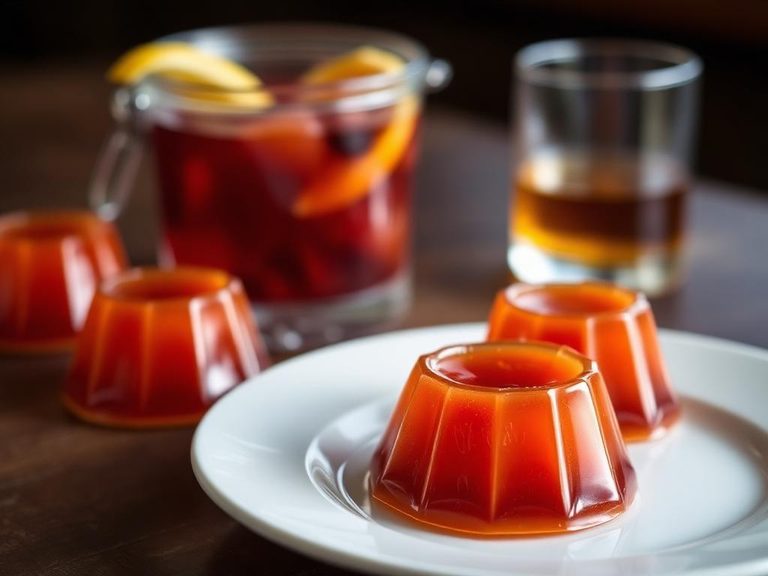 Rum Runner Jellies
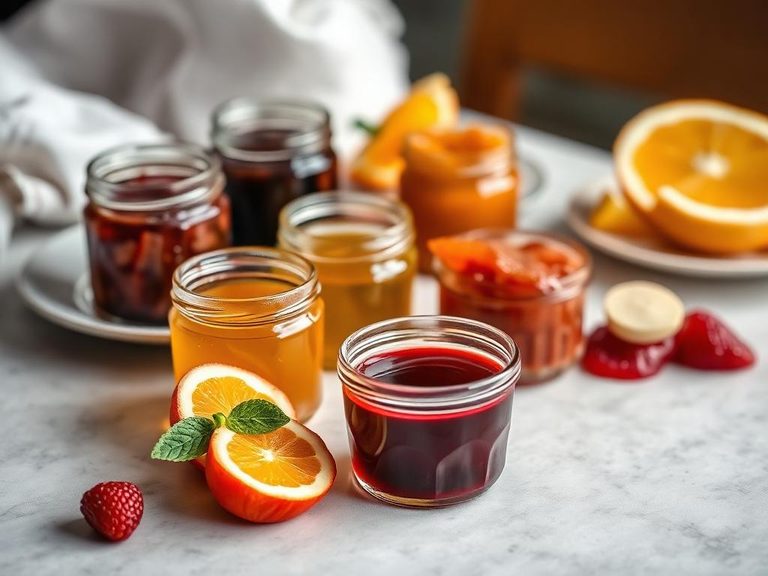 Sugar-free jams and jellies
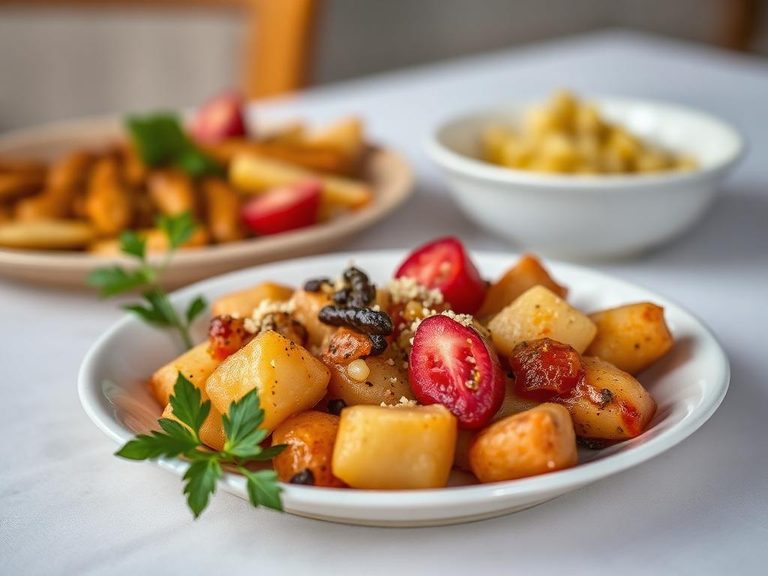 Sweet side dish in some Middle Eastern cuisines
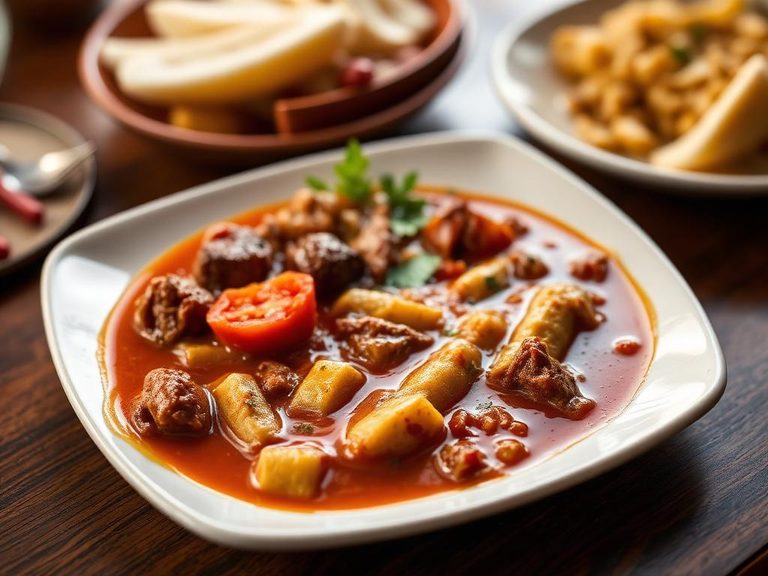 Added to soups or stews in West African cuisine
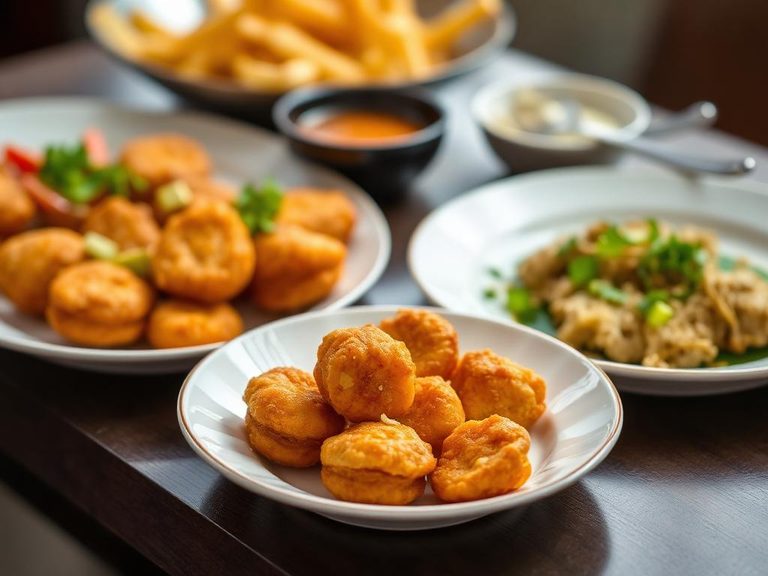 Some traditional fried snacks in certain cuisines
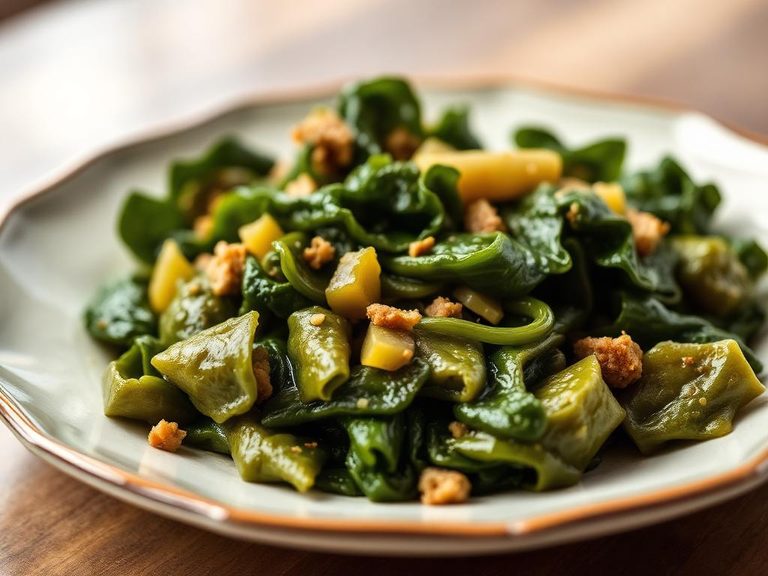 Turnip greens in Southern U.S. cuisine
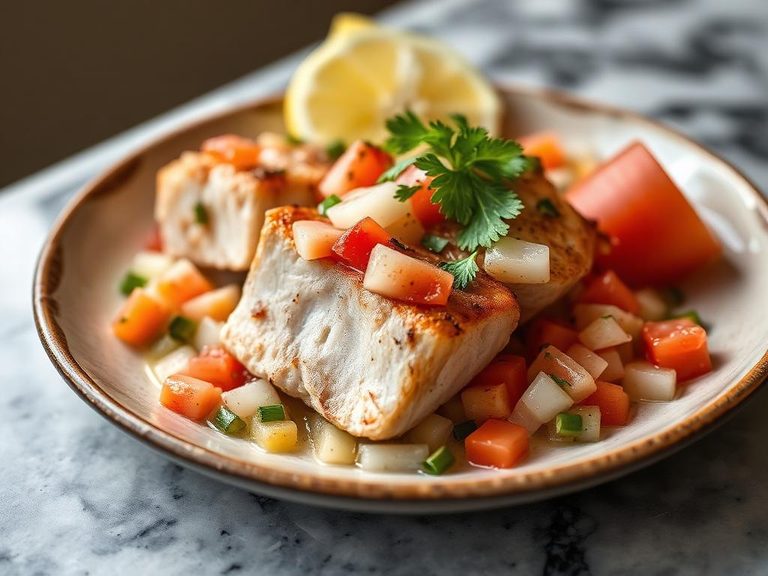 Sheepshead ceviche, a popular appetizer in coastal cuisines
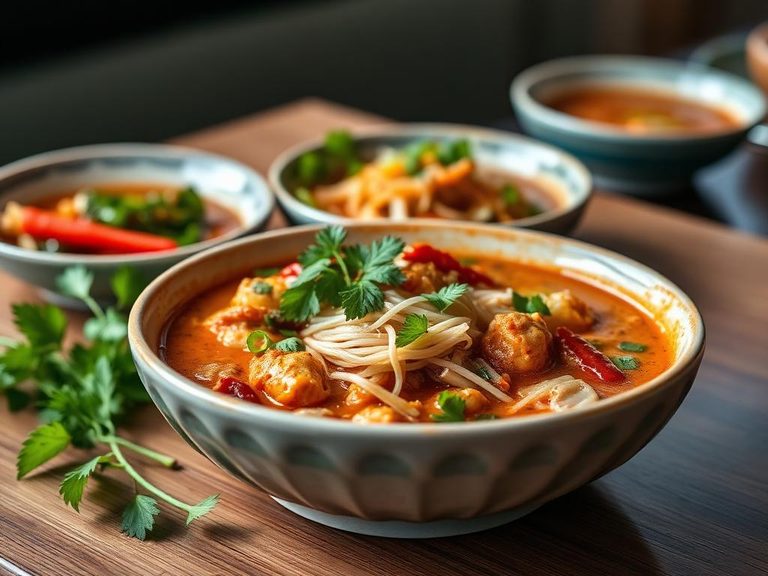 Spicy Asian cuisine like Thai curry or Vietnamese pho