Sugar-free jams and jellies
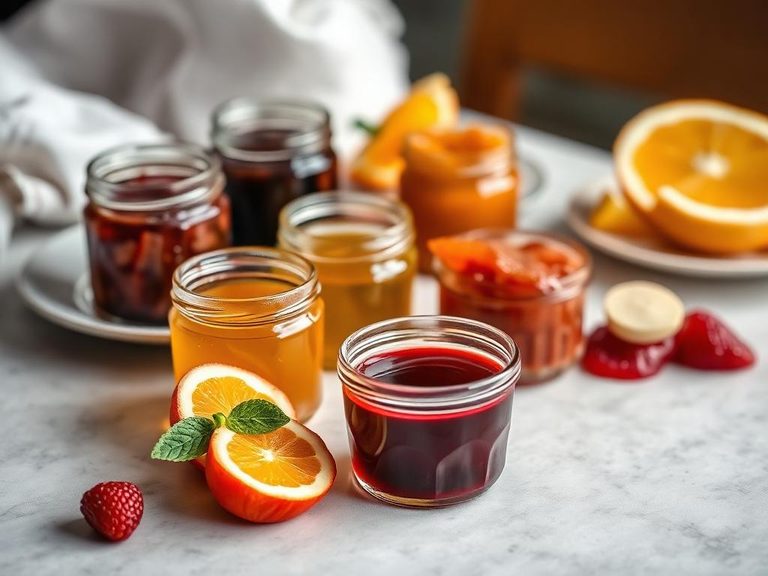
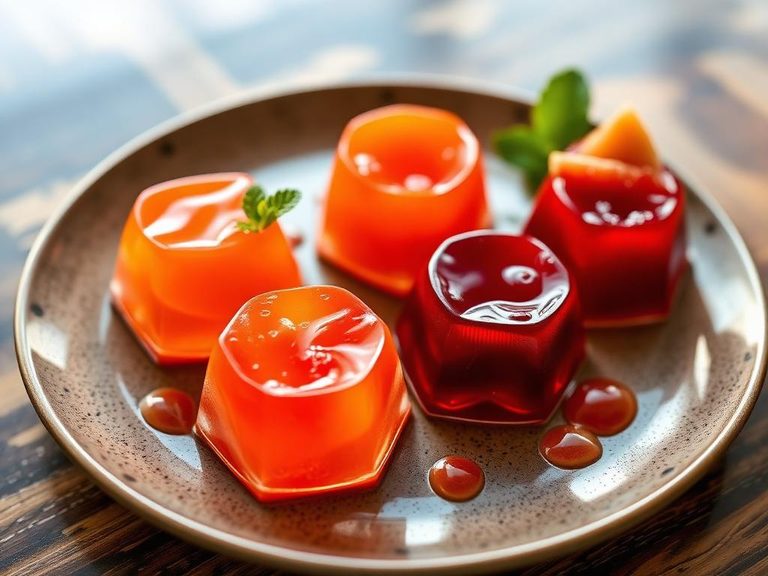
Sugar-free jams and jellies are fruit preserves sweetened with non-nutritive sweeteners like stevia, erythritol, or artificial sweeteners instead of sugar. They are typically made from fruit juice or puree, a gelling agent like pectin, and the sugar substitute, and are a popular choice for those managing sugar intake. This category of preserve is widely available globally, especially in health-conscious markets.
🍽️ Nutrition at a glance
These spreads are very low in carbohydrates and calories compared to traditional versions, as the sugar is replaced. They provide minimal macronutrients but can be a source of small amounts of vitamins and antioxidants from the fruit base.
Nutrition breakdown
| Calories | 10 kcal |
| Protein | 0 g |
| Carbs | 3 g |
| Fat | 0 g |
| Fiber | 1 g |
| Sugar | 0 g |
| Sodium | 5 mg |
| Vitamin C | 2 mg |
| Potassium | 20 mg |
| Calcium | 5 mg |
| Iron | 0.1 mg |
Per 1 tablespoon (20 g) · estimated, varies by recipe
💡 What's interesting
Culturally, they represent a significant adaptation for dietary management, particularly for people with diabetes or those following low-carb diets like keto. Nutritionally, their unique aspect is achieving the familiar sweet, spreadable texture and fruit flavor without the glycemic impact of sugar.