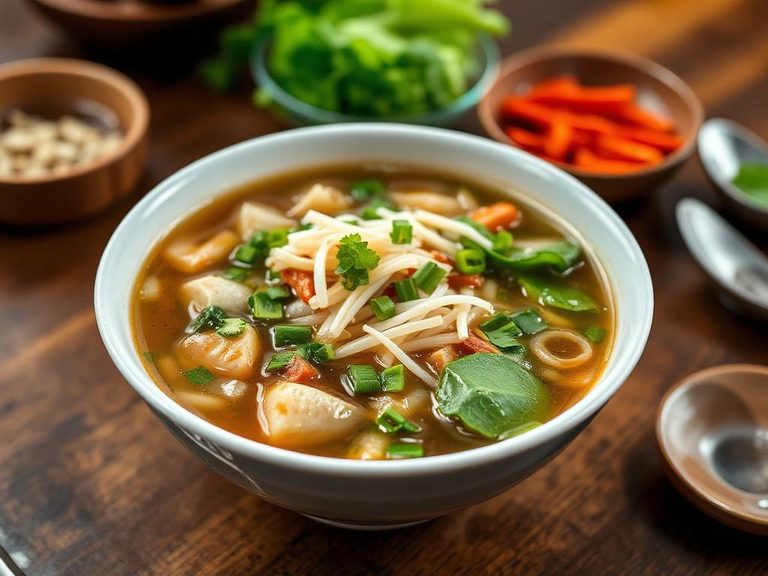
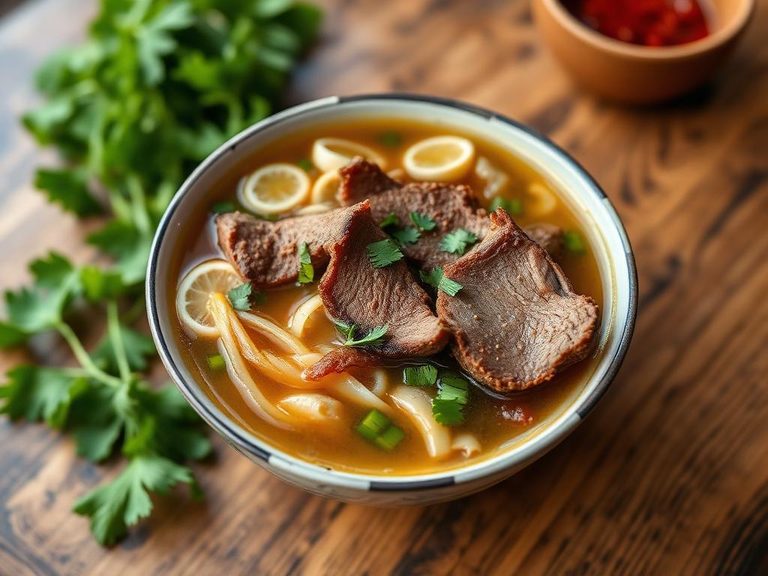
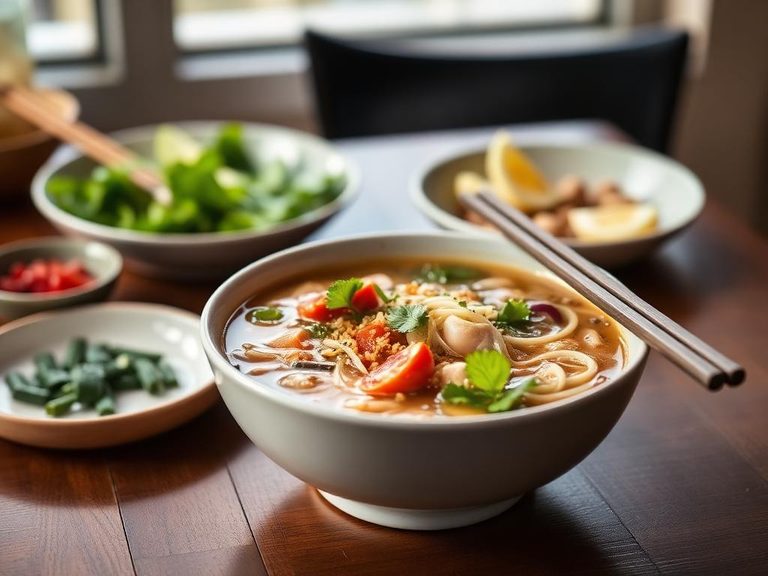
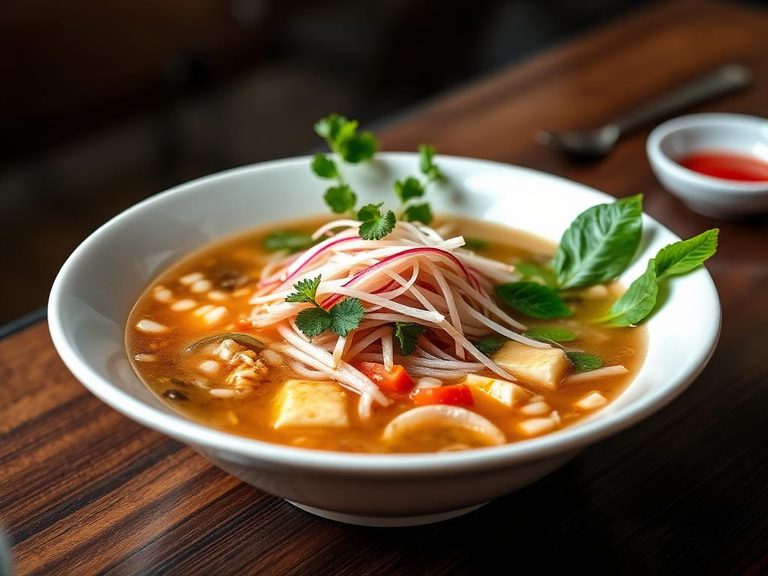
Spicy Asian cuisine like Thai curry or Vietnamese pho
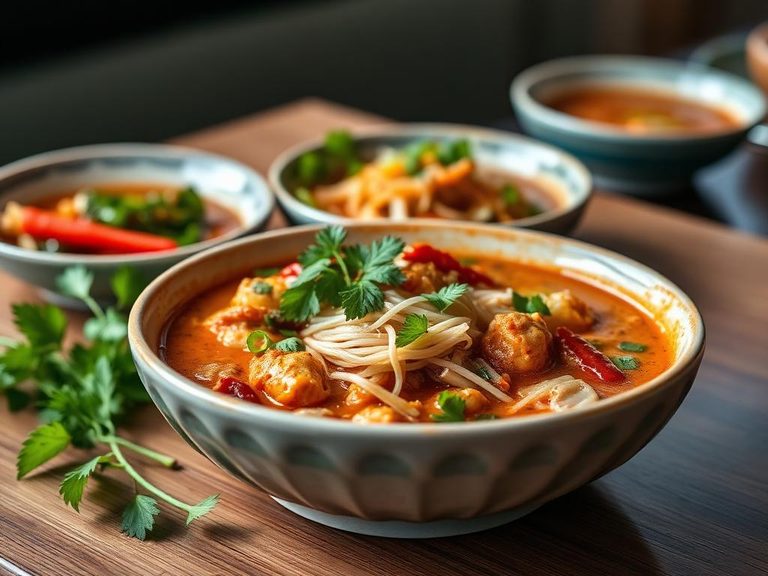
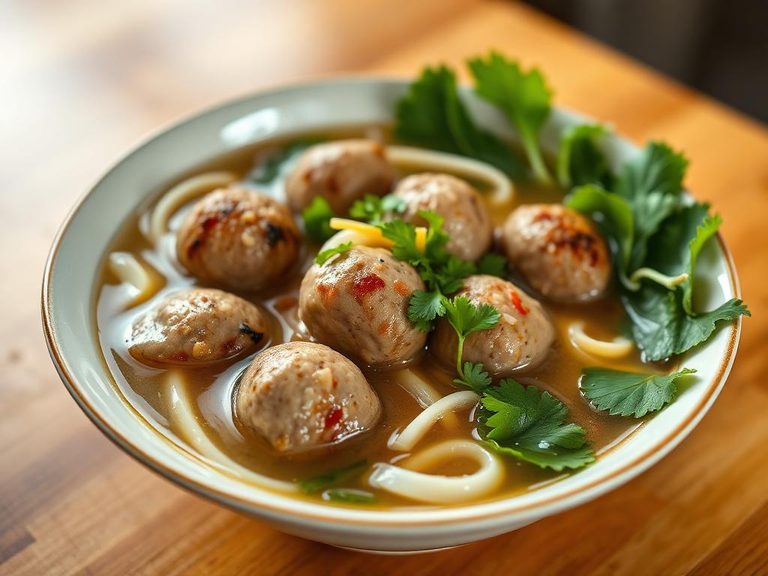
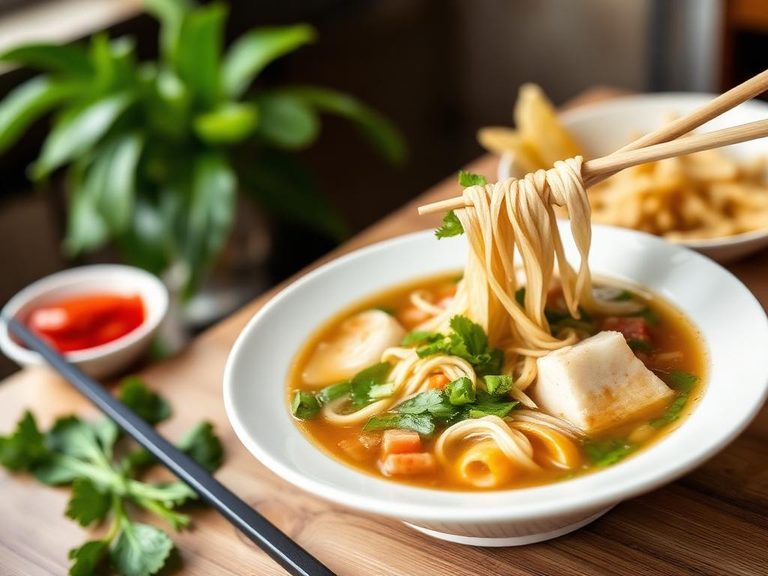
Thai curry and Vietnamese pho are iconic Southeast Asian dishes that showcase the region's love for aromatic broths and fresh herbs. Thai curry features a spicy, coconut milk-based broth with vegetables and protein, while Vietnamese pho is a clear, savory bone broth with rice noodles, herbs, and thinly sliced meat. Both are deeply flavorful and represent the balance of sweet, salty, sour, and spicy notes central to their cuisines.
🍽️ Nutrition at a glance
Both dishes are generally moderate in calories and provide a good balance of macronutrients. Thai curry is higher in fat from coconut milk, while Vietnamese pho is lower in fat and higher in carbohydrates from rice noodles, with both offering protein and a variety of vitamins and minerals from herbs and vegetables.
Nutrition breakdown
| Calories | 350 kcal |
| Protein | 20 g |
| Carbs | 40 g |
| Fat | 12 g |
| Fiber | 4 g |
| Sugar | 6 g |
| Sodium | 800 mg |
| Potassium | 450 mg |
| Vitamin C | 15 mg |
| Iron | 3 mg |
| Calcium | 100 mg |
| Magnesium | 50 mg |
| Vitamin A | 200 IU |
| Vitamin B12 | 1.5 mcg |
| Zinc | 2.5 mg |
Per 1 bowl (450 g) · estimated, varies by recipe
💡 What's interesting
Culturally, these dishes are often communal and customizable, reflecting the social nature of meals in their regions. Nutritionally, the use of fresh herbs like cilantro, basil, and mint provides antioxidants, while ingredients like lemongrass and galangal in Thai curry or star anise and cinnamon in pho broth offer unique anti-inflammatory properties.