

Cilantro, raw
Common food

Photo: Wikipedia
Cilantro, also known as fresh coriander leaves, is a vibrant green herb with a bright, citrusy, and slightly peppery flavor. Its delicate, feathery leaves add a refreshing, almost cooling finish to dishes. Nutritionally, it's a low-calorie powerhouse, delivering a notable amount of fiber and antioxidants like vitamin K for its weight.
Calorie split: 31% protein · 53% carbs · 17% fat
↓ Full nutrition💚 Why it's loved
People love cilantro for its unmistakable, bright flavor that can lift and define a dish, from salsas to curries. Its versatility as a fresh garnish, blended sauce base, or cooked ingredient makes it a staple in global cuisines.
⚠️ Watch-outs & how to enjoy it better
For a segment of the population, cilantro tastes soapy or metallic due to a genetic variation in olfactory receptors. To counteract this, try cooking it (which mellows the flavor), using the milder stems, or pairing it with strong, complementary ingredients like lime, garlic, or avocado. Those on blood-thinning medication should be mindful of its high vitamin K content and maintain consistent intake.
Key benefits
- Rich in vitamin K, essential for blood clotting and bone health.
- Provides a good source of antioxidants like quercetin and rutin.
- High in fiber relative to its calorie count, aiding digestion.
- Contains plant compounds with potential anti-inflammatory properties.
- Adds flavor without added sodium, sugar, or fat.
🍽️ Popular dishes
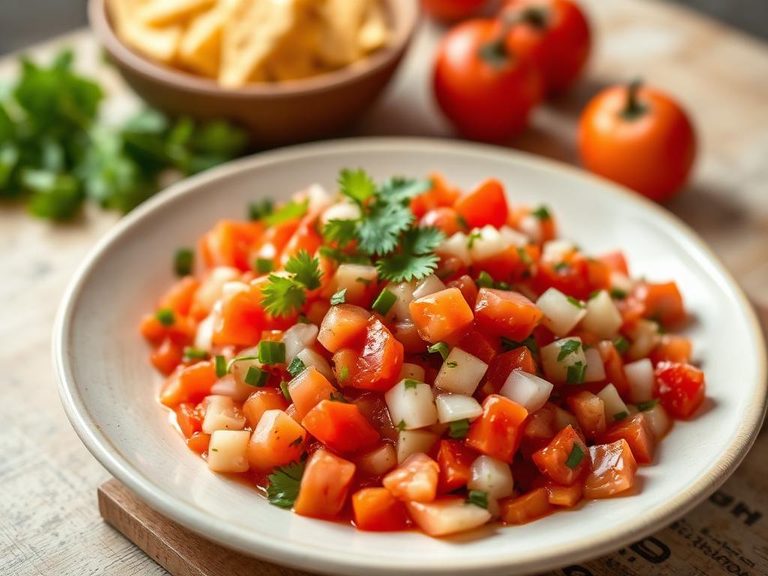
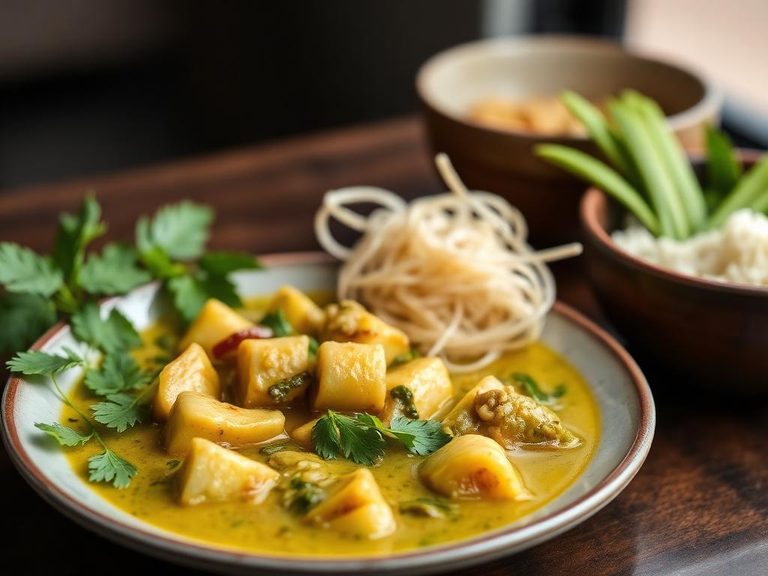
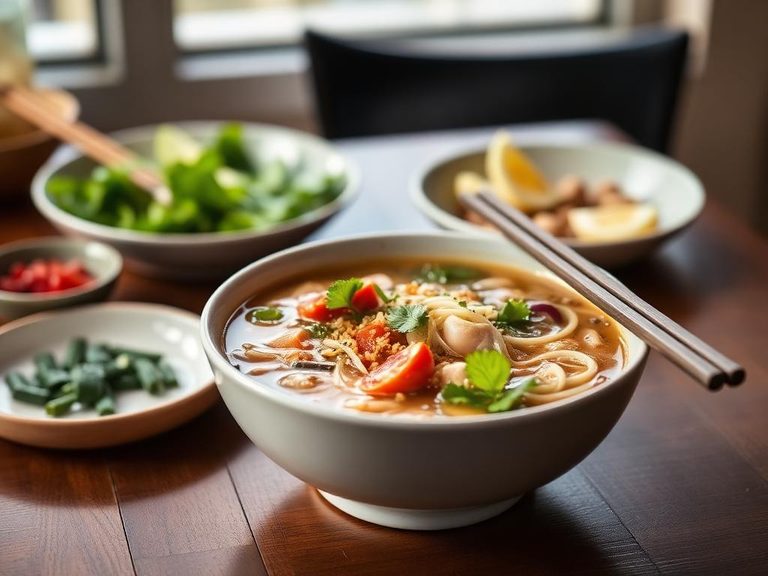
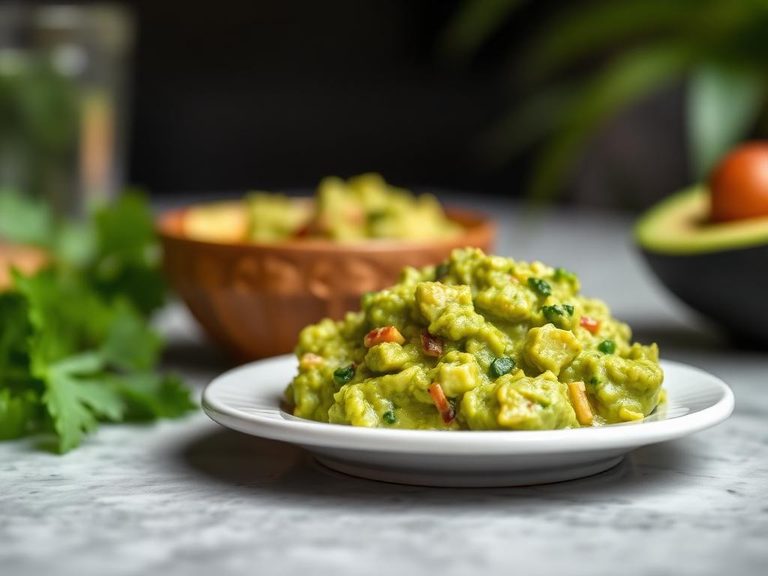
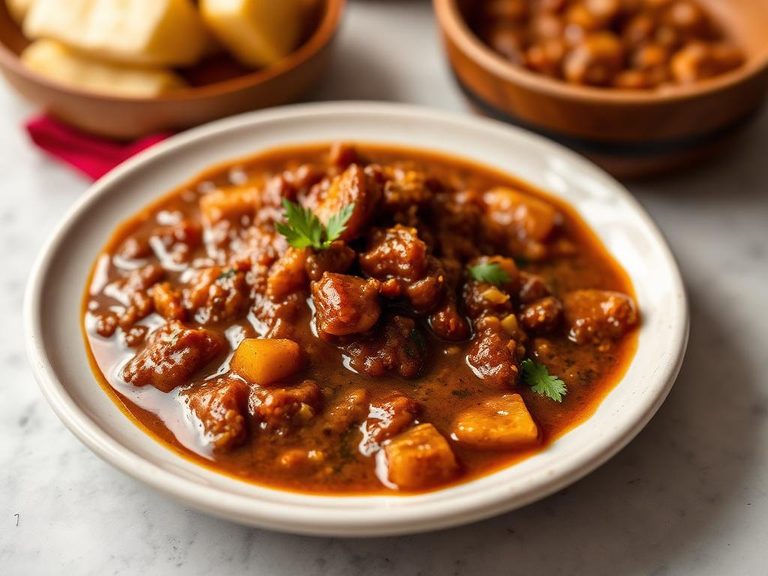
🌍 Where it's eaten
💡 Did you know?
The soapy taste some people perceive in cilantro is linked to a specific set of genes (OR6A2) that make the olfactory receptors highly sensitive to certain aldehydes, which are also found in soap and some bugs.
Full nutrition (USDA data · scales with serving)
| Water | 92.2 g |
| Energy | 23.0 kcal |
| Protein | 2.1 g |
| Total lipid (fat) | 0.52 g |
| Carbohydrate, by difference | 3.7 g |
| Fiber, total dietary | 2.8 g |
| Total Sugars | 0.87 g |
| Calcium, Ca | 67.0 mg |
| Iron, Fe | 1.8 mg |
| Magnesium, Mg | 26.0 mg |
| Phosphorus, P | 48.0 mg |
| Potassium, K | 521 mg |
| Sodium, Na | 46.0 mg |
| Zinc, Zn | 0.50 mg |
| Copper, Cu | 0.23 mg |
| Selenium, Se | 0.90 ug |
| Vitamin C, total ascorbic acid | 27.0 mg |
| Thiamin | 0.07 mg |
| Riboflavin | 0.16 mg |
| Niacin | 1.1 mg |
| Vitamin B-6 | 0.15 mg |
| Folate, total | 62.0 ug |
| Folic acid | 0.00 ug |
| Folate, food | 62.0 ug |
| Folate, DFE | 62.0 ug |
| Choline, total | 12.8 mg |
| Vitamin B-12 | 0.00 ug |
| Vitamin B-12, added | 0.00 ug |
| Vitamin A, RAE | 337 ug |
| Retinol | 0.00 ug |
| Carotene, beta | 3930 ug |
| Carotene, alpha | 36.0 ug |
| Cryptoxanthin, beta | 202 ug |
| Lycopene | 0.00 ug |
| Lutein + zeaxanthin | 865 ug |
| Vitamin E (alpha-tocopherol) | 2.5 mg |
| Vitamin E, added | 0.00 mg |
| Vitamin D (D2 + D3) | 0.00 ug |
| Vitamin K (phylloquinone) | 310 ug |
| Alcohol, ethyl | 0.00 g |
| Caffeine | 0.00 mg |
| Theobromine | 0.00 mg |
Fat & fatty acid profile (per 100g)
| Fatty acids, total saturated | 0.01 g |
| SFA 4:0 | 0.00 g |
| SFA 6:0 | 0.00 g |
| SFA 8:0 | 0.00 g |
| SFA 10:0 | 0.00 g |
| SFA 12:0 | 0.00 g |
| SFA 14:0 | 0.00 g |
| SFA 16:0 | 0.01 g |
| SFA 18:0 | 0.00 g |
| Fatty acids, total monounsaturated | 0.28 g |
| MUFA 16:1 | 0.00 g |
| MUFA 18:1 | 0.27 g |
| MUFA 20:1 | 0.00 g |
| MUFA 22:1 | 0.00 g |
| Fatty acids, total polyunsaturated | 0.04 g |
| PUFA 18:2 | 0.04 g |
| PUFA 18:3 | 0.00 g |
| PUFA 18:4 | 0.00 g |
| PUFA 20:4 | 0.00 g |
| PUFA 20:5 n-3 (EPA) | 0.00 g |
| PUFA 22:5 n-3 (DPA) | 0.00 g |
| PUFA 22:6 n-3 (DHA) | 0.00 g |
| Cholesterol | 0.00 mg |
FAQ
What's the difference between cilantro and coriander?
In the US, 'cilantro' refers to the fresh leaves and stems of the Coriandrum sativum plant, while 'coriander' refers to the dried seeds. In many other parts of the world, 'coriander' can refer to the fresh herb as well.
How should I store fresh cilantro to make it last?
Treat it like a bouquet of flowers: trim the stems, place upright in a jar with an inch of water, cover loosely with a plastic bag, and refrigerate. Change the water every few days. Alternatively, wash, dry thoroughly, wrap in a damp paper towel, and store in a sealed container.
Can I cook cilantro, or is it only for garnish?
You can absolutely cook it. Adding cilantro towards the end of cooking preserves its fresh flavor, but it can also be simmered in sauces, curries, and soups to infuse a deeper, earthier note. The stems are more robust and hold up well to cooking.
Nutrient density (calculated · NRF9.3)
Nutrient Rich Foods index: beneficial nutrients (protein, fiber, vitamins, minerals) minus saturated fat, added sugar & sodium, per 100 kcal.
NRF9.3 index — Fulgoni, Keast & Drewnowski, 2009. Computed from USDA nutrients.
Weight-loss friendliness (composite index)
Energy density 0.23 kcal/g · 37% calories from protein · 2.8 g fiber · 0.9 g sugar per 100 g.
Composite of energy density (Rolls et al., 1999), protein & fiber satiety, minus sugar. A calculated heuristic — ranks satiety-per-calorie, not a clinical measure.
Dietary load (calculated from USDA values)
Potential renal acid load. Positive = acid-forming, negative = alkaline-forming.
Sodium-to-potassium ratio: 0.09 (lower is better — aim for ≤ 1)
Sodium:potassium per WHO potassium guidance. Computed from USDA nutrients.