Biscuits, plain or buttermilk, prepared from recipe
Whole food · Baked Products

Photo: Wikipedia
A warm, flaky, and buttery staple of Southern American cuisine, these biscuits are made from a simple dough of flour, fat, and buttermilk. Their tender, layered texture and rich, savory flavor make them a beloved comfort food, often enjoyed fresh from the oven. Nutritionally, they are a dense source of energy, providing a significant amount of carbohydrates and fat per serving.
💚 Why it's loved
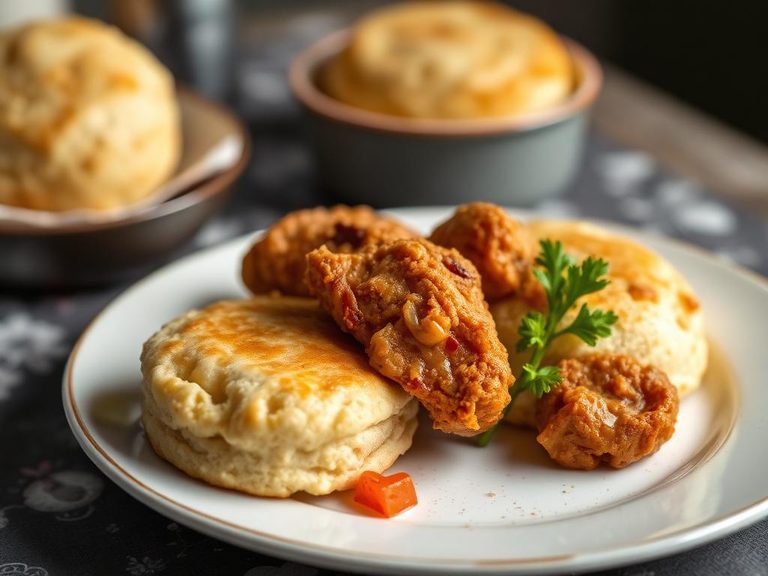
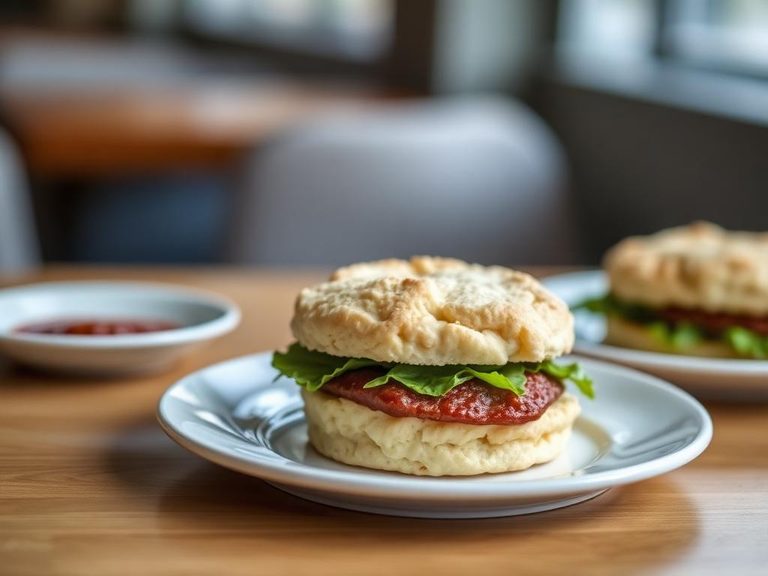
People love biscuits for their comforting, buttery flavor and tender, flaky texture that pairs perfectly with savory gravies, honey, or jam. They are a cultural cornerstone of Southern hospitality, often served at breakfast, dinner, or as a snack, symbolizing home-cooked warmth.
⚠️ Watch-outs & how to enjoy it better
The high carbohydrate and fat content can lead to blood-sugar spikes and is a concern for those managing calorie intake or heart health. To counteract this, pair biscuits with protein-rich foods like eggs or beans, and fiber-rich sides like collard greens to slow digestion. Opt for smaller portions and consider using whole-grain flour in homemade recipes to increase fiber content.
Key benefits
- Provides quick energy from carbohydrates
- Offers a good source of fat for satiety
- Contains some protein for muscle maintenance
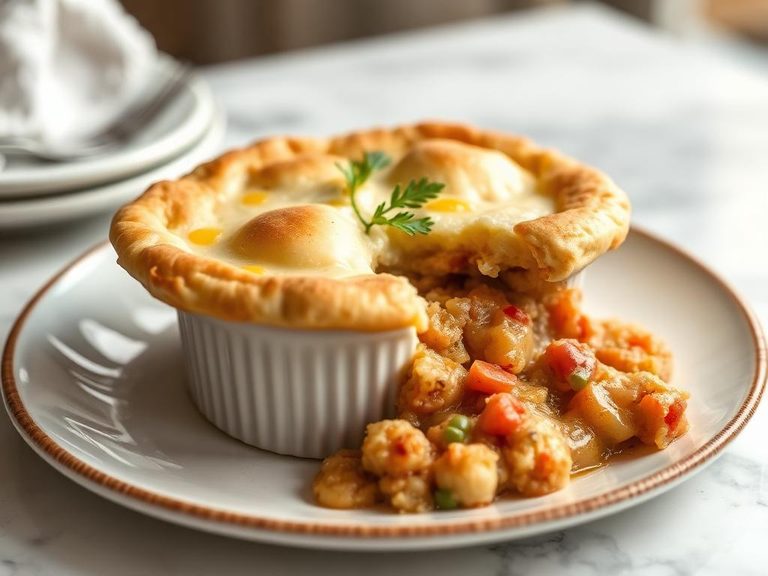
- Can be a vehicle for nutrient-dense toppings like gravy or vegetables
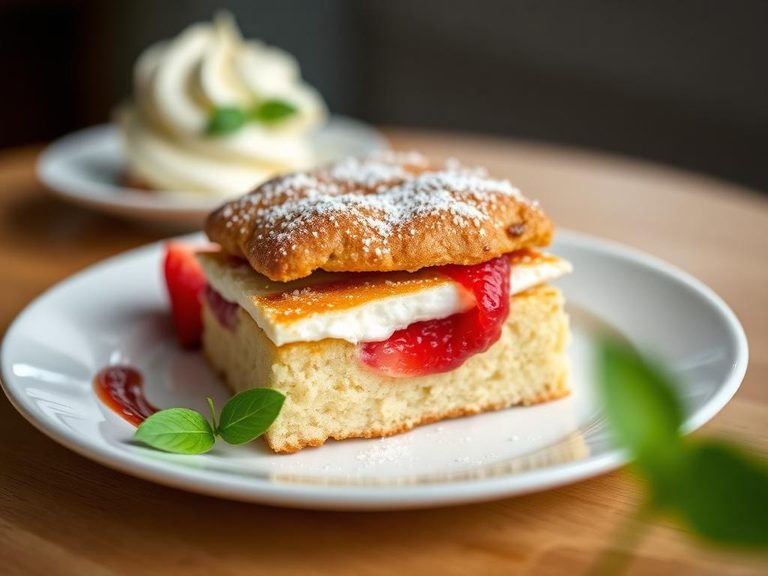
- A versatile base for both sweet and savory dishes
🍽️ Popular dishes

🌍 Where it's eaten
💡 Did you know?
The term 'biscuit' originally referred to a twice-baked, hardtack-like bread in British English, but in the American South, it evolved into the soft, flaky, leavened bread we know today.
Full nutrition (scales with serving)
| Water | 28.9 g |
| Energy | 353 kcal |
| Energy | 1477 kj |
| Protein | 7.0 g |
| Total lipid (fat) | 16.3 g |
| Ash | 3.2 g |
| Carbohydrate, by difference | 44.6 g |
| Fiber, total dietary | 1.5 g |
| Total Sugars | 2.2 g |
| Calcium, Ca | 235 mg |
| Iron, Fe | 2.9 mg |
| Magnesium, Mg | 18.0 mg |
| Phosphorus, P | 164 mg |
| Potassium, K | 121 mg |
| Sodium, Na | 580 mg |
| Zinc, Zn | 0.54 mg |
| Copper, Cu | 0.08 mg |
| Manganese, Mn | 0.38 mg |
| Selenium, Se | 19.5 ug |
| Vitamin C, total ascorbic acid | 0.20 mg |
| Thiamin | 0.36 mg |
| Riboflavin | 0.31 mg |
| Niacin | 2.9 mg |
| Pantothenic acid | 0.28 mg |
| Vitamin B-6 | 0.04 mg |
| Folate, total | 61.0 ug |
| Folic acid | 49.0 ug |
| Folate, food | 12.0 ug |
| Folate, DFE | 95.0 ug |
| Vitamin B-12 | 0.08 ug |
| Vitamin A, IU | 82.0 iu |
| Alcohol, ethyl | 0.00 g |
Fat & fatty acid profile (per 100g)
| Fatty acids, total saturated | 4.3 g |
| SFA 4:0 | 0.03 g |
| SFA 6:0 | 0.01 g |
| SFA 8:0 | 0.01 g |
| SFA 10:0 | 0.02 g |
| SFA 12:0 | 0.02 g |
| SFA 14:0 | 0.14 g |
| SFA 16:0 | 2.4 g |
| SFA 18:0 | 1.7 g |
| Fatty acids, total monounsaturated | 6.9 g |
| MUFA 16:1 | 0.02 g |
| MUFA 18:1 | 6.9 g |
| MUFA 20:1 | 0.00 g |
| MUFA 22:1 | 0.00 g |
| Fatty acids, total polyunsaturated | 4.2 g |
| PUFA 18:2 | 3.9 g |
| PUFA 18:3 | 0.26 g |
| PUFA 18:4 | 0.00 g |
| PUFA 20:4 | 0.00 g |
| PUFA 20:5 n-3 (EPA) | 0.00 g |
| PUFA 22:5 n-3 (DPA) | 0.00 g |
| PUFA 22:6 n-3 (DHA) | 0.00 g |
| Cholesterol | 3.0 mg |
| Phytosterols | 30.0 mg |
Amino acid profile (per 100g)
| Tryptophan | 0.09 g |
| Threonine | 0.21 g |
| Isoleucine | 0.27 g |
| Leucine | 0.51 g |
| Lysine | 0.23 g |
| Methionine | 0.13 g |
| Cystine | 0.13 g |
| Phenylalanine | 0.35 g |
| Tyrosine | 0.23 g |
| Valine | 0.31 g |
| Arginine | 0.28 g |
| Histidine | 0.16 g |
| Alanine | 0.23 g |
| Aspartic acid | 0.34 g |
| Glutamic acid | 2.2 g |
| Glycine | 0.23 g |
| Proline | 0.78 g |
| Serine | 0.35 g |
FAQ
What is the difference between a biscuit and a scone?
In the US, biscuits are typically savory, flaky, and made with buttermilk, while scones are often sweeter, denser, and may include fruit or cream. In the UK, 'biscuit' refers to what Americans call a cookie.
Can I make biscuits without buttermilk?
Yes, you can substitute buttermilk with milk mixed with a tablespoon of vinegar or lemon juice, or use yogurt or sour cream diluted with a little milk.
Why are my biscuits tough?
Toughness usually comes from overworking the dough, which develops too much gluten. Handle the dough as little as possible, and use cold fat to create flaky layers.