

Vital wheat gluten
Whole food · Cereal Grains and Pasta

Photo: Wikipedia
Vital wheat gluten is the pure, concentrated protein extracted from wheat flour, washed of all starch. It has a dense, chewy, and remarkably meat-like texture when cooked, making it the foundational ingredient for seitan. With an astonishing 75g of protein per 100g, it's one of the most protein-dense plant-based foods available.
Calorie split: 81% protein · 15% carbs · 4% fat
↓ Full nutrition💚 Why it's loved
People love it for its unparalleled ability to create hearty, satisfying meat substitutes with a convincing chew. It's a culinary chameleon, celebrated in Buddhist and vegetarian cuisines for centuries for its ability to transform simple seasonings into a substantial meal.
⚠️ Watch-outs & how to enjoy it better
As a concentrated wheat product, it is a major allergen for those with celiac disease or gluten sensitivity. Its extremely high protein content can be taxing on the kidneys for individuals with pre-existing kidney conditions. To counteract, those with mild gluten intolerance may tolerate small, well-cooked portions, and it should always be paired with plenty of vegetables and fiber to aid digestion.
Key benefits
- Exceptionally high in protein, ideal for muscle building and plant-based diets.
- Very low in fat and carbohydrates, making it a lean protein source.
- Provides a satisfying, chewy texture that mimics meat in many dishes.
- A versatile ingredient that absorbs flavors from marinades and sauces.
🍽️ Popular dishes
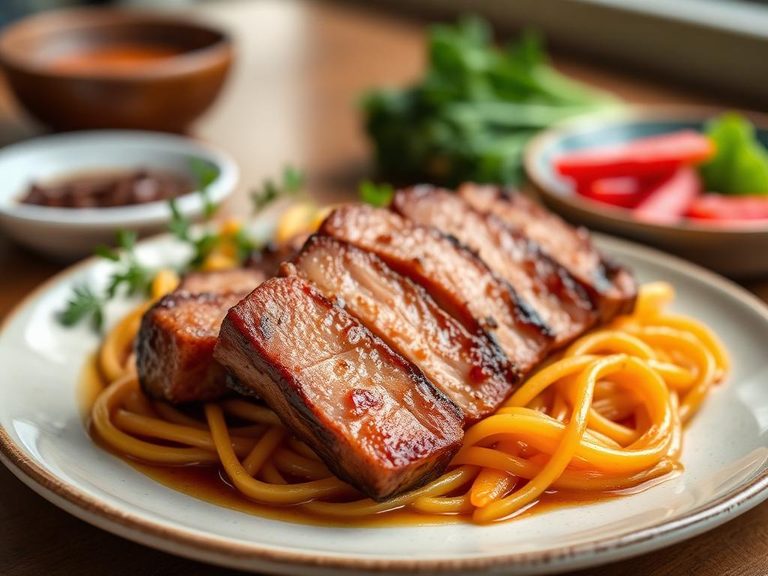
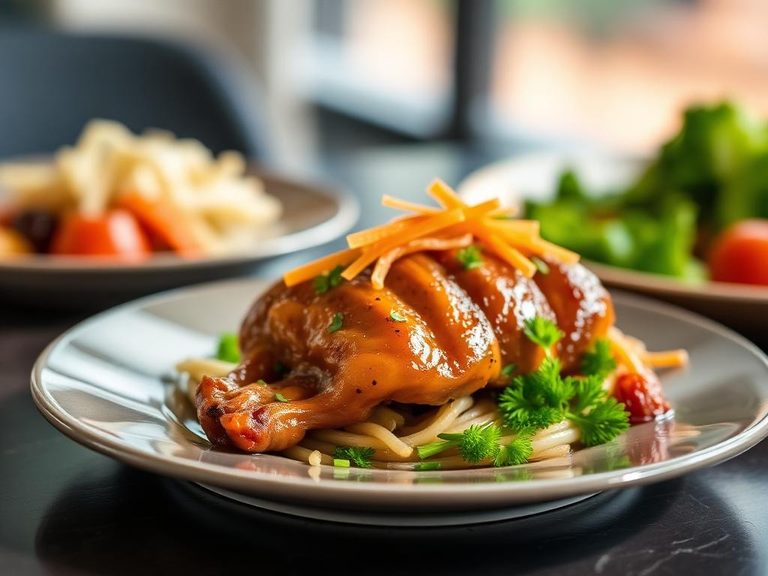
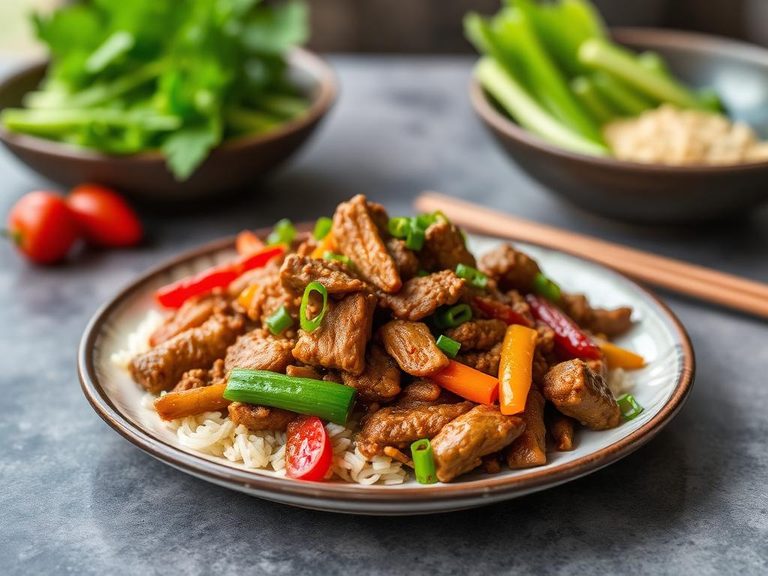
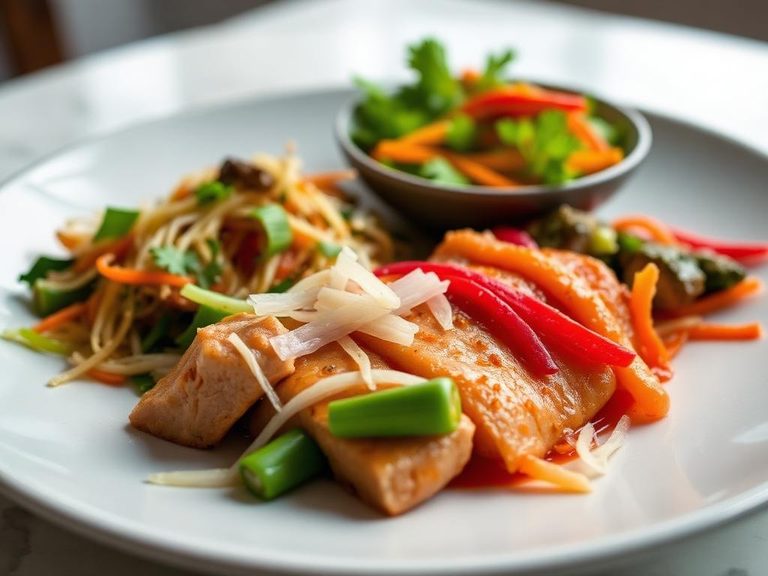
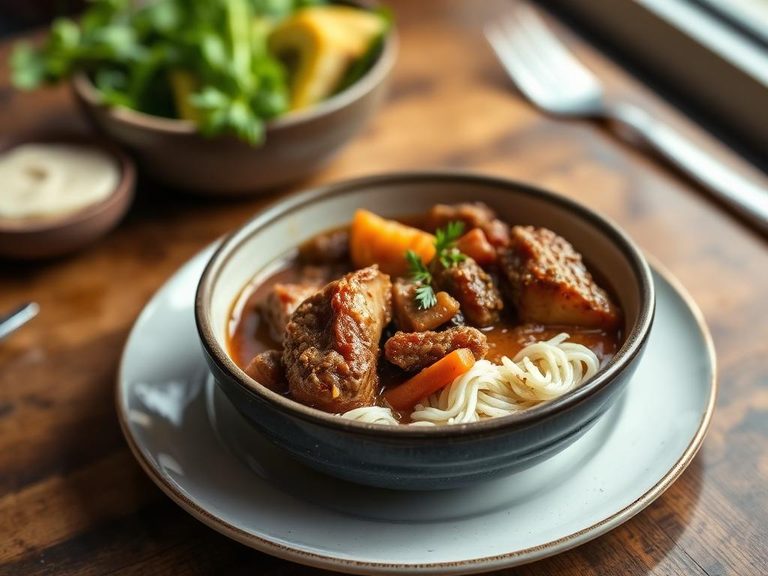
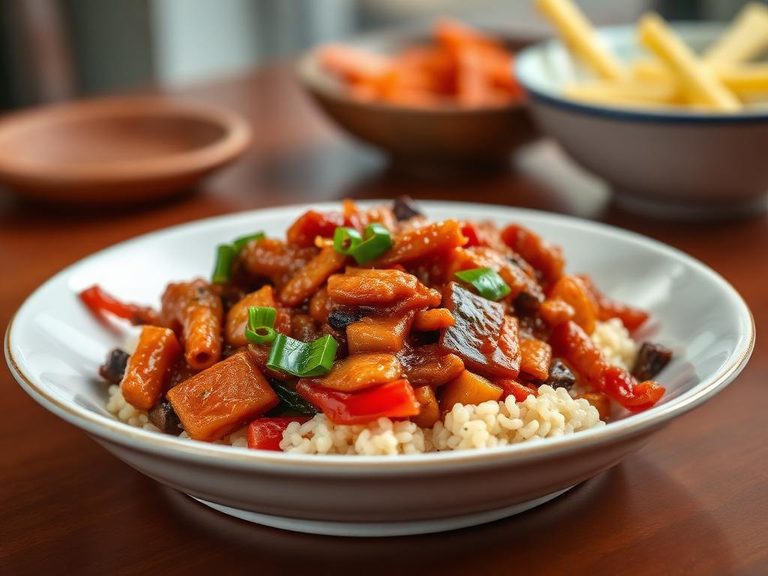
🌍 Where it's eaten
💡 Did you know?
The process of making seitan involves washing wheat dough with water until all the starch granules are removed, leaving behind only the elastic gluten protein network—a technique first documented in 6th-century China.
Full nutrition (USDA data · scales with serving)
| Water | 8.2 g |
| Energy | 370 kcal |
| Energy | 1548 kj |
| Protein | 75.2 g |
| Total lipid (fat) | 1.9 g |
| Ash | 1.0 g |
| Carbohydrate, by difference | 13.8 g |
| Fiber, total dietary | 0.60 g |
| Total Sugars | 0.00 g |
| Calcium, Ca | 142 mg |
| Iron, Fe | 5.2 mg |
| Magnesium, Mg | 25.0 mg |
| Phosphorus, P | 260 mg |
| Potassium, K | 100 mg |
| Sodium, Na | 29.0 mg |
| Zinc, Zn | 0.85 mg |
| Copper, Cu | 0.18 mg |
| Selenium, Se | 39.7 ug |
| Vitamin C, total ascorbic acid | 0.00 mg |
| Thiamin | 0.00 mg |
| Riboflavin | 0.00 mg |
| Niacin | 0.00 mg |
| Pantothenic acid | 0.00 mg |
| Vitamin B-6 | 0.00 mg |
| Folate, total | 0.00 ug |
| Folic acid | 0.00 ug |
| Folate, food | 0.00 ug |
| Folate, DFE | 0.00 ug |
| Vitamin B-12 | 0.00 ug |
| Vitamin B-12, added | 0.00 ug |
| Vitamin A, RAE | 0.00 ug |
| Retinol | 0.00 ug |
| Carotene, beta | 0.00 ug |
| Carotene, alpha | 0.00 ug |
| Cryptoxanthin, beta | 0.00 ug |
| Vitamin A, IU | 0.00 iu |
| Lycopene | 0.00 ug |
| Lutein + zeaxanthin | 0.00 ug |
| Vitamin E (alpha-tocopherol) | 0.00 mg |
| Vitamin E, added | 0.00 mg |
| Vitamin D (D2 + D3), International Units | 0.00 iu |
| Vitamin D (D2 + D3) | 0.00 ug |
| Vitamin K (phylloquinone) | 0.00 ug |
| Alcohol, ethyl | 0.00 g |
| Caffeine | 0.00 mg |
| Theobromine | 0.00 mg |
Fat & fatty acid profile (per 100g)
| Fatty acids, total saturated | 0.27 g |
| SFA 4:0 | 0.00 g |
| SFA 6:0 | 0.00 g |
| SFA 8:0 | 0.00 g |
| SFA 10:0 | 0.00 g |
| SFA 12:0 | 0.00 g |
| SFA 14:0 | 0.00 g |
| SFA 16:0 | 0.24 g |
| SFA 18:0 | 0.01 g |
| Fatty acids, total monounsaturated | 0.16 g |
| MUFA 16:1 | 0.01 g |
| MUFA 18:1 | 0.15 g |
| MUFA 20:1 | 0.00 g |
| MUFA 22:1 | 0.00 g |
| Fatty acids, total polyunsaturated | 0.81 g |
| PUFA 18:2 | 0.76 g |
| PUFA 18:3 | 0.05 g |
| PUFA 18:4 | 0.00 g |
| PUFA 20:4 | 0.00 g |
| PUFA 20:5 n-3 (EPA) | 0.00 g |
| PUFA 22:5 n-3 (DPA) | 0.00 g |
| PUFA 22:6 n-3 (DHA) | 0.00 g |
| Cholesterol | 0.00 mg |
FAQ
Is vital wheat gluten the same as seitan?
No. Vital wheat gluten is the dry, powdered ingredient. Seitan is the cooked dish made by hydrating vital wheat gluten (or washing wheat flour dough) with liquid and seasonings, then simmering or steaming it.
Can I eat vital wheat gluten raw?
No. It must be cooked. When mixed with water and cooked, the proteins set into a firm, chewy mass. Eating it raw would be unpalatable and difficult to digest.
How do I store vital wheat gluten?
Keep the dry powder in its original sealed bag or an airtight container in a cool, dark pantry. Once mixed into a dough or cooked as seitan, it should be refrigerated and consumed within a few days.
Nutrient density (calculated · NRF9.3)
Nutrient Rich Foods index: beneficial nutrients (protein, fiber, vitamins, minerals) minus saturated fat, added sugar & sodium, per 100 kcal.
NRF9.3 index — Fulgoni, Keast & Drewnowski, 2009. Computed from USDA nutrients.
Weight-loss friendliness (composite index)
Energy density 3.70 kcal/g · 81% calories from protein · 0.6 g fiber · 0.0 g sugar per 100 g.
Composite of energy density (Rolls et al., 1999), protein & fiber satiety, minus sugar. A calculated heuristic — ranks satiety-per-calorie, not a clinical measure.
Dietary load (calculated from USDA values)
Potential renal acid load. Positive = acid-forming, negative = alkaline-forming.
Sodium-to-potassium ratio: 0.29 (lower is better — aim for ≤ 1)
Sodium:potassium per WHO potassium guidance. Computed from USDA nutrients.