

Buddhist Vegetarian Cuisine
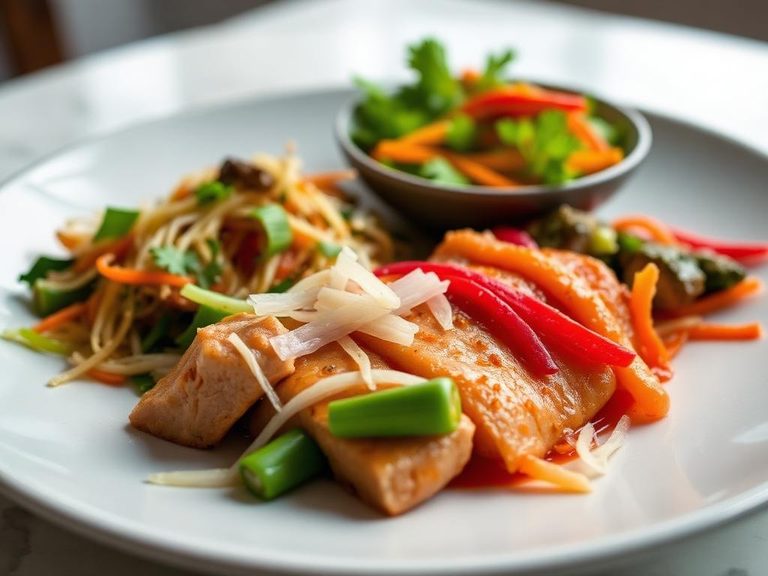
Buddhist Vegetarian Cuisine, often called 'Jai' or 'Buddha's Delight,' is a traditional Chinese dish originating from temple kitchens. It is a complex, savory stew or stir-fry made from a wide array of plant-based ingredients like tofu, mushrooms, bamboo shoots, and various vegetables, all seasoned with soy sauce and aromatic spices.
🍽️ Nutrition at a glance
This dish is generally balanced, offering moderate protein from tofu and soy products, complex carbohydrates from vegetables and noodles, and low fat. It is a good source of dietary fiber, vitamins, and minerals, with a typical serving ranging from 250-400 calories depending on preparation.
Nutrition breakdown
| Calories | 320 kcal |
| Protein | 15 g |
| Carbs | 40 g |
| Fat | 12 g |
| Fiber | 8 g |
| Sugar | 5 g |
| Sodium | 850 mg |
| Iron | 4.5 mg |
| Calcium | 180 mg |
| Potassium | 520 mg |
| Vitamin C | 15 mg |
| Vitamin A | 300 µg |
| Magnesium | 65 mg |
| Folate | 120 µg |
| Manganese | 1.8 mg |
Per 1 bowl (300 g) · estimated, varies by recipe
💡 What's interesting
Culturally, it's a cornerstone of Chinese Buddhist fasting traditions, especially during Lunar New Year, symbolizing purity and new beginnings. Nutritionally, its unique combination of diverse ingredients provides a broad spectrum of nutrients, making it a naturally complete plant-based meal.
🍽️ Related dishes
 Some traditional fried snacks in certain cuisines
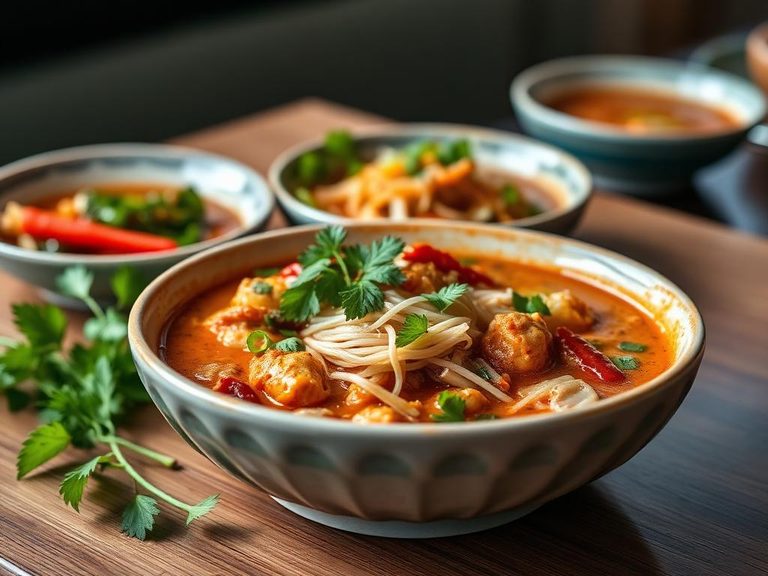 Spicy Asian cuisine like Thai curry or Vietnamese pho
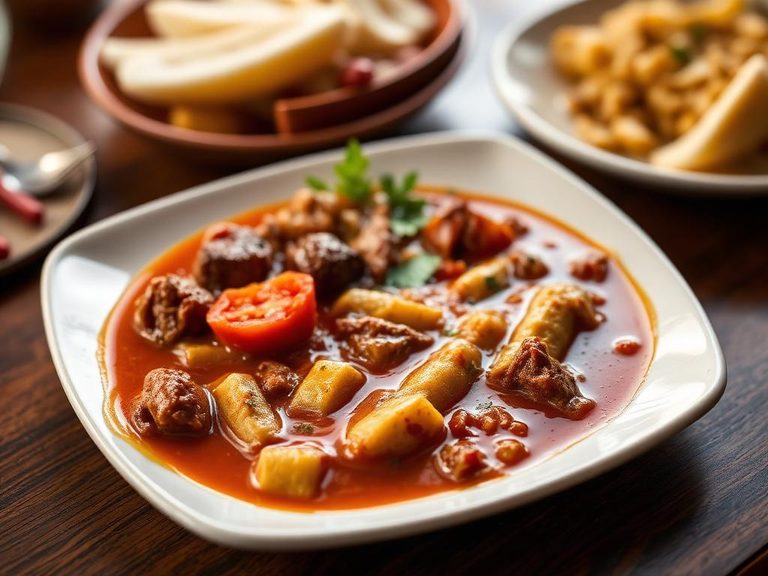 Added to soups or stews in West African cuisine
 Sheepshead ceviche, a popular appetizer in coastal cuisines
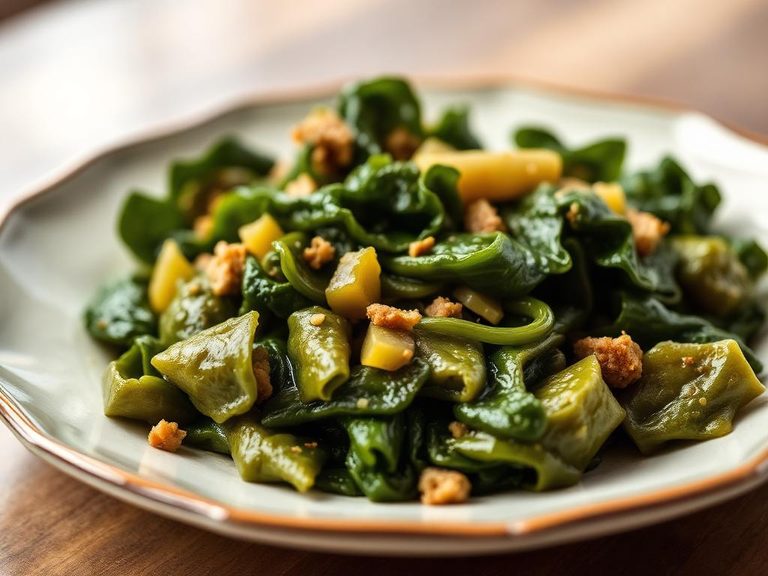 Turnip greens in Southern U.S. cuisine
 Sweet side dish in some Middle Eastern cuisines
 Jellies and fruit gels in tropical cuisine
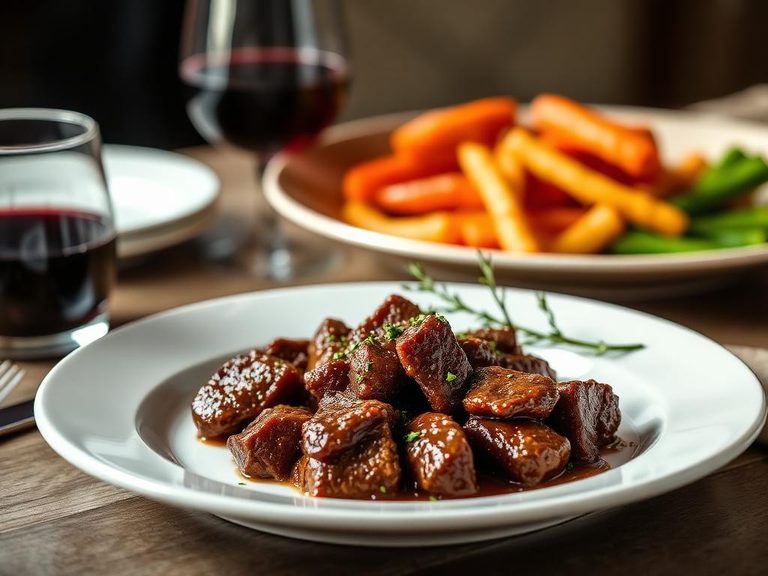 Lean Cuisine Beef Merlot
AI estimate may be inaccurate · Terms