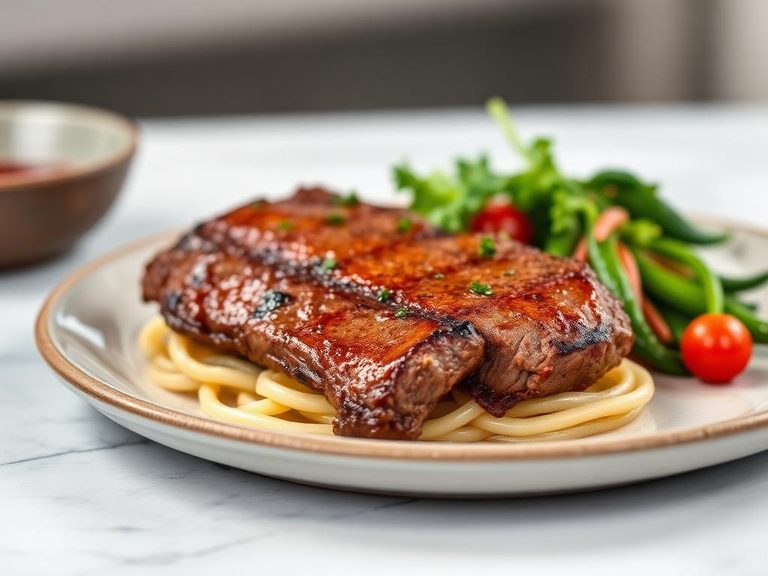
Seitan
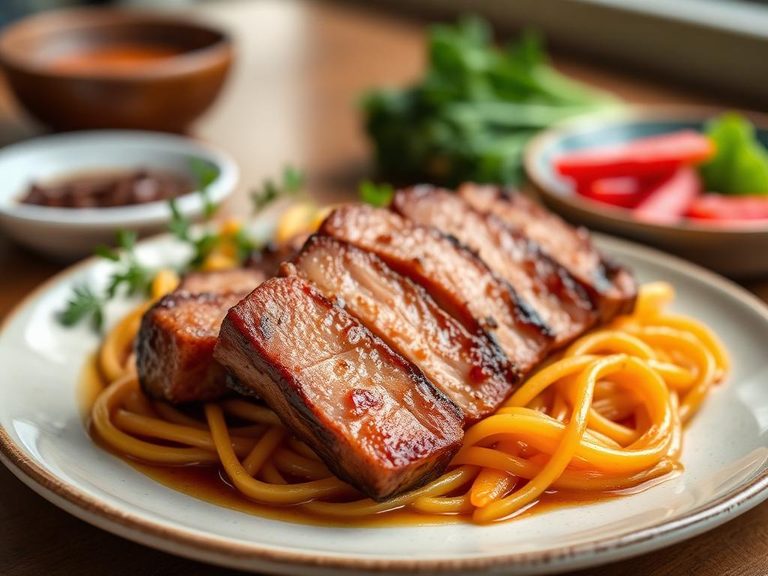
Seitan, often called 'wheat meat,' is a plant-based protein made from vital wheat gluten, the main protein in wheat. It's created by washing wheat dough until the starch is removed, leaving behind a dense, chewy gluten mass that is then seasoned and cooked. Originating in ancient China as a Buddhist vegetarian staple, it's now a global meat substitute.
🍽️ Nutrition at a glance
Seitan is exceptionally high in protein and very low in carbohydrates and fat, making it a lean protein source. A typical serving provides a substantial amount of protein, along with notable minerals like selenium and iron, with a calorie count similar to lean meat.
Nutrition breakdown
| Calories | 120 kcal |
| Protein | 21 g |
| Carbs | 4 g |
| Fat | 2 g |
| Fiber | 1 g |
| Sugar | 0 g |
| Sodium | 300 mg |
| Selenium | 16 mcg |
| Iron | 2.5 mg |
| Phosphorus | 150 mg |
| Copper | 0.2 mg |
| Manganese | 0.4 mg |
| Potassium | 100 mg |
| Thiamin (B1) | 0.15 mg |
| Niacin (B3) | 2 mg |
Per 3 oz (85 g) · estimated, varies by recipe
💡 What's interesting
Culturally, seitan has been a cornerstone of East Asian Buddhist vegetarian cuisine for centuries, used to mimic the texture of meat in temple cooking. Nutritionally, its complete protein profile and meat-like chew make it a unique and powerful plant-based option for athletes and those reducing meat consumption.