

Veal, sirloin, separable lean only, cooked, roasted
Whole food · Lamb, Veal, and Game Products

Photo: Wikipedia
Veal sirloin, lean only, is a tender, mild-flavored cut from the hindquarter, prized for its fine grain and subtle sweetness when roasted. Its exceptionally high protein content (over 26g per 100g) and virtually zero carbohydrates make it a powerhouse for muscle maintenance and low-carb diets. The lean texture is delicate and succulent, offering a refined alternative to beef with a less intense, more buttery flavor profile.
Calorie split: 65% protein · 0% carbs · 35% fat
↓ Full nutrition💚 Why it's loved
People love veal sirloin for its buttery tenderness and delicate, non-gamey flavor that pairs beautifully with both bold and subtle sauces. Its versatility shines in everything from quick pan-sears to slow roasts, making it a favorite in fine dining and home kitchens alike, especially in European culinary traditions.
⚠️ Watch-outs & how to enjoy it better
The primary downside is its higher cost compared to beef and its leanness, which can lead to dryness if overcooked. To counteract dryness, use a meat thermometer to pull it at 145°F (63°C) and let it rest before slicing. For those concerned about sodium in prepared dishes, opt for homemade herb rubs or citrus marinades instead of pre-made seasonings.
Key benefits
- Excellent source of high-quality protein for muscle repair and satiety
- Very low in fat (6.22g/100g), making it a lean, heart-friendly red meat option
- Naturally zero carbohydrates and sugars, ideal for ketogenic and diabetic diets
- Rich in essential nutrients like B12, zinc, and iron, supporting energy and immunity
- Low-calorie density (168 kcal/100g) helps with weight management goals
🍽️ Popular dishes
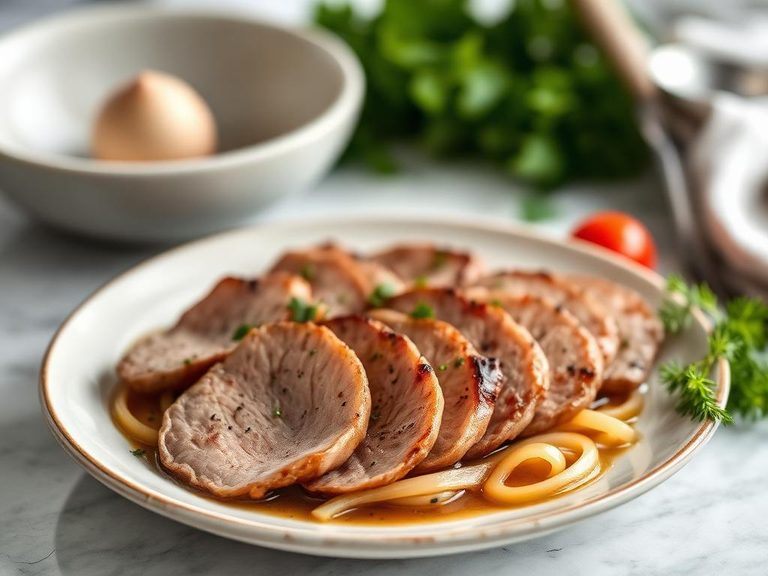
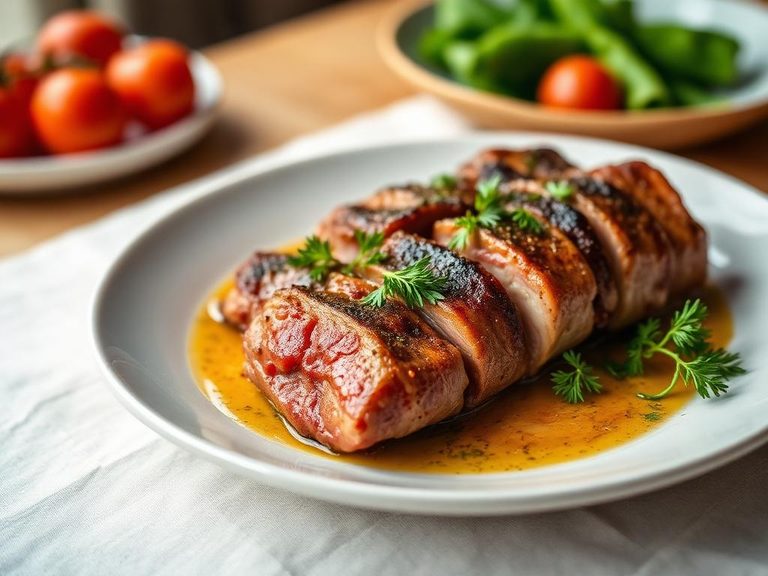
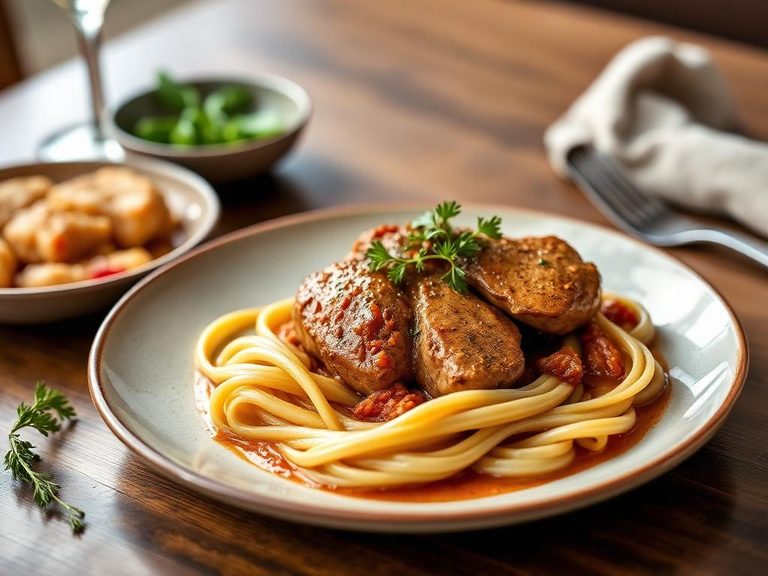
🌍 Where it's eaten
💡 Did you know?
Veal from younger calves (under 20 weeks) has a higher glycogen content in its muscles, which contributes to its signature pale pink color and tender, sweet flavor when cooked.
Full nutrition (USDA data · scales with serving)
| Water | 65.7 g |
| Energy | 168 kcal |
| Energy | 703 kj |
| Protein | 26.3 g |
| Total lipid (fat) | 6.2 g |
| Ash | 1.4 g |
| Carbohydrate, by difference | 0.00 g |
| Fiber, total dietary | 0.00 g |
| Calcium, Ca | 14.0 mg |
| Iron, Fe | 0.91 mg |
| Magnesium, Mg | 27.0 mg |
| Phosphorus, P | 231 mg |
| Potassium, K | 365 mg |
| Sodium, Na | 85.0 mg |
| Zinc, Zn | 3.5 mg |
| Copper, Cu | 0.14 mg |
| Manganese, Mn | 0.03 mg |
| Selenium, Se | 11.5 ug |
| Vitamin C, total ascorbic acid | 0.00 mg |
| Thiamin | 0.06 mg |
| Riboflavin | 0.37 mg |
| Niacin | 9.3 mg |
| Pantothenic acid | 1.3 mg |
| Vitamin B-6 | 0.34 mg |
| Folate, total | 16.0 ug |
| Folic acid | 0.00 ug |
| Folate, food | 16.0 ug |
| Folate, DFE | 16.0 ug |
| Vitamin B-12 | 1.5 ug |
| Vitamin A, RAE | 0.00 ug |
| Retinol | 0.00 ug |
| Vitamin A, IU | 0.00 iu |
| Vitamin E (alpha-tocopherol) | 0.46 mg |
Fat & fatty acid profile (per 100g)
| Fatty acids, total saturated | 2.4 g |
| SFA 10:0 | 0.00 g |
| SFA 12:0 | 0.01 g |
| SFA 14:0 | 0.21 g |
| SFA 16:0 | 1.3 g |
| SFA 18:0 | 0.80 g |
| Fatty acids, total monounsaturated | 2.3 g |
| MUFA 16:1 | 0.25 g |
| MUFA 18:1 | 2.0 g |
| Fatty acids, total polyunsaturated | 0.48 g |
| PUFA 18:2 | 0.36 g |
| PUFA 18:3 | 0.04 g |
| PUFA 20:4 | 0.09 g |
| Cholesterol | 104 mg |
Amino acid profile (per 100g)
| Tryptophan | 0.27 g |
| Threonine | 1.1 g |
| Isoleucine | 1.3 g |
| Leucine | 2.1 g |
| Lysine | 2.2 g |
| Methionine | 0.61 g |
| Cystine | 0.30 g |
| Phenylalanine | 1.1 g |
| Tyrosine | 0.84 g |
| Valine | 1.5 g |
| Arginine | 1.5 g |
| Histidine | 0.96 g |
| Alanine | 1.6 g |
| Aspartic acid | 2.3 g |
| Glutamic acid | 4.2 g |
| Glycine | 1.4 g |
| Proline | 1.1 g |
| Serine | 0.99 g |
FAQ
Is veal sirloin healthier than beef sirloin?
Yes, veal sirloin is generally leaner and lower in fat than beef sirloin, with similar protein levels. It also tends to have fewer calories per serving, making it a slightly lighter option for those monitoring fat intake.
How should I cook veal sirloin to keep it tender?
Roast or pan-sear it quickly at high heat, using a meat thermometer to avoid overcooking. Aim for an internal temperature of 145°F (63°C) and let it rest for 5-10 minutes before slicing to retain juices.
Can I substitute veal sirloin in beef recipes?
Absolutely. Veal sirloin works well in most beef recipes, especially those calling for tender cuts like sirloin or tenderloin. Adjust cooking times slightly, as veal cooks faster due to its leanness.
Nutrient density (calculated · NRF9.3)
Nutrient Rich Foods index: beneficial nutrients (protein, fiber, vitamins, minerals) minus saturated fat, added sugar & sodium, per 100 kcal.
NRF9.3 index — Fulgoni, Keast & Drewnowski, 2009. Computed from USDA nutrients.
Weight-loss friendliness (composite index)
Energy density 1.68 kcal/g · 63% calories from protein · 0.0 g fiber · 0.0 g sugar per 100 g.
Composite of energy density (Rolls et al., 1999), protein & fiber satiety, minus sugar. A calculated heuristic — ranks satiety-per-calorie, not a clinical measure.
Dietary load (calculated from USDA values)
Potential renal acid load. Positive = acid-forming, negative = alkaline-forming.
Sodium-to-potassium ratio: 0.23 (lower is better — aim for ≤ 1)
Sodium:potassium per WHO potassium guidance. Computed from USDA nutrients.