

Veal, shoulder, whole (arm and blade), separable lean only, cooked, braised
Whole food · Lamb, Veal, and Game Products

Photo: Wikipedia
This is a cut of young beef from the shoulder, slow-braised until the lean meat becomes exceptionally tender and succulent. It offers a rich, deep beefy flavor with a fine, smooth texture that practically melts in your mouth. Nutritionally, it's a powerhouse of high-quality protein with minimal fat and zero carbohydrates.
Calorie split: 71% protein · 0% carbs · 29% fat
↓ Full nutrition💚 Why it's loved
People love it for its unparalleled tenderness and rich, savory flavor that develops during the slow cooking process. It's a versatile centerpiece that absorbs sauces and seasonings beautifully, making it a comfort food staple in many cuisines.
⚠️ Watch-outs & how to enjoy it better
As a red meat, it can be high in cholesterol and saturated fat, so those monitoring heart health should enjoy it in moderation. To counteract this, pair it with fiber-rich vegetables like roasted Brussels sprouts or a leafy green salad to balance the meal and support digestion.
Key benefits
- Excellent source of complete protein for muscle maintenance and repair.
- Very low in carbohydrates, making it suitable for keto and low-carb diets.
- Rich in essential nutrients like iron, zinc, and B vitamins (especially B12).
- The slow braising method makes the meat very tender and easy to digest.
- Provides a high satiety factor, helping with appetite control.
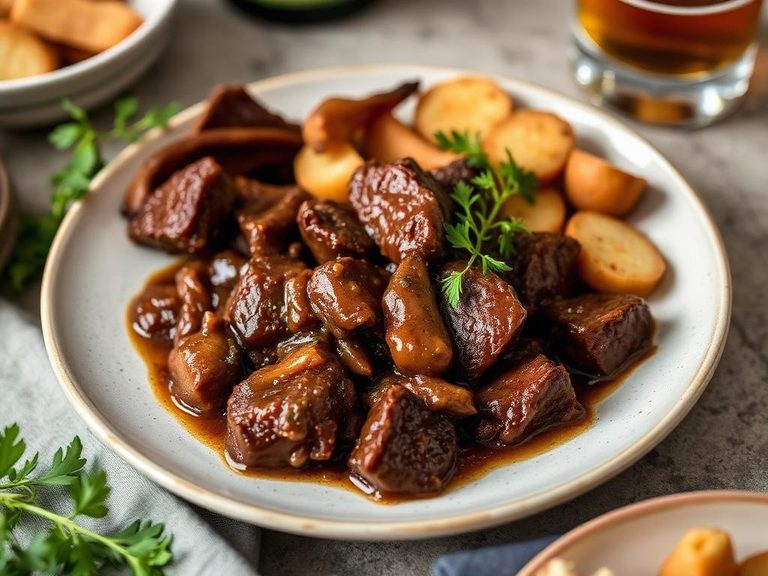
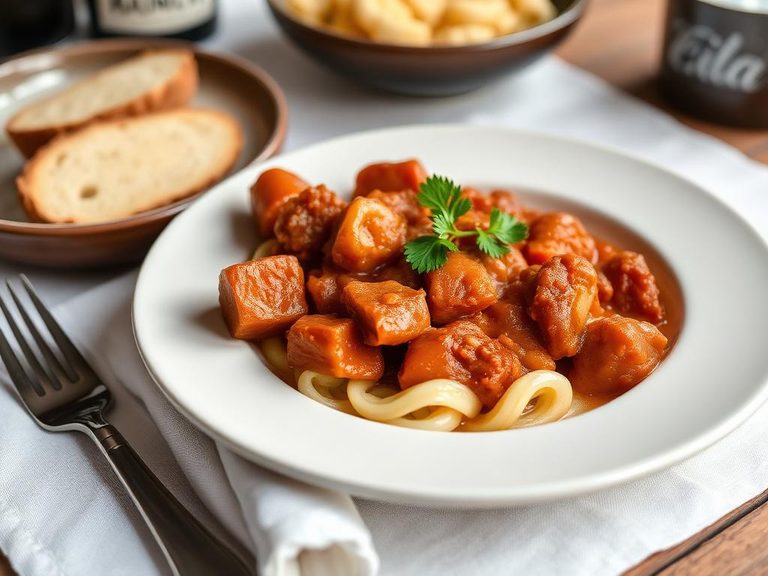
🍽️ Popular dishes
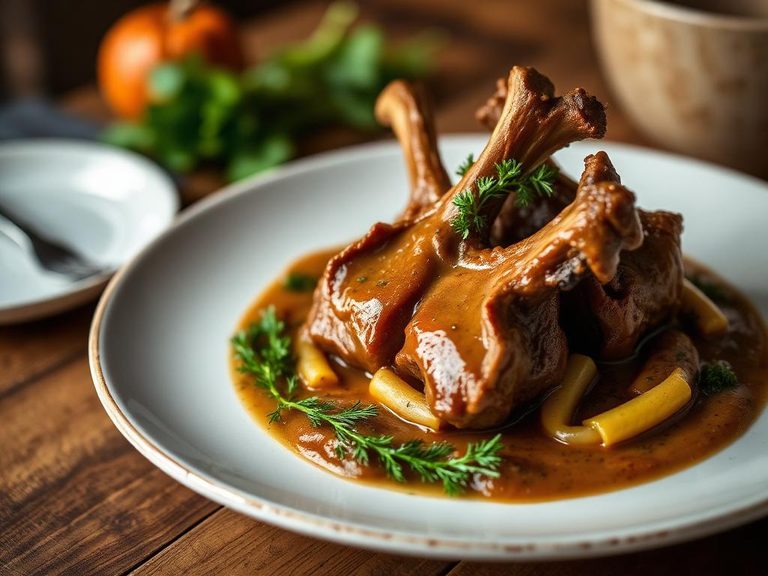
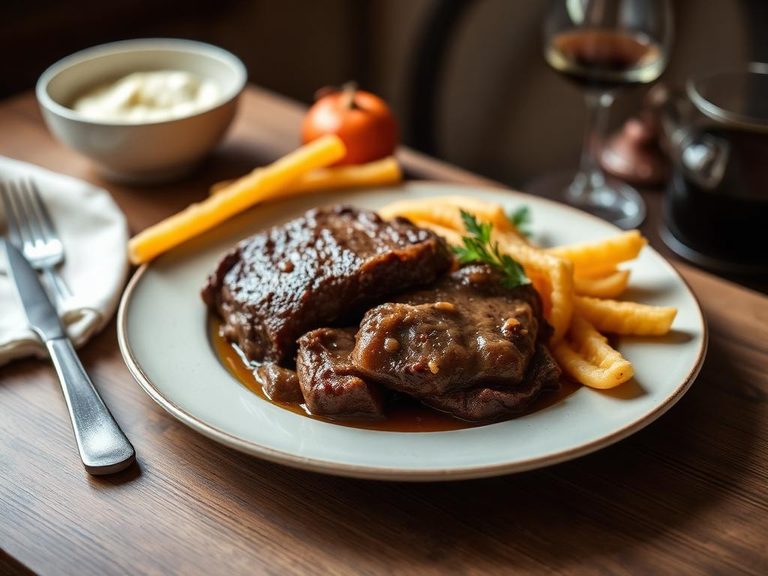
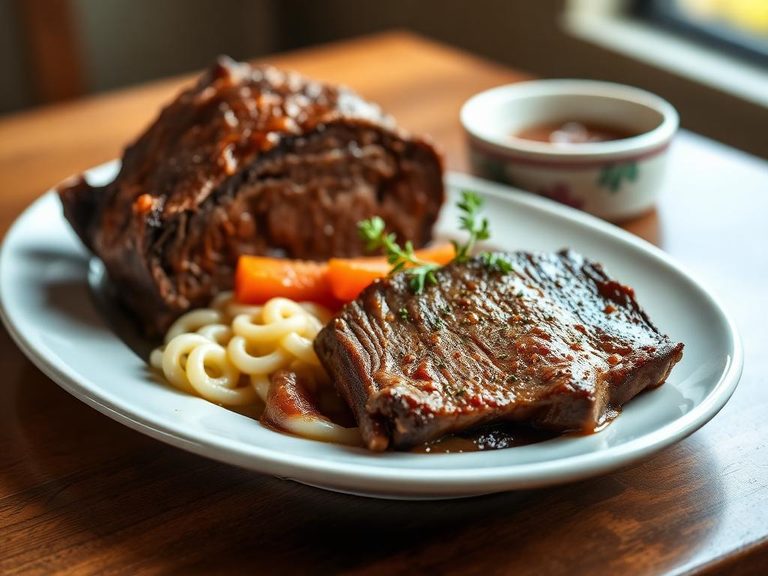
🌍 Where it's eaten
💡 Did you know?
The 'arm and blade' refers to the two primary bones in the shoulder: the humerus (arm) and the scapula (blade), which are often left in the cut during cooking to add flavor to the braising liquid.
Full nutrition (USDA data · scales with serving)
| Water | 58.9 g |
| Energy | 199 kcal |
| Energy | 833 kj |
| Protein | 33.7 g |
| Total lipid (fat) | 6.1 g |
| Ash | 1.3 g |
| Carbohydrate, by difference | 0.00 g |
| Fiber, total dietary | 0.00 g |
| Calcium, Ca | 37.0 mg |
| Iron, Fe | 1.4 mg |
| Magnesium, Mg | 28.0 mg |
| Phosphorus, P | 260 mg |
| Potassium, K | 319 mg |
| Sodium, Na | 97.0 mg |
| Zinc, Zn | 7.0 mg |
| Copper, Cu | 0.16 mg |
| Manganese, Mn | 0.04 mg |
| Selenium, Se | 14.7 ug |
| Vitamin C, total ascorbic acid | 0.00 mg |
| Thiamin | 0.06 mg |
| Riboflavin | 0.35 mg |
| Niacin | 6.7 mg |
| Pantothenic acid | 1.6 mg |
| Vitamin B-6 | 0.26 mg |
| Folate, total | 16.0 ug |
| Folic acid | 0.00 ug |
| Folate, food | 16.0 ug |
| Folate, DFE | 16.0 ug |
| Vitamin B-12 | 1.9 ug |
| Vitamin A, RAE | 0.00 ug |
| Retinol | 0.00 ug |
| Vitamin A, IU | 0.00 iu |
| Vitamin E (alpha-tocopherol) | 0.45 mg |
Fat & fatty acid profile (per 100g)
| Fatty acids, total saturated | 1.7 g |
| SFA 10:0 | 0.00 g |
| SFA 12:0 | 0.01 g |
| SFA 14:0 | 0.12 g |
| SFA 16:0 | 0.99 g |
| SFA 18:0 | 0.58 g |
| Fatty acids, total monounsaturated | 2.2 g |
| MUFA 16:1 | 0.20 g |
| MUFA 18:1 | 2.0 g |
| Fatty acids, total polyunsaturated | 0.55 g |
| PUFA 18:2 | 0.42 g |
| PUFA 18:3 | 0.03 g |
| PUFA 20:4 | 0.10 g |
| Cholesterol | 130 mg |
Amino acid profile (per 100g)
| Tryptophan | 0.34 g |
| Threonine | 1.5 g |
| Isoleucine | 1.7 g |
| Leucine | 2.7 g |
| Lysine | 2.8 g |
| Methionine | 0.79 g |
| Cystine | 0.38 g |
| Phenylalanine | 1.4 g |
| Tyrosine | 1.1 g |
| Valine | 1.9 g |
| Arginine | 2.0 g |
| Histidine | 1.2 g |
| Alanine | 2.0 g |
| Aspartic acid | 2.9 g |
| Glutamic acid | 5.3 g |
| Glycine | 1.7 g |
| Proline | 1.4 g |
| Serine | 1.3 g |
FAQ
What's the difference between braising and roasting this cut?
Braising involves searing the meat then simmering it slowly in liquid (like broth or wine) covered, which breaks down connective tissue for ultimate tenderness. Roasting is dry-heat cooking in an oven, which would make this lean cut tough and chewy without the moist environment.
Can I use a slow cooker or Instant Pot for this cut?
Absolutely! Both are ideal for braising. A slow cooker on low for 6-8 hours or an Instant Pot on high pressure for 35-45 minutes will yield perfectly tender results, making it a convenient hands-off meal.
Is this a good cut for someone with high blood pressure?
It can be part of a balanced diet. Since the nutrition data shows 0g sodium, the sodium content depends entirely on your cooking method and seasonings. Use low-sodium broth and limit added salt to keep it heart-friendly.
Nutrient density (calculated · NRF9.3)
Nutrient Rich Foods index: beneficial nutrients (protein, fiber, vitamins, minerals) minus saturated fat, added sugar & sodium, per 100 kcal.
NRF9.3 index — Fulgoni, Keast & Drewnowski, 2009. Computed from USDA nutrients.
Weight-loss friendliness (composite index)
Energy density 1.99 kcal/g · 68% calories from protein · 0.0 g fiber · 0.0 g sugar per 100 g.
Composite of energy density (Rolls et al., 1999), protein & fiber satiety, minus sugar. A calculated heuristic — ranks satiety-per-calorie, not a clinical measure.
Dietary load (calculated from USDA values)
Potential renal acid load. Positive = acid-forming, negative = alkaline-forming.
Sodium-to-potassium ratio: 0.30 (lower is better — aim for ≤ 1)
Sodium:potassium per WHO potassium guidance. Computed from USDA nutrients.