

Squash, winter, acorn, cooked, baked, with salt
Whole food · Vegetables and Vegetable Products

Photo: Wikipedia
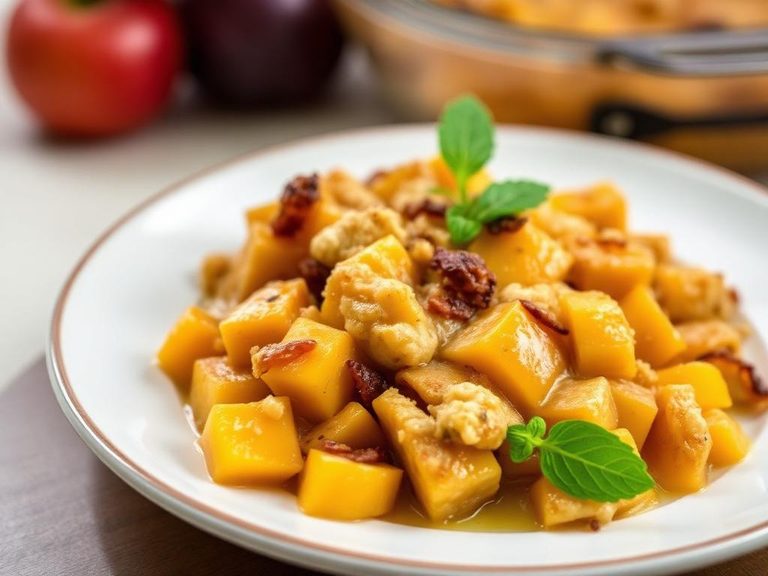
Baked acorn squash transforms a tough, ridged gourd into a tender, sweet, and nutty side dish with a creamy, almost velvety texture. Its deep amber flesh, lightly caramelized by the oven, delivers a naturally mild sweetness that pairs beautifully with both savory and sweet preparations. At just 56 calories per 100g, it's a nutrient-dense, fiber-rich choice that feels indulgent without the heaviness.
Calorie split: 7% protein · 91% carbs · 2% fat
↓ Full nutrition💚 Why it's loved
People adore its naturally sweet, buttery flavor and the way it caramelizes into a tender, melt-in-your-mouth texture when baked. Its versatility makes it a beloved canvas for everything from cinnamon and brown sugar to sage and browned butter, fitting seamlessly into both rustic and elegant meals.
⚠️ Watch-outs & how to enjoy it better
The added salt in baked preparations can be a concern for those monitoring sodium intake, and its carbohydrate content (14.58g per 100g) may cause blood sugar spikes in sensitive individuals. To counteract, pair it with a source of protein or healthy fat (like toasted nuts, cheese, or a drizzle of olive oil) and practice portion control by limiting servings to about 1 cup (150g).
Key benefits
- Excellent source of dietary fiber (4.4g per 100g) supporting digestive health
- Low in fat (0.14g) and calories (56 kcal), ideal for weight management
- Rich in potassium and magnesium for heart and muscle function
- Contains beta-carotene and vitamin C for immune support
- Naturally gluten-free and suitable for vegan and paleo diets
🍽️ Popular dishes
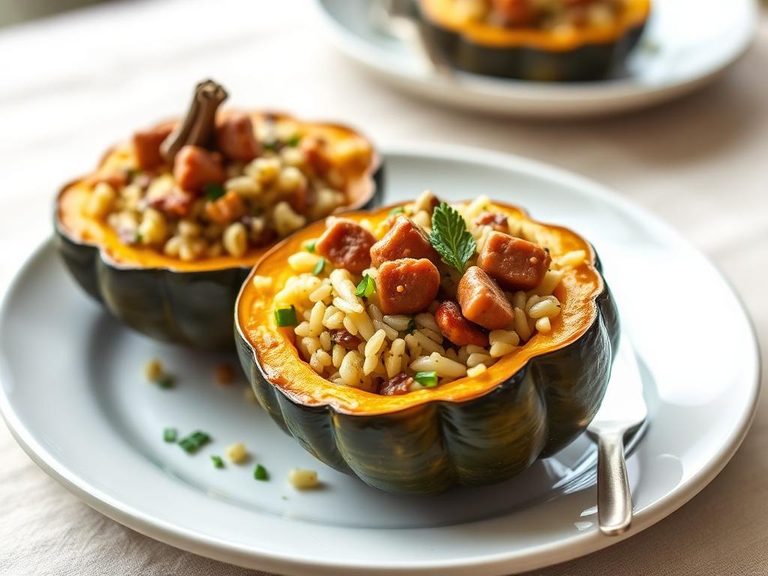
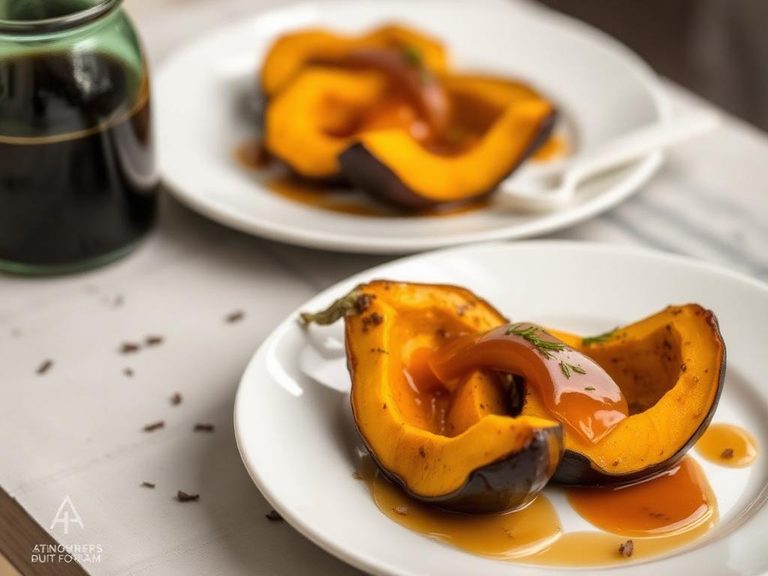
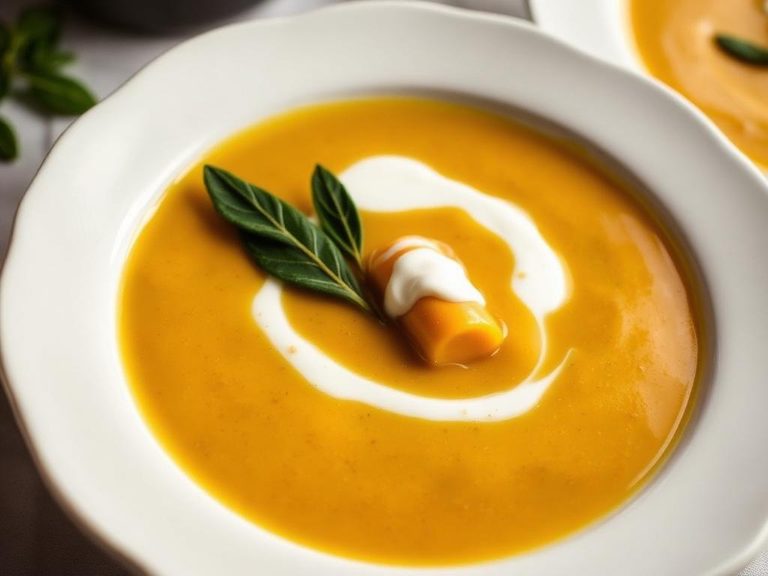
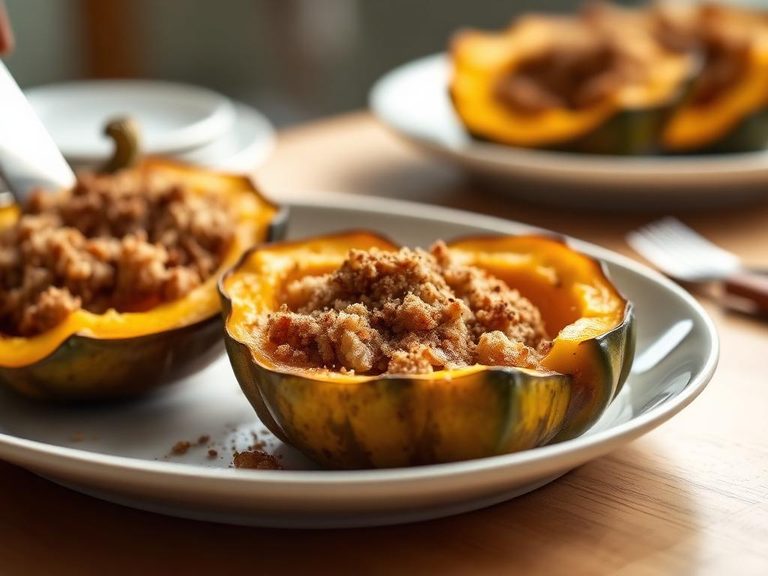
🌍 Where it's eaten
💡 Did you know?
Acorn squash was cultivated by Native Americans long before European contact, and its name comes from its acorn-like shape, not its taste—though its flavor is often compared to a nutty, sweet potato hybrid.
Full nutrition (USDA data · scales with serving)
| Water | 82.9 g |
| Energy | 56.0 kcal |
| Energy | 234 kj |
| Protein | 1.1 g |
| Total lipid (fat) | 0.14 g |
| Ash | 1.3 g |
| Carbohydrate, by difference | 14.6 g |
| Fiber, total dietary | 4.4 g |
| Calcium, Ca | 44.0 mg |
| Iron, Fe | 0.93 mg |
| Magnesium, Mg | 43.0 mg |
| Phosphorus, P | 45.0 mg |
| Potassium, K | 437 mg |
| Sodium, Na | 240 mg |
| Zinc, Zn | 0.17 mg |
| Copper, Cu | 0.09 mg |
| Manganese, Mn | 0.24 mg |
| Selenium, Se | 0.70 ug |
| Vitamin C, total ascorbic acid | 10.8 mg |
| Thiamin | 0.17 mg |
| Riboflavin | 0.01 mg |
| Niacin | 0.88 mg |
| Pantothenic acid | 0.50 mg |
| Vitamin B-6 | 0.19 mg |
| Folate, total | 19.0 ug |
| Folic acid | 0.00 ug |
| Folate, food | 19.0 ug |
| Folate, DFE | 19.0 ug |
| Vitamin B-12 | 0.00 ug |
| Vitamin A, RAE | 21.0 ug |
| Retinol | 0.00 ug |
| Vitamin A, IU | 428 iu |
| Vitamin D (D2 + D3), International Units | 0.00 iu |
| Vitamin D (D2 + D3) | 0.00 ug |
Fat & fatty acid profile (per 100g)
| Fatty acids, total saturated | 0.03 g |
| SFA 12:0 | 0.00 g |
| SFA 14:0 | 0.00 g |
| SFA 16:0 | 0.03 g |
| SFA 18:0 | 0.00 g |
| Fatty acids, total monounsaturated | 0.01 g |
| MUFA 16:1 | 0.00 g |
| MUFA 18:1 | 0.01 g |
| Fatty acids, total polyunsaturated | 0.06 g |
| PUFA 18:2 | 0.02 g |
| PUFA 18:3 | 0.04 g |
| Fatty acids, total trans | 0.00 g |
| Cholesterol | 0.00 mg |
Amino acid profile (per 100g)
| Tryptophan | 0.02 g |
| Threonine | 0.03 g |
| Isoleucine | 0.04 g |
| Leucine | 0.06 g |
| Lysine | 0.04 g |
| Methionine | 0.01 g |
| Cystine | 0.01 g |
| Phenylalanine | 0.04 g |
| Tyrosine | 0.04 g |
| Valine | 0.05 g |
| Arginine | 0.06 g |
| Histidine | 0.02 g |
| Alanine | 0.05 g |
| Aspartic acid | 0.12 g |
| Glutamic acid | 0.20 g |
| Glycine | 0.04 g |
| Proline | 0.04 g |
| Serine | 0.04 g |
FAQ
Is baked acorn squash healthy?
Yes, it's low in calories and fat, high in fiber, and rich in vitamins like vitamin C and potassium. However, added salt and sugar in some recipes can reduce its health benefits.
How do I store baked acorn squash?
Store in an airtight container in the refrigerator for up to 4 days, or freeze for up to 3 months. Reheat in the oven or microwave to maintain texture.
Can I eat the skin of baked acorn squash?
Yes, the skin becomes tender when baked and is edible, though some prefer to scoop out the flesh. It adds extra fiber and nutrients.
Nutrient density (calculated · NRF9.3)
Nutrient Rich Foods index: beneficial nutrients (protein, fiber, vitamins, minerals) minus saturated fat, added sugar & sodium, per 100 kcal.
NRF9.3 index — Fulgoni, Keast & Drewnowski, 2009. Computed from USDA nutrients.
Weight-loss friendliness (composite index)
Energy density 0.56 kcal/g · 8% calories from protein · 4.4 g fiber · 0.0 g sugar per 100 g.
Composite of energy density (Rolls et al., 1999), protein & fiber satiety, minus sugar. A calculated heuristic — ranks satiety-per-calorie, not a clinical measure.
Dietary load (calculated from USDA values)
Potential renal acid load. Positive = acid-forming, negative = alkaline-forming.
Sodium-to-potassium ratio: 0.55 (lower is better — aim for ≤ 1)
Sodium:potassium per WHO potassium guidance. Computed from USDA nutrients.