

Spaghetti, spinach, cooked
Whole food · Cereal Grains and Pasta
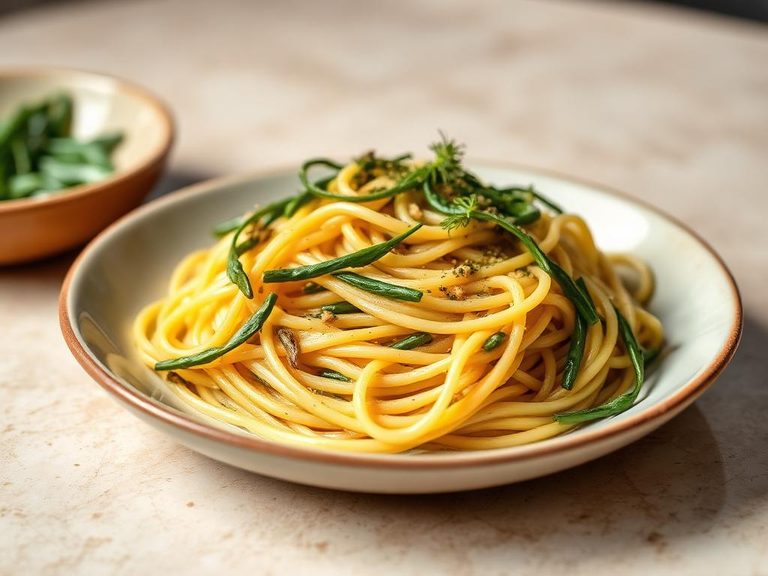
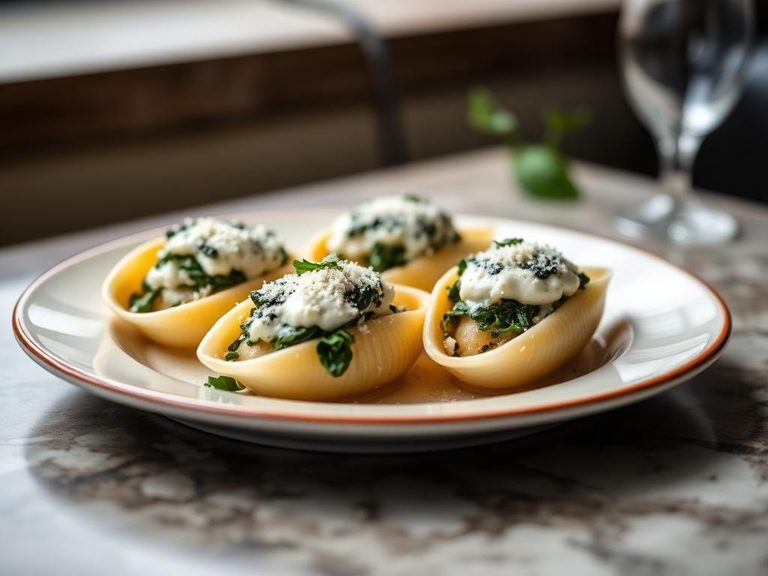
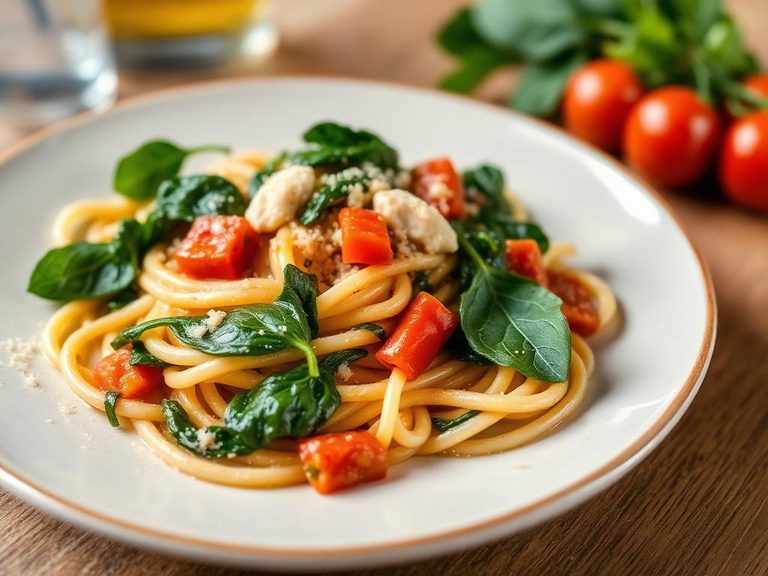
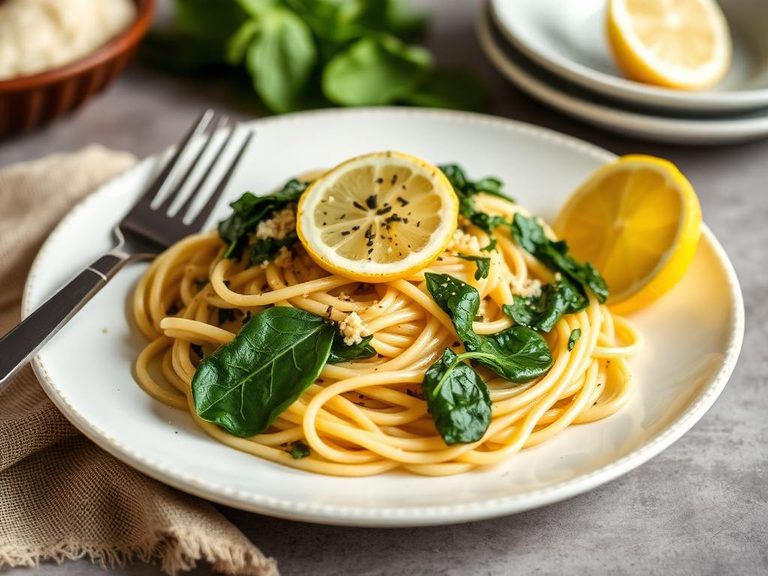
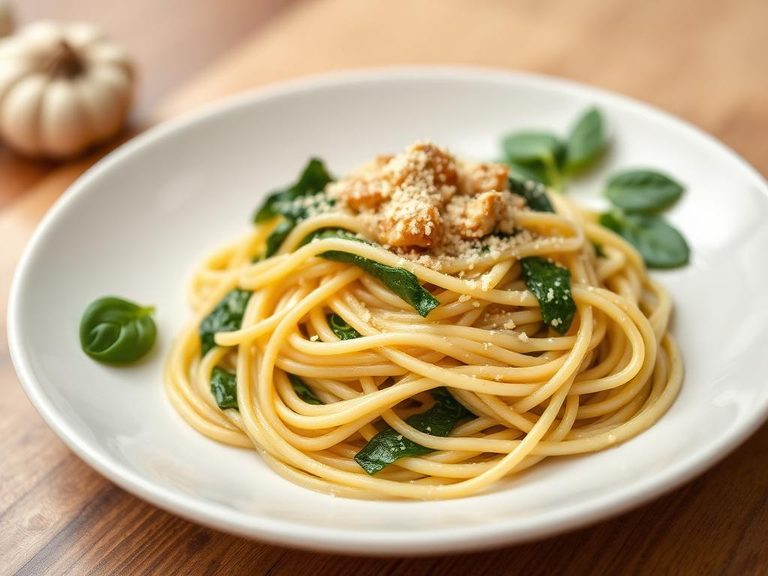
Spaghetti with spinach is a classic Italian pairing where tender, leafy spinach is folded into al dente pasta, often with a light garlic or olive oil sauce. The texture is soft yet slightly toothsome, with the spinach adding a mild, earthy sweetness that complements the neutral pasta. Nutritionally, it's a low-fat, moderate-carb dish that provides a decent amount of protein from the wheat pasta, making it a satisfying, light meal.
Calorie split: 14% protein · 81% carbs · 4% fat
↓ Full nutrition💚 Why it's loved
People love this dish for its comforting, familiar taste and the way the spinach adds a fresh, vibrant touch to the classic pasta. It's incredibly versatile, easily paired with cheeses, garlic, or a simple tomato sauce, and is a staple in Italian home cooking.
⚠️ Watch-outs & how to enjoy it better
The dish can be high in carbs, which may cause blood-sugar spikes if eaten in large portions without protein or fat. Spinach contains oxalates, which can affect mineral absorption in some individuals. To counteract, pair it with a source of protein like chicken or beans, and add a drizzle of olive oil to slow digestion. Using whole-wheat pasta can also help with fiber intake.
Key benefits
- Low in fat, making it heart-friendly
- Good source of plant-based protein from wheat pasta
- Provides iron and vitamins from spinach
- Quick and easy to prepare for a balanced meal
- Naturally low in sugar, suitable for stable energy
🍽️ Popular dishes
🌍 Where it's eaten
💡 Did you know?
Spinach was introduced to Italy in the 13th century by the Moors, and its pairing with pasta became a culinary tradition that spread across Europe.
Full nutrition (USDA data · scales with serving)
| Water | 68.1 g |
| Energy | 130 kcal |
| Energy | 544 kj |
| Protein | 4.6 g |
| Total lipid (fat) | 0.63 g |
| Ash | 0.50 g |
| Carbohydrate, by difference | 26.1 g |
| Calcium, Ca | 30.0 mg |
| Iron, Fe | 1.0 mg |
| Magnesium, Mg | 62.0 mg |
| Phosphorus, P | 108 mg |
| Potassium, K | 58.0 mg |
| Sodium, Na | 14.0 mg |
| Zinc, Zn | 1.1 mg |
| Copper, Cu | 0.20 mg |
| Manganese, Mn | 1.5 mg |
| Selenium, Se | 22.1 ug |
| Vitamin C, total ascorbic acid | 0.00 mg |
| Thiamin | 0.10 mg |
| Riboflavin | 0.10 mg |
| Niacin | 1.5 mg |
| Pantothenic acid | 0.18 mg |
| Vitamin B-6 | 0.10 mg |
| Folate, total | 12.0 ug |
| Folic acid | 0.00 ug |
| Folate, food | 12.0 ug |
| Folate, DFE | 12.0 ug |
| Vitamin B-12 | 0.00 ug |
| Vitamin A, RAE | 8.0 ug |
| Retinol | 0.00 ug |
| Vitamin A, IU | 152 iu |
| Vitamin D (D2 + D3), International Units | 0.00 iu |
| Vitamin D (D2 + D3) | 0.00 ug |
Fat & fatty acid profile (per 100g)
| Fatty acids, total saturated | 0.09 g |
| SFA 14:0 | 0.00 g |
| SFA 16:0 | 0.08 g |
| SFA 18:0 | 0.01 g |
| Fatty acids, total monounsaturated | 0.07 g |
| MUFA 16:1 | 0.00 g |
| MUFA 18:1 | 0.07 g |
| MUFA 20:1 | 0.00 g |
| Fatty acids, total polyunsaturated | 0.26 g |
| PUFA 18:2 | 0.23 g |
| PUFA 18:3 | 0.03 g |
| Cholesterol | 0.00 mg |
Amino acid profile (per 100g)
| Tryptophan | 0.06 g |
| Threonine | 0.12 g |
| Isoleucine | 0.18 g |
| Leucine | 0.31 g |
| Lysine | 0.09 g |
| Methionine | 0.07 g |
| Cystine | 0.13 g |
| Phenylalanine | 0.22 g |
| Tyrosine | 0.12 g |
| Valine | 0.20 g |
| Arginine | 0.17 g |
| Histidine | 0.09 g |
| Alanine | 0.14 g |
| Aspartic acid | 0.20 g |
| Glutamic acid | 1.6 g |
| Glycine | 0.15 g |
| Proline | 0.49 g |
| Serine | 0.22 g |
FAQ
Is spaghetti with spinach a healthy meal?
Yes, it's low in fat and provides protein and vitamins, but it's best balanced with protein or healthy fats to manage blood sugar.
Can I make this dish gluten-free?
Absolutely, use gluten-free pasta made from rice, corn, or chickpeas to keep the dish safe for gluten-sensitive individuals.
How do I prevent spinach from wilting too much?
Add spinach to the pasta at the very end of cooking, just enough to wilt it slightly, and toss with a bit of olive oil to retain texture.
Nutrient density (calculated · NRF9.3)
Nutrient Rich Foods index: beneficial nutrients (protein, fiber, vitamins, minerals) minus saturated fat, added sugar & sodium, per 100 kcal.
NRF9.3 index — Fulgoni, Keast & Drewnowski, 2009. Computed from USDA nutrients.
Weight-loss friendliness (composite index)
Energy density 1.30 kcal/g · 14% calories from protein · 0.0 g fiber · 0.0 g sugar per 100 g.
Composite of energy density (Rolls et al., 1999), protein & fiber satiety, minus sugar. A calculated heuristic — ranks satiety-per-calorie, not a clinical measure.
Dietary load (calculated from USDA values)
Potential renal acid load. Positive = acid-forming, negative = alkaline-forming.
Sodium-to-potassium ratio: 0.24 (lower is better — aim for ≤ 1)
Sodium:potassium per WHO potassium guidance. Computed from USDA nutrients.