

Rutabaga, cooked
Common food

Photo: Wikipedia
Rutabaga, also known as swede or yellow turnip, is a root vegetable with a creamy, golden flesh and a subtly sweet, earthy flavor that becomes nutty and tender when cooked. It offers a unique cross between a potato and a cabbage, with a smooth, dense texture perfect for mashing or roasting. Nutritionally, it's a low-calorie source of fiber and provides a notable amount of vitamin C and potassium.
Calorie split: 7% protein · 54% carbs · 39% fat
↓ Full nutrition💚 Why it's loved
People love rutabaga for its comforting, mildly sweet flavor that elevates simple dishes like mashed roots or hearty stews. It's a versatile, hardy vegetable that stores well, making it a staple in winter cuisines for its ability to add creamy texture and depth.
⚠️ Watch-outs & how to enjoy it better
Some find its flavor slightly bitter or sulfurous, especially if overcooked. For those monitoring blood sugar, its carbohydrate content means it should be portioned thoughtfully. To counteract bitterness, pair it with butter or cream, and roast or boil it to mellow the taste. For blood sugar management, pair it with a protein or healthy fat source.
Key benefits
- Rich in immune-supporting vitamin C
- Good source of dietary fiber for digestive health
- Provides potassium for muscle and nerve function
- Low in calories, making it a nutrient-dense vegetable
- Contains antioxidants like glucosinolates
🍽️ Popular dishes
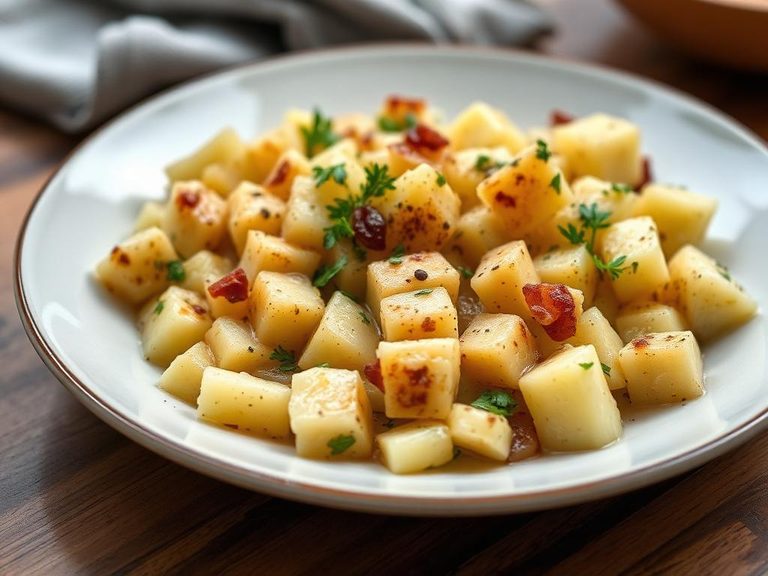
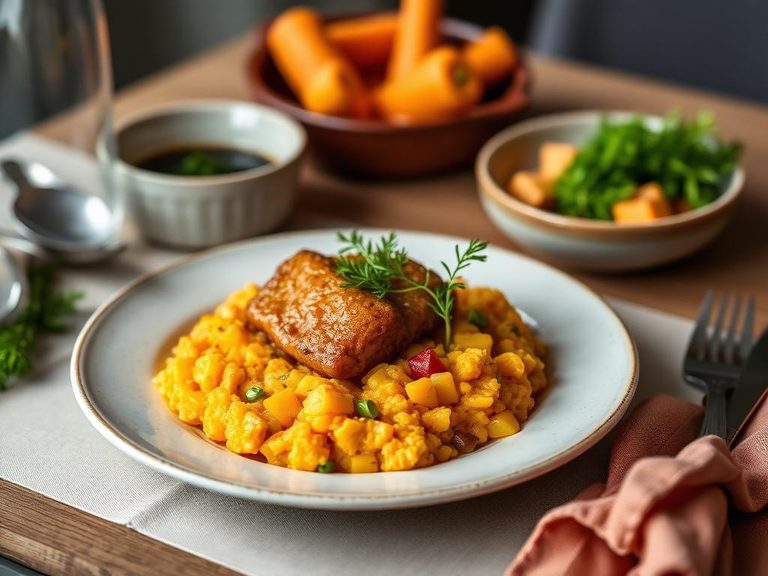
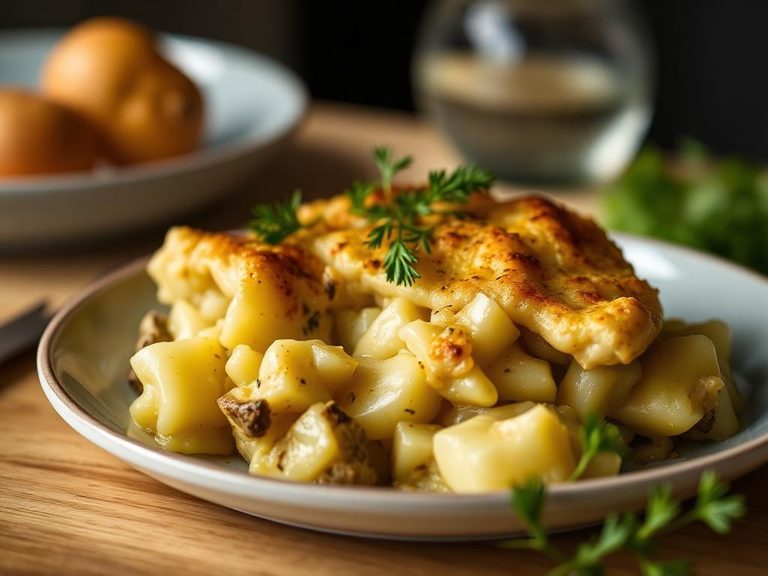
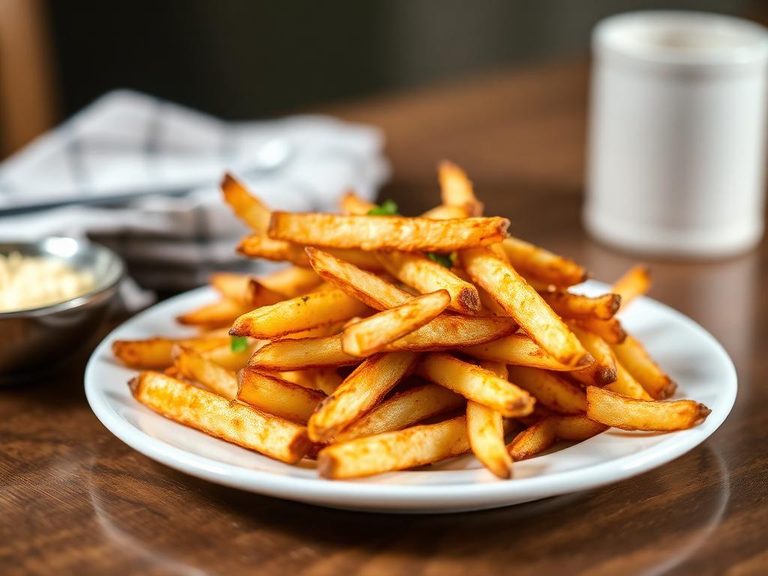

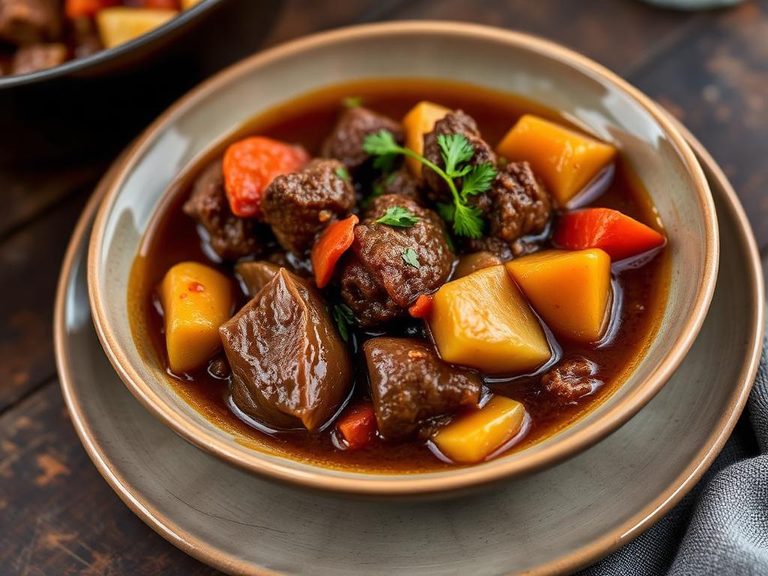
🌍 Where it's eaten
💡 Did you know?
The rutabaga is a hybrid vegetable, believed to have originated as a cross between a cabbage and a turnip in 17th-century Scandinavia.
Full nutrition (USDA data · scales with serving)
| Water | 85.9 g |
| Energy | 63.0 kcal |
| Protein | 1.1 g |
| Total lipid (fat) | 2.9 g |
| Carbohydrate, by difference | 9.0 g |
| Fiber, total dietary | 2.4 g |
| Total Sugars | 4.7 g |
| Calcium, Ca | 45.0 mg |
| Iron, Fe | 0.46 mg |
| Magnesium, Mg | 21.0 mg |
| Phosphorus, P | 55.0 mg |
| Potassium, K | 318 mg |
| Sodium, Na | 143 mg |
| Zinc, Zn | 0.25 mg |
| Copper, Cu | 0.03 mg |
| Selenium, Se | 0.70 ug |
| Vitamin C, total ascorbic acid | 22.1 mg |
| Thiamin | 0.08 mg |
| Riboflavin | 0.04 mg |
| Niacin | 0.69 mg |
| Vitamin B-6 | 0.11 mg |
| Folate, total | 19.0 ug |
| Folic acid | 0.00 ug |
| Folate, food | 19.0 ug |
| Folate, DFE | 19.0 ug |
| Choline, total | 14.9 mg |
| Vitamin B-12 | 0.00 ug |
| Vitamin B-12, added | 0.00 ug |
| Vitamin A, RAE | 12.0 ug |
| Retinol | 12.0 ug |
| Carotene, beta | 6.0 ug |
| Carotene, alpha | 0.00 ug |
| Cryptoxanthin, beta | 1.0 ug |
| Lycopene | 14.0 ug |
| Lutein + zeaxanthin | 19.0 ug |
| Vitamin E (alpha-tocopherol) | 0.72 mg |
| Vitamin E, added | 0.00 mg |
| Vitamin D (D2 + D3) | 0.00 ug |
| Vitamin K (phylloquinone) | 2.6 ug |
| Alcohol, ethyl | 0.00 g |
| Caffeine | 0.00 mg |
| Theobromine | 0.00 mg |
Fat & fatty acid profile (per 100g)
| Fatty acids, total saturated | 0.74 g |
| SFA 4:0 | 0.02 g |
| SFA 6:0 | 0.01 g |
| SFA 8:0 | 0.01 g |
| SFA 10:0 | 0.02 g |
| SFA 12:0 | 0.02 g |
| SFA 14:0 | 0.07 g |
| SFA 16:0 | 0.42 g |
| SFA 18:0 | 0.15 g |
| Fatty acids, total monounsaturated | 1.00 g |
| MUFA 16:1 | 0.01 g |
| MUFA 18:1 | 0.96 g |
| MUFA 20:1 | 0.01 g |
| MUFA 22:1 | 0.00 g |
| Fatty acids, total polyunsaturated | 0.88 g |
| PUFA 18:2 | 0.73 g |
| PUFA 18:3 | 0.14 g |
| PUFA 18:4 | 0.00 g |
| PUFA 20:4 | 0.00 g |
| PUFA 20:5 n-3 (EPA) | 0.00 g |
| PUFA 22:5 n-3 (DPA) | 0.00 g |
| PUFA 22:6 n-3 (DHA) | 0.00 g |
| Cholesterol | 2.0 mg |
FAQ
What's the difference between a rutabaga and a turnip?
Rutabagas are larger, with creamy yellow flesh and a sweeter, nuttier flavor. Turnips are smaller, with white flesh and a sharper, more peppery taste, especially when raw.
How do I prepare a rutabaga?
Peel the tough outer skin with a sharp knife. It can be boiled, roasted, mashed, or added to soups and stews. Roasting at high heat brings out its natural sweetness.
Is rutabaga keto-friendly?
While lower in carbs than potatoes, rutabaga still contains about 9g of net carbs per 100g. It can be included in moderation in a well-formulated keto diet, often used as a lower-carb substitute for potatoes.
Nutrient density (calculated · NRF9.3)
Nutrient Rich Foods index: beneficial nutrients (protein, fiber, vitamins, minerals) minus saturated fat, added sugar & sodium, per 100 kcal.
NRF9.3 index — Fulgoni, Keast & Drewnowski, 2009. Computed from USDA nutrients.
Weight-loss friendliness (composite index)
Energy density 0.63 kcal/g · 7% calories from protein · 2.4 g fiber · 4.7 g sugar per 100 g.
Composite of energy density (Rolls et al., 1999), protein & fiber satiety, minus sugar. A calculated heuristic — ranks satiety-per-calorie, not a clinical measure.
Dietary load (calculated from USDA values)
Potential renal acid load. Positive = acid-forming, negative = alkaline-forming.
Sodium-to-potassium ratio: 0.45 (lower is better — aim for ≤ 1)
Sodium:potassium per WHO potassium guidance. Computed from USDA nutrients.