

Rolls, gluten-free, white, made with brown rice flour, tapioca starch, and potato starch
Whole food · Baked Products
This is a soft, pillowy white roll crafted from a blend of brown rice flour, tapioca starch, and potato starch, designed for gluten-free diets. It offers a tender, slightly chewy crumb with a mild, neutral flavor that pairs well with both savory and sweet toppings. Nutritionally, it provides a solid source of carbohydrates for energy with a moderate protein content for a gluten-free bread alternative.
Calorie split: 10% protein · 71% carbs · 19% fat
↓ Full nutrition💚 Why it's loved
People love these rolls for their impressive texture, which closely mimics traditional wheat bread without the gluten. Their mild flavor and soft crumb make them incredibly versatile for everything from breakfast sandwiches to dinner sliders.
⚠️ Watch-outs & how to enjoy it better
The high carbohydrate content (55.1g per 100g) and added sugars (9.53g per 100g) can lead to blood sugar spikes, especially if eaten alone. To counteract this, pair the roll with protein (like eggs or turkey) and healthy fats (like avocado or nut butter) to slow digestion and stabilize blood sugar. Portion control is also key.
Key benefits
- Gluten-free, safe for celiac disease or gluten sensitivity
- Good source of dietary fiber (3.6g per 100g)
- Provides quick energy from complex carbohydrates
- Contains moderate protein (7.99g per 100g) for a bread product
- Low in fat (6.4g per 100g)
🍽️ Popular dishes
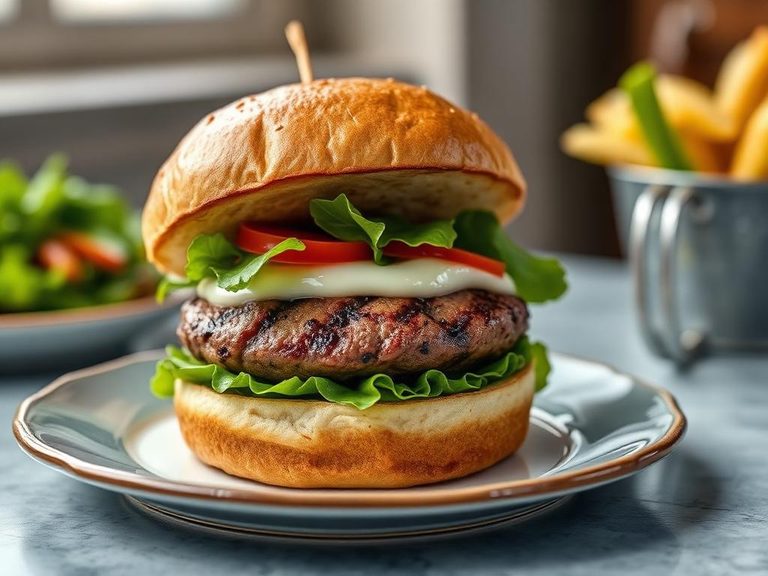

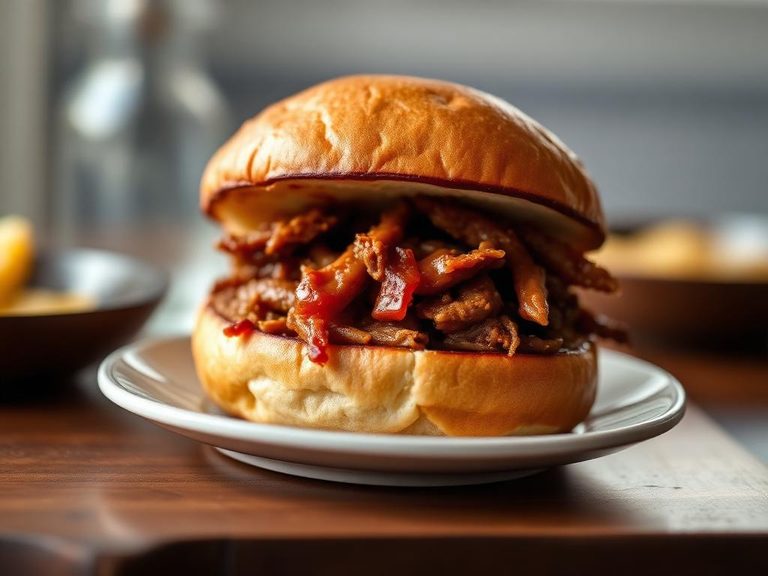
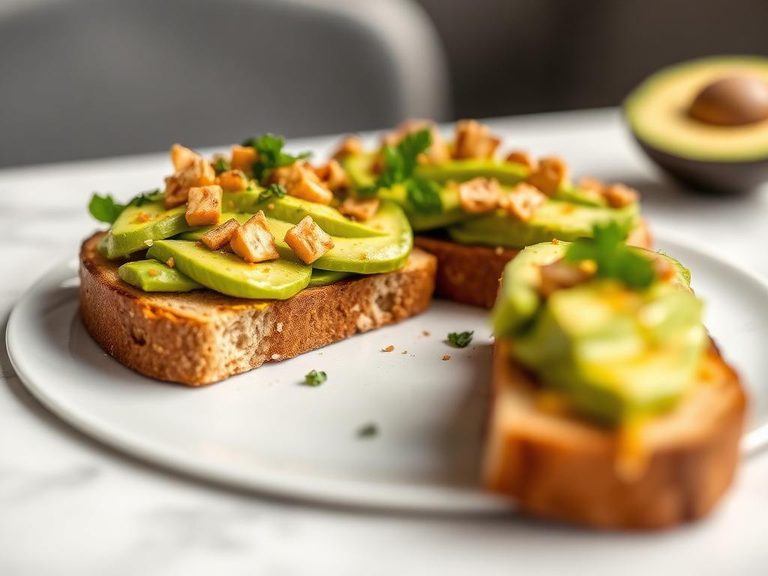
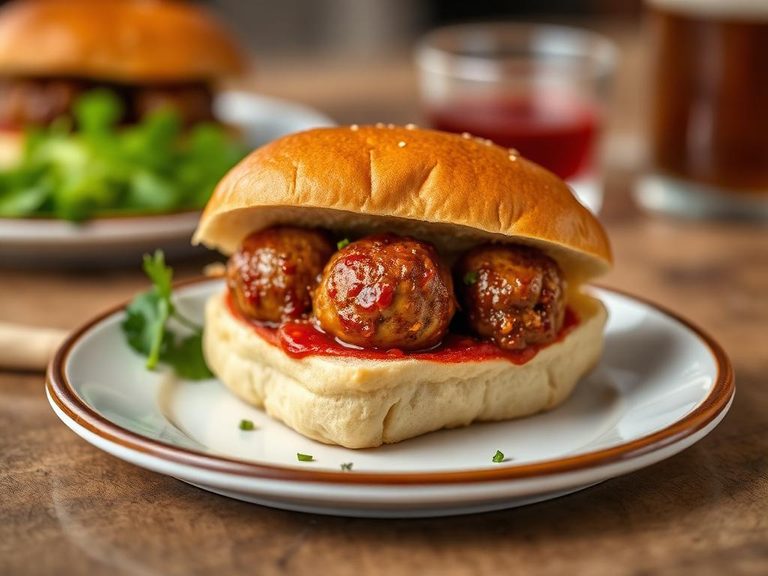

🌍 Where it's eaten
💡 Did you know?
The combination of brown rice flour with tapioca and potato starch is a classic gluten-free baking technique; the starches provide the elasticity and chew that gluten normally would, preventing the roll from being crumbly.
Full nutrition (USDA data · scales with serving)
| Water | 28.3 g |
| Energy | 310 kcal |
| Energy | 1297 kj |
| Protein | 8.0 g |
| Total lipid (fat) | 6.4 g |
| Ash | 2.2 g |
| Carbohydrate, by difference | 55.1 g |
| Fiber, total dietary | 3.6 g |
| Total Sugars | 9.5 g |
| Sucrose | 0.00 g |
| Glucose | 0.48 g |
| Fructose | 0.35 g |
| Lactose | 0.00 g |
| Maltose | 8.7 g |
| Galactose | 0.00 g |
| Starch | 40.3 g |
| Calcium, Ca | 82.0 mg |
| Iron, Fe | 0.78 mg |
| Magnesium, Mg | 44.0 mg |
| Phosphorus, P | 126 mg |
| Potassium, K | 161 mg |
| Sodium, Na | 707 mg |
| Zinc, Zn | 0.70 mg |
| Copper, Cu | 0.08 mg |
| Manganese, Mn | 0.80 mg |
| Pantothenic acid | 0.50 mg |
Fat & fatty acid profile (per 100g)
Estimated from Rolls, dinner, rye — USDA does not publish this profile for Rolls.
| Fatty acids, total saturated | 0.60 g |
| SFA 4:0 | 0.00 g |
| SFA 6:0 | 0.00 g |
| SFA 8:0 | 0.00 g |
| SFA 10:0 | 0.00 g |
| SFA 12:0 | 0.00 g |
| SFA 14:0 | 0.01 g |
| SFA 16:0 | 0.37 g |
| SFA 18:0 | 0.23 g |
| Fatty acids, total monounsaturated | 1.2 g |
| MUFA 16:1 | 0.01 g |
| MUFA 18:1 | 1.2 g |
| MUFA 20:1 | 0.00 g |
| MUFA 22:1 | 0.00 g |
| Fatty acids, total polyunsaturated | 0.71 g |
| PUFA 18:2 | 0.66 g |
| PUFA 18:3 | 0.05 g |
| PUFA 18:4 | 0.00 g |
| PUFA 20:4 | 0.00 g |
| PUFA 20:5 n-3 (EPA) | 0.00 g |
| PUFA 22:5 n-3 (DPA) | 0.00 g |
| PUFA 22:6 n-3 (DHA) | 0.00 g |
| Cholesterol | 0.00 mg |
Amino acid profile (per 100g)
Estimated from Rolls, dinner, rye — USDA does not publish this profile for Rolls.
| Tryptophan | 0.12 g |
| Threonine | 0.31 g |
| Isoleucine | 0.40 g |
| Leucine | 0.71 g |
| Lysine | 0.28 g |
| Methionine | 0.17 g |
| Cystine | 0.21 g |
| Phenylalanine | 0.51 g |
| Tyrosine | 0.26 g |
| Valine | 0.47 g |
| Arginine | 0.40 g |
| Histidine | 0.22 g |
| Alanine | 0.36 g |
| Aspartic acid | 0.53 g |
| Glutamic acid | 3.2 g |
| Glycine | 0.37 g |
| Proline | 1.1 g |
| Serine | 0.51 g |
FAQ
Why use three different flours/starches?
Brown rice flour provides structure and nutrition, tapioca starch adds chewiness and helps with browning, and potato starch contributes moisture and a soft texture. The blend mimics the properties of wheat gluten.
Is this roll suitable for a low-carb diet?
No. With over 55g of carbohydrates per 100g, it is a high-carb food. It is best suited for gluten-free diets, not low-carb or ketogenic diets.
How does the nutrition compare to a standard white wheat roll?
It is similar in calories and carbohydrates but typically has slightly more fiber and protein than a highly refined white wheat roll, though it lacks the natural B vitamins that wheat flour often has unless fortified.
Nutrient density (calculated · NRF9.3)
Nutrient Rich Foods index: beneficial nutrients (protein, fiber, vitamins, minerals) minus saturated fat, added sugar & sodium, per 100 kcal.
NRF9.3 index — Fulgoni, Keast & Drewnowski, 2009. Computed from USDA nutrients.
Weight-loss friendliness (composite index)
Energy density 3.10 kcal/g · 10% calories from protein · 3.6 g fiber · 9.5 g sugar per 100 g.
Composite of energy density (Rolls et al., 1999), protein & fiber satiety, minus sugar. A calculated heuristic — ranks satiety-per-calorie, not a clinical measure.
Dietary load (calculated from USDA values)
Potential renal acid load. Positive = acid-forming, negative = alkaline-forming.
Sodium-to-potassium ratio: 4.39 (lower is better — aim for ≤ 1)
Sodium:potassium per WHO potassium guidance. Computed from USDA nutrients.