

Rice, white, medium-grain, raw, enriched
Whole food · Cereal Grains and Pasta
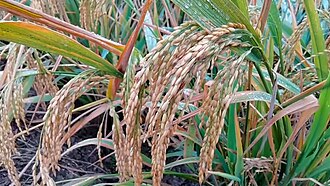
Photo: Wikipedia
Enriched medium-grain white rice is a polished, starchy staple with a soft, slightly sticky texture when cooked, making it ideal for dishes where grains cling together. It's a high-energy carbohydrate source, providing about 79 grams of carbs per 100g dry weight, and is fortified with B vitamins and iron.
Calorie split: 8% protein · 91% carbs · 1% fat
↓ Full nutrition💚 Why it's loved
People love it for its neutral, subtly sweet flavor and soft, comforting texture that acts as a perfect canvas for bold sauces, curries, and stir-fries. It's a cultural cornerstone, forming the daily foundation of meals from Tokyo to Oaxaca.
⚠️ Watch-outs & how to enjoy it better
Its high glycemic index can cause rapid blood sugar spikes, making portion control important for diabetics or those managing insulin resistance. To counteract this, pair it with protein (like beans or chicken), healthy fats (avocado or nuts), and fiber-rich vegetables to slow digestion.
Key benefits
- Excellent source of quick, easily digestible energy
- Fortified with iron and B vitamins (thiamin, niacin, folic acid)
- Naturally low in fat and contains no sugar
- Gluten-free and hypoallergenic
- Long shelf life and versatile pantry staple
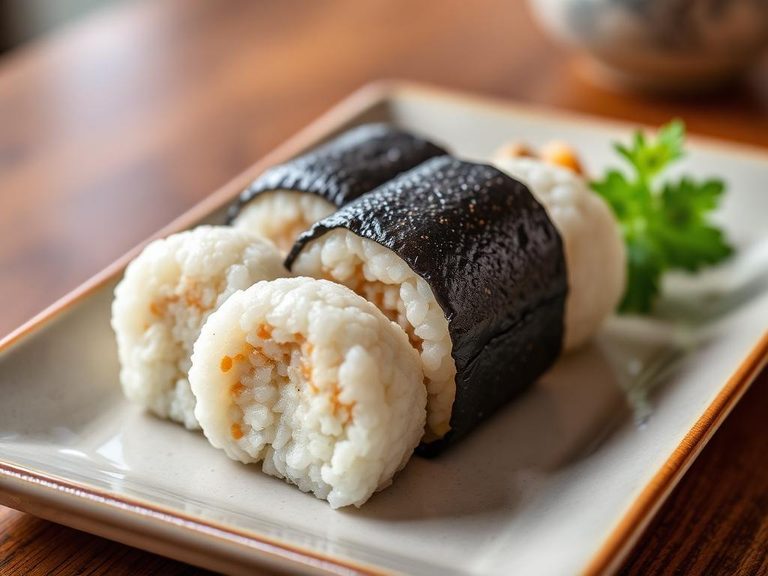
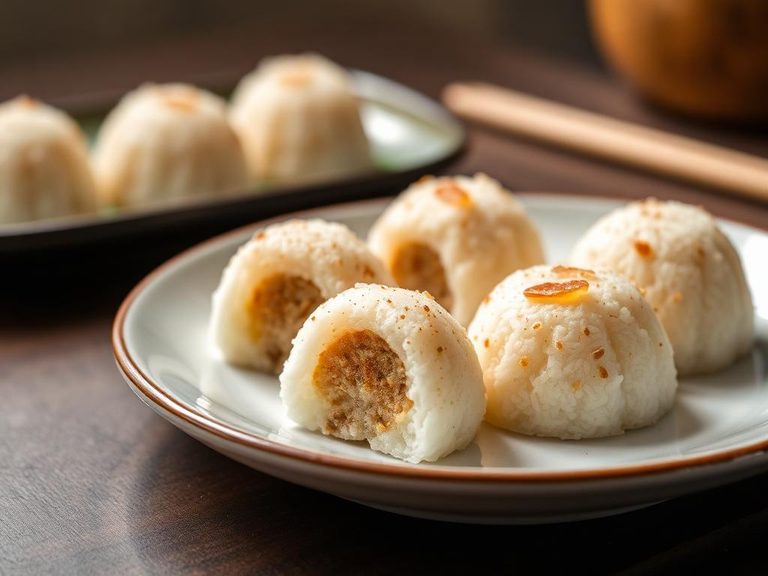
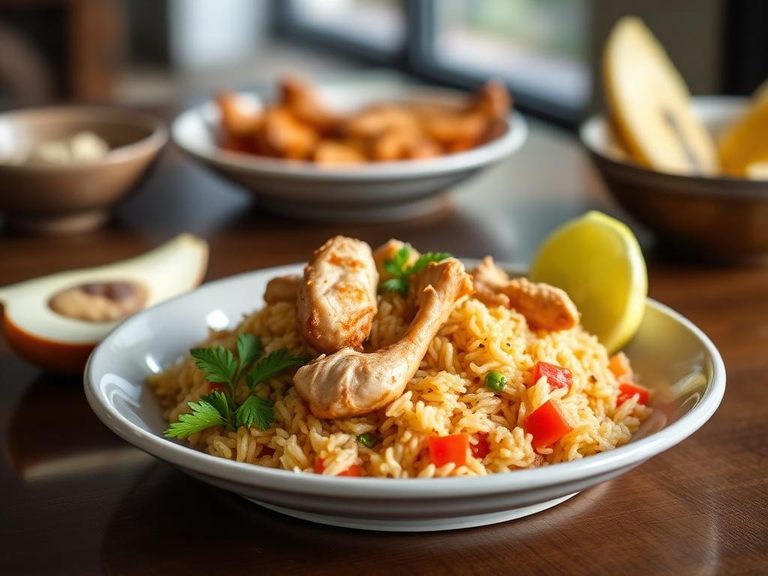
🍽️ Popular dishes
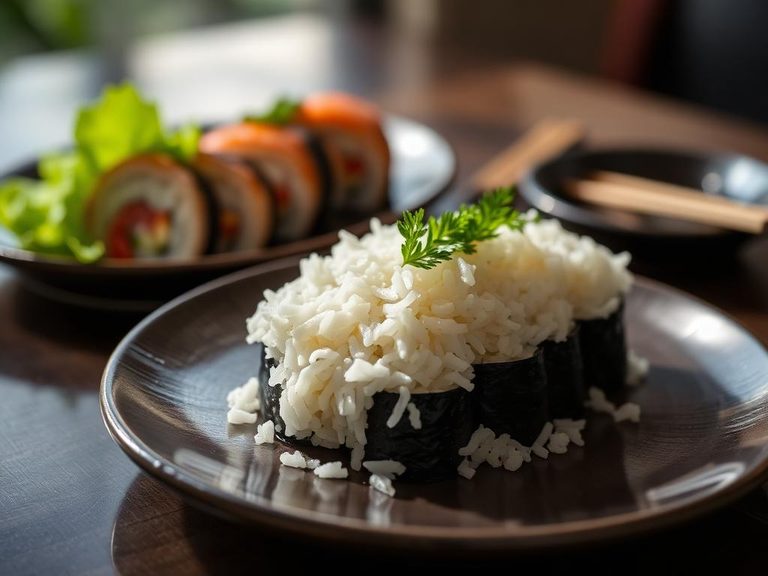
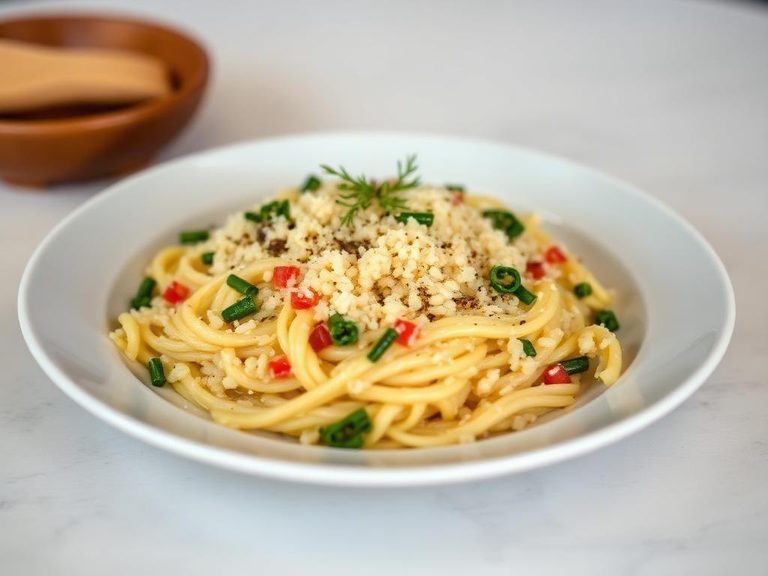
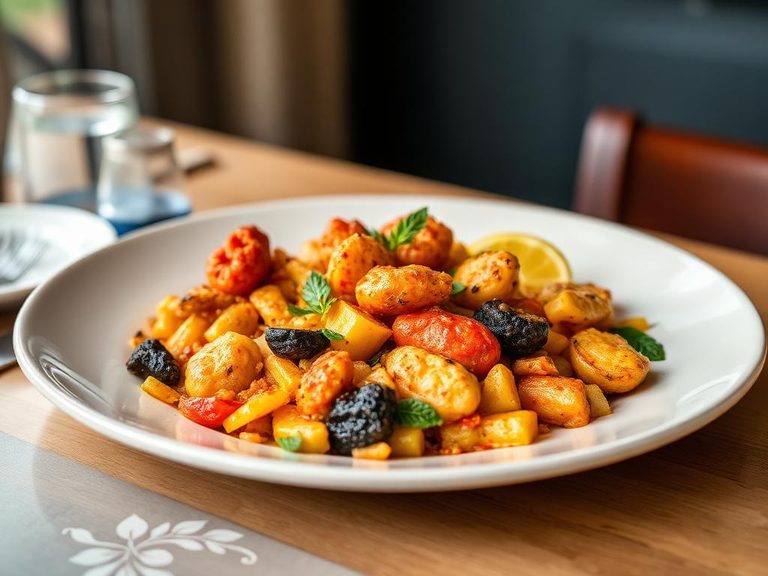
🌍 Where it's eaten
💡 Did you know?
The enrichment process adds back nutrients lost during milling, but the first rinse water can wash away up to 10% of these added vitamins.
Full nutrition (USDA data · scales with serving)
| Water | 12.9 g |
| Energy | 360 kcal |
| Energy | 1506 kj |
| Protein | 6.6 g |
| Total lipid (fat) | 0.58 g |
| Ash | 0.58 g |
| Carbohydrate, by difference | 79.3 g |
| Fiber, total dietary | 1.4 g |
| Calcium, Ca | 9.0 mg |
| Iron, Fe | 4.4 mg |
| Magnesium, Mg | 35.0 mg |
| Phosphorus, P | 108 mg |
| Potassium, K | 86.0 mg |
| Sodium, Na | 1.0 mg |
| Zinc, Zn | 1.2 mg |
| Copper, Cu | 0.11 mg |
| Manganese, Mn | 1.1 mg |
| Selenium, Se | 15.1 ug |
| Vitamin C, total ascorbic acid | 0.00 mg |
| Thiamin | 0.58 mg |
| Riboflavin | 0.05 mg |
| Niacin | 5.1 mg |
| Pantothenic acid | 1.3 mg |
| Vitamin B-6 | 0.14 mg |
| Folate, total | 231 ug |
| Folic acid | 222 ug |
| Folate, food | 9.0 ug |
| Folate, DFE | 386 ug |
| Vitamin B-12 | 0.00 ug |
| Vitamin A, RAE | 0.00 ug |
| Retinol | 0.00 ug |
| Vitamin A, IU | 0.00 iu |
| Vitamin E (alpha-tocopherol) | 0.11 mg |
| Vitamin D (D2 + D3), International Units | 0.00 iu |
| Vitamin D (D2 + D3) | 0.00 ug |
Fat & fatty acid profile (per 100g)
| Fatty acids, total saturated | 0.16 g |
| SFA 14:0 | 0.00 g |
| SFA 16:0 | 0.14 g |
| SFA 18:0 | 0.01 g |
| Fatty acids, total monounsaturated | 0.18 g |
| MUFA 16:1 | 0.00 g |
| MUFA 18:1 | 0.18 g |
| Fatty acids, total polyunsaturated | 0.15 g |
| PUFA 18:2 | 0.13 g |
| PUFA 18:3 | 0.03 g |
| Cholesterol | 0.00 mg |
Amino acid profile (per 100g)
| Tryptophan | 0.08 g |
| Threonine | 0.24 g |
| Isoleucine | 0.28 g |
| Leucine | 0.55 g |
| Lysine | 0.24 g |
| Methionine | 0.15 g |
| Cystine | 0.14 g |
| Phenylalanine | 0.35 g |
| Tyrosine | 0.22 g |
| Valine | 0.40 g |
| Arginine | 0.55 g |
| Histidine | 0.15 g |
| Alanine | 0.38 g |
| Aspartic acid | 0.62 g |
| Glutamic acid | 1.3 g |
| Glycine | 0.30 g |
| Proline | 0.31 g |
| Serine | 0.35 g |
FAQ
How is medium-grain rice different from long-grain?
Medium-grain rice is shorter and plumper, with a higher starch content that makes it stickier when cooked. Long-grain rice (like Basmati) is slender and cooks up fluffy and separate.
Why is it 'enriched'?
Enrichment means nutrients lost during processing (like milling off the bran and germ) are added back. Typically, this includes iron and B vitamins such as thiamin, niacin, and folic acid.
What's the best way to cook it for a neutral side dish?
Use a 1:1.25 ratio of rice to water (or broth). Bring to a boil, then simmer covered for about 15 minutes. Let it rest, covered, for 10 minutes before fluffing with a fork for a tender, slightly sticky result.
Nutrient density (calculated · NRF9.3)
Nutrient Rich Foods index: beneficial nutrients (protein, fiber, vitamins, minerals) minus saturated fat, added sugar & sodium, per 100 kcal.
NRF9.3 index — Fulgoni, Keast & Drewnowski, 2009. Computed from USDA nutrients.
Weight-loss friendliness (composite index)
Energy density 3.60 kcal/g · 7% calories from protein · 1.4 g fiber · 0.0 g sugar per 100 g.
Composite of energy density (Rolls et al., 1999), protein & fiber satiety, minus sugar. A calculated heuristic — ranks satiety-per-calorie, not a clinical measure.
Dietary load (calculated from USDA values)
Potential renal acid load. Positive = acid-forming, negative = alkaline-forming.
Sodium-to-potassium ratio: 0.01 (lower is better — aim for ≤ 1)
Sodium:potassium per WHO potassium guidance. Computed from USDA nutrients.