

Pigeon peas (red gram), mature seeds, cooked, boiled, with salt
Whole food · Legumes and Legume Products

Photo: Wikipedia
Pigeon peas, also known as red gram or toor dal, are small, creamy legumes that turn a soft golden-yellow when boiled. They offer a mildly earthy, nutty flavor and a tender, slightly starchy texture that holds up well in soups and stews. Nutritionally, they are a standout for providing substantial plant-based protein and fiber with minimal fat.
Calorie split: 22% protein · 75% carbs · 3% fat
↓ Full nutrition💚 Why it's loved
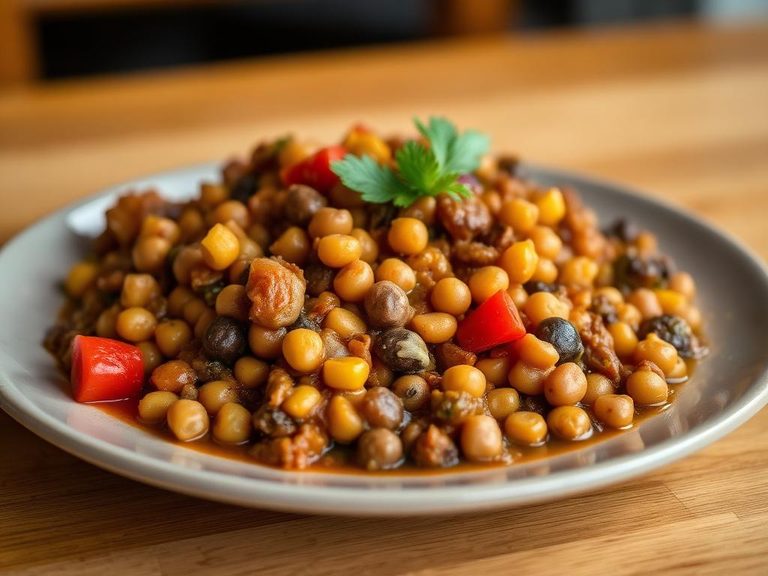
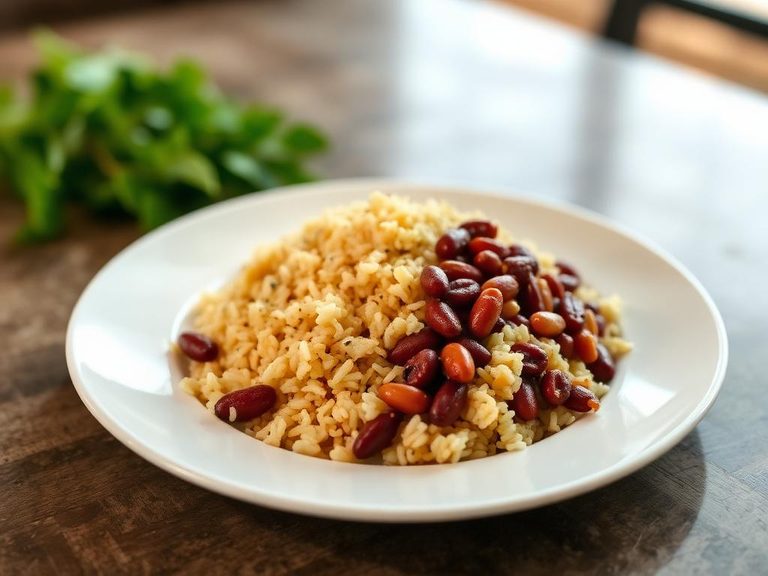
People love pigeon peas for their comforting, hearty texture and ability to absorb the flavors of spices and broths. They are a beloved staple in many cuisines, forming the creamy base of iconic dishes like Indian sambar and Caribbean rice and peas.
⚠️ Watch-outs & how to enjoy it better
Boiled pigeon peas with added salt can contribute to high sodium intake, which is a concern for blood pressure management. To counteract this, look for low-sodium canned versions or cook them from dried with minimal salt, boosting flavor with herbs, garlic, or citrus instead. As a legume, they contain oligosaccharides that can cause gas; rinsing canned peas and gradually increasing your intake can help.
Key benefits
- Excellent source of plant-based protein (6.76g per 100g).
- High in dietary fiber (6.7g per 100g) for digestive health.
- Very low in fat (0.38g per 100g).
- Naturally sugar-free, making it a low-glycemic carbohydrate source.
- Provides key minerals like folate, magnesium, and potassium.
🍽️ Popular dishes
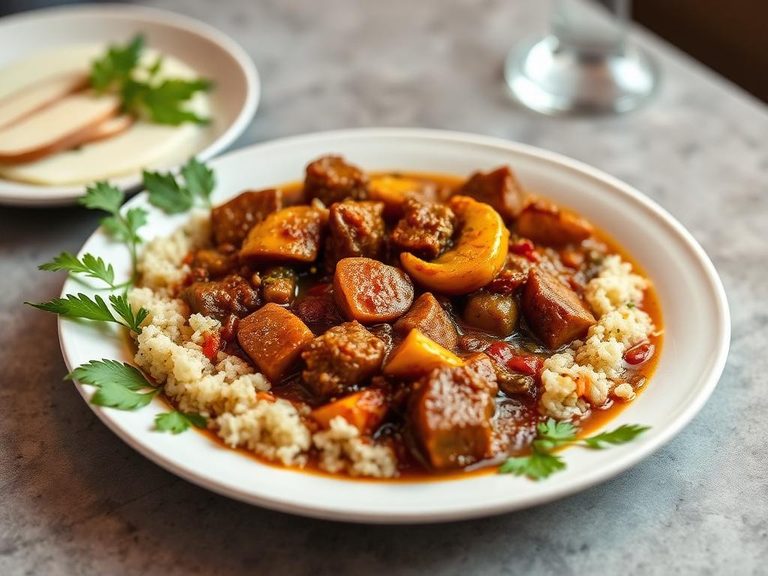
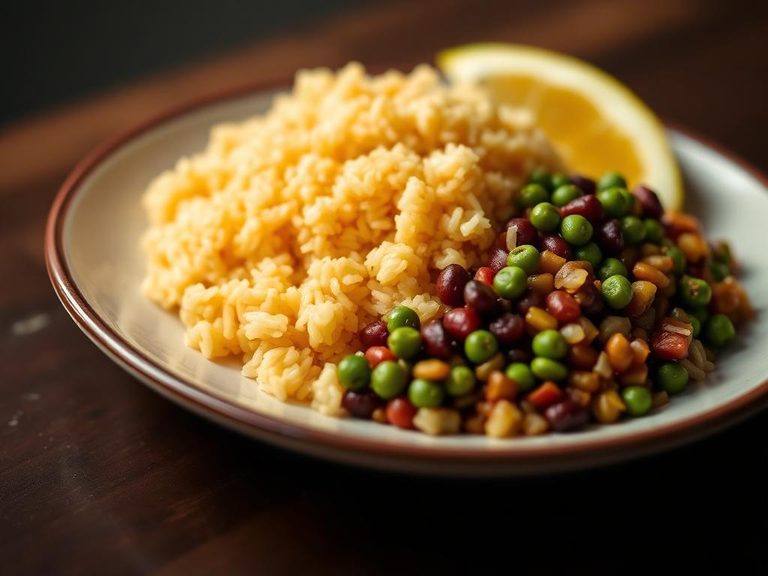
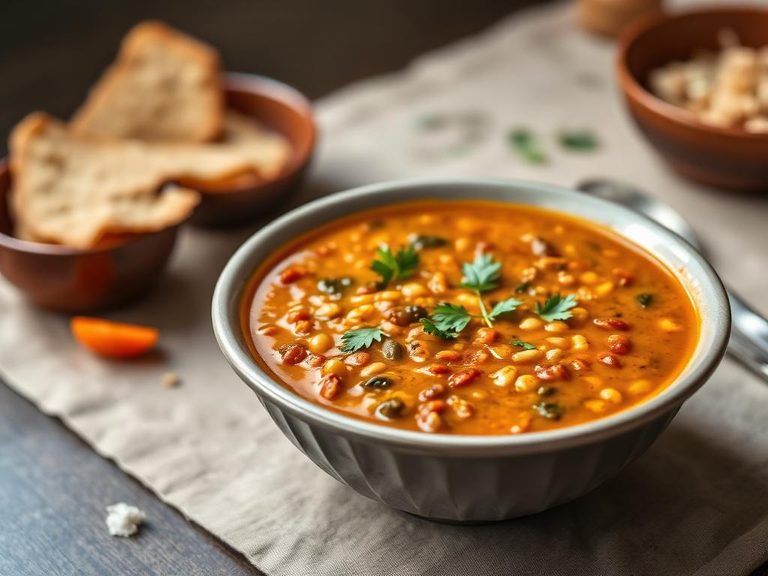
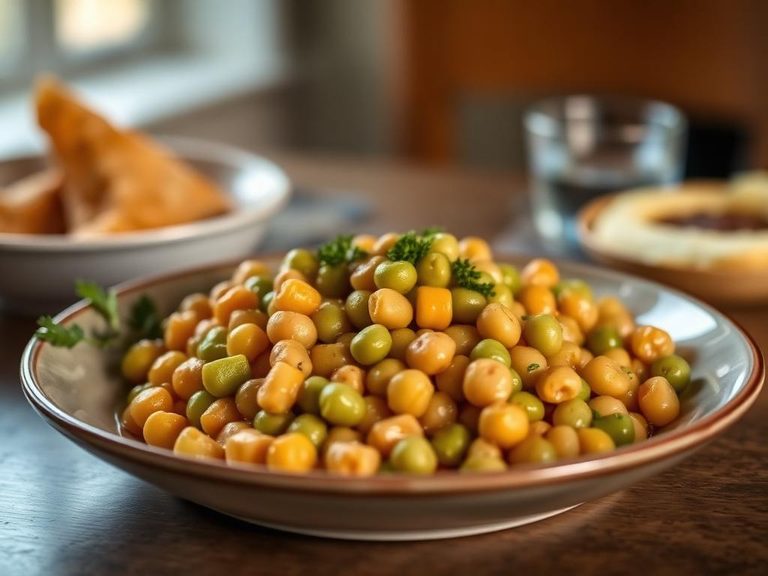
🌍 Where it's eaten
💡 Did you know?
The pigeon pea plant is a perennial shrub that can live for several years, unlike most common beans which are annuals, making it a sustainable, long-term crop in tropical agriculture.
Full nutrition (USDA data · scales with serving)
| Water | 68.5 g |
| Energy | 121 kcal |
| Energy | 506 kj |
| Protein | 6.8 g |
| Total lipid (fat) | 0.38 g |
| Ash | 1.1 g |
| Carbohydrate, by difference | 23.3 g |
| Fiber, total dietary | 6.7 g |
| Calcium, Ca | 43.0 mg |
| Iron, Fe | 1.1 mg |
| Magnesium, Mg | 46.0 mg |
| Phosphorus, P | 119 mg |
| Potassium, K | 384 mg |
| Sodium, Na | 241 mg |
| Zinc, Zn | 0.90 mg |
| Copper, Cu | 0.27 mg |
| Manganese, Mn | 0.50 mg |
| Selenium, Se | 2.9 ug |
| Vitamin C, total ascorbic acid | 0.00 mg |
| Thiamin | 0.15 mg |
| Riboflavin | 0.06 mg |
| Niacin | 0.78 mg |
| Pantothenic acid | 0.32 mg |
| Vitamin B-6 | 0.05 mg |
| Folate, total | 111 ug |
| Folic acid | 0.00 ug |
| Folate, food | 111 ug |
| Folate, DFE | 111 ug |
| Vitamin B-12 | 0.00 ug |
| Vitamin A, RAE | 0.00 ug |
| Retinol | 0.00 ug |
| Vitamin A, IU | 3.0 iu |
| Vitamin D (D2 + D3), International Units | 0.00 iu |
| Vitamin D (D2 + D3) | 0.00 ug |
Fat & fatty acid profile (per 100g)
| Fatty acids, total saturated | 0.08 g |
| SFA 16:0 | 0.08 g |
| SFA 18:0 | 0.01 g |
| Fatty acids, total monounsaturated | 0.00 g |
| MUFA 18:1 | 0.00 g |
| Fatty acids, total polyunsaturated | 0.20 g |
| PUFA 18:2 | 0.20 g |
| PUFA 18:3 | 0.01 g |
| Fatty acids, total trans | 0.00 g |
| Cholesterol | 0.00 mg |
Amino acid profile (per 100g)
| Tryptophan | 0.07 g |
| Threonine | 0.24 g |
| Isoleucine | 0.24 g |
| Leucine | 0.48 g |
| Lysine | 0.47 g |
| Methionine | 0.08 g |
| Cystine | 0.08 g |
| Phenylalanine | 0.58 g |
| Tyrosine | 0.17 g |
| Valine | 0.29 g |
| Arginine | 0.41 g |
| Histidine | 0.24 g |
| Alanine | 0.30 g |
| Aspartic acid | 0.67 g |
| Glutamic acid | 1.6 g |
| Glycine | 0.25 g |
| Proline | 0.30 g |
| Serine | 0.32 g |
FAQ
Are pigeon peas the same as green peas or lentils?
No. Pigeon peas (Cajanus cajan) are a distinct legume from the pea family. They are larger and starchier than green peas and have a different texture and flavor profile than common lentils like red or brown lentils.
How do I reduce cooking time for dried pigeon peas?
Soaking dried pigeon peas in water for 8-12 hours or overnight significantly reduces boiling time. You can also use a pressure cooker, which can cook them in about 15-20 minutes without soaking.
Is the sodium content in canned pigeon peas a big issue?
It can be. A single cup of canned pigeon peas with added salt can contain over 400mg of sodium. Rinsing them thoroughly under water can remove up to 40% of the added sodium. Choosing 'no salt added' versions or cooking from scratch is the best way to control sodium.
Nutrient density (calculated · NRF9.3)
Nutrient Rich Foods index: beneficial nutrients (protein, fiber, vitamins, minerals) minus saturated fat, added sugar & sodium, per 100 kcal.
NRF9.3 index — Fulgoni, Keast & Drewnowski, 2009. Computed from USDA nutrients.
Weight-loss friendliness (composite index)
Energy density 1.21 kcal/g · 22% calories from protein · 6.7 g fiber · 0.0 g sugar per 100 g.
Composite of energy density (Rolls et al., 1999), protein & fiber satiety, minus sugar. A calculated heuristic — ranks satiety-per-calorie, not a clinical measure.
Dietary load (calculated from USDA values)
Potential renal acid load. Positive = acid-forming, negative = alkaline-forming.
Sodium-to-potassium ratio: 0.63 (lower is better — aim for ≤ 1)
Sodium:potassium per WHO potassium guidance. Computed from USDA nutrients.