

Nuts, ginkgo nuts, raw
Whole food · Nut and Seed Products

Photo: Wikipedia
Ginkgo nuts, the edible seeds of the ancient Ginkgo biloba tree, are a culinary delicacy prized for their unique, slightly chewy texture and a subtle, sweet, nutty flavor with a faintly resinous note. Nutritionally, they are a notable source of carbohydrates and provide a modest amount of protein, while being very low in fat. Their most distinctive feature is their role as a starchy, savory ingredient in East Asian cuisine rather than a typical snack nut.
Calorie split: 9% protein · 82% carbs · 8% fat
↓ Full nutrition💚 Why it's loved
People cherish ginkgo nuts for their delicate, slightly sweet taste and satisfyingly firm-yet-tender bite, which adds a sophisticated texture to both savory and sweet dishes. They are deeply embedded in culinary traditions, especially in Chinese, Japanese, and Korean cooking, often symbolizing longevity and used in festive meals.
⚠️ Watch-outs & how to enjoy it better
Raw ginkgo nuts contain ginkgotoxin (a compound related to vitamin B6), which can cause adverse reactions in sensitive individuals, so they are almost always cooked before consumption. Their mild, starchy flavor can be polarizing for those expecting a strong, fatty nut taste. To enjoy them safely, always use commercially prepared (roasted or boiled) nuts, or boil raw ones thoroughly before adding to dishes, and consume in moderation.
Key benefits
- Provides a good source of plant-based protein for its size.
- Low in fat, making it a lighter nut option.
- Contains antioxidants like ginkgolides and flavonoids.
- A traditional ingredient in various Asian medicinal and culinary practices.
- Offers a unique, savory flavor profile distinct from common nuts.
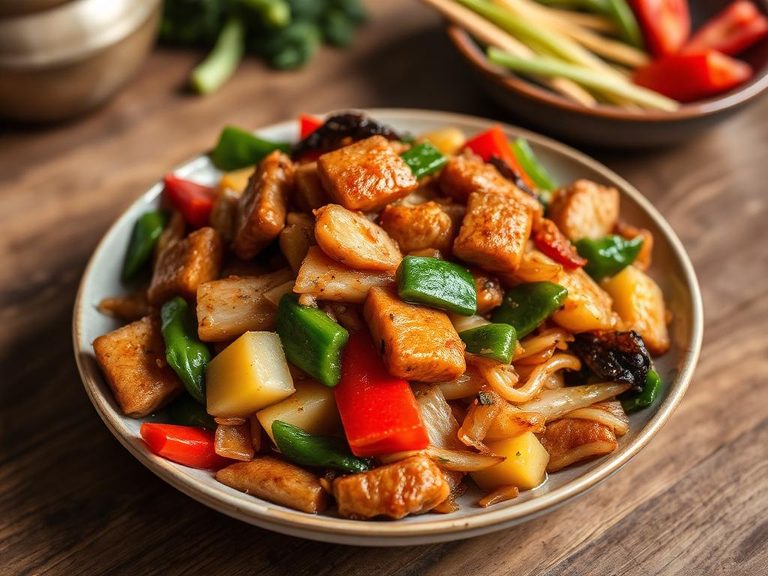
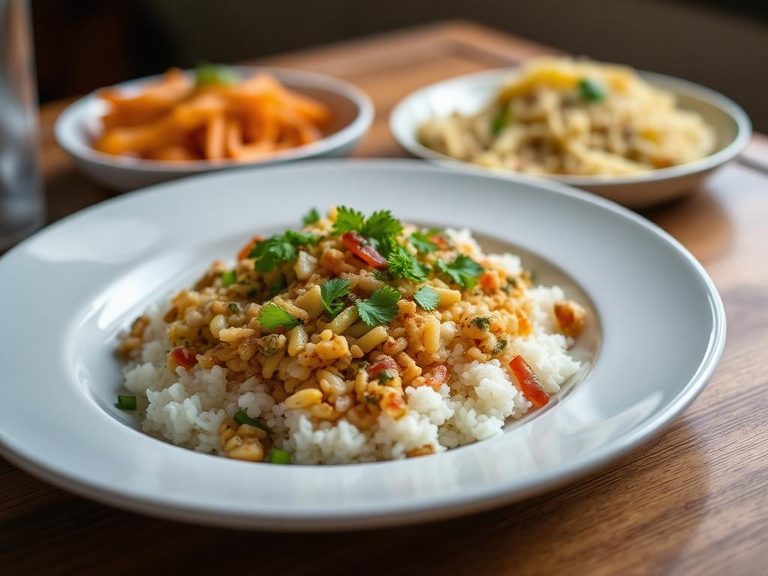
🍽️ Popular dishes
🌍 Where it's eaten
💡 Did you know?
The Ginkgo biloba tree is often called a 'living fossil,' having existed for over 200 million years, and some specimens in China are believed to be over 1,000 years old.
Full nutrition (USDA data · scales with serving)
| Water | 55.2 g |
| Energy | 182 kcal |
| Energy | 761 kj |
| Protein | 4.3 g |
| Total lipid (fat) | 1.7 g |
| Ash | 1.2 g |
| Carbohydrate, by difference | 37.6 g |
| Calcium, Ca | 2.0 mg |
| Iron, Fe | 1.0 mg |
| Magnesium, Mg | 27.0 mg |
| Phosphorus, P | 124 mg |
| Potassium, K | 510 mg |
| Sodium, Na | 7.0 mg |
| Zinc, Zn | 0.34 mg |
| Copper, Cu | 0.27 mg |
| Manganese, Mn | 0.11 mg |
| Vitamin C, total ascorbic acid | 15.0 mg |
| Thiamin | 0.22 mg |
| Riboflavin | 0.09 mg |
| Niacin | 6.0 mg |
| Pantothenic acid | 0.16 mg |
| Vitamin B-6 | 0.33 mg |
| Folate, total | 54.0 ug |
| Folic acid | 0.00 ug |
| Folate, food | 54.0 ug |
| Folate, DFE | 54.0 ug |
| Vitamin B-12 | 0.00 ug |
| Vitamin A, RAE | 28.0 ug |
| Retinol | 0.00 ug |
| Vitamin A, IU | 558 iu |
| Vitamin D (D2 + D3), International Units | 0.00 iu |
| Vitamin D (D2 + D3) | 0.00 ug |
Fat & fatty acid profile (per 100g)
| Fatty acids, total saturated | 0.32 g |
| SFA 14:0 | 0.01 g |
| SFA 16:0 | 0.29 g |
| SFA 18:0 | 0.02 g |
| Fatty acids, total monounsaturated | 0.62 g |
| MUFA 16:1 | 0.08 g |
| MUFA 18:1 | 0.51 g |
| MUFA 20:1 | 0.01 g |
| Fatty acids, total polyunsaturated | 0.62 g |
| PUFA 18:2 | 0.58 g |
| PUFA 18:3 | 0.02 g |
| Cholesterol | 0.00 mg |
Amino acid profile (per 100g)
| Tryptophan | 0.07 g |
| Threonine | 0.27 g |
| Isoleucine | 0.21 g |
| Leucine | 0.32 g |
| Lysine | 0.21 g |
| Methionine | 0.06 g |
| Cystine | 0.02 g |
| Phenylalanine | 0.17 g |
| Tyrosine | 0.06 g |
| Valine | 0.28 g |
| Arginine | 0.42 g |
| Histidine | 0.10 g |
| Alanine | 0.25 g |
| Aspartic acid | 0.54 g |
| Glutamic acid | 0.84 g |
| Glycine | 0.23 g |
| Proline | 0.35 g |
| Serine | 0.29 g |
FAQ
Are raw ginkgo nuts safe to eat?
Raw ginkgo nuts contain ginkgotoxin, which can be harmful. They should always be cooked (boiled, roasted, or steamed) before consumption to reduce this compound. Commercially sold ginkgo nuts are typically pre-cooked.
What do ginkgo nuts taste like?
They have a mild, slightly sweet and nutty flavor, often described as having a subtle resinous or herbal note. The texture is firm and chewy, somewhat like a cross between a bean and a chestnut.
How are ginkgo nuts typically prepared in cooking?
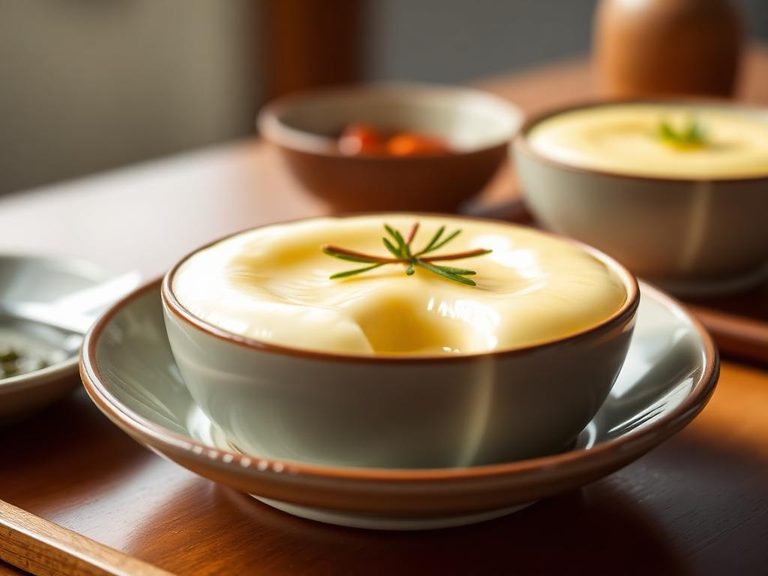
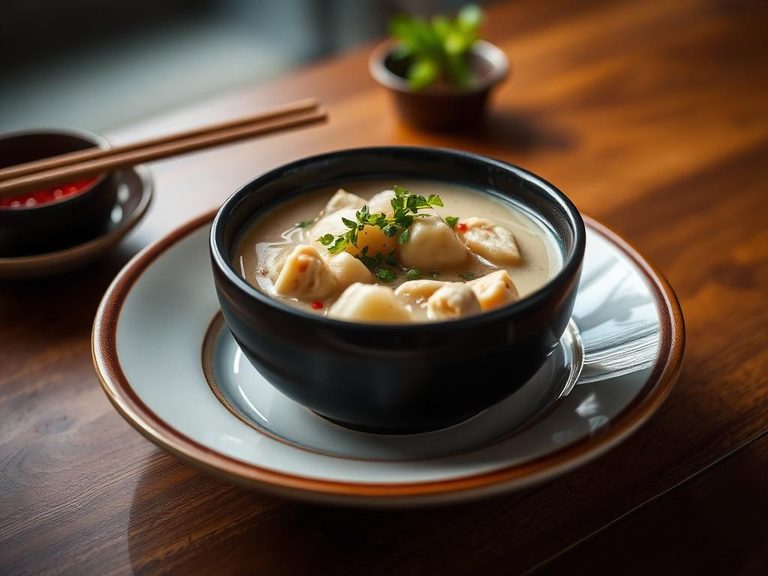
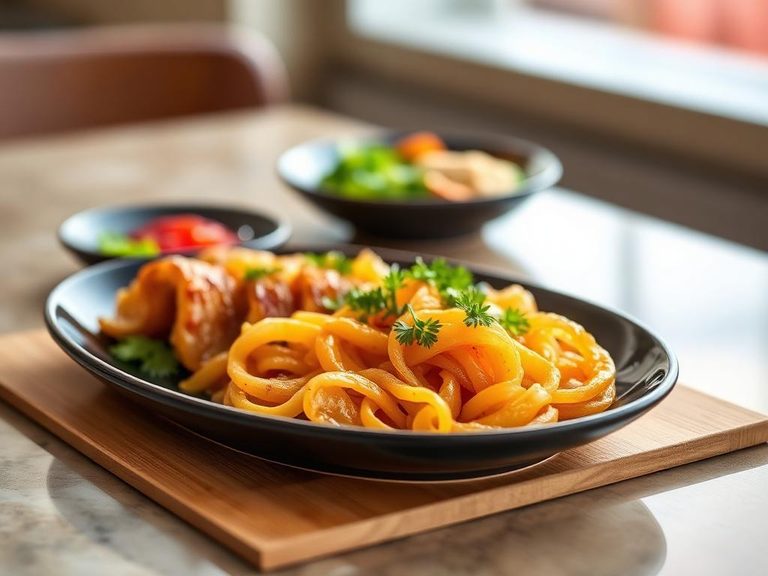
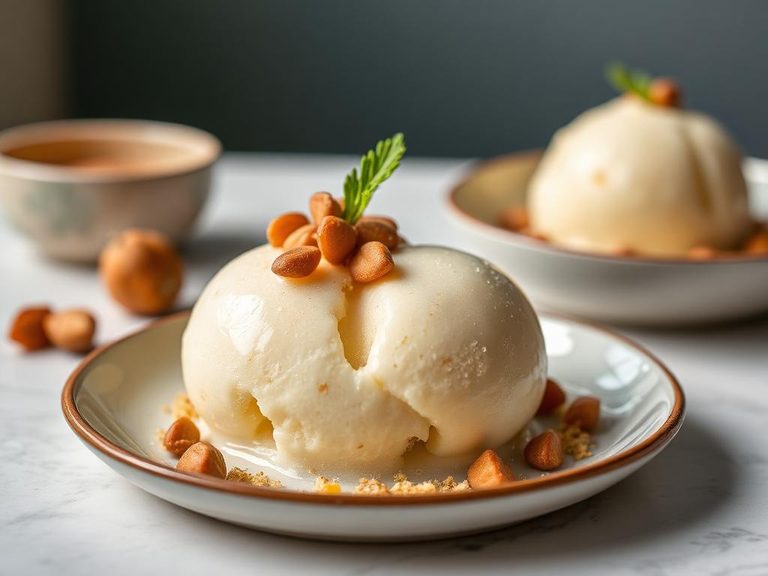
They are commonly added to savory dishes like egg custards, congees, stir-fries, and braises. They can also be used in sweet desserts like puddings or ice cream. The hard outer shell is removed, and the inner green kernel is used.
Nutrient density (calculated · NRF9.3)
Nutrient Rich Foods index: beneficial nutrients (protein, fiber, vitamins, minerals) minus saturated fat, added sugar & sodium, per 100 kcal.
NRF9.3 index — Fulgoni, Keast & Drewnowski, 2009. Computed from USDA nutrients.
Weight-loss friendliness (composite index)
Energy density 1.82 kcal/g · 9% calories from protein · 0.0 g fiber · 0.0 g sugar per 100 g.
Composite of energy density (Rolls et al., 1999), protein & fiber satiety, minus sugar. A calculated heuristic — ranks satiety-per-calorie, not a clinical measure.
Dietary load (calculated from USDA values)
Potential renal acid load. Positive = acid-forming, negative = alkaline-forming.
Sodium-to-potassium ratio: 0.01 (lower is better — aim for ≤ 1)
Sodium:potassium per WHO potassium guidance. Computed from USDA nutrients.