

Lima beans, thin seeded (baby), mature seeds, cooked, boiled, with salt
Whole food · Legumes and Legume Products

Photo: Wikipedia
These are the tender, young seeds of the lima bean plant, boiled to a creamy, buttery texture with a mild, slightly sweet, and earthy flavor. Nutritionally, they are a powerhouse of plant-based protein and complex carbohydrates, while being virtually fat-free. Their standout feature is an impressive fiber content, which aids digestion and promotes a feeling of fullness.
Calorie split: 25% protein · 72% carbs · 3% fat
↓ Full nutrition💚 Why it's loved
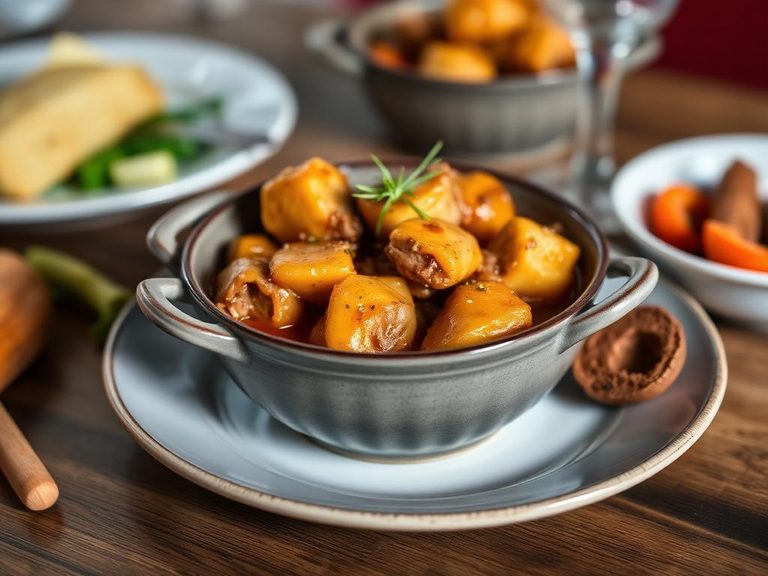
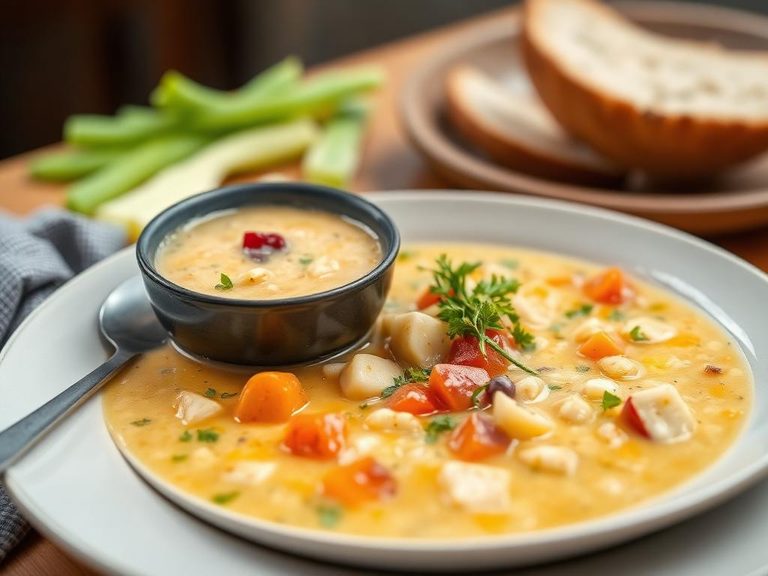
People love their velvety, almost buttery mouthfeel and ability to absorb savory flavors from broths and seasonings. They are a beloved, comforting staple in home cooking, especially in hearty stews and holiday side dishes.
⚠️ Watch-outs & how to enjoy it better
The added salt in the canned or boiled version can contribute to high sodium intake, which is a concern for blood pressure. To counteract this, rinse them thoroughly before use or opt for low-sodium varieties. Some individuals may experience digestive gas due to their high fiber and oligosaccharide content; soaking dried beans before cooking and starting with smaller portions can help.
Key benefits
- Excellent source of plant-based protein for muscle maintenance.
- High in dietary fiber, supporting digestive health and satiety.
- Rich in complex carbohydrates for sustained energy release.
- Naturally low in fat and contains no sugar.
- Provides essential minerals like iron and manganese.
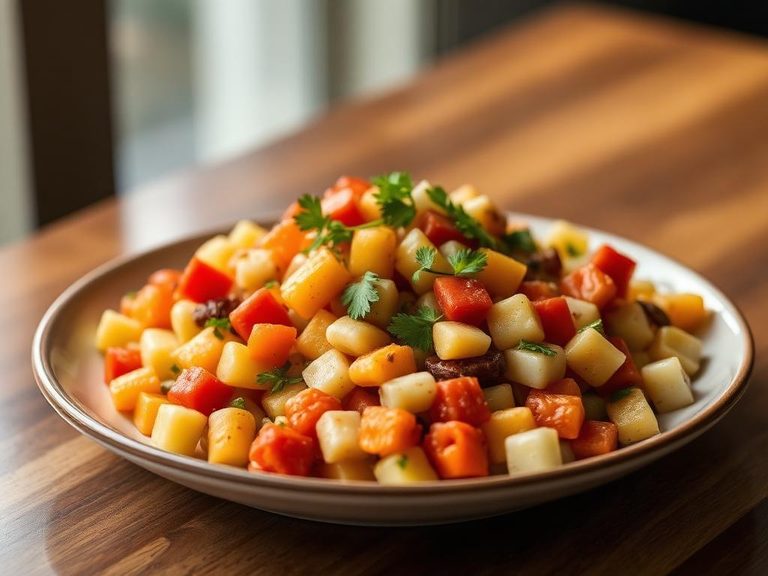
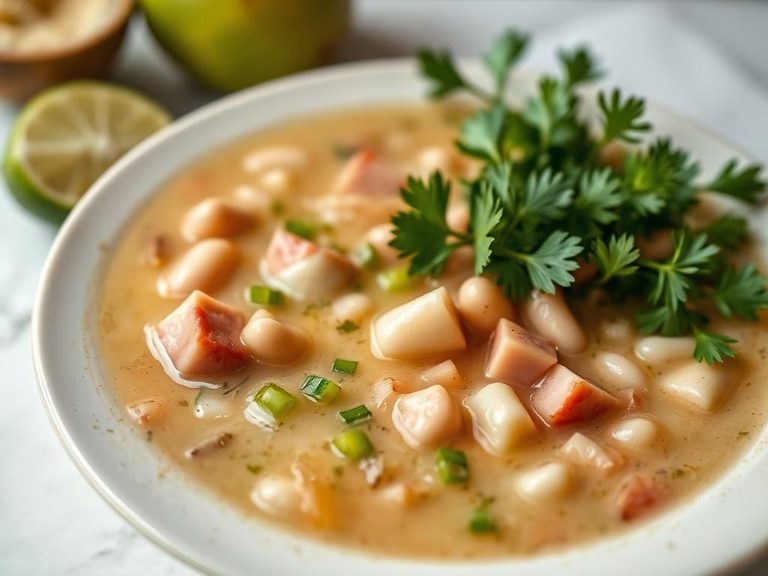
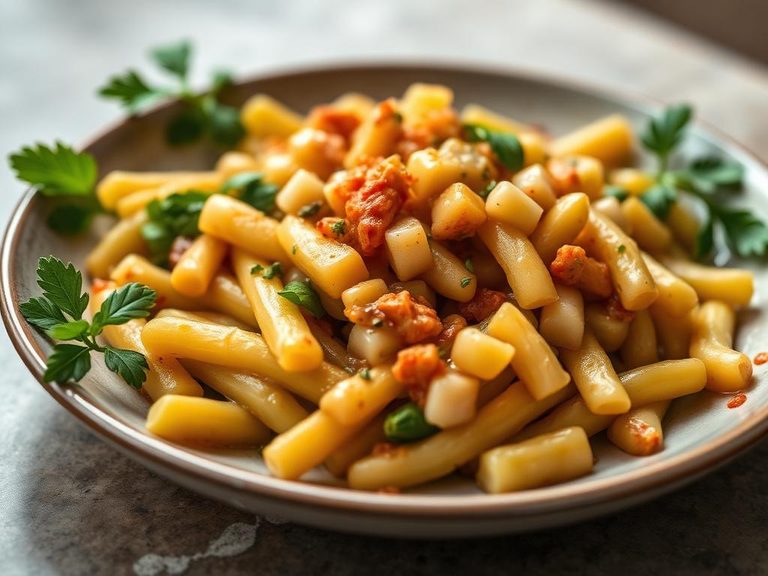
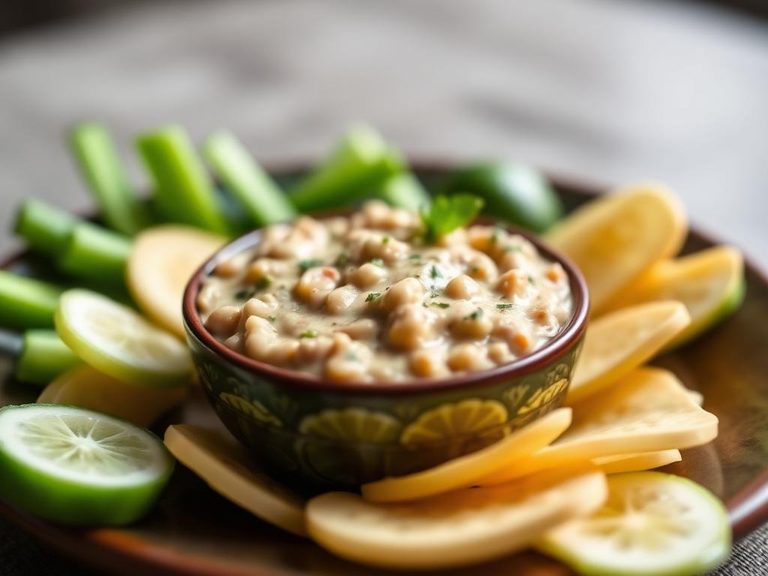
🍽️ Popular dishes
🌍 Where it's eaten
💡 Did you know?
Despite their name, lima beans did not originate in Lima, Peru, but were first cultivated in the Andes mountains and were later disseminated globally through trade routes that stopped in the Peruvian capital.
Full nutrition (USDA data · scales with serving)
| Water | 67.2 g |
| Energy | 126 kcal |
| Energy | 527 kj |
| Protein | 8.0 g |
| Total lipid (fat) | 0.38 g |
| Ash | 1.1 g |
| Carbohydrate, by difference | 23.3 g |
| Fiber, total dietary | 7.7 g |
| Calcium, Ca | 29.0 mg |
| Iron, Fe | 2.4 mg |
| Magnesium, Mg | 53.0 mg |
| Phosphorus, P | 127 mg |
| Potassium, K | 401 mg |
| Sodium, Na | 239 mg |
| Zinc, Zn | 1.0 mg |
| Copper, Cu | 0.21 mg |
| Manganese, Mn | 0.58 mg |
| Selenium, Se | 4.9 ug |
| Vitamin C, total ascorbic acid | 0.00 mg |
| Thiamin | 0.16 mg |
| Riboflavin | 0.06 mg |
| Niacin | 0.66 mg |
| Pantothenic acid | 0.47 mg |
| Vitamin B-6 | 0.08 mg |
| Folate, total | 150 ug |
| Folic acid | 0.00 ug |
| Folate, food | 150 ug |
| Folate, DFE | 150 ug |
| Vitamin B-12 | 0.00 ug |
| Vitamin A, RAE | 0.00 ug |
| Retinol | 0.00 ug |
| Vitamin A, IU | 0.00 iu |
| Vitamin D (D2 + D3), International Units | 0.00 iu |
| Vitamin D (D2 + D3) | 0.00 ug |
Fat & fatty acid profile (per 100g)
| Fatty acids, total saturated | 0.09 g |
| SFA 12:0 | 0.00 g |
| SFA 14:0 | 0.00 g |
| SFA 16:0 | 0.07 g |
| SFA 18:0 | 0.02 g |
| Fatty acids, total monounsaturated | 0.03 g |
| MUFA 16:1 | 0.00 g |
| MUFA 18:1 | 0.03 g |
| MUFA 20:1 | 0.00 g |
| MUFA 22:1 | 0.00 g |
| Fatty acids, total polyunsaturated | 0.17 g |
| PUFA 18:2 | 0.12 g |
| PUFA 18:3 | 0.05 g |
| Fatty acids, total trans | 0.00 g |
| Cholesterol | 0.00 mg |
Amino acid profile (per 100g)
| Tryptophan | 0.10 g |
| Threonine | 0.35 g |
| Isoleucine | 0.42 g |
| Leucine | 0.69 g |
| Lysine | 0.54 g |
| Methionine | 0.10 g |
| Cystine | 0.09 g |
| Phenylalanine | 0.46 g |
| Tyrosine | 0.28 g |
| Valine | 0.48 g |
| Arginine | 0.49 g |
| Histidine | 0.25 g |
| Alanine | 0.41 g |
| Aspartic acid | 1.0 g |
| Glutamic acid | 1.1 g |
| Glycine | 0.34 g |
| Proline | 0.37 g |
| Serine | 0.54 g |
FAQ
Are lima beans the same as butter beans?
Yes, they are the same bean. 'Lima bean' is the common name in the United States, while 'butter bean' is the preferred term in the United Kingdom and other parts of the world, often referring to the larger, mature white variety.
Why are they sometimes called 'poor man's meat'?
This historical nickname comes from their high protein and nutrient density, which made them an affordable and vital meat substitute for many communities throughout history.
Can I eat them raw?
No. Raw lima beans contain naturally occurring compounds called linamarin, which can release cyanide. Cooking thoroughly, such as boiling, completely neutralizes these compounds, making them safe and delicious to eat.
Nutrient density (calculated · NRF9.3)
Nutrient Rich Foods index: beneficial nutrients (protein, fiber, vitamins, minerals) minus saturated fat, added sugar & sodium, per 100 kcal.
NRF9.3 index — Fulgoni, Keast & Drewnowski, 2009. Computed from USDA nutrients.
Weight-loss friendliness (composite index)
Energy density 1.26 kcal/g · 26% calories from protein · 7.7 g fiber · 0.0 g sugar per 100 g.
Composite of energy density (Rolls et al., 1999), protein & fiber satiety, minus sugar. A calculated heuristic — ranks satiety-per-calorie, not a clinical measure.
Dietary load (calculated from USDA values)
Potential renal acid load. Positive = acid-forming, negative = alkaline-forming.
Sodium-to-potassium ratio: 0.60 (lower is better — aim for ≤ 1)
Sodium:potassium per WHO potassium guidance. Computed from USDA nutrients.