

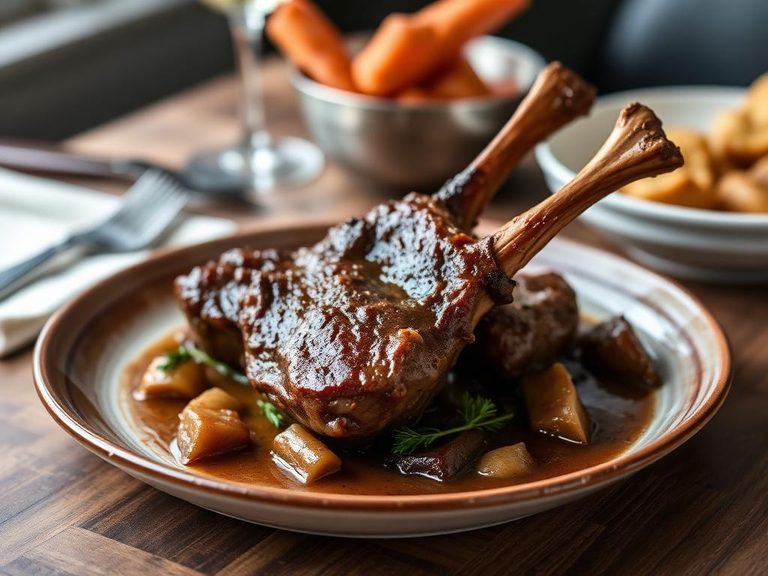
Lamb, shoulder, arm, separable lean and fat, trimmed to 1/8" fat, choice, cooked, braised
Whole food · Lamb, Veal, and Game Products
This is a rich, deeply savory cut of lamb, slow-braised until the connective tissue melts into succulent, fork-tender meat. The cooking method renders the fat, creating a moist, unctuous texture with a robust, slightly gamey flavor that is less intense than other lamb cuts. Nutritionally, it is a powerhouse of high-quality protein and provides a significant source of iron and B vitamins.
Calorie split: 38% protein · 0% carbs · 62% fat
↓ Full nutrition💚 Why it's loved
People cherish this cut for its deep, comforting flavor and melt-in-the-mouth texture that develops from slow cooking. It's incredibly versatile, forming the hearty base of stews, curries, and roasts across many global cuisines.
⚠️ Watch-outs & how to enjoy it better
The high fat content can be a concern for those managing calorie or saturated fat intake, and the braising process often involves added sodium in broths or seasonings. To mitigate this, trim visible fat before cooking, use low-sodium stock, and pair the dish with fiber-rich vegetables like roasted carrots or a fresh salad to balance the meal.
Key benefits
- Excellent source of complete protein for muscle maintenance.
- Rich in heme iron, which is highly bioavailable.
- Provides essential B vitamins, particularly B12 for nerve function.
- Contains zinc, supporting immune health.
- The braising process makes nutrients more digestible.
🍽️ Popular dishes
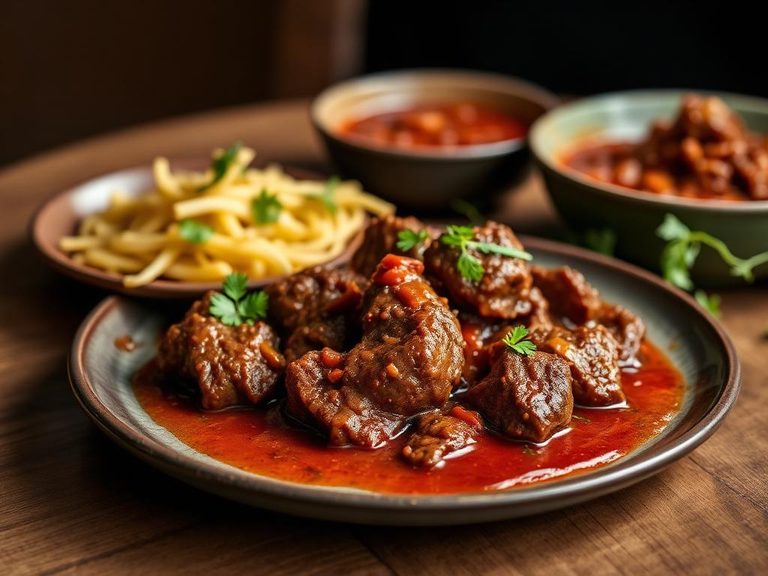
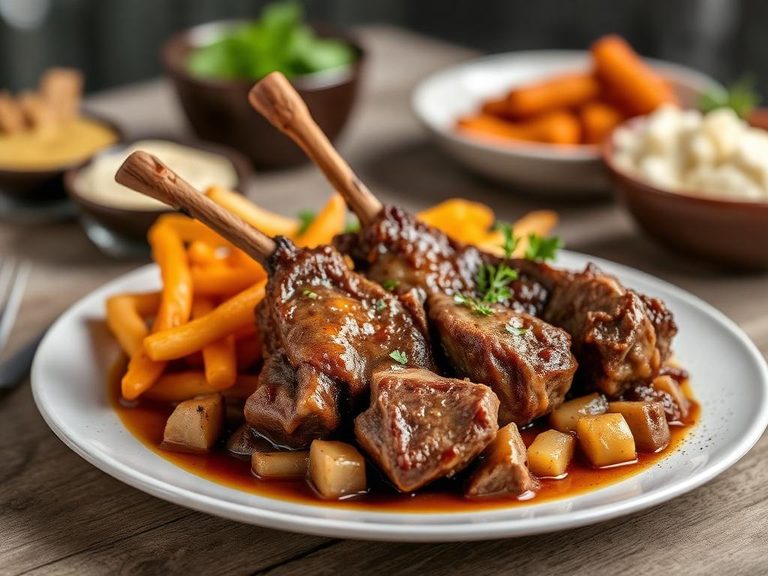
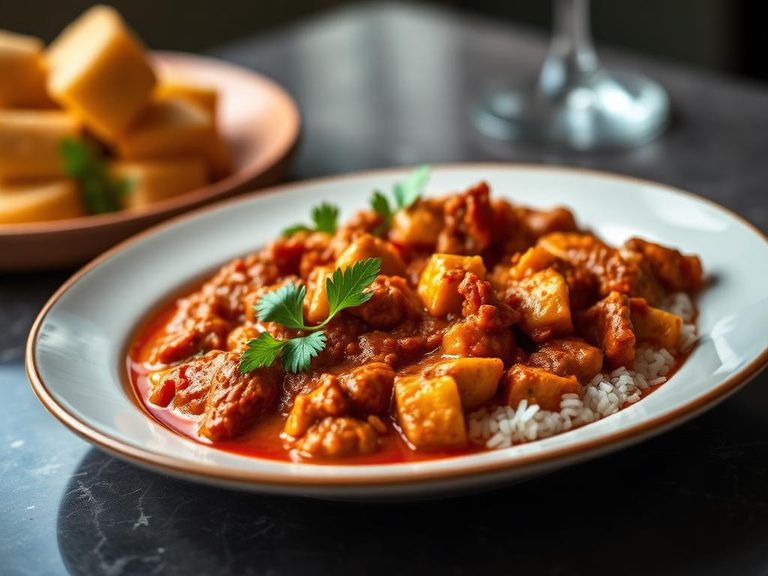
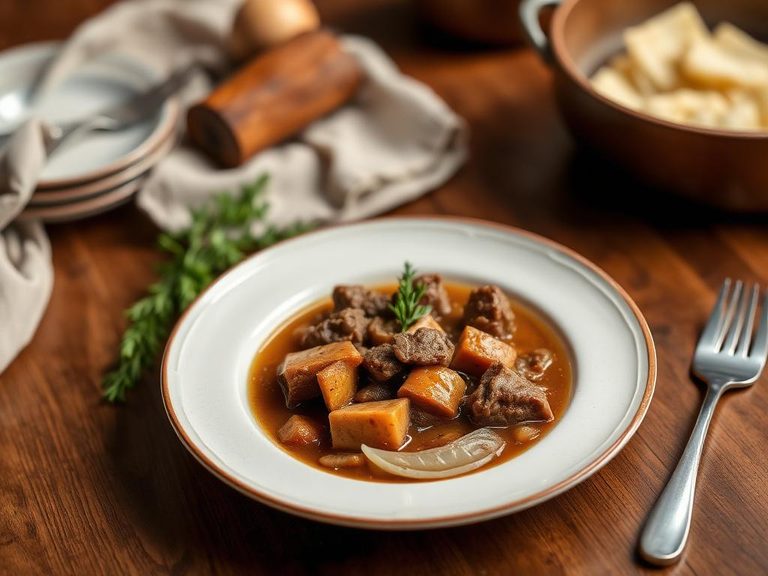
🌍 Where it's eaten
💡 Did you know?
The term 'braised' comes from the French 'braiser,' which originally referred to cooking over live embers (braise), a technique that perfectly breaks down the tough collagen in this shoulder cut into gelatin.
Full nutrition (USDA data · scales with serving)
| Water | 44.9 g |
| Energy | 337 kcal |
| Energy | 1410 kj |
| Protein | 31.1 g |
| Total lipid (fat) | 22.6 g |
| Ash | 1.1 g |
| Carbohydrate, by difference | 0.00 g |
| Fiber, total dietary | 0.00 g |
| Calcium, Ca | 25.0 mg |
| Iron, Fe | 2.4 mg |
| Magnesium, Mg | 26.0 mg |
| Phosphorus, P | 210 mg |
| Potassium, K | 311 mg |
| Sodium, Na | 72.0 mg |
| Zinc, Zn | 6.2 mg |
| Copper, Cu | 0.14 mg |
| Manganese, Mn | 0.02 mg |
| Selenium, Se | 37.9 ug |
| Vitamin C, total ascorbic acid | 0.00 mg |
| Thiamin | 0.07 mg |
| Riboflavin | 0.25 mg |
| Niacin | 6.6 mg |
| Pantothenic acid | 0.61 mg |
| Vitamin B-6 | 0.11 mg |
| Folate, total | 19.0 ug |
| Folic acid | 0.00 ug |
| Folate, food | 19.0 ug |
| Folate, DFE | 19.0 ug |
| Vitamin B-12 | 2.6 ug |
| Vitamin A, RAE | 0.00 ug |
| Retinol | 0.00 ug |
| Vitamin A, IU | 0.00 iu |
Fat & fatty acid profile (per 100g)
| Fatty acids, total saturated | 9.2 g |
| SFA 10:0 | 0.06 g |
| SFA 12:0 | 0.09 g |
| SFA 14:0 | 0.85 g |
| SFA 16:0 | 4.7 g |
| SFA 18:0 | 3.0 g |
| Fatty acids, total monounsaturated | 9.6 g |
| MUFA 16:1 | 0.66 g |
| MUFA 18:1 | 8.8 g |
| MUFA 20:1 | 0.00 g |
| Fatty acids, total polyunsaturated | 1.6 g |
| PUFA 18:2 | 1.2 g |
| PUFA 18:3 | 0.28 g |
| PUFA 20:4 | 0.09 g |
| Cholesterol | 120 mg |
Amino acid profile (per 100g)
| Tryptophan | 0.36 g |
| Threonine | 1.3 g |
| Isoleucine | 1.5 g |
| Leucine | 2.4 g |
| Lysine | 2.7 g |
| Methionine | 0.80 g |
| Cystine | 0.37 g |
| Phenylalanine | 1.3 g |
| Tyrosine | 1.0 g |
| Valine | 1.7 g |
| Arginine | 1.8 g |
| Histidine | 0.98 g |
| Alanine | 1.9 g |
| Aspartic acid | 2.7 g |
| Glutamic acid | 4.5 g |
| Glycine | 1.5 g |
| Proline | 1.3 g |
| Serine | 1.2 g |
FAQ
What is the best way to cook lamb shoulder to make it tender?
Braising is ideal. Sear the meat first, then cook it slowly in liquid (like broth or wine) at a low temperature (around 300°F/150°C) for 2-3 hours until it's fork-tender.
How does the fat content in braised lamb shoulder compare to other cuts?
Braised lamb shoulder is relatively high in fat, especially if not trimmed. Compared to a leaner cut like leg of lamb, it has more intramuscular fat, which contributes to its tenderness and flavor but also increases the calorie count.
Can I reduce the fat in braised lamb shoulder?
Yes. Trim the external fat layer to about 1/8 inch before cooking. After braising, you can skim the fat from the surface of the cooking liquid. Using a leaner cut like leg of lamb is another option.
Nutrient density (calculated · NRF9.3)
Nutrient Rich Foods index: beneficial nutrients (protein, fiber, vitamins, minerals) minus saturated fat, added sugar & sodium, per 100 kcal.
NRF9.3 index — Fulgoni, Keast & Drewnowski, 2009. Computed from USDA nutrients.
Weight-loss friendliness (composite index)
Energy density 3.37 kcal/g · 37% calories from protein · 0.0 g fiber · 0.0 g sugar per 100 g.
Composite of energy density (Rolls et al., 1999), protein & fiber satiety, minus sugar. A calculated heuristic — ranks satiety-per-calorie, not a clinical measure.
Dietary load (calculated from USDA values)
Potential renal acid load. Positive = acid-forming, negative = alkaline-forming.
Sodium-to-potassium ratio: 0.23 (lower is better — aim for ≤ 1)
Sodium:potassium per WHO potassium guidance. Computed from USDA nutrients.