

Lamb, New Zealand, imported, frozen, rib, separable lean and fat, trimmed to 1/8" fat, cooked, roasted
Whole food · Lamb, Veal, and Game Products

Photo: Wikipedia
This is roasted New Zealand lamb rib, a succulent cut where the lean meat and a thin layer of fat are cooked together, resulting in a rich, savory flavor and a tender, juicy texture. Nutritionally, it's a dense source of high-quality protein and energy, providing nearly 317 calories and 26 grams of fat per 100 grams, with no carbohydrates. The 1/8-inch fat trim ensures a balanced mouthfeel without excessive greasiness.
Calorie split: 26% protein · 0% carbs · 74% fat
↓ Full nutrition💚 Why it's loved
People love it for its deep, savory umami flavor and the satisfying contrast between the tender lean meat and the rendered, flavorful fat. It's a versatile centerpiece for both casual roasts and elegant meals, often associated with celebratory feasts and traditional Sunday dinners.
⚠️ Watch-outs & how to enjoy it better
The high fat and calorie density can be a concern for those managing weight or heart health, and the saturated fat content should be considered in moderation. To counteract this, practice portion control (stick to a 100-150g serving) and pair it with fiber-rich, non-starchy vegetables like roasted broccoli or a fresh salad to balance the meal and slow digestion.
Key benefits
- Excellent source of high-quality protein for muscle maintenance and repair.
- Rich in B vitamins, particularly B12, which supports nerve function and red blood cell formation.
- Provides essential minerals like iron, zinc, and selenium.
- The fat content includes conjugated linoleic acid (CLA), a naturally occurring fatty acid.
- A calorie-dense food that can help meet energy needs for active individuals.
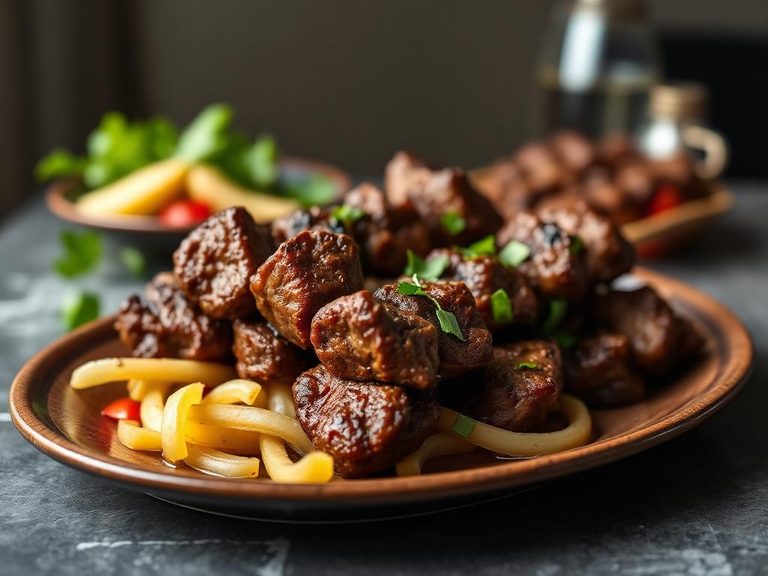
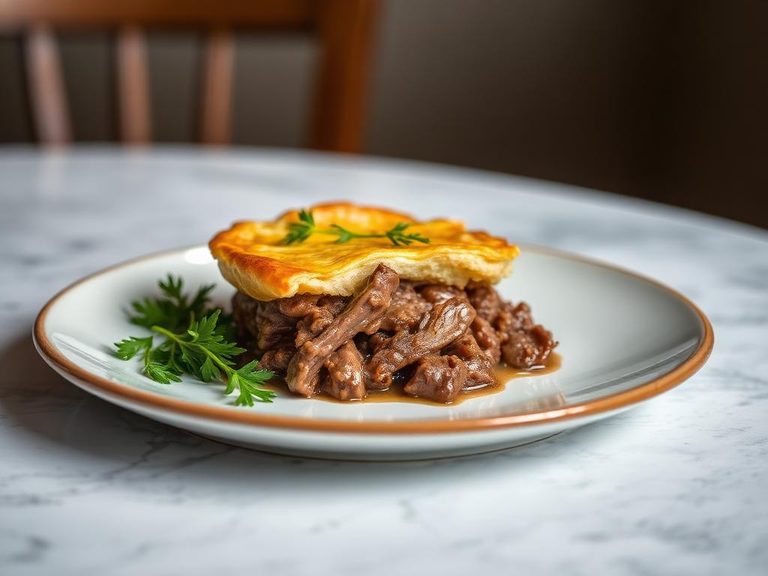
🍽️ Popular dishes
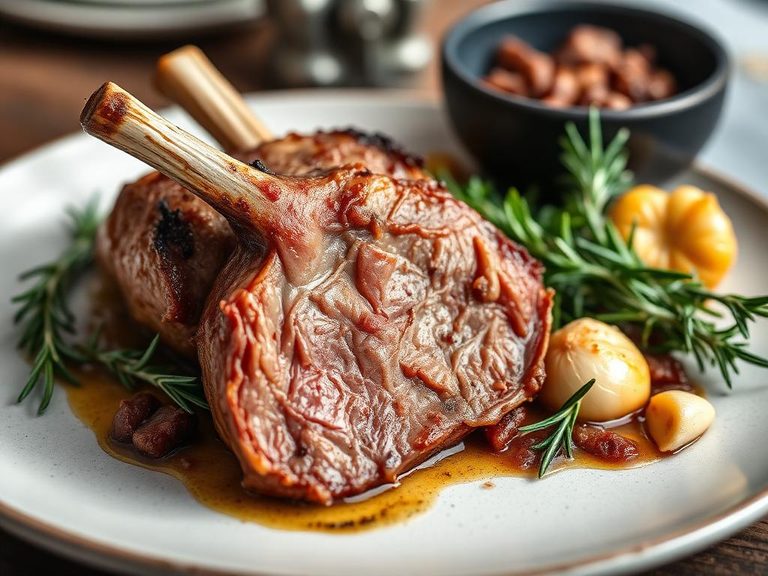
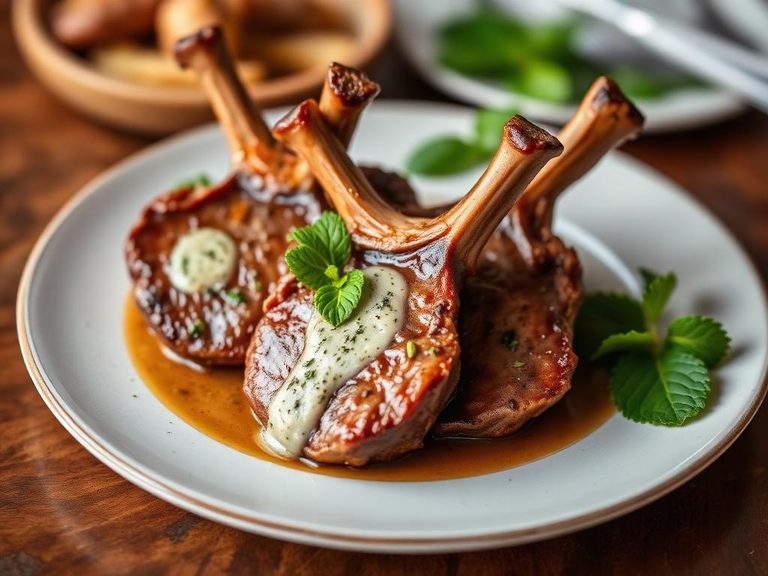
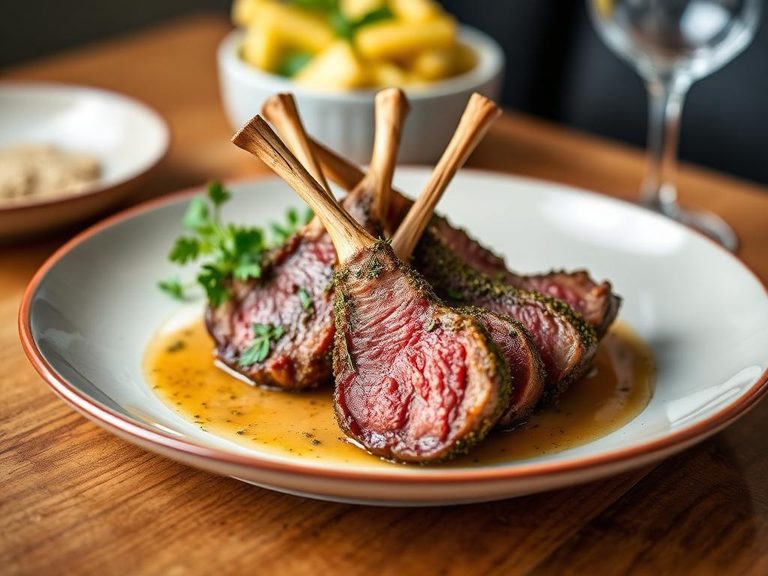
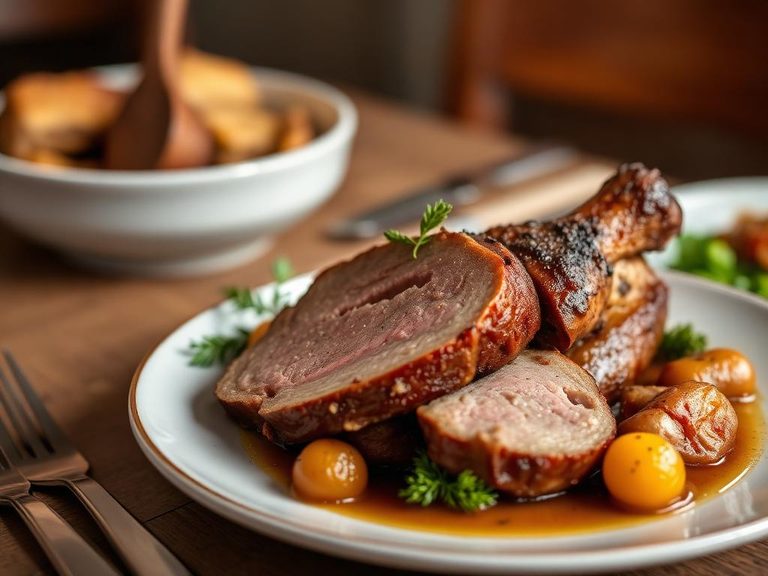
🌍 Where it's eaten
💡 Did you know?
New Zealand is one of the world's largest exporters of lamb, and the country's sheep outnumber its human population by roughly 6 to 1.
Full nutrition (USDA data · scales with serving)
| Water | 52.5 g |
| Energy | 317 kcal |
| Energy | 1326 kj |
| Protein | 19.9 g |
| Total lipid (fat) | 25.7 g |
| Ash | 1.1 g |
| Carbohydrate, by difference | 0.00 g |
| Fiber, total dietary | 0.00 g |
| Calcium, Ca | 18.0 mg |
| Iron, Fe | 1.7 mg |
| Magnesium, Mg | 15.0 mg |
| Phosphorus, P | 173 mg |
| Potassium, K | 128 mg |
| Sodium, Na | 44.0 mg |
| Zinc, Zn | 2.7 mg |
| Copper, Cu | 0.07 mg |
| Manganese, Mn | 0.02 mg |
| Selenium, Se | 1.8 ug |
| Vitamin C, total ascorbic acid | 0.00 mg |
| Thiamin | 0.10 mg |
| Riboflavin | 0.28 mg |
| Niacin | 6.7 mg |
| Pantothenic acid | 0.50 mg |
| Vitamin B-6 | 0.08 mg |
| Folate, total | 1.0 ug |
| Folic acid | 0.00 ug |
| Folate, food | 1.0 ug |
| Folate, DFE | 1.0 ug |
| Vitamin B-12 | 2.3 ug |
| Vitamin A, RAE | 0.00 ug |
| Retinol | 0.00 ug |
| Vitamin A, IU | 0.00 iu |
Fat & fatty acid profile (per 100g)
| Fatty acids, total saturated | 12.8 g |
| SFA 10:0 | 0.07 g |
| SFA 12:0 | 0.10 g |
| SFA 14:0 | 1.1 g |
| SFA 16:0 | 5.7 g |
| SFA 18:0 | 5.0 g |
| Fatty acids, total monounsaturated | 9.9 g |
| MUFA 16:1 | 0.47 g |
| MUFA 18:1 | 9.3 g |
| MUFA 20:1 | 0.04 g |
| Fatty acids, total polyunsaturated | 1.2 g |
| PUFA 18:2 | 0.70 g |
| PUFA 18:3 | 0.47 g |
| PUFA 20:4 | 0.03 g |
| Cholesterol | 99.0 mg |
Amino acid profile (per 100g)
| Tryptophan | 0.23 g |
| Threonine | 0.85 g |
| Isoleucine | 0.96 g |
| Leucine | 1.5 g |
| Lysine | 1.8 g |
| Methionine | 0.51 g |
| Cystine | 0.24 g |
| Phenylalanine | 0.81 g |
| Tyrosine | 0.67 g |
| Valine | 1.1 g |
| Arginine | 1.2 g |
| Histidine | 0.63 g |
| Alanine | 1.2 g |
| Aspartic acid | 1.7 g |
| Glutamic acid | 2.9 g |
| Glycine | 0.97 g |
| Proline | 0.83 g |
| Serine | 0.74 g |
FAQ
Is this cut of lamb high in cholesterol?
Yes, like most red meat, lamb rib contains dietary cholesterol. However, for most healthy individuals, dietary cholesterol has a smaller impact on blood cholesterol levels than saturated and trans fats. Moderation is key.
How does the fat content affect the cooking process?
The 1/8-inch fat cap bastes the lean meat as it roasts, keeping it moist and adding flavor. It's important to cook it at a high enough temperature to render the fat properly without burning it.
Can I reduce the fat content further after cooking?
Yes, you can trim any excess rendered fat after roasting. Some people also choose to eat around the fattier edges if they prefer a leaner meal.
Nutrient density (calculated · NRF9.3)
Nutrient Rich Foods index: beneficial nutrients (protein, fiber, vitamins, minerals) minus saturated fat, added sugar & sodium, per 100 kcal.
NRF9.3 index — Fulgoni, Keast & Drewnowski, 2009. Computed from USDA nutrients.
Weight-loss friendliness (composite index)
Energy density 3.17 kcal/g · 25% calories from protein · 0.0 g fiber · 0.0 g sugar per 100 g.
Composite of energy density (Rolls et al., 1999), protein & fiber satiety, minus sugar. A calculated heuristic — ranks satiety-per-calorie, not a clinical measure.
Dietary load (calculated from USDA values)
Potential renal acid load. Positive = acid-forming, negative = alkaline-forming.
Sodium-to-potassium ratio: 0.34 (lower is better — aim for ≤ 1)
Sodium:potassium per WHO potassium guidance. Computed from USDA nutrients.