

Lamb, Australian, imported, fresh, shoulder, blade, separable lean and fat, trimmed to 1/8" fat, cooked, broiled
Whole food · Lamb, Veal, and Game Products
This is a premium cut of Australian lamb shoulder, specifically the blade portion, broiled to a rich, savory finish. The cooking method renders the marbled fat, creating a tender, juicy texture with a robust, slightly gamey flavor that's characteristic of high-quality lamb. Nutritionally, it's a powerhouse of protein and healthy fats, providing a substantial, low-carb meal option.
Calorie split: 30% protein · 0% carbs · 70% fat
↓ Full nutrition💚 Why it's loved
People cherish this cut for its deep, complex flavor and succulent mouthfeel, which comes from the well-distributed fat in the shoulder. Its versatility allows it to shine in everything from simple grilled steaks to slow-cooked stews, making it a beloved centerpiece in many culinary traditions.
⚠️ Watch-outs & how to enjoy it better
The relatively high fat content (22g per 100g) means it's calorie-dense, so portion control is key for those monitoring energy intake. To counterbalance, pair it with large portions of non-starchy vegetables like roasted broccoli or a fresh salad to add fiber and volume without significant calories. Individuals managing saturated fat intake should enjoy it as an occasional part of a balanced diet.
Key benefits
- Excellent source of high-quality protein for muscle maintenance.
- Rich in essential nutrients like iron, zinc, and B vitamins (especially B12).
- Provides healthy monounsaturated fats, which can support heart health.
- Naturally low in carbohydrates, making it suitable for keto and low-carb diets.
- Contains conjugated linoleic acid (CLA), a fatty acid studied for potential health benefits.
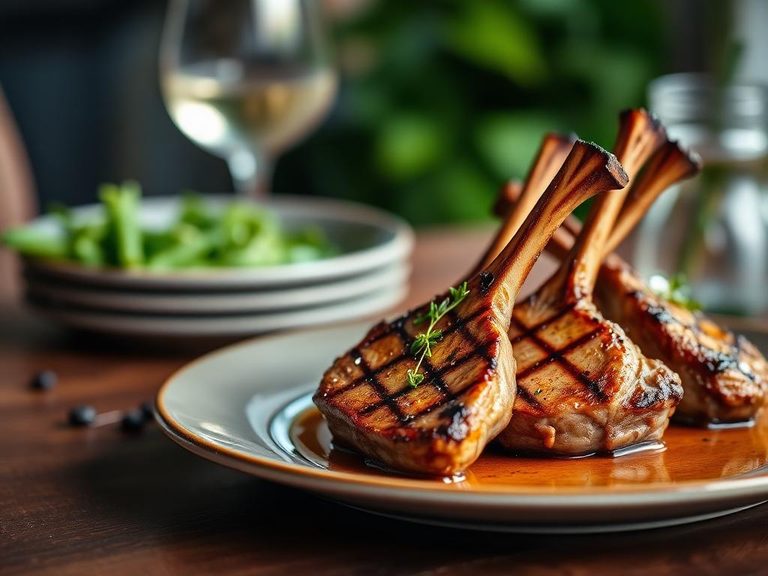
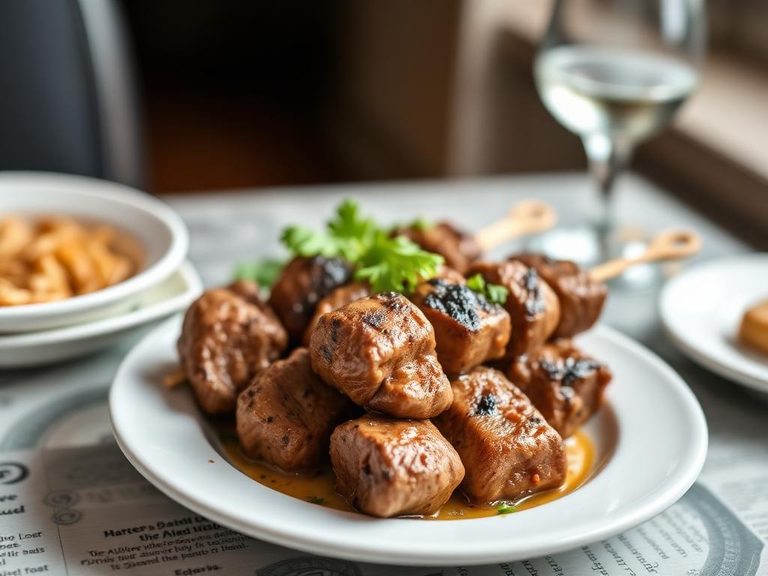
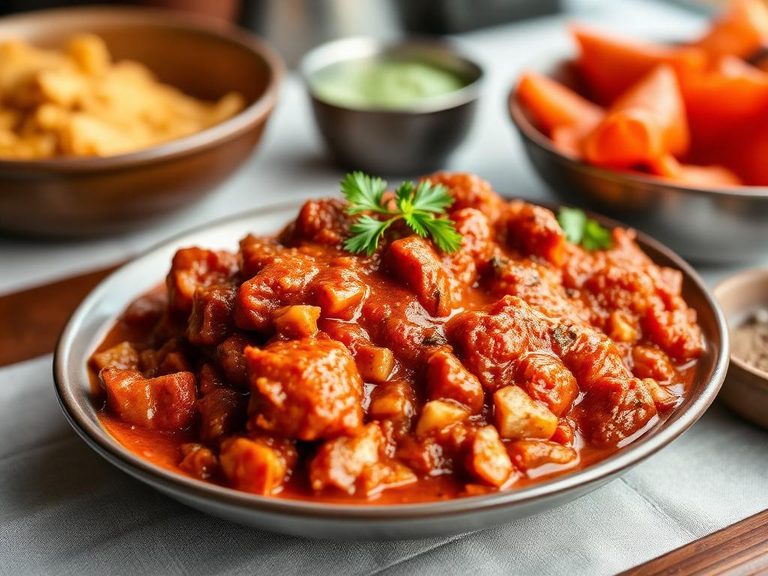
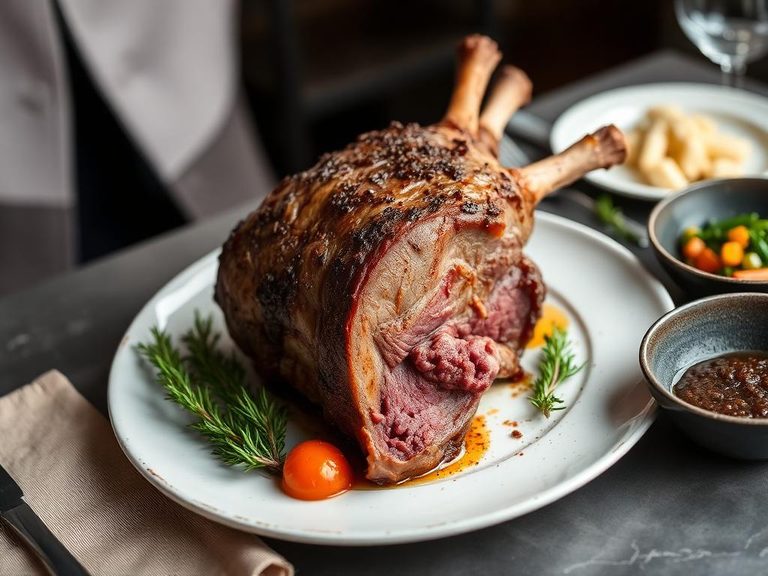
🍽️ Popular dishes
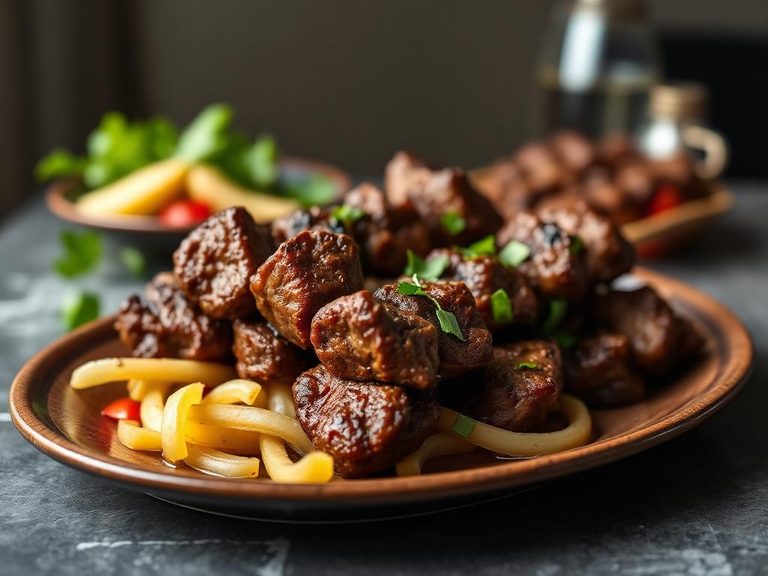
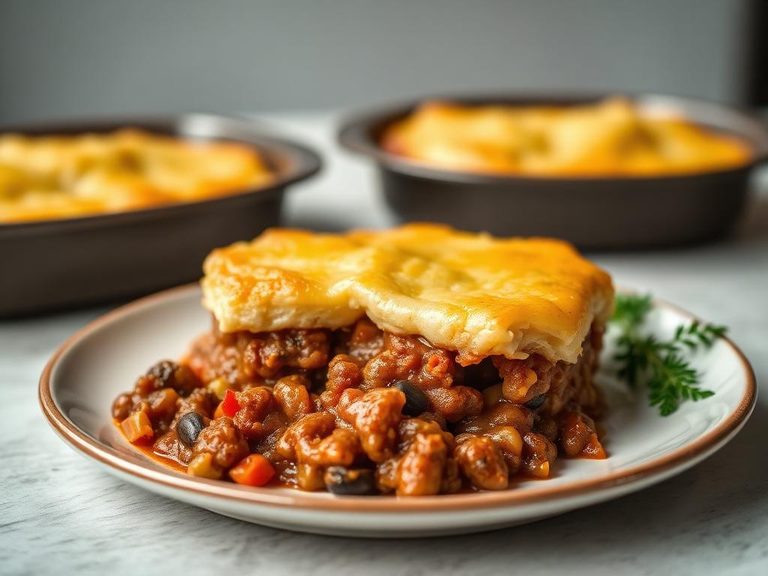
🌍 Where it's eaten
💡 Did you know?
The 'blade' in its name refers to a specific muscle (the infraspinatus) that runs through the shoulder blade bone, and it's known for having a fine grain and good marbling when cooked properly.
Full nutrition (USDA data · scales with serving)
| Water | 56.6 g |
| Energy | 291 kcal |
| Energy | 1218 kj |
| Protein | 21.7 g |
| Total lipid (fat) | 22.0 g |
| Ash | 0.98 g |
| Carbohydrate, by difference | 0.00 g |
| Calcium, Ca | 28.0 mg |
| Iron, Fe | 1.6 mg |
| Magnesium, Mg | 20.0 mg |
| Phosphorus, P | 177 mg |
| Potassium, K | 295 mg |
| Sodium, Na | 88.0 mg |
| Zinc, Zn | 5.6 mg |
| Copper, Cu | 0.12 mg |
| Manganese, Mn | 0.01 mg |
| Selenium, Se | 8.2 ug |
| Thiamin | 0.10 mg |
| Riboflavin | 0.27 mg |
| Niacin | 4.4 mg |
| Pantothenic acid | 0.72 mg |
| Vitamin B-6 | 0.20 mg |
| Vitamin B-12 | 3.3 ug |
Fat & fatty acid profile (per 100g)
| Fatty acids, total saturated | 10.5 g |
| SFA 10:0 | 0.04 g |
| SFA 12:0 | 0.07 g |
| SFA 14:0 | 0.84 g |
| SFA 15:0 | 0.13 g |
| SFA 16:0 | 4.9 g |
| SFA 17:0 | 0.33 g |
| SFA 18:0 | 4.1 g |
| SFA 20:0 | 0.08 g |
| Fatty acids, total monounsaturated | 8.6 g |
| MUFA 14:1 | 0.04 g |
| MUFA 16:1 | 0.39 g |
| MUFA 18:1 | 8.0 g |
| MUFA 20:1 | 0.07 g |
| Fatty acids, total polyunsaturated | 0.82 g |
| PUFA 18:2 | 0.50 g |
| PUFA 18:3 | 0.24 g |
| PUFA 20:4 | 0.04 g |
| Cholesterol | 84.0 mg |
Amino acid profile (per 100g)
| Tryptophan | 0.25 g |
| Threonine | 0.93 g |
| Isoleucine | 1.0 g |
| Leucine | 1.7 g |
| Lysine | 1.9 g |
| Methionine | 0.56 g |
| Cystine | 0.26 g |
| Phenylalanine | 0.88 g |
| Tyrosine | 0.73 g |
| Valine | 1.2 g |
| Arginine | 1.3 g |
| Histidine | 0.69 g |
| Alanine | 1.3 g |
| Aspartic acid | 1.9 g |
| Glutamic acid | 3.2 g |
| Glycine | 1.1 g |
| Proline | 0.91 g |
| Serine | 0.81 g |
FAQ
How does broiling affect the flavor compared to other methods?
Broiling uses high, direct heat from above, which quickly sears the exterior, creating a flavorful, caramelized crust while keeping the interior juicy. This method intensifies the lamb's natural savoriness more than gentle methods like steaming or boiling.
Is Australian lamb different from other lamb?
Yes, Australian lamb is often pasture-raised, which can contribute to a distinct, slightly milder and sweeter flavor profile compared to grain-fed lamb from other regions. The country's strict quality and safety standards also ensure a consistent product.
What's the best way to store and reheat leftovers?
Store cooked lamb in an airtight container in the refrigerator for up to 3-4 days. Reheat gently in a skillet over medium heat or in the oven at 325°F (160°C) to avoid drying it out; adding a splash of broth can help retain moisture.
Nutrient density (calculated · NRF9.3)
Nutrient Rich Foods index: beneficial nutrients (protein, fiber, vitamins, minerals) minus saturated fat, added sugar & sodium, per 100 kcal.
NRF9.3 index — Fulgoni, Keast & Drewnowski, 2009. Computed from USDA nutrients.
Weight-loss friendliness (composite index)
Energy density 2.91 kcal/g · 30% calories from protein · 0.0 g fiber · 0.0 g sugar per 100 g.
Composite of energy density (Rolls et al., 1999), protein & fiber satiety, minus sugar. A calculated heuristic — ranks satiety-per-calorie, not a clinical measure.
Dietary load (calculated from USDA values)
Potential renal acid load. Positive = acid-forming, negative = alkaline-forming.
Sodium-to-potassium ratio: 0.30 (lower is better — aim for ≤ 1)
Sodium:potassium per WHO potassium guidance. Computed from USDA nutrients.